
In an age increasingly defined by data and digital innovation, understanding fundamental physiological metrics like pulse rate has transcended traditional medical settings. While “apical pulse rate” might sound like a purely clinical term, its underlying principles — measuring the most accurate and direct heartbeats — are profoundly relevant to the rapidly evolving landscape of health technology. From advanced wearable devices to sophisticated AI-driven diagnostics, technology is redefining how we monitor, interpret, and manage our heart health, drawing inspiration from the very precision that apical measurements represent. This article will explore the concept of apical pulse rate through a technological lens, examining how digital tools and platforms are striving for similar levels of accuracy and insight in the pursuit of better cardiovascular care.
The Core Concept: Understanding Apical Pulse Rate in a Digital Age
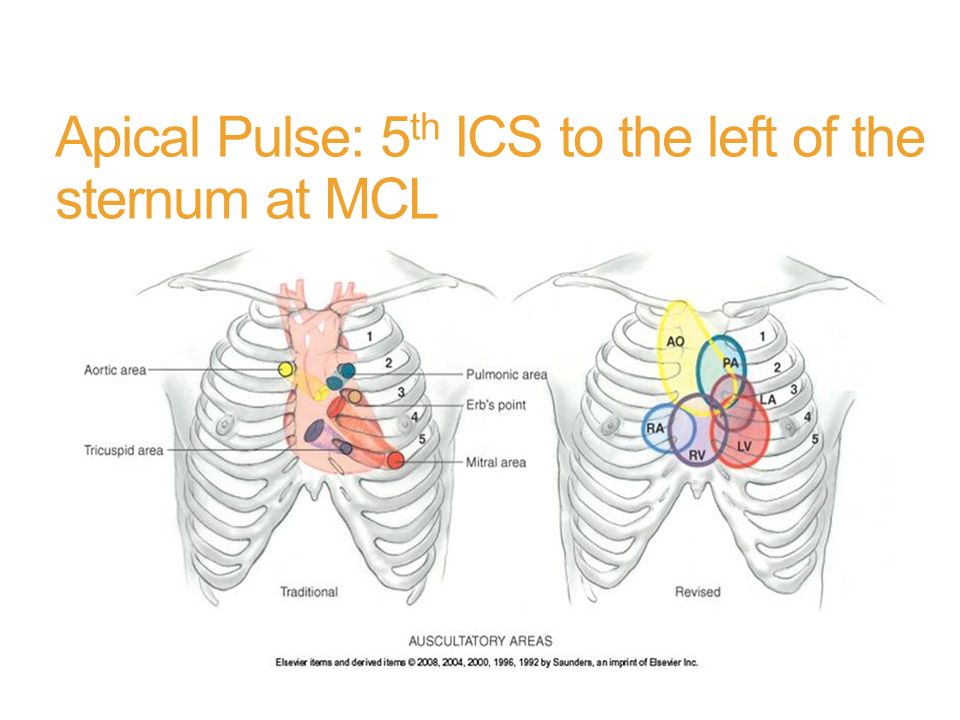
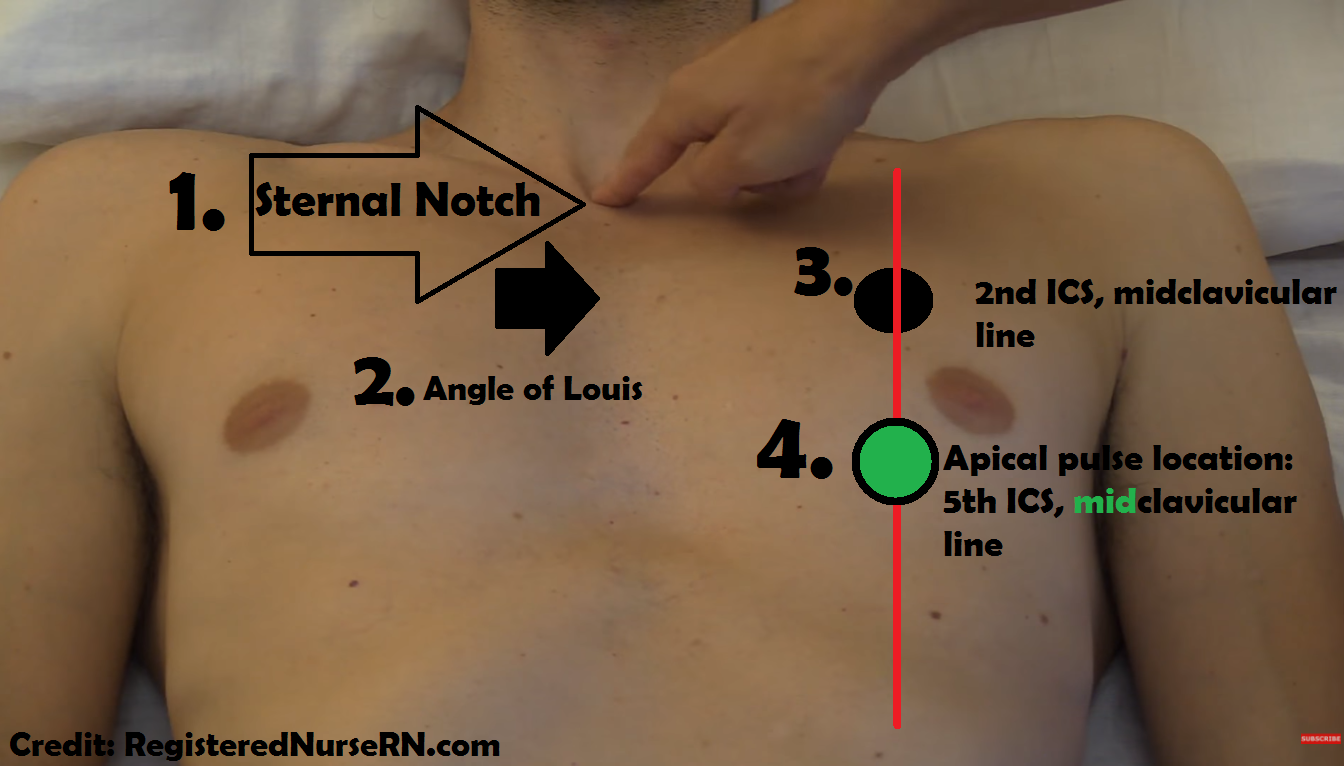
At its heart, the apical pulse rate is the most accurate manual measurement of heart rate, obtained by listening directly over the apex of the heart with a stethoscope. This method provides an unadulterated count of ventricular contractions, offering a gold standard against which other pulse measurements are often compared. In the digital health ecosystem, where precision and reliability are paramount, understanding the clinical significance of an apical pulse helps contextualize the aspirations and challenges of tech developers.
Beyond the Radial Pulse: Why Apical Measurement Matters to Tech Innovation
Traditionally, heart rate is often taken peripherally, such as the radial pulse at the wrist. While convenient, peripheral pulses can sometimes be weaker or irregular, leading to a “pulse deficit” where the number of heartbeats felt at the periphery is less than the actual heartbeats originating from the heart. The apical pulse, by directly assessing the heart’s activity, eliminates this discrepancy, providing a true count of ventricular contractions.
For technology developers, this distinction is crucial. When designing algorithms for heart rate variability (HRV) analysis, arrhythmia detection, or even basic resting heart rate tracking, the goal is often to approximate the fidelity of an apical measurement. Wearables and medical devices don’t just count beats; they strive to interpret the quality and rhythm of those beats. Understanding the physiological accuracy of an apical pulse sets a benchmark for the level of data integrity that advanced health tech aims to achieve, driving innovation in sensor technology and signal processing to minimize potential deficits and maximize real-time accuracy.
The Human Element vs. Algorithmic Precision: Traditional Methods Revisited
The manual apical pulse measurement relies on the skilled ears and clinical judgment of a healthcare professional. It’s a qualitative and quantitative assessment combined. While technology cannot replicate human intuition, it excels at tireless, consistent data acquisition and complex pattern recognition. Modern digital stethoscopes, for example, amplify heart sounds, filter noise, and even visualize phonocardiograms, effectively augmenting the human ear with digital precision. AI algorithms can then analyze these digitized heart sounds to detect subtle abnormalities that might be missed by the unaided human ear or less sophisticated diagnostic tools. This fusion of traditional clinical understanding with cutting-edge algorithmic precision represents a powerful frontier in diagnostics, pushing towards a future where technology enhances, rather than replaces, nuanced medical expertise.
Wearable Tech and Smart Devices: Transforming Heart Rate Monitoring
The explosion of wearable technology has democratized heart rate monitoring, making it accessible to millions outside of clinical settings. From smartwatches to chest straps, these devices continuously track heart activity, providing a wealth of data for personal health management and, increasingly, for medical insights.
From Wrist to Chest: The Evolution of Personal Heart Rate Trackers
Early consumer heart rate monitors often relied on chest straps with electrodes, offering highly accurate, ECG-like data. While precise, their comfort and convenience were limited. The advent of optical heart rate sensors (photoplethysmography, or PPG) integrated into smartwatches and fitness bands revolutionized the market. These devices measure changes in blood volume under the skin, inferring heart rate. While incredibly convenient, PPG sensors at the wrist are susceptible to motion artifacts and can sometimes be less accurate than chest-based ECG monitors, particularly during intense exercise or for certain skin tones.
However, technology continues to advance rapidly. Innovations in sensor design, coupled with sophisticated filtering algorithms and multi-sensor fusion (e.g., combining PPG with accelerometers), are continuously improving the accuracy of wrist-worn devices. Furthermore, some smartwatches now incorporate lead-I ECG capabilities, allowing users to take an on-demand electrocardiogram, moving closer to the diagnostic potential of clinical tools and providing a more direct electrical measurement of heart activity, akin to the precision sought with an apical pulse.
Data Accuracy and Limitations in Consumer-Grade Devices
While consumer wearables are excellent for trend tracking and general wellness, it’s critical to understand their limitations, especially when compared to the gold standard of an apical pulse or a clinical ECG. Their accuracy can vary based on activity level, skin contact, and individual physiology. The data they collect is generally indicative, not diagnostic.
For conditions where apical pulse measurement would reveal a “pulse deficit” – such as atrial fibrillation (AFib) – a simple peripheral pulse count from a wearable might misrepresent the true heart rate or mask an underlying arrhythmia. This is where the tech challenge lies: how to create non-invasive, convenient devices that can reliably detect such discrepancies or provide data granular enough for early warning signs. Future iterations of wearables will likely focus on improving sensor fidelity and incorporating more sophisticated algorithms that can differentiate between accurate beats and artifacts, moving closer to providing medically relevant insights rather than just raw numbers.
Integrating Apical Data Points with Broader Health Ecosystems
The ultimate goal for many health tech platforms is to create a holistic view of an individual’s health. While direct apical pulse measurement remains primarily a clinical procedure, the principles of its accuracy inform the development of integrated health ecosystems. Data from wearables, smart scales, continuous glucose monitors, and even smart home devices are being aggregated into centralized digital health platforms. The challenge is not just collecting data but making it actionable. Future systems might integrate AI-powered analysis of various physiological signals to infer conditions that traditionally require more precise measurements, or guide users on when to seek professional medical advice based on deviations from personalized baselines, effectively democratizing access to a more “apical-like” understanding of their heart health.
AI and Machine Learning: Enhancing Diagnostic Insights from Pulse Data
The sheer volume of heart rate data generated by wearables and digital health tools is overwhelming for human analysis. This is where Artificial Intelligence (AI) and Machine Learning (ML) step in, transforming raw pulse data into actionable diagnostic insights.
Predictive Analytics: Identifying Anomalies and Risk Factors
AI algorithms can continuously monitor heart rate patterns, looking for subtle deviations from an individual’s baseline that might indicate emerging health issues. For example, ML models can be trained on vast datasets of heart rate data (including those from clinical apical measurements and ECGs) to identify signatures of conditions like AFib, bradycardia, tachycardia, or even early signs of heart failure. These algorithms don’t just flag high or low heart rates; they analyze variability, rhythm, and morphology of the pulse waves to provide a nuanced assessment. This predictive capability allows for early intervention, potentially preventing adverse cardiac events and reducing healthcare burdens. The aspiration is to move beyond mere detection to proactive risk stratification, where AI helps identify individuals at risk before symptoms manifest, offering a “digital apical” insight into internal workings.
AI-Powered Stethoscopes and Remote Monitoring Solutions
The advent of AI-powered digital stethoscopes directly bridges the gap between traditional apical pulse assessment and advanced technology. These devices capture heart and lung sounds, amplify them, and then use AI to analyze phonocardiograms for abnormalities such as murmurs, rubs, or irregular rhythms. They can offer real-time feedback to clinicians, highlight areas of concern, and even provide objective measurements of sound characteristics that might be difficult for the human ear to quantify consistently.
Beyond the clinic, remote patient monitoring (RPM) solutions leverage AI to interpret data from home-based devices. Patients with chronic conditions can wear patches or use devices that transmit continuous heart rate, blood pressure, and other vital signs. AI platforms then process this data, alerting healthcare providers to significant changes or trends, enabling timely interventions without requiring frequent in-person visits. This extends the precision of monitoring into the patient’s daily life, providing continuous “apical-like” surveillance.
The Role of Big Data in Understanding Population Heart Health Trends
The aggregation of anonymized heart rate data from millions of users, coupled with clinical data, creates “big data” repositories that AI can mine for population-level insights. This allows researchers and public health officials to identify demographic risk factors, track the prevalence of cardiovascular diseases, and evaluate the effectiveness of health interventions on a grand scale. By understanding how different populations experience heart rate variability and respond to various lifestyle factors, AI contributes to more targeted public health campaigns and the development of personalized medicine, moving beyond individual apical readings to a collective understanding of heart health.
Digital Health Platforms: Managing and Interpreting Your Heart Health Data
Collecting heart rate data is just the first step. The true power of health technology lies in its ability to synthesize this data, present it in an understandable format, and empower users and clinicians to make informed decisions. Digital health platforms are the central hubs for this data management and interpretation.
Centralized Health Records and Telemedicine Integration
Modern digital health platforms serve as centralized repositories for an individual’s health data, including heart rate metrics, activity levels, sleep patterns, and even self-reported symptoms. These platforms integrate with Electronic Health Records (EHRs), allowing clinicians to access a comprehensive view of a patient’s health trajectory. Furthermore, they are often integrated with telemedicine services, enabling virtual consultations where doctors can review remotely collected data, discuss trends, and provide guidance, blurring the lines between clinic visits and at-home care. This allows for a continuous, rather than episodic, understanding of a patient’s heart health, echoing the continuous monitoring aspiration of an “apical-like” assessment.
Personalized Feedback Loops and Lifestyle Recommendations
Beyond simple data display, advanced digital health platforms offer personalized feedback loops. Based on an individual’s heart rate data, activity levels, and other tracked metrics, AI-driven algorithms can generate tailored recommendations for exercise, stress management, sleep hygiene, and diet. For instance, if a platform detects persistent elevated resting heart rate combined with poor sleep and high stress, it might suggest mindfulness exercises or a consultation with a health coach. This moves beyond passive tracking to proactive engagement, helping users actively manage factors influencing their cardiovascular well-being, translating complex medical data into actionable lifestyle adjustments.
Empowering Patients with Actionable Insights
One of the most significant contributions of digital health platforms is the empowerment of patients. By providing clear, visual dashboards and understandable interpretations of their heart rate data, these platforms enable individuals to become active participants in their health journey. Patients can track their progress, identify patterns, and engage in more meaningful conversations with their healthcare providers. This transparency fosters a greater sense of ownership and responsibility, transforming abstract medical concepts into concrete, actionable insights that help users understand “what is apical pulse rate” not just as a medical term, but as a guiding principle for their own personalized heart health management.
The Future of Apical Pulse Monitoring: Innovation on the Horizon
The journey towards perfectly accurate and non-invasive heart rate monitoring, inspired by the precision of apical measurement, is far from over. The future promises even more sophisticated technologies that will further integrate into our lives and healthcare systems.
Miniaturization and Implantable Technologies
Future advancements will likely focus on further miniaturization of sensors, leading to less obtrusive wearables or even smart clothing woven with biometric sensors. Beyond external devices, advancements in implantable technologies could offer unprecedented accuracy and long-term monitoring. Bio-integrated sensors, for instance, could provide continuous, medical-grade heart rate data directly from within the body, offering a perpetual “apical” view of cardiac activity without any external effort from the user. These innovations will push the boundaries of what’s possible in preventative care and chronic disease management.
Enhanced Interoperability and Regulatory Frameworks
As more health data is generated and shared across devices and platforms, ensuring seamless interoperability and robust regulatory frameworks will be critical. Standards for data exchange, privacy protection, and device validation will need to evolve to keep pace with technological innovation. The goal is to create a secure, integrated ecosystem where data from various sources (from a smartwatch’s heart rate to a clinician’s apical assessment) can be securely shared and meaningfully utilized, fostering greater collaboration between patients, providers, and technology developers.

Towards Proactive and Preventive Cardiac Care
Ultimately, the trajectory of health technology, when viewed through the lens of foundational concepts like the apical pulse rate, is towards a future of proactive and preventive cardiac care. By combining hyper-accurate sensors, intelligent AI algorithms, and intuitive digital platforms, we are moving towards a system where cardiovascular risks can be identified earlier, interventions can be more precise, and individuals can maintain optimal heart health throughout their lives. The quest for understanding “what is apical pulse rate” is no longer just a clinical question but a driving force for technological innovation aimed at making everyone’s heart health as accurately and comprehensively monitored as possible.
aViewFromTheCave is a participant in the Amazon Services LLC Associates Program, an affiliate advertising program designed to provide a means for sites to earn advertising fees by advertising and linking to Amazon.com. Amazon, the Amazon logo, AmazonSupply, and the AmazonSupply logo are trademarks of Amazon.com, Inc. or its affiliates. As an Amazon Associate we earn affiliate commissions from qualifying purchases.