
In the traditional marketing playbook, “social” was the ultimate goal. For the better part of two decades, brands have been told that visibility, constant engagement, and algorithmic dominance are the only paths to relevance. However, a new movement is emerging that flips this script entirely. This is the era of the “Antisocial Brand Strategy.”
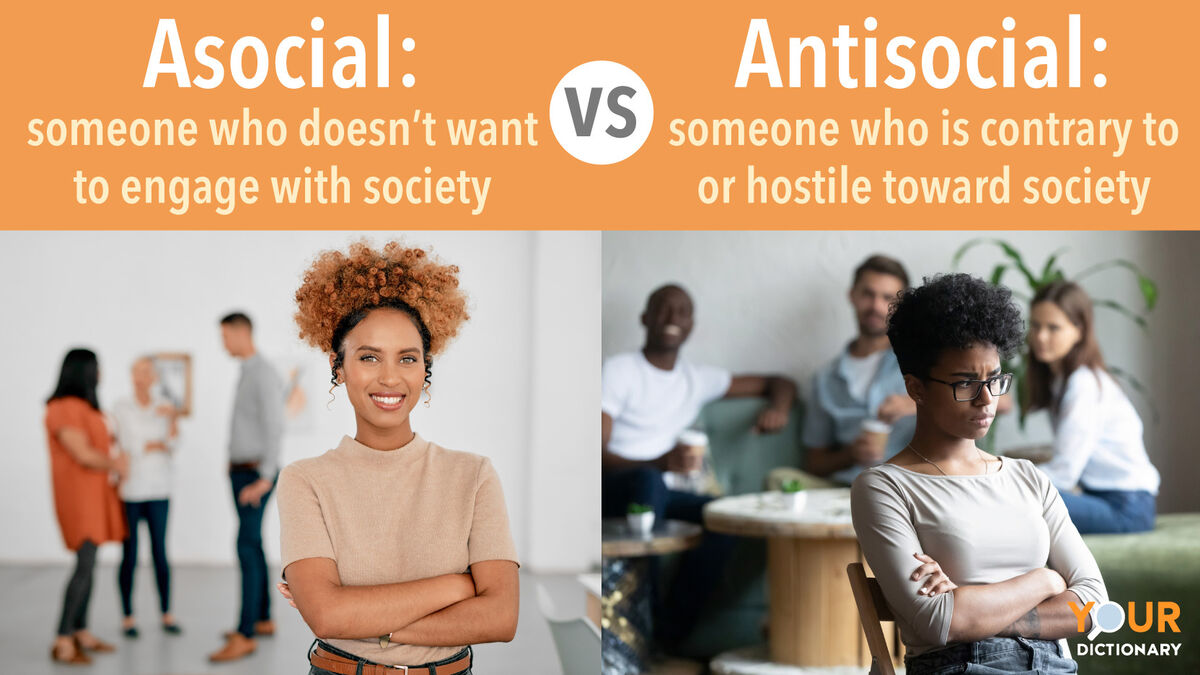
In this context, being “antisocial” does not mean a lack of communication or a disregard for the audience. Instead, it represents a calculated shift away from the noisy, high-frequency, and often superficial world of traditional social media marketing. It is a strategic move toward exclusivity, mystery, and deep-community building. As digital fatigue sets in and consumers become increasingly skeptical of hyper-accessible corporate personas, the antisocial approach has become one of the most powerful tools in modern brand strategy.
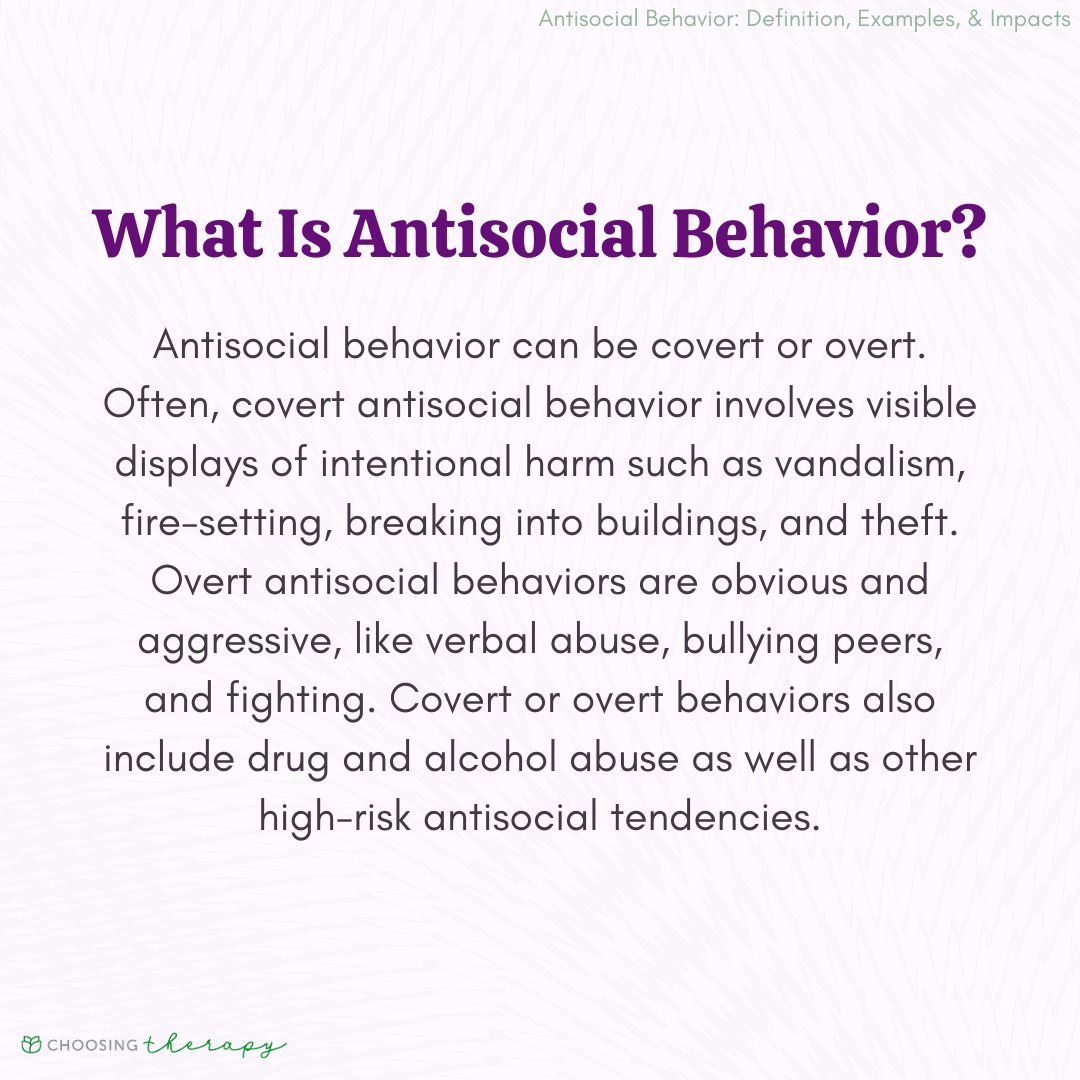
The Rise of the Antisocial Brand Identity
The concept of the antisocial brand is a direct response to the “always-on” culture of the 2010s. When every company is tweeting jokes, dancing on TikTok, and begging for likes, the brand that remains silent becomes the most interesting one in the room. This shift marks the transition from “mass-market appeal” to “niche-market authority.”
Challenging the “Engagement” Myth
For years, the industry-standard KPI was engagement. Brands optimized every piece of content to generate comments, shares, and likes. However, the antisocial strategy posits that high engagement does not always equal brand equity. In many cases, hyper-engagement cheapens a brand’s image, making it appear desperate for attention.
Antisocial brands challenge the myth that you must be everywhere at once. By reducing the frequency of their interactions, they increase the value of each touchpoint. When a brand only speaks once a month—or once a year—the market listens with much higher intensity. This creates a “scarcity of attention,” where the brand’s silence acts as a vacuum that pulls the consumer in, rather than pushing content out.
The Psychology of Exclusion and Scarcity
At its core, the antisocial brand strategy leverages the psychological principle of the “In-Group/Out-Group” dynamic. Traditional marketing tries to include everyone. Antisocial marketing, however, focuses on a specific “tribe.”
By being “antisocial”—refusing to participate in public trends or ignoring popular discourse—a brand signals that it is not for everyone. This perceived gatekeeping creates a powerful allure. For the target demographic, being “in the know” about a brand that doesn’t advertise becomes a badge of cultural capital. This is not about being rude; it is about being selective. It is the difference between a loud, crowded nightclub and a hidden speakeasy that requires a secret password.
Case Study: The Cultural Phenomenon of Anti Social Social Club (ASSC)
One cannot discuss this niche without looking at the brand that literally put the term into the fashion lexicon: Anti Social Social Club (ASSC). Founded by Neek Lurk, the brand became a global powerhouse by leaning into the aesthetics of isolation, melancholy, and digital withdrawal.
Minimalist Design and Maximum Relatability
ASSC’s rise was predicated on a fundamental irony. The brand utilized social media (Instagram) to promote a message of being “anti social.” The design was simple: a basic wavy logo on standard streetwear blanks. The genius, however, was in the branding. It captured a specific zeitgeist—the feeling of being overwhelmed by the digital world and the desire to retreat.
The brand didn’t engage with fans in the comments. It didn’t explain its drops. It simply existed as a reflection of its audience’s internal state. By naming itself “Anti Social Social Club,” it created a community for people who felt they didn’t belong in traditional communities. This paradoxical branding turned a negative social trait into a desirable aesthetic, proving that a brand identity can be built on the very rejection of social norms.
Leveraging Paradoxical Marketing
ASSC mastered the art of “the ghost.” They would announce drops with cryptic imagery and then disappear. Their website was often password-protected or completely blank between releases. This “antisocial” behavior created a frenzy. Because the brand was seemingly indifferent to its customers’ demands—often criticized for slow shipping and lack of customer service—it paradoxically became more sought after. In the world of high-street fashion, indifference is often equated with “cool.” This strategy proved that a brand could achieve massive financial success by refusing to play by the rules of traditional customer relationship management.
Strategies for the “Antisocial” Era
As we move deeper into a post-social media landscape, brands across all sectors are beginning to adopt antisocial tactics. This isn’t just for streetwear; it’s for luxury houses, tech startups, and service providers who want to reclaim their premium positioning.
Transitioning from Public Feeds to Dark Social
One of the key pillars of an antisocial strategy is the move toward “Dark Social.” This refers to communication that happens outside of public-facing platforms—think Discord servers, Telegram groups, private Slack channels, and direct DMs.
Antisocial brands are increasingly deleting their public Instagram or Twitter accounts (as Bottega Veneta famously did) to focus on these private channels. By moving the conversation behind closed doors, the brand regains control over its narrative. The “antisocial” element here is the refusal to be indexed by search engines or scrutinized by the general public. It fosters a sense of intimacy and “true” community that is impossible to achieve on a public Facebook page.
Cultivating Community Through Gatekeeping
While “gatekeeping” is often viewed negatively, in brand strategy, it is a method of quality control. An antisocial brand creates barriers to entry. This could be a high price point, a limited-time “drop” model, or an application-based membership.
By making it difficult to access the brand, the company ensures that its most loyal advocates are the ones who represent it. This creates a self-sustaining ecosystem where the consumers themselves do the marketing. When a brand stops talking about itself, its followers start talking louder. This organic advocacy is far more valuable than any paid influencer campaign because it is rooted in the “exclusivity” of the antisocial bond.
Implementing Antisocial Tactics in Modern Marketing
How does a brand implement these concepts without disappearing into irrelevance? The key is a balance between “strategic silence” and “targeted impact.”
The Power of the “Silent” Launch
Instead of a massive PR blitz, many brands are now opting for the “silent launch.” This involves releasing a product with zero prior announcement. This antisocial tactic relies on the brand’s core fans to discover the product and spread the word.
The silent launch works because it rewards the “watchers”—the people who are most invested in the brand. It creates a “you had to be there” moment that generates massive FOMO (Fear Of Missing Out) for the general public. By the time the mainstream media picks up on the story, the product is already sold out, further cementing the brand’s status as an unreachable, antisocial entity.
Building Brand Equity Through Mystery
In an age of total transparency, mystery is a luxury. Many brands today over-share: they show “behind the scenes,” they introduce every staff member, and they explain every decision. An antisocial strategy does the opposite. It maintains a “black box” around the creative process.
By revealing less, the brand allows the consumer’s imagination to fill in the gaps. This creates a sense of “lore” around the brand. When a company is antisocial, its history and its “why” become a puzzle for the audience to solve. This deepens the intellectual and emotional investment the customer has in the brand identity.
The Future of Brand Resilience: Beyond the Like Button
The antisocial trend is not a temporary fad; it is a structural shift in how brand equity is built. As the “Attention Economy” becomes increasingly saturated, the “Intention Economy” will take its place.
Balancing Accessibility with Intrigue
The ultimate challenge for any antisocial brand is maintaining its mystique while remaining commercially viable. You cannot be so antisocial that you are impossible to find, but you cannot be so social that you are impossible to ignore.
The future of branding lies in “Selective Visibility.” This means being extremely visible in high-impact moments (like a major runway show or a high-profile collaboration) and then retreating into silence for months afterward. This rhythmic presence keeps the brand relevant while maintaining its “outsider” status.
Long-term Brand Loyalty in a Non-Social World
Ultimately, the antisocial strategy is about building a brand that can survive without the crutch of social media algorithms. By focusing on exclusivity, dark social, and the power of “no,” brands build a foundation of loyalty that is resistant to the whims of platform changes or trending topics.
An antisocial brand doesn’t follow the culture; it lets the culture follow it. By standing apart from the crowd, these brands offer something that “social” brands cannot: a sense of identity that is defined not by who they are talking to, but by who they are willing to ignore. In the future of brand strategy, silence isn’t just golden—it’s the most effective way to be heard.
aViewFromTheCave is a participant in the Amazon Services LLC Associates Program, an affiliate advertising program designed to provide a means for sites to earn advertising fees by advertising and linking to Amazon.com. Amazon, the Amazon logo, AmazonSupply, and the AmazonSupply logo are trademarks of Amazon.com, Inc. or its affiliates. As an Amazon Associate we earn affiliate commissions from qualifying purchases.