
In the world of global commerce, few entities can claim a history that spans centuries, let alone six of them. Marchesi Antinori is not merely a producer of fine Italian wine; it is a masterclass in brand strategy, corporate identity, and the delicate art of balancing heritage with relentless innovation. To ask “What is Antinori?” is to explore how a family-run business survives twenty-six generations of market shifts, political upheavals, and changing consumer tastes while maintaining a status as a premier global luxury brand.
For brand strategists and marketing professionals, the Antinori name represents the pinnacle of “Heritage Branding.” It is a case study in how to leverage history not as a static relic, but as a dynamic foundation for modern growth.

The Heritage Factor: Building a Multi-Generational Brand Identity
The foundation of the Antinori brand was laid in 1385 when Giovanni di Piero Antinori joined the Arte dei Vinattieri (the Winemakers’ Guild) in Florence. However, the brand’s longevity is not an accident of history; it is the result of a deliberate, multi-generational commitment to a specific corporate identity.
The Power of Continuity and Narrative
One of the most significant assets of the Antinori brand is its unbroken lineage. In an era where brands are frequently bought, sold, and gutted by private equity firms, the fact that the Marchesi Antinori remains family-owned is a powerful marketing tool. This continuity creates a sense of trust and “brand soul” that is nearly impossible for younger competitors to replicate.
The brand narrative centers on the concept of “stewardship” rather than “ownership.” By positioning each generation as a temporary guardian of the legacy, the company instills a long-term strategic vision that prioritizes brand equity over short-term quarterly gains. This narrative is communicated through every touchpoint, from the family crest on the label to the high-profile presence of the Antinori sisters—Albiera, Allegra, and Alessia—who now lead the company.
Melding History with Modern Aesthetics
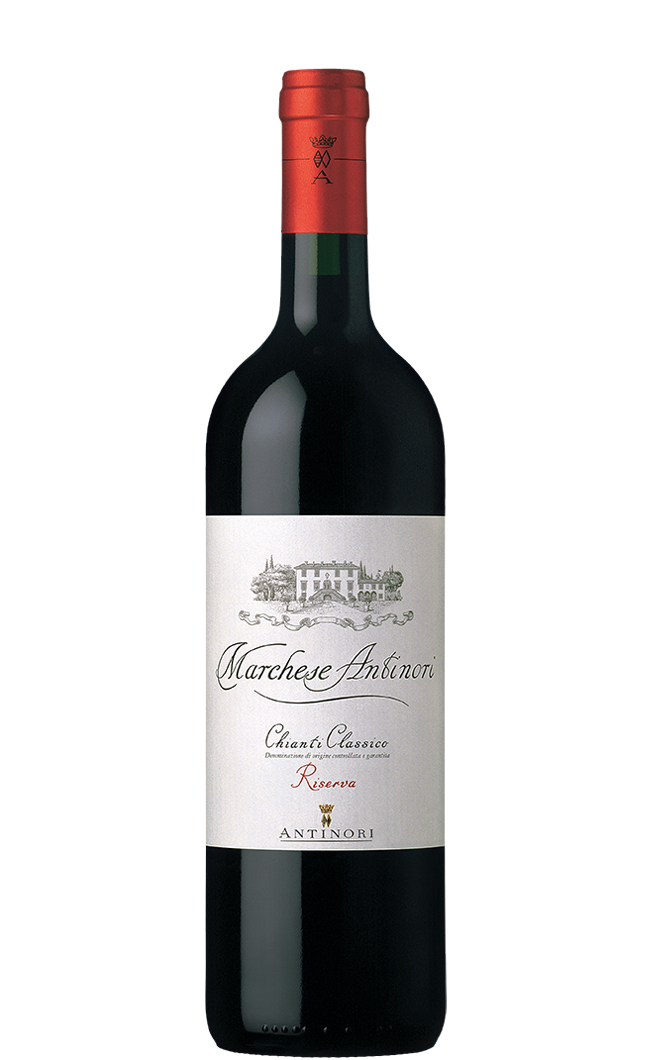
A common pitfall for heritage brands is becoming “stuck in the past,” appearing dated or irrelevant to younger demographics. Antinori avoids this by blending traditional symbols with contemporary design. The brand’s visual identity—characterized by elegant typography, minimalist labeling for its high-end tiers, and the iconic Florentine coat of arms—signals both prestige and modernity.
This aesthetic balance allows Antinori to appeal to the traditional collector who values history, as well as the modern luxury consumer who seeks “quiet luxury” and sophisticated design. The brand identity is not just about where they came from, but about the standard of excellence they represent today.
Strategic Innovation: How Antinori Reinvents Tradition
If heritage is the soul of the Antinori brand, innovation is its engine. The brand’s ability to disrupt its own industry is perhaps best exemplified by its role in the “Super Tuscan” revolution. This period in the 1970s serves as a primary example of how a brand can break established rules to create an entirely new market category.
The Tignanello Revolution: Disrupting the Category
In the 1970s, Italian wine laws were rigid, often favoring quantity and traditional blends over experimental quality. Piero Antinori took a massive brand risk by launching Tignanello, a wine that ignored local DOC regulations by incorporating non-traditional grapes like Cabernet Sauvignon and aging the wine in small oak barrels.
From a brand strategy perspective, this was a brilliant move of “Premiumization through Disruption.” By intentionally stepping outside the traditional classification system, Antinori created a “rebel” identity for Tignanello. It was no longer just a Chianti; it was something unique, rare, and superior. This move didn’t just elevate a single product; it elevated the entire Antinori brand as a leader of Italian excellence, proving that a heritage brand could be the most forward-thinking player in the room.
Architectural Branding: The Bargino Cellar
Brand identity is often conveyed through physical spaces, and Antinori took this to the extreme with the opening of the Antinori nel Chianti Classico winery in Bargino. This $100 million-plus project is a marvel of “Architectural Branding.”

The structure is nearly invisible from a distance, integrated into the hillside and covered with vineyards. It represents the brand’s values: respect for the land, a focus on the future, and a commitment to beauty and functionality. By creating a physical “cathedral” to their brand, Antinori transformed the consumer experience from a simple tasting to an immersive brand pilgrimage. This facility serves as a powerful marketing asset that reinforces the brand’s prestige to every visitor.
Market Positioning and Global Distribution Strategy
A luxury brand is only as strong as its perception in the marketplace. Antinori’s success is deeply rooted in a sophisticated tiered brand architecture that allows them to capture various segments of the market without diluting their prestige.
Targeting the Premium and Ultra-Premium Segments
Antinori manages a vast portfolio of estates across Italy and the world (including Napa Valley and Chile). They utilize a “Hub and Spoke” brand model. At the center (the Hub) are the flagship wines like Tignanello and Solaia, which maintain the brand’s ultra-premium status and high price points.
Around this hub are various “Spoke” estates (such as Badia a Passignano or Guado al Tasso). Each estate has its own unique identity and “micro-brand,” but they all benefit from the “Marchesi Antinori” halo effect. This allows the company to reach different price points—from the $20 “entry-level” luxury to the $500+ investment-grade bottles—while ensuring that the association with the Antinori name always signals quality.
Brand Dilution vs. Brand Expansion
One of the greatest risks for a luxury brand is over-expansion. If a brand is everywhere, it ceases to be exclusive. Antinori manages this through a strict “Estate-Based” marketing strategy. Instead of mass-producing a single “Antinori” wine in millions of bottles, they market individual estates.
Each estate has a limited production capacity based on its land. This inherent scarcity protects the brand from dilution. Even as the company grows by acquiring new land, the “scarcity” of the individual products remains intact. This strategy allows for corporate growth while maintaining the boutique, high-end feel that luxury consumers demand.
Lessons for Modern Brand Strategists from the Antinori Playbook
The story of Antinori offers several high-value takeaways for any brand looking to build a lasting legacy in the 21st century. Whether in tech, fashion, or finance, these principles of “The Antinori Way” are universally applicable.
Authenticity as a Competitive Advantage
In a digital world saturated with AI-generated content and fleeting trends, authenticity has become the most valuable currency. Antinori’s brand is rooted in “True Authenticity”—the intersection of real history, real people, and a real physical product. For modern brands, this means finding the “human” element of the business and elevating it. Consumers don’t just buy what Antinori makes; they buy into the 600-year story of the family behind it.
Stewardship over Ownership
The most successful long-term brands are those that think in decades rather than quarters. Antinori’s “stewardship” mindset encourages sustainable growth. This involves:
- Investing in Infrastructure: Like the Bargino winery, which may take decades to pay off but defines the brand for a century.
- Environmental Responsibility: Recognizing that the brand’s value is tied to the health of the land, leading to early adoption of sustainable practices.
- Talent Retention: Treating employees and winemakers as part of the extended family “legacy,” ensuring that institutional knowledge is preserved.
The Art of the Pivot
Perhaps the most important lesson is that even the oldest brands must be willing to pivot. Antinori did not survive 600 years by doing things the same way. They survived by being the first to adopt new technologies, the first to explore new markets (like the US in the early 20th century), and the first to challenge their own traditions when they no longer served the pursuit of quality.
Conclusion: The Enduring Legacy of Antinori
What is Antinori? It is more than a winery; it is a testament to the power of a well-executed brand strategy. By successfully navigating the tension between honoring the past and embracing the future, the Antinori family has built a corporate identity that is both timeless and timely.
They have proven that a brand can be ancient without being “old,” and massive without being “common.” Through strategic innovation, disciplined market positioning, and a relentless focus on the brand narrative, Marchesi Antinori remains a global benchmark for luxury. For any professional looking to build a brand that lasts, the Antinori legacy serves as the ultimate blueprint: stay true to your roots, but never be afraid to plant them in new soil.
aViewFromTheCave is a participant in the Amazon Services LLC Associates Program, an affiliate advertising program designed to provide a means for sites to earn advertising fees by advertising and linking to Amazon.com. Amazon, the Amazon logo, AmazonSupply, and the AmazonSupply logo are trademarks of Amazon.com, Inc. or its affiliates. As an Amazon Associate we earn affiliate commissions from qualifying purchases.