
Antibiotics. We hear the term constantly, often in the context of a sore throat, an ear infection, or a prescription handed over by a doctor. But what exactly are antibiotics, and why are they so crucial in modern medicine? While their medical application is paramount, understanding antibiotics can also offer fascinating parallels and insights when viewed through lenses of technology, branding, and even finance. This article will explore the world of antibiotics, delving into their origins, mechanisms, the critical challenge of resistance, and how the principles behind their development and impact resonate with the broader themes of innovation, strategy, and resource management that define our tech-driven, brand-conscious, and financially-minded world.
The Dawn of Antibiotics: Accidental Discoveries and Scientific Breakthroughs
The story of antibiotics is a testament to human ingenuity and, in its early days, a significant dose of serendipity. Unlike many technological advancements meticulously planned and executed, the initial discovery of the antibiotic era was, in many ways, a happy accident.
The Serendipitous Discovery of Penicillin
The name most synonymous with the birth of antibiotics is Sir Alexander Fleming. In 1928, this Scottish bacteriologist was working at St. Mary’s Hospital in London, researching staphylococci bacteria. He was known for being somewhat untidy in his laboratory, a trait that, in this instance, proved to be a monumental advantage. Upon returning from a holiday, Fleming noticed something peculiar in one of his Petri dishes. The dish, which had been left uncovered, was contaminated with a mold, Penicillium notatum. Around this mold, the staphylococci bacteria had been killed, leaving a clear zone.
Fleming recognized the significance of this observation. He isolated the mold and found that it produced a substance that could kill a wide range of harmful bacteria. He named this substance “penicillin.” However, at the time, Fleming struggled to purify and stabilize penicillin in sufficient quantities for therapeutic use, and its full potential remained largely unrealized for over a decade.
From Lab Curiosity to Lifesaving Drug: The Work of Florey and Chain
The true potential of penicillin was unlocked during the desperate years of World War II. A team of scientists at Oxford University, led by Howard Florey and Ernst Chain, revisited Fleming’s work. They managed to develop methods for purifying and mass-producing penicillin. This was a monumental undertaking, requiring significant effort and resources. Their work involved complex biochemical processes and large-scale fermentation, pushing the boundaries of what was then understood about biological manufacturing.
The impact of their breakthrough was immediate and profound. Penicillin became a vital tool in treating battlefield wounds, dramatically reducing infections and saving countless lives. This marked a turning point in medicine, shifting the paradigm from primarily supportive care for bacterial infections to active eradication. It ushered in what is often referred to as the “golden age of antibiotics,” a period of intense research and discovery of new antibiotic compounds.
How Antibiotics Work: The Microscopic Battlefield
At their core, antibiotics are sophisticated chemical agents designed to target and eliminate bacteria. They don’t kill viruses, a crucial distinction that is often misunderstood. Their power lies in their selective toxicity – they can harm bacteria without significantly harming human cells. This targeted approach is achieved by interfering with essential processes unique to bacterial life.
Mechanisms of Action: Disrupting Bacterial Survival
Antibiotics work through a variety of mechanisms, each exploiting a fundamental difference between bacterial cells and our own. These mechanisms can be broadly categorized:
-
Inhibition of Cell Wall Synthesis: Many bacteria are surrounded by a rigid cell wall that provides structural integrity and protection. Antibiotics like penicillin and cephalosporins interfere with the enzymes responsible for building and maintaining this cell wall. Without a functional cell wall, the bacteria become vulnerable to osmotic pressure, causing them to swell and burst. Human cells do not have cell walls, making this a highly effective and safe target.
-
Interference with Protein Synthesis: Bacteria, like all living organisms, require proteins to function. They achieve this through ribosomes, cellular machinery that translates genetic information into proteins. Antibiotics such as tetracyclines, macrolides (like erythromycin), and aminoglycosides bind to bacterial ribosomes and disrupt this process. This prevents bacteria from synthesizing essential proteins needed for growth and reproduction. Different classes of antibiotics bind to different parts of the bacterial ribosome, providing a variety of therapeutic options.
-
Disruption of Nucleic Acid Synthesis: Bacteria need to replicate their DNA and RNA to survive and multiply. Antibiotics like fluoroquinolones (e.g., ciprofloxacin) inhibit enzymes like DNA gyrase and topoisomerase, which are crucial for DNA replication and repair. Rifampicin, another example, targets RNA polymerase, the enzyme responsible for transcribing DNA into RNA. By blocking these processes, antibiotics effectively halt bacterial reproduction.
-
Inhibition of Metabolic Pathways: Some antibiotics target specific metabolic pathways that are essential for bacterial survival but are either absent or significantly different in human cells. For example, sulfonamides and trimethoprim interfere with the synthesis of folic acid, a vital nutrient for bacteria. Humans obtain folic acid from their diet, so this pathway is not essential for our survival.
-
Disruption of Cell Membrane Function: While less common, some antibiotics work by damaging the bacterial cell membrane. Polymyxins, for instance, act like detergents, disrupting the integrity of the membrane and leading to leakage of essential cellular components, ultimately killing the bacterium.
The development of each of these classes of antibiotics represents a significant scientific and technological achievement. It required intricate understanding of molecular biology and chemistry to design molecules that could specifically interact with bacterial targets.
The Shadow of Resistance: A Growing Global Threat
The incredible success of antibiotics has, paradoxically, led to one of the most significant public health challenges of the 21st century: antibiotic resistance. This is a phenomenon where bacteria evolve to become immune to the effects of antibiotics.
How Bacteria Develop Resistance
Antibiotic resistance is a natural evolutionary process. Bacteria reproduce rapidly, and with each replication, there is a chance for random genetic mutations to occur. Some of these mutations may confer a survival advantage in the presence of an antibiotic. For example, a mutation might alter the target site of an antibiotic, making it ineffective. Or, a bacterium might develop genes that produce enzymes capable of breaking down the antibiotic molecule, or genes that enable it to pump the antibiotic out of the cell before it can do damage.
When antibiotics are used, they kill the susceptible bacteria, but any bacteria that happen to have resistance genes survive and multiply. Over time, this leads to a population of bacteria that are predominantly resistant to that antibiotic.
Several factors accelerate this process:
-
Overuse and Misuse of Antibiotics: This is perhaps the most significant driver of resistance. Antibiotics are often prescribed for viral infections (like the common cold or flu), where they have no effect. They are also sometimes used unnecessarily in agriculture to promote growth in livestock, exposing bacteria to antibiotics and fostering resistance.
-
Incomplete Treatment Courses: When patients don’t finish their full course of antibiotics, even if they start to feel better, some bacteria may survive. These surviving bacteria are often the ones that are more resilient or have developed partial resistance, and they can then multiply.
-
Poor Infection Control: In healthcare settings and communities, inadequate hygiene and infection control measures allow resistant bacteria to spread more easily from person to person.
The Consequences of Resistance: A Return to the Pre-Antibiotic Era?
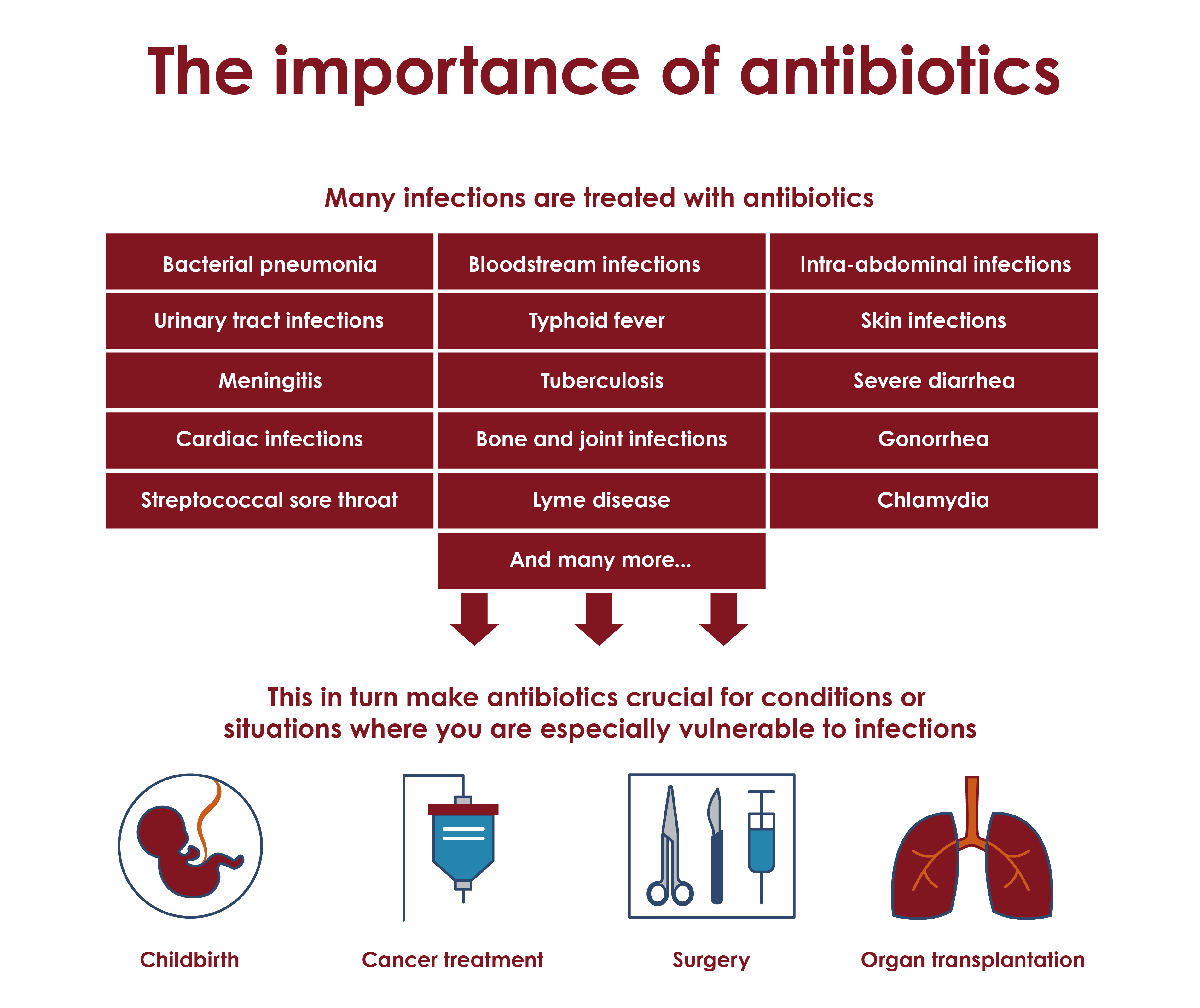
The implications of widespread antibiotic resistance are dire. Infections that were once easily treatable could become life-threatening. Common medical procedures like surgery, chemotherapy, and organ transplantation, which rely on antibiotics to prevent and treat infections, could become far riskier. We could, in essence, be facing a return to a pre-antibiotic era where a simple scratch or infection could prove fatal.
The World Health Organization (WHO) has declared antibiotic resistance one of the top 10 global public health threats facing humanity. The development of new antibiotics is slow and costly, and often, by the time a new drug is introduced, bacteria have already begun to develop resistance to it.
Antibiotics and Innovation: Parallels with Tech and Brand Building
While the immediate context of antibiotics is medical, the principles underlying their discovery, development, and the challenges they present offer fascinating parallels to the worlds of technology, brand strategy, and even personal finance.
Technological Innovation and the Drug Pipeline
The journey from identifying a potential antibiotic compound to bringing a life-saving drug to market is a complex and technology-intensive process. It involves:
-
Advanced Screening and Discovery: Identifying novel antibiotic compounds requires sophisticated high-throughput screening technologies that can test thousands of potential molecules against various bacteria. This is akin to the rapid iteration and experimentation seen in software development and AI model training.
-
Biotechnology and Manufacturing: Once a promising compound is found, scaling up production involves advanced fermentation processes, genetic engineering of microorganisms, and complex chemical synthesis. These are essentially bio-manufacturing technologies, mirroring the advancements in hardware production and miniaturization in the tech world.
-
Data Science and AI: In the modern era, artificial intelligence and machine learning are playing an increasing role in drug discovery. AI algorithms can analyze vast datasets of molecular structures and biological interactions to predict potential drug candidates, accelerating the discovery process. This mirrors the application of AI in predicting trends, optimizing software, and generating new content across various tech domains.
The challenge of antibiotic resistance also highlights the need for continuous innovation, much like how tech companies must constantly update their products and services to stay relevant. The “pipeline” for new antibiotics is often described as dry, a situation that requires a strategic re-evaluation of research and development investment, mirroring how companies in other sectors must pivot and innovate to address market shifts.
Branding and Reputation: Trust in a Pill
The “brand” of a specific antibiotic, or even the concept of antibiotics themselves, carries significant weight. When a doctor prescribes an antibiotic, there’s an implicit trust in its efficacy and safety. This trust is built on decades of scientific research, rigorous clinical trials, and regulatory oversight.
-
The “Brand Promise”: For antibiotics, the brand promise is clear: to kill harmful bacteria and alleviate illness. This promise is built on a foundation of scientific evidence and proven outcomes.
-
Reputation Management: The emergence of antibiotic resistance has tarnished the seemingly infallible reputation of antibiotics. A “resistant” bacterium represents a failure in the brand promise, leading to negative outcomes for patients and a loss of confidence in previously effective treatments. This is analogous to how a company’s reputation can be damaged by product failures, security breaches, or unethical practices.
-
Trust and Transparency: Just as consumers rely on trusted brands in the tech or consumer goods sectors, patients rely on the trusted brands of pharmaceutical companies and the scientific consensus behind antibiotic therapies. Transparency about usage, limitations, and the risks of resistance is crucial for maintaining this trust, mirroring the importance of clear communication and ethical practices in brand building.
Financial Considerations: Investment, Resource Allocation, and Value
The economic aspects of antibiotics are substantial, touching upon investment, resource allocation, and the perceived value of these life-saving tools.
-
Research and Development Investment: Developing new antibiotics is incredibly expensive and often has a low return on investment for pharmaceutical companies, especially when compared to drugs for chronic conditions that are taken for longer periods. This leads to a “market failure” where the incentive to innovate is diminished, a problem that requires innovative financial models and public-private partnerships to address.
-
Resource Allocation: Deciding where to allocate scarce resources – whether it’s research funding, healthcare budgets, or even individual patient prescriptions – is a complex financial decision. Prioritizing the development of new antibiotics, implementing effective stewardship programs, and investing in public health infrastructure to prevent infections are all critical financial considerations.
-
The “Value” of an Antibiotic: While a course of antibiotics might seem relatively inexpensive at the pharmacy, their true value is immeasurable when considering the lives they save, the suffering they prevent, and the economic productivity they enable by keeping people healthy. This concept of “value” extends beyond mere cost, much like how the value of a well-executed marketing campaign or a robust cybersecurity system far exceeds their initial outlay.

Conclusion: A Multifaceted Perspective on a Vital Tool
Antibiotics are far more than just pills in a bottle. They represent a pinnacle of scientific achievement, a testament to human perseverance in overcoming disease. Understanding their origins, their intricate mechanisms of action, and the escalating threat of resistance is crucial for safeguarding public health.
By examining antibiotics through the lenses of technology, brand, and money, we gain a richer appreciation for the multifaceted nature of this vital class of drugs. The principles of innovation, strategic planning, building trust, and responsible resource management that are so central to our modern world are all deeply intertwined with the past, present, and future of antibiotics. As we navigate the challenges of antibiotic resistance, it is this holistic understanding – one that embraces scientific rigor alongside technological advancement, ethical branding, and sound financial foresight – that will ultimately guide us towards a future where these life-saving medicines continue to serve humanity.
aViewFromTheCave is a participant in the Amazon Services LLC Associates Program, an affiliate advertising program designed to provide a means for sites to earn advertising fees by advertising and linking to Amazon.com. Amazon, the Amazon logo, AmazonSupply, and the AmazonSupply logo are trademarks of Amazon.com, Inc. or its affiliates. As an Amazon Associate we earn affiliate commissions from qualifying purchases.