
In our increasingly screen-centric world, where our eyes are constantly bombarded by digital displays, bright lights, and reflected glare, the pursuit of optical clarity has never been more critical. Whether you’re peering at your smartphone, working on a computer monitor, taking a photograph, or simply wearing eyeglasses, an invisible yet immensely powerful technology is often at play, silently enhancing your visual experience: the anti-reflective (AR) coating. Far more than a mere aesthetic enhancement, AR coating is a sophisticated marvel of material science and optical engineering, designed to combat the pervasive problem of light reflection.
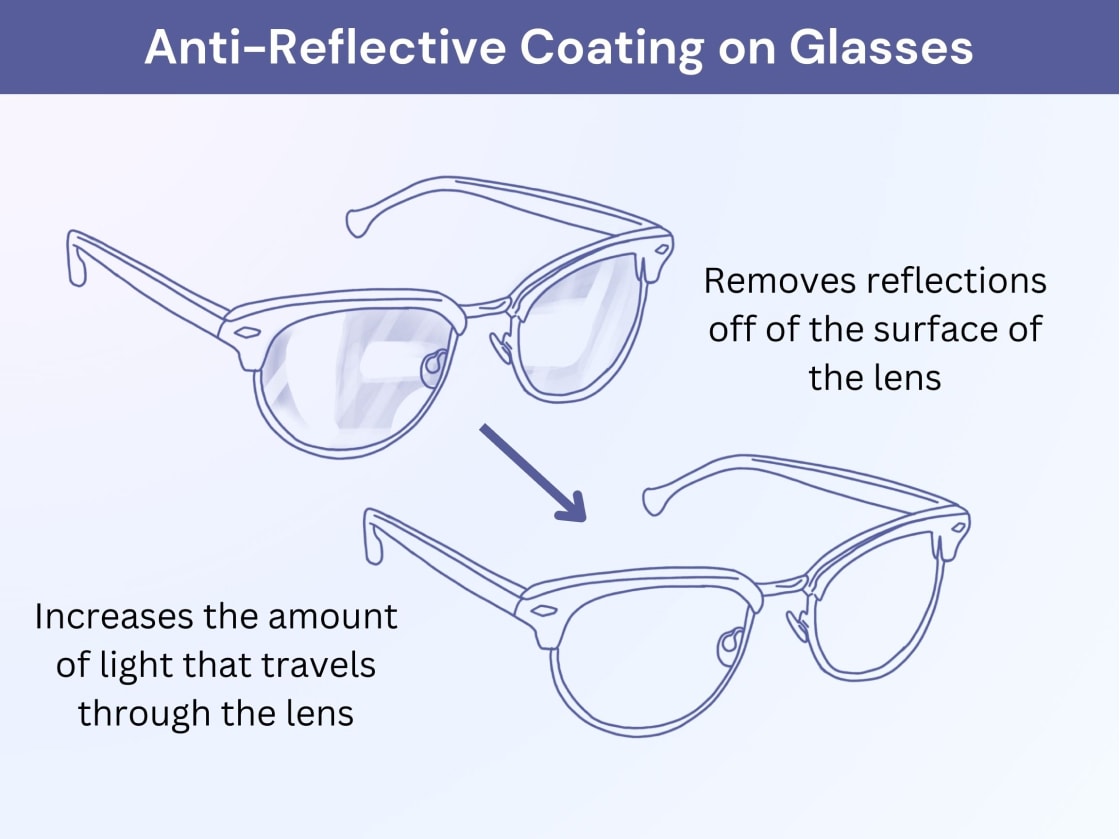
At its core, an anti-reflective coating is a microscopic layer, or series of layers, applied to a surface to reduce light reflection and increase light transmission. This seemingly simple function yields profound benefits, transforming everything from the readability of a tablet screen in direct sunlight to the crispness of a professional photograph. It’s a technology that underpins the performance of countless modern devices and optical instruments, yet its intricate workings often remain a mystery to the average user. This article will peel back the layers, revealing the science, benefits, applications, and future trajectory of anti-reflective coatings, firmly rooting our exploration within the expansive realm of technology.
The Science Behind Enhanced Clarity
To truly appreciate the value of anti-reflective coatings, one must first grasp the fundamental principles of light interaction with surfaces. When light encounters a boundary between two different media—such as air and glass—a portion of that light is reflected, and another portion is transmitted (or absorbed). It is the reflected light, often appearing as glare, that diminishes clarity and can cause visual discomfort.
Understanding Light Reflection and Transmission
Every surface, to some extent, reflects light. For uncoated glass, approximately 4% of incident light is reflected at each surface (front and back), meaning a standard lens can reflect up to 8% of the light that tries to pass through it. This reflected light is effectively “lost” to the viewer and creates distracting reflections, reducing contrast and making it harder to discern what lies beyond the surface. The goal of an AR coating is to minimize this reflection, thereby maximizing the amount of light that transmits through the surface, leading to brighter, clearer, and more vibrant visuals.
The Principle of Destructive Interference
The magic of anti-reflective coatings primarily lies in their exploitation of a phenomenon known as destructive interference. Imagine light as a wave. When two waves meet, they can either reinforce each other (constructive interference) or cancel each other out (destructive interference), depending on their phase relationship. An AR coating is precisely engineered with specific thickness and refractive index to create two reflected light waves: one from the top surface of the coating and one from the boundary between the coating and the substrate (e.g., glass).
These two reflected waves are designed to be exactly half a wavelength out of phase with each other. When they meet, their peaks align with troughs, effectively canceling each other out. This destructive interference dramatically reduces the amount of reflected light, leading to the characteristic faint purplish, greenish, or bluish hue often seen on coated lenses, which is the tiny fraction of light that doesn’t get canceled out.
Multilayered Precision Engineering
While a single-layer AR coating can provide a noticeable improvement by targeting a specific wavelength of light (typically in the middle of the visible spectrum), broadband AR coatings, which are prevalent in high-tech applications, employ multiple layers. Each layer is meticulously designed with a specific thickness and refractive index to interfere destructively with reflections across a wider range of the visible light spectrum. These layers are often incredibly thin, measured in nanometers, and deposited using advanced vacuum deposition techniques like physical vapor deposition (PVD) or plasma-enhanced chemical vapor deposition (PECVD). The complexity of these multi-layered systems allows for superior performance, achieving reflection reductions of less than 0.5% across the entire visible spectrum.
Key Benefits Across Digital and Optical Landscapes
The scientific elegance of AR coatings translates into a myriad of practical benefits that enhance user experience, improve performance, and protect delicate optical components in a diverse array of technological applications.
Sharper Visuals and Reduced Eye Strain
One of the most immediately noticeable benefits of AR coatings is the dramatic improvement in visual clarity. By eliminating disruptive reflections and increasing light transmission, objects viewed through or displayed on AR-coated surfaces appear sharper, with truer colors and enhanced contrast. For individuals who spend extended periods in front of screens or wear corrective lenses, this translates directly into reduced eye strain and fatigue. The eyes no longer have to work as hard to filter through glare, leading to a more comfortable and sustainable viewing experience.
Improved Display Readability
In the era of ubiquitous smartphones, tablets, and smartwatches, screen readability under various lighting conditions is paramount. AR coatings applied to the screens of these devices significantly improve their performance outdoors or in brightly lit environments. Reflections from sunlight or overhead lights are minimized, making it easier to view content, navigate interfaces, and consume media without constant repositioning or squinting. This technological enhancement is critical for the usability and practical appeal of portable electronics.
Enhanced Image Quality for Photography and Videography
For photographers and videographers, AR coatings are indispensable. Lenses used in cameras, camcorders, and even professional cinematic equipment are routinely multi-coated to prevent lens flare and ghosting. These artifacts, caused by internal reflections within the complex optical elements of a lens, can degrade image quality, reducing contrast and introducing unwanted bright spots. AR coatings ensure that more light reaches the sensor, resulting in clearer, higher-contrast images and videos with richer colors and fewer imperfections.
Durability and Surface Protection
Beyond optical performance, many modern AR coatings also incorporate additional functional layers that provide enhanced durability. These layers can make surfaces more resistant to scratches, smudges, and dirt. Hydrophobic (water-repelling) and oleophobic (oil-repelling) topcoats are commonly integrated into AR coatings for eyeglasses, smartphone screens, and camera lenses, making them easier to clean and helping to maintain optical clarity even in challenging conditions. This protective aspect extends the lifespan and maintains the aesthetic quality of high-tech devices.
Applications Beyond the Obvious
While eyeglasses and camera lenses are perhaps the most recognized applications, anti-reflective coatings have permeated virtually every sector of technology where optical clarity and light management are crucial.
Consumer Electronics: Smartphones, Tablets, Monitors, TVs
From the flagship smartphone in your pocket to the expansive 4K TV in your living room, AR coatings play a vital role. They improve the viewing experience by reducing glare, boosting contrast, and ensuring that the vibrant colors and sharp details of modern displays are seen as intended, regardless of ambient lighting. High-end monitors and virtual reality (VR) headsets also heavily rely on sophisticated AR coatings to immerse users without visual distractions.

Eyewear: Corrective Lenses and Sunglasses
A cornerstone application, AR coatings for eyeglasses have become a standard feature for enhancing visual comfort and aesthetics. They eliminate the distracting reflections on the lens surface that obscure the wearer’s eyes, making eye contact easier and reducing the “headlight effect” at night. For sunglasses, AR coatings on the back surface are particularly useful, preventing reflections from behind the wearer from bouncing off the lens into the eye.
Professional Optics: Cameras, Microscopes, Telescopes
In professional and scientific instruments, the precision offered by AR coatings is non-negotiable. Camera lenses, as discussed, benefit immensely. Microscopes and telescopes, which magnify distant or microscopic objects, require maximum light transmission and minimal internal reflections to deliver clear, high-resolution images, especially when observing faint or intricate details. Surveying equipment, medical endoscopes, and laser systems also incorporate AR coatings to ensure optimal performance.
Automotive and Aerospace Displays
Modern vehicles are increasingly equipped with sophisticated digital dashboards, infotainment systems, and heads-up displays (HUDs). AR coatings are essential here to ensure critical information remains readable under varying light conditions, from bright sunshine to nighttime driving, without distracting reflections. Similarly, in cockpits of aircraft, AR coatings on instruments and windshields enhance pilot visibility and reduce glare, contributing significantly to safety.
Solar Panels: Maximizing Energy Capture
Even in renewable energy, AR technology plays a crucial role. Solar panels utilize AR coatings to minimize the reflection of sunlight off their surface, allowing more photons to penetrate the photovoltaic cells. This directly increases the efficiency of energy conversion, meaning more electricity can be generated from the same amount of sunlight, making solar energy more cost-effective and productive.
Types of Anti-Reflective Coatings and Their Evolution
The journey of AR coatings began with relatively simple designs and has evolved into a highly specialized field, continually pushing the boundaries of material science and nanotechnology.
Single-Layer vs. Multi-Layer Coatings
The earliest AR coatings typically consisted of a single layer of material, such as magnesium fluoride (MgF2). While effective at reducing reflections for a specific range of wavelengths, their performance across the entire visible spectrum was limited. The advent of multi-layer coatings revolutionized the field. By stacking multiple layers of different materials, each with unique refractive indices and thicknesses, engineers can achieve significantly broader and more effective reflection reduction, tuning the coating to target specific applications or light conditions.
Material Science: From Magnesium Fluoride to Nanotechnology
The materials used in AR coatings have expanded far beyond simple compounds. Modern coatings often incorporate complex oxides like silicon dioxide (SiO2), titanium dioxide (TiO2), zirconium dioxide (ZrO2), and tantalum pentoxide (Ta2O5). These materials are chosen for their specific refractive indices, durability, and compatibility. Furthermore, advancements in nanotechnology have led to the development of “moth-eye” structures—sub-wavelength surface textures that mimic the natural anti-reflective properties of a moth’s eye. These nanostructures create a gradient refractive index, effectively eliminating reflections over a broad spectrum without requiring traditional stacked layers, offering a promising avenue for future ultra-durable and high-performance coatings.
Hydrophobic and Oleophobic Advancements
The integration of hydrophobic and oleophobic properties has become a standard feature in high-quality AR coatings. These advancements are critical for maintaining the cleanliness and performance of optical surfaces in daily use. By making surfaces highly repellent to water (hydrophobic) and oils/fingerprints (oleophobic), these coatings ensure that smudges are less likely to adhere and are much easier to wipe away, preserving clarity and reducing maintenance efforts, particularly for touchscreens and eyeglasses.
Self-Healing and Future Innovations
The quest for even more durable and maintenance-free coatings continues. Researchers are exploring self-healing polymers and composite materials that can automatically repair minor scratches and abrasions, further extending the lifespan of optical components. Other innovations include coatings that actively manage heat, conduct electricity, or even change their optical properties in response to external stimuli, opening up possibilities for smart windows, adaptive displays, and advanced sensor technologies.
Maintaining Your AR-Coated Devices
While anti-reflective coatings significantly enhance durability and ease of cleaning, they still require proper care to maintain their integrity and performance over time.
Best Practices for Cleaning
Always use a clean, soft microfiber cloth specifically designed for optics. For stubborn smudges, a small amount of lens cleaning solution designed for coated lenses or a diluted solution of mild soap and water can be applied to the cloth (not directly to the lens/screen). Gently wipe in small circular motions. Avoid using paper towels, facial tissues, or rough fabrics, as these can scratch the delicate coating.
Avoiding Abrasive Materials
Chemicals like window cleaner, ammonia-based solutions, or harsh solvents should be strictly avoided, as they can degrade or strip away the AR coating. Similarly, abrasive materials, sharp objects, or excessive force when cleaning can cause permanent damage to the coating layers. Always store AR-coated items in protective cases when not in use to prevent incidental scratches.

Understanding Coating Lifespan and Degradation
No coating lasts forever. Over time, through normal wear and tear, exposure to harsh environments, or improper cleaning, AR coatings can degrade. This might manifest as tiny hairline scratches, delamination (the coating peeling), or a general haziness. While high-quality coatings are designed for longevity, understanding their limitations and adhering to maintenance best practices will maximize their effective lifespan, ensuring your technological investments continue to deliver optimal visual performance.
In conclusion, anti-reflective coating is a testament to human ingenuity in addressing practical challenges through advanced technology. From enhancing the clarity of our everyday screens and eyewear to optimizing the efficiency of solar panels and the precision of scientific instruments, AR technology is an invisible force that significantly elevates our interaction with the digital and physical world. As material science continues to evolve, we can expect even more sophisticated, durable, and functional AR solutions that will continue to shape the future of optical technology.
aViewFromTheCave is a participant in the Amazon Services LLC Associates Program, an affiliate advertising program designed to provide a means for sites to earn advertising fees by advertising and linking to Amazon.com. Amazon, the Amazon logo, AmazonSupply, and the AmazonSupply logo are trademarks of Amazon.com, Inc. or its affiliates. As an Amazon Associate we earn affiliate commissions from qualifying purchases.