
The quest for enhanced mobility and improved quality of life often leads us to innovative solutions. Among these, the Ankle Foot Orthosis (AFO) stands out as a critical piece of assistive technology. But what exactly is an AFO, and how does it intersect with the dynamic worlds of technology, branding, and finance that shape our modern existence? This article will delve into the multifaceted nature of AFOs, exploring their fundamental purpose, the technological advancements driving their evolution, the strategic branding efforts that bring them to market, and the financial considerations surrounding their accessibility and impact.
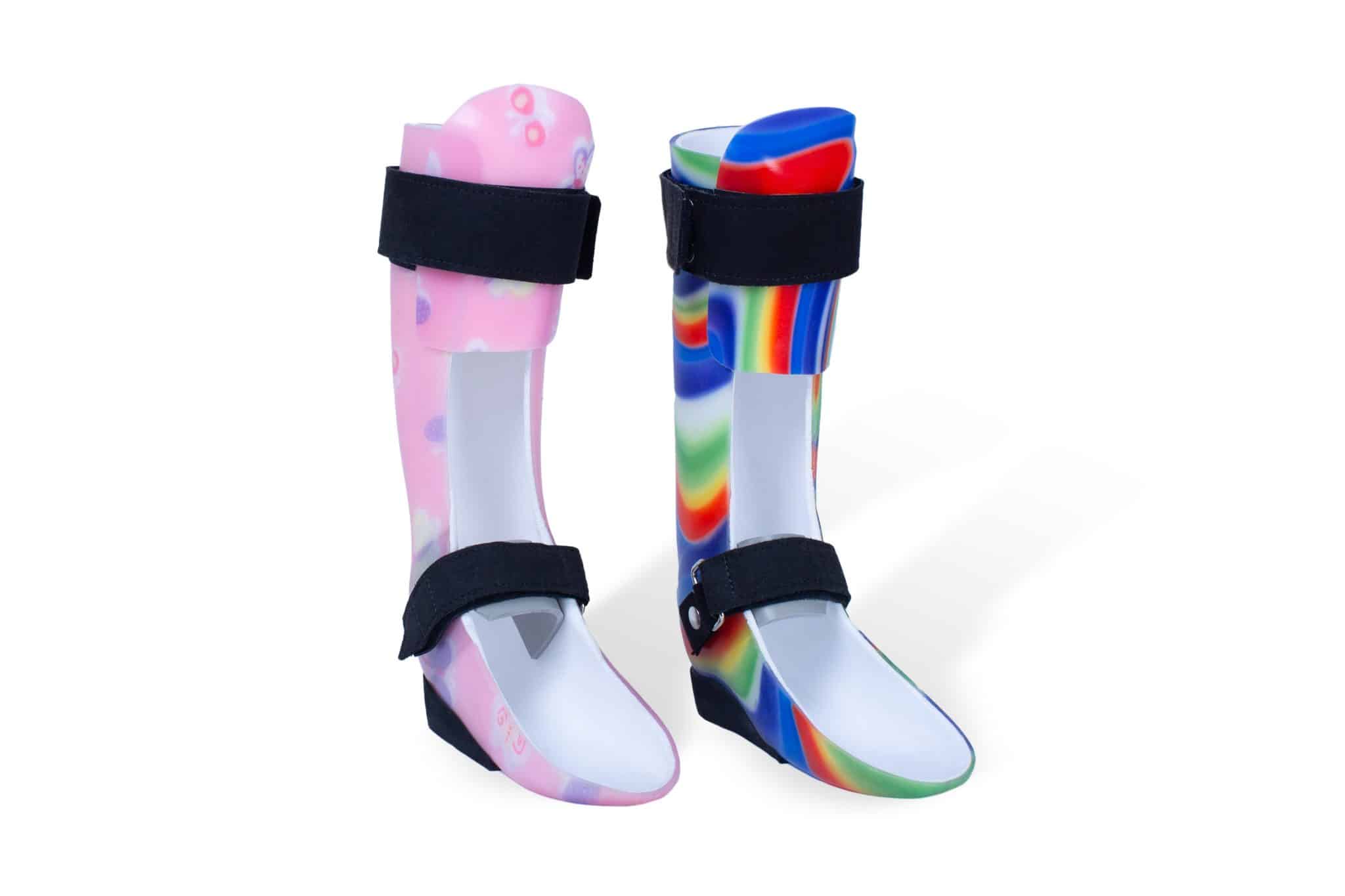
Understanding the Core: What is an Ankle Foot Orthosis?
At its most fundamental level, an Ankle Foot Orthosis (AFO) is an external brace designed to support, align, or correct the function of the ankle and foot. It is a type of orthosis, a medical device that is worn to correct, support, or protect a part of the body. AFOs are typically custom-made or pre-fabricated and are prescribed by healthcare professionals, such as orthopedic surgeons, physiatrists, neurologists, and certified orthotists, to address a wide range of conditions affecting gait, stability, and limb function.
The primary goals of an AFO can be categorized as follows:
- Support and Stability: For individuals experiencing weakness or paralysis in the muscles that control the ankle and foot, an AFO provides crucial support to prevent the foot from dropping (foot drop), which can lead to tripping and instability during walking. It helps maintain a more neutral foot position, improving balance and reducing the risk of falls.
- Alignment and Correction: AFOs can be designed to correct or manage deformities of the foot and ankle, such as clubfoot or valgus/varus deformities. By applying controlled forces, they can gradually realign the affected structures or prevent further progression of the deformity.
- Range of Motion Control: In certain cases, an AFO can be used to limit or facilitate specific movements of the ankle. For instance, it might prevent excessive dorsiflexion (pointing the foot upwards) or plantarflexion (pointing the foot downwards), depending on the therapeutic need.
- Pain Reduction: By improving biomechanical alignment and reducing stress on joints and soft tissues, AFOs can significantly alleviate pain associated with conditions like arthritis, plantar fasciitis, or post-injury complications.
- Gait Training and Rehabilitation: AFOs play a vital role in rehabilitation programs following stroke, spinal cord injury, traumatic brain injury, or surgery. They assist in retraining proper gait patterns and restoring functional mobility.
The design and materials of an AFO vary greatly depending on the individual’s specific needs and the underlying condition. Common materials include rigid plastics like polypropylene or polyethylene, thermoplastics, carbon fiber composites, and sometimes metal components. The presence of straps, hinges, and padding further customizes the brace for optimal comfort and effectiveness.
The Technological Evolution of Mobility: Innovations in AFO Design and Function
The evolution of Ankle Foot Orthoses is deeply intertwined with advancements in technology. From rudimentary wooden braces to sophisticated, lightweight, and smart devices, technological progress has dramatically improved the efficacy, comfort, and user experience of AFOs. This is where the Tech pillar of our website comes into play, highlighting how innovation is transforming this critical assistive device.
Smart Materials and Advanced Manufacturing
One of the most significant technological shifts in AFO development has been the adoption of new materials and manufacturing processes.
- Carbon Fiber Composites: These lightweight yet incredibly strong materials offer superior durability and flexibility compared to traditional plastics. They allow for thinner, more aesthetically pleasing designs that can provide robust support without excessive bulk, making them ideal for active individuals.
- 3D Printing (Additive Manufacturing): This revolutionary technology is transforming the customisation of AFOs. 3D printing allows for the creation of patient-specific designs with unparalleled precision, capturing intricate anatomical details for a perfect fit. This not only enhances comfort but also improves the biomechanical effectiveness of the orthosis. Furthermore, it reduces material waste and can expedite the manufacturing process, making custom solutions more accessible. The ability to iterate designs quickly and test different functionalities is also a major advantage.
- Advanced Plastics and Thermoplastics: Ongoing research into polymers has led to the development of materials that are lighter, more durable, and offer better energy return, contributing to a more natural gait.
Integrated Sensors and Data Analytics
The advent of the “Internet of Things” (IoT) and miniaturized sensor technology has opened new frontiers for AFOs, moving them beyond passive support to active, data-driven devices.
- Gait Analysis Sensors: Tiny, embedded sensors can now monitor various aspects of a user’s gait, including stride length, foot pressure distribution, walking speed, and joint angles. This data provides invaluable insights for clinicians to track progress, fine-tune AFO settings, and identify potential issues before they become problematic.
- Biofeedback Systems: Some advanced AFOs can provide real-time feedback to the user or their therapist. This can be in the form of haptic (vibrational) cues or visual displays through connected apps, guiding the user towards a more efficient and safe gait pattern.
- AI-Powered Customization: Artificial intelligence (AI) algorithms are beginning to be utilized to analyze the vast amounts of data collected from AFO sensors. AI can help predict optimal AFO configurations for specific individuals, adapt the brace’s support in real-time based on activity levels, and even identify early signs of complications.
- Connectivity and Remote Monitoring: Many smart AFOs can connect wirelessly to smartphones or other devices, allowing for remote monitoring by healthcare providers. This is particularly beneficial for individuals living in rural areas or those who have difficulty attending frequent in-person appointments.
Biomechanical Engineering and Design Optimization
Beyond materials and sensors, sophisticated biomechanical engineering principles are continuously refining AFO design.
- Dynamic AFOs: These orthoses are designed to allow for more natural ankle movement during different phases of the gait cycle. They often incorporate advanced hinge mechanisms and flexible materials to provide support when needed but permit necessary motion, promoting muscle activation and reducing energy expenditure.
- Robotic and Exoskeletal Integration: While not strictly traditional AFOs, the principles of robotics and exoskeletons are influencing the development of next-generation assistive devices. These more complex systems can offer powered assistance for limb movement, representing the cutting edge of assistive technology.
The ongoing technological evolution ensures that AFOs are not static devices but dynamic tools that adapt and evolve with the user and with advancements in medical science and engineering.
The Art and Science of Perception: Branding Ankle Foot Orthoses for Trust and Adoption
In the competitive landscape of medical devices, the Brand surrounding an Ankle Foot Orthosis is as crucial as its technical efficacy. A strong brand builds trust, conveys credibility, and influences patient and clinician adoption. It’s about more than just a logo; it’s about the entire perception of quality, innovation, and patient care.

Building Trust and Credibility in Healthcare
The healthcare industry, by its very nature, demands a high level of trust. When a patient is prescribed an AFO, they are entrusting their mobility and well-being to a device. Therefore, the branding of AFOs must consistently communicate:
- Medical Expertise: Brands that highlight their research and development, collaborations with leading clinicians, and adherence to rigorous medical standards project an image of authority and scientific backing.
- Patient-Centricity: Successful brands focus on the patient experience. This includes showcasing testimonials from satisfied users, emphasizing comfort and ease of use, and demonstrating a commitment to understanding and addressing individual needs.
- Reliability and Durability: Given the critical nature of AFOs, brands must convey that their products are built to last and perform consistently under various conditions. Warranties, repair services, and clear usage instructions contribute to this perception.
- Ethical Practices: Transparency in manufacturing, clear pricing, and honest marketing are vital for building long-term trust within the medical community and with patients.
Differentiating Through Innovation and Design
In a market where many AFOs serve similar functional purposes, branding can be a powerful differentiator.
- Highlighting Technological Advantages: Brands that leverage advanced materials, AI integration, or unique biomechanical designs can position themselves as innovators. Marketing materials should clearly articulate these technological benefits in accessible language, explaining how they translate into better patient outcomes.
- Aesthetic Appeal and Discretion: Historically, braces have sometimes carried a stigma. Modern branding efforts focus on making AFOs more aesthetically pleasing and less conspicuous. This might involve offering a range of colors, sleek designs, and emphasizing the discreet nature of advanced composite materials. The brand message can be about empowerment and restoring normalcy, rather than highlighting a disability.
- Personalized Branding: In an era of mass customization, brands that offer highly personalized solutions, whether through bespoke design or adaptable features, can create a unique selling proposition. This aligns with the growing consumer desire for tailored experiences.
Strategic Marketing and Communication Channels
Effective branding requires strategic deployment across various channels.
- Professional Outreach: Building strong relationships with orthopedic specialists, physical therapists, and orthotists is paramount. This involves direct sales teams, participation in medical conferences, and providing educational resources for healthcare professionals.
- Patient Education and Empowerment: Websites, social media, and patient advocacy groups are crucial for reaching end-users. Content should be informative, empathetic, and empowering, explaining the benefits of AFOs, how they work, and what to expect.
- Case Studies and Success Stories: Real-world examples of how AFOs have positively impacted individuals’ lives are incredibly persuasive. These narratives, often featured on brand websites and marketing collateral, humanize the technology and build emotional connection.
- Digital Marketing and SEO: For broader reach, effective digital marketing strategies are essential. This includes optimizing websites for search engines (SEO) so individuals searching for “ankle support brace” or “foot drop solution” can find relevant brands. Targeted online advertising can also be employed.
Ultimately, the branding of Ankle Foot Orthoses is about creating a narrative of hope, progress, and enhanced quality of life. It’s about convincing both healthcare providers and patients that the chosen AFO is not just a medical device, but a partner in achieving greater independence and well-being.
The Financial Landscape of Mobility: Accessibility, Investment, and Economic Impact of AFOs
The practical realities of accessing and utilizing Ankle Foot Orthoses are intrinsically linked to the Money aspect. From the cost of the devices themselves to the economic impact they have on individuals and society, financial considerations play a pivotal role.
Cost and Insurance Coverage: The Barrier to Access
One of the most significant financial hurdles for individuals needing an AFO is its cost. Custom-made orthoses, which offer the best fit and efficacy, can be expensive.
- Insurance Reimbursement: The extent to which AFOs are covered by health insurance varies significantly by country and specific insurance plan. In many regions, AFOs are considered medically necessary and are covered by public health systems or private insurance, often requiring a prescription and pre-authorization. However, co-pays, deductibles, and coverage limitations can still present financial challenges.
- Out-of-Pocket Expenses: For individuals without adequate insurance or for specific types of AFOs not fully covered, out-of-pocket expenses can be substantial. This can lead to delayed or forgone treatment, negatively impacting mobility and overall health.
- The Role of Financial Tools and Programs: To address these challenges, various financial tools and programs exist. These can include payment plans offered by manufacturers or durable medical equipment (DME) providers, charitable foundations that offer grants for assistive devices, and government assistance programs for individuals with disabilities.
Investment in Technology and Research
The development and improvement of AFOs represent a significant investment within the medical technology sector.
- Research and Development (R&D): Companies that manufacture AFOs invest heavily in R&D to develop new materials, integrate advanced technologies, and improve biomechanical designs. This investment is driven by the potential for market growth and the desire to provide superior solutions.
- Startup Innovation: The accessibility of 3D printing and advancements in sensor technology have lowered barriers to entry for innovative startups aiming to disrupt the traditional AFO market with novel solutions, often focusing on specialized applications or more affordable alternatives.
- Venture Capital and Investment: The growing market for assistive technologies, including AFOs, attracts venture capital and private equity investment. These investments fuel innovation, scale production, and bring new products to market.

Economic Impact: Enabling Productivity and Reducing Healthcare Burden
The economic implications of accessible and effective AFOs extend far beyond the direct cost of the devices.
- Restoring Workforce Participation: For individuals whose mobility is impaired, AFOs can be instrumental in enabling them to return to or remain in the workforce. Increased productivity and sustained employment contribute to economic growth and reduce reliance on social welfare programs.
- Reducing Secondary Healthcare Costs: By preventing falls, managing deformities, and improving overall gait, AFOs can significantly reduce the incidence of secondary injuries and complications. This leads to fewer doctor visits, hospitalizations, and rehabilitation expenses, thereby lowering the overall burden on healthcare systems.
- Enhancing Quality of Life and Social Participation: While difficult to quantify directly in monetary terms, the ability to move independently and engage in daily activities has profound economic and social benefits. It allows individuals to participate more fully in their communities, contributing to social cohesion and individual well-being.
- The Market for AFOs: The global market for orthotics and prosthetics, including AFOs, is substantial and projected to grow. This market growth reflects an increasing aging population, a rise in chronic conditions affecting mobility, and greater awareness and adoption of assistive technologies.
Navigating the financial landscape of AFOs requires a multi-pronged approach involving insurance reform, innovative pricing models, continued investment in R&D, and robust patient support programs. The ultimate goal is to ensure that these vital mobility solutions are accessible to all who can benefit from them, fostering independence, economic participation, and a higher quality of life.
aViewFromTheCave is a participant in the Amazon Services LLC Associates Program, an affiliate advertising program designed to provide a means for sites to earn advertising fees by advertising and linking to Amazon.com. Amazon, the Amazon logo, AmazonSupply, and the AmazonSupply logo are trademarks of Amazon.com, Inc. or its affiliates. As an Amazon Associate we earn affiliate commissions from qualifying purchases.