
In the rapidly evolving landscape of healthcare technology, the intersection of data science and neonatal medicine has opened new frontiers for understanding complex congenital conditions. Among the most challenging of these is anencephaly—a severe neural tube defect (NTD) occurring early in fetal development where the brain and skull do not form completely. While the condition remains a profound medical reality, the “Tech” sector has stepped in to transform how we identify, analyze, and manage the data surrounding such diagnoses. Through the lens of Artificial Intelligence (AI), high-resolution imaging, and genomic sequencing software, the medical community is moving toward a future of precision diagnostics that was previously unimaginable.

The Role of Advanced Imaging and AI in Early Detection
The first line of defense in modern prenatal care is imaging technology. Historically, identifying anencephaly relied on the subjective interpretation of 2D ultrasound images by a sonographer. However, the integration of AI-driven software and 3D/4D volumetric rendering has revolutionized this process, turning a visual assessment into a data-driven science.
AI-Enhanced Ultrasound Algorithms
Today’s high-end ultrasound machines are no longer just cameras; they are sophisticated edge-computing devices. Modern software suites utilize deep learning algorithms trained on millions of prenatal scans to identify anatomical deviations in real-time. When scanning for neural tube defects like anencephaly, these algorithms can flag “areas of interest” to the technician, such as the absence of the calvarium (the top of the skull). By reducing human error and providing automated measurements, AI ensures that diagnostic accuracy is maintained across various healthcare settings, regardless of the operator’s experience level.
Computer Vision in Fetal Anatomy Mapping
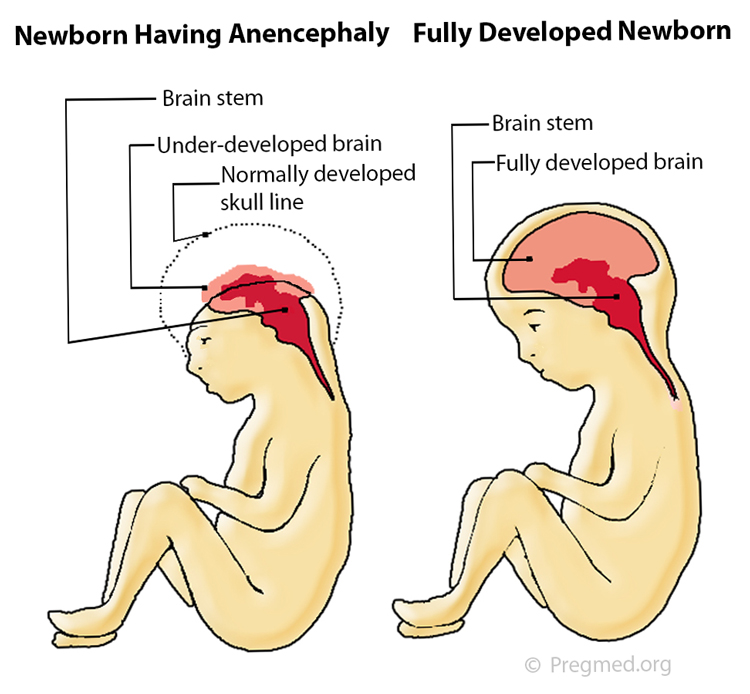
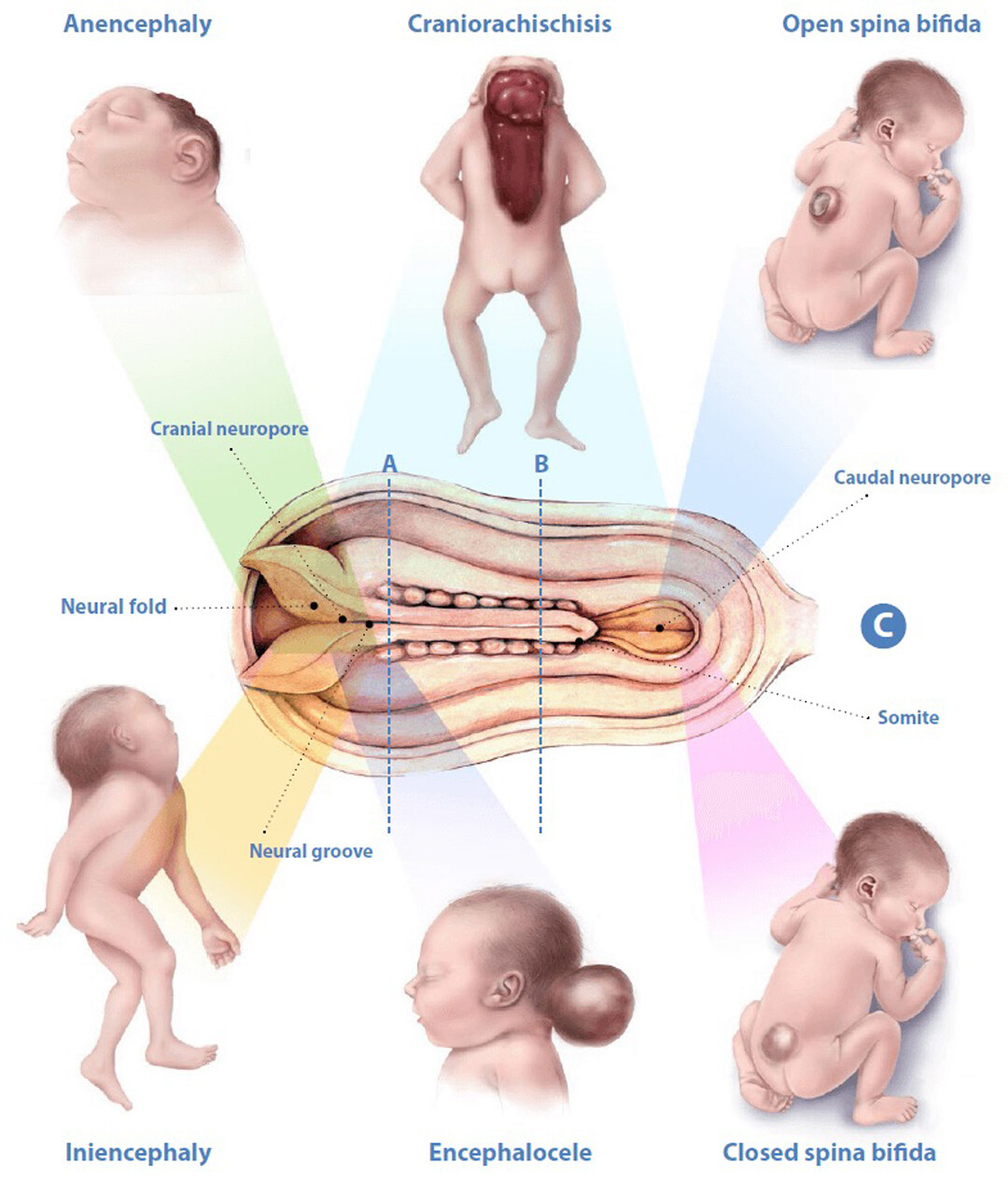
Computer vision—a subfield of AI—allows software to reconstruct a fetus’s anatomical structure with surgical precision. In the case of anencephaly, where the cephalic end of the neural tube fails to close, computer vision tools can map the specific volume of brain tissue present (or missing). This tech provides a quantitative analysis of the defect, allowing specialists to differentiate between various types of NTDs, such as exencephaly or encephalocele. This level of digital granularity is essential for providing parents and medical teams with the most accurate prognosis possible.
Genetic Sequencing and the Big Data Revolution in Neonatology
While imaging tells us what is happening, the “Why” is often hidden within the genetic code. The tech industry has provided the medical field with powerful bioinformatics tools and Next-Generation Sequencing (NGS) platforms to decode the complex triggers behind conditions like anencephaly.
Bioinformatics Platforms for Genomic Profiling
Understanding anencephaly requires processing massive datasets involving maternal nutrition (folate metabolism), environmental factors, and genetic markers. Bioinformatics platforms—software designed to analyze biological data—allow researchers to run large-scale association studies. These tools can sift through terabytes of genomic data to find correlations between specific gene mutations (such as those in the MTHFR gene) and the incidence of neural tube defects. By centralizing this data in the cloud, researchers worldwide can collaborate on finding preventative technological interventions.
CRISPR and Computational Modeling in Research
While still in the research phase for many human applications, CRISPR-Cas9 and other gene-editing technologies rely heavily on software for “guide RNA” design and off-target effect prediction. In the study of anencephaly, computational modeling allows scientists to simulate how specific genetic alterations affect the closure of the neural tube in embryonic models. These digital simulations save years of manual laboratory work and provide a blueprint for potential future therapies or more targeted nutritional supplementation strategies based on an individual’s genetic profile.
Telehealth and Digital Ecosystems for Collaborative Care
A diagnosis of anencephaly often requires a multidisciplinary team, including perinatologists, genetic counselors, and ethics boards. The rise of digital health platforms and specialized “Software as a Service” (SaaS) for hospitals has streamlined this collaborative effort, ensuring that geographical barriers do not hinder specialized care.
Digital Health Platforms for Specialized Consultations
Cloud-based Diagnostic Imaging (DICOM) viewers now allow for the instant sharing of high-resolution prenatal scans across the globe. If a local clinic identifies a potential case of anencephaly, the digital files can be uploaded to a secure server for review by the world’s leading experts in fetal anomalies. These platforms integrate video conferencing, encrypted messaging, and collaborative annotation tools, allowing a global team of doctors to reach a consensus diagnosis within hours rather than weeks.
Wearable Tech and Maternal Data Integration
The “Internet of Medical Things” (IoMT) is also playing a role in the broader context of maternal health. Wearable devices that track maternal vital signs, nutrition, and environmental exposures provide a stream of “passive data.” When integrated into a digital health record, this data can help researchers understand the environmental triggers of anencephaly. For instance, software can correlate spikes in local ambient temperature or the presence of certain pollutants with the incidence of NTDs in a specific region, providing a tech-driven approach to public health surveillance.
Digital Security and Ethics in Sensitive Diagnostics
As we rely more on AI and cloud computing to manage sensitive medical data like prenatal diagnoses, the focus on digital security and ethical technology becomes paramount. Managing the data surrounding a condition as sensitive as anencephaly requires the highest standards of cybersecurity and algorithmic transparency.
Data Privacy in Sensitive Medical Records
Medical data is among the most valuable targets for cybercriminals. Ensuring the privacy of a family dealing with a difficult diagnosis requires robust encryption protocols and “Zero Trust” architecture within hospital networks. Advanced digital security tools, such as blockchain for medical records, are being explored to ensure that a patient’s diagnostic history is immutable, secure, and accessible only to authorized personnel. This protects the dignity and privacy of families during a vulnerable time.
Addressing Algorithmic Bias in Diagnostic Software
A significant challenge in the Tech niche is ensuring that AI diagnostic tools are effective across all demographics. If an AI is trained primarily on data from one ethnic group, its ability to detect anencephaly in other populations might be compromised. Developers are now utilizing “synthetic data” and diverse datasets to train more inclusive models. This ensures that the technological benefits of early detection are available to everyone, regardless of their background, and that the software provides equitable diagnostic accuracy globally.
The Future of MedTech and Congenital Health
The convergence of AI, big data, and high-speed digital networks is fundamentally changing our relationship with medical conditions like anencephaly. We are moving away from a period of reactive medicine into an era of proactive, tech-augmented healthcare.
In the coming decade, we can expect to see the “Digital Twin” concept applied to prenatal care. A digital twin is a virtual model of a physical object—in this case, a developing fetus. By feeding real-time ultrasound data and maternal genetic info into a digital twin model, doctors could potentially predict developmental trajectories and identify the earliest markers of neural tube failure before they are even visible on a standard scan.
Furthermore, as 5G and eventually 6G networks become standard, the “Remote Surgery” and “Remote Diagnostic” capabilities will expand. A specialist in Tokyo could theoretically assist in a high-level diagnostic procedure in a rural village using low-latency haptic feedback tools and AR (Augmented Reality) overlays.
The story of anencephaly in the tech world is not just about a diagnosis; it is about the relentless pursuit of clarity through code, hardware, and data. By leveraging these advanced tools, the tech industry is providing the medical community with the power to understand the most complex biological puzzles, offering a future where data serves as a bridge to better care, deeper understanding, and eventually, more effective prevention.
While the human element of healthcare remains irreplaceable, the “Tech” sector provides the infrastructure of hope. Through better software, more secure data, and more intelligent machines, we are unraveling the mysteries of fetal development, one byte at a time. The evolution of our tools reflects our commitment to understanding every facet of human biology, ensuring that even the most difficult medical realities are met with the full force of human innovation.
aViewFromTheCave is a participant in the Amazon Services LLC Associates Program, an affiliate advertising program designed to provide a means for sites to earn advertising fees by advertising and linking to Amazon.com. Amazon, the Amazon logo, AmazonSupply, and the AmazonSupply logo are trademarks of Amazon.com, Inc. or its affiliates. As an Amazon Associate we earn affiliate commissions from qualifying purchases.