
The culinary world is a vast and exciting landscape, constantly offering new flavors and ingredients to explore. Among the many spices that add depth and character to dishes, ancho chili powder stands out as a versatile and indispensable component for many home cooks and professional chefs alike. Its rich, smoky, and slightly sweet profile makes it a secret weapon for elevating everything from hearty stews to delicate marinades. But what exactly is ancho powder, and where does its distinctive flavor come from?
This exploration will delve into the origins and characteristics of ancho powder, its culinary applications, and how it fits into the broader spectrum of chili-based ingredients. While often associated with Mexican cuisine, its influence extends far beyond, making it a global pantry staple.

The Anatomy of Ancho: From Fresh Pepper to Flavorful Powder
The journey of ancho powder begins with a specific type of chili pepper: the poblano. Understanding this origin is key to appreciating the powder’s unique attributes.
The Poblano Pepper: A Mild Giant
The poblano pepper is a large, heart-shaped chili that originates from Puebla, Mexico. Unlike some of its spicier cousins, the poblano is generally mild, typically scoring between 1,000 and 2,000 on the Scoville heat unit (SHU) scale. This makes it accessible to a wide range of palates, allowing its other flavor notes to shine without overwhelming the senses with intense heat. Fresh poblanos are dark green and can be quite substantial in size, often used in dishes like chile rellenos.
The Transformation: Drying and Roasting
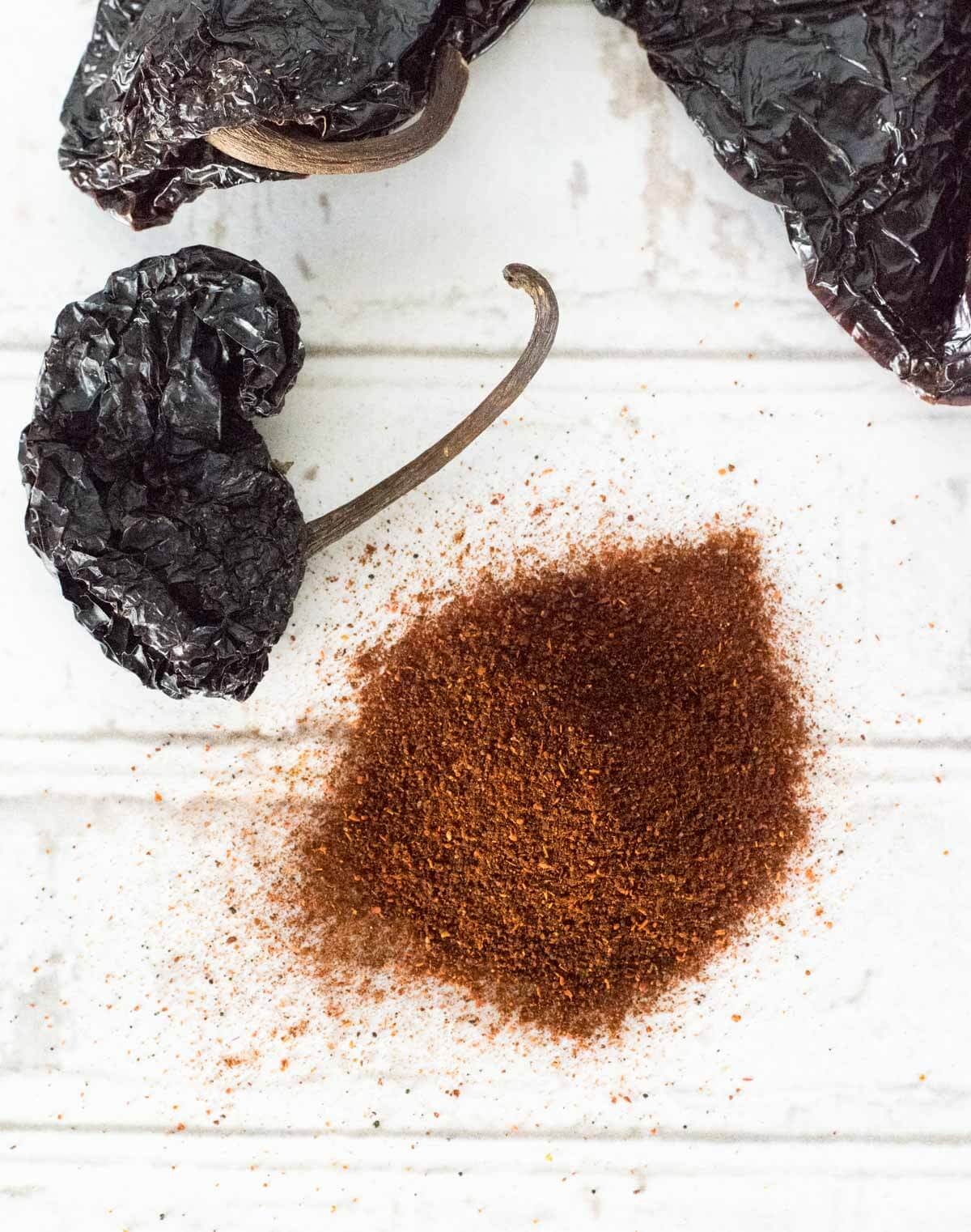
The magic of ancho powder lies in the transformation of the poblano pepper. The process involves drying the mature poblano peppers. This drying stage is crucial, as it concentrates the pepper’s inherent flavors and sugars. As the poblano dries, it undergoes a significant color change, transitioning from a deep green to a dark, reddish-brown. It also shrinks and becomes leathery.
Following the drying process, the peppers are typically roasted. This roasting step is what imbues the ancho powder with its signature smoky and slightly sweet notes. The heat develops complex aromas and flavors, deepening the pepper’s natural sweetness and introducing a subtle earthiness. This roasted, dried poblano is then ground into the fine powder we recognize as ancho. The quality of the drying and roasting process directly impacts the final flavor profile of the ancho powder, with artisanal producers often taking great care to achieve optimal results.
Flavor Profile: A Symphony of Sweetness, Smoke, and Subtle Heat
The appeal of ancho powder lies in its nuanced flavor profile, which offers a delightful balance of several key characteristics. It’s not just about heat; it’s about a complex interplay of tastes that can transform ordinary dishes into culinary masterpieces.
Sweetness and Earthiness: The Foundation
One of the most prominent characteristics of ancho powder is its inherent sweetness. This isn’t a sugary sweetness, but rather a deep, natural sweetness that emerges from the dried and roasted poblano pepper. It’s reminiscent of dried fruits, with hints of raisin or prune, contributing a pleasant background note that rounds out the overall flavor. Alongside this sweetness, there’s a distinct earthiness, a grounding quality that speaks to the pepper’s agricultural origins. This earthiness can manifest as notes of chocolate, coffee, or even a subtle tobacco-like undertone, adding layers of complexity.
Smoky Undertones: The Roasting’s Signature
The roasting process is instrumental in developing the characteristic smoky flavor of ancho powder. This smokiness isn’t overpowering or acrid; instead, it’s a gentle, alluring aroma that adds depth and sophistication. It evokes images of open-fire cooking and imparts a sense of rustic authenticity to dishes. This smoky quality makes ancho powder an excellent choice for recipes where a grilled or barbecued flavor is desired, without the need for actual grilling.
Mild Heat: A Gentle Embrace
While chilies are often associated with fiery heat, ancho powder offers a relatively mild warmth. With its Scoville rating typically between 1,000 and 2,000 SHU, it provides a gentle tingle rather than a scorching sensation. This mildness is a significant advantage, allowing its other complex flavors to be appreciated without being masked by excessive spice. It acts as a flavor enhancer, adding a subtle kick that awakens the palate and complements other ingredients, rather than dominating them. This makes it a versatile choice for a wide range of recipes, including those where children or individuals with lower spice tolerance are present.
Culinary Applications: A Versatile Ingredient for Diverse Dishes
The appealing flavor profile of ancho powder translates into a wide array of culinary applications. Its ability to add depth, sweetness, smokiness, and a touch of heat makes it a staple in various cuisines and for a multitude of dishes.
Marinades and Rubs: Infusing Flavor
Ancho powder is an exceptional ingredient for marinades and rubs, particularly for meats such as beef, pork, and chicken. When incorporated into a rub, it forms a flavorful crust during cooking, infusing the meat with its characteristic smoky sweetness. In marinades, it contributes to a complex flavor base that tenderizes the meat and adds a nuanced depth that simple salt and pepper cannot achieve. It pairs wonderfully with other spices like cumin, garlic powder, onion powder, and oregano, forming the foundation of many classic barbecue and Tex-Mex flavor profiles.
Sauces and Stews: Building Richness
The ability of ancho powder to add both body and flavor makes it an ideal ingredient for sauces, stews, and braises. It contributes to a richer, more complex sauce, deepening its color and adding layers of flavor that evolve as the dish simmers. It’s a key component in mole sauces, where its sweetness and earthy notes play a crucial role in the intricate flavor tapestry. In chilis, it provides a foundational warmth and smokiness that is essential for that iconic flavor. Its subtle heat also helps to balance the richness of slow-cooked dishes.
Soups and Dips: Enhancing Depth
Even in lighter fare, ancho powder can make a significant impact. A pinch or two can elevate the flavor of vegetable soups, lentil dishes, or even creamy dips. It adds an unexpected layer of complexity and warmth that can transform a simple soup into a hearty, satisfying meal. When making black bean soup or a corn chowder, a touch of ancho powder can bring a new dimension of flavor. For dips, it can provide a subtle smokiness and mild heat that makes them more intriguing and addictive.
Vegetarian and Vegan Cuisine: Adding Savory Notes
Ancho powder is not limited to meat-centric dishes. It is a fantastic ingredient for adding savory, umami-rich flavors to vegetarian and vegan cooking. It can enhance the taste of roasted vegetables, bean dishes, tofu marinades, and plant-based stews. Its smoky and earthy notes can mimic some of the savory depth often associated with meat, making plant-based meals more satisfying and flavorful. For instance, roasted sweet potatoes or cauliflower dusted with ancho powder and a touch of lime juice can be incredibly delicious.
Beyond Ancho: Understanding the Chili Powder Spectrum
While ancho powder holds a special place in the spice rack, it’s part of a broader family of chili powders, each with its own unique characteristics and applications. Understanding these distinctions can help cooks make informed choices and further expand their culinary horizons.
Comparing Ancho to Other Common Chili Powders
-
Chili Powder (American Blend): This is a common blend found in many Western kitchens and typically includes ground ancho chili, along with other spices like cumin, garlic powder, onion powder, and oregano. Its flavor profile is generally more robust and herbaceous than pure ancho powder, as it’s designed to be a general-purpose seasoning. Ancho powder, in contrast, is a single-ingredient spice, offering a purer expression of the poblano’s flavor.
-
Guajillo Powder: Guajillo peppers are another popular chili used in Mexican cuisine. When dried and powdered, guajillo powder tends to have a brighter, fruitier flavor than ancho powder, with notes of berry and a slightly sharper tang. While it can be used similarly to ancho, it offers a different sweet and fruity dimension.
-
Chipotle Powder: Chipotle powder is made from smoked and dried jalapeño peppers. It is known for its intense smoky flavor and significantly higher heat level compared to ancho powder. If you’re looking for a prominent smoky taste with a good amount of spice, chipotle powder is the way to go. Ancho powder offers smokiness with much less heat.
-
Pasilla Powder: Pasilla peppers, when dried, are known for their complex, raisin-like sweetness and subtle, fruity notes with hints of chocolate. Pasilla powder is often described as having a richer, darker flavor than ancho powder, with a slightly less pronounced smokiness and a touch more sweetness. It’s often used in conjunction with ancho in mole sauces.
Storage and Shelf Life: Preserving Potency
To ensure that ancho powder retains its vibrant flavor and aroma, proper storage is crucial. Like most ground spices, it is best stored in an airtight container away from direct sunlight, heat, and moisture. A cool, dark pantry is ideal. When stored correctly, ancho powder can maintain its quality for one to two years. Beyond this, while it won’t necessarily spoil, its flavor will begin to diminish, becoming less potent and vibrant. Regularly checking the aroma of your spices can help you gauge their freshness; a strong, pleasant aroma indicates the spice is still potent.
Sourcing Quality Ancho Powder: What to Look For
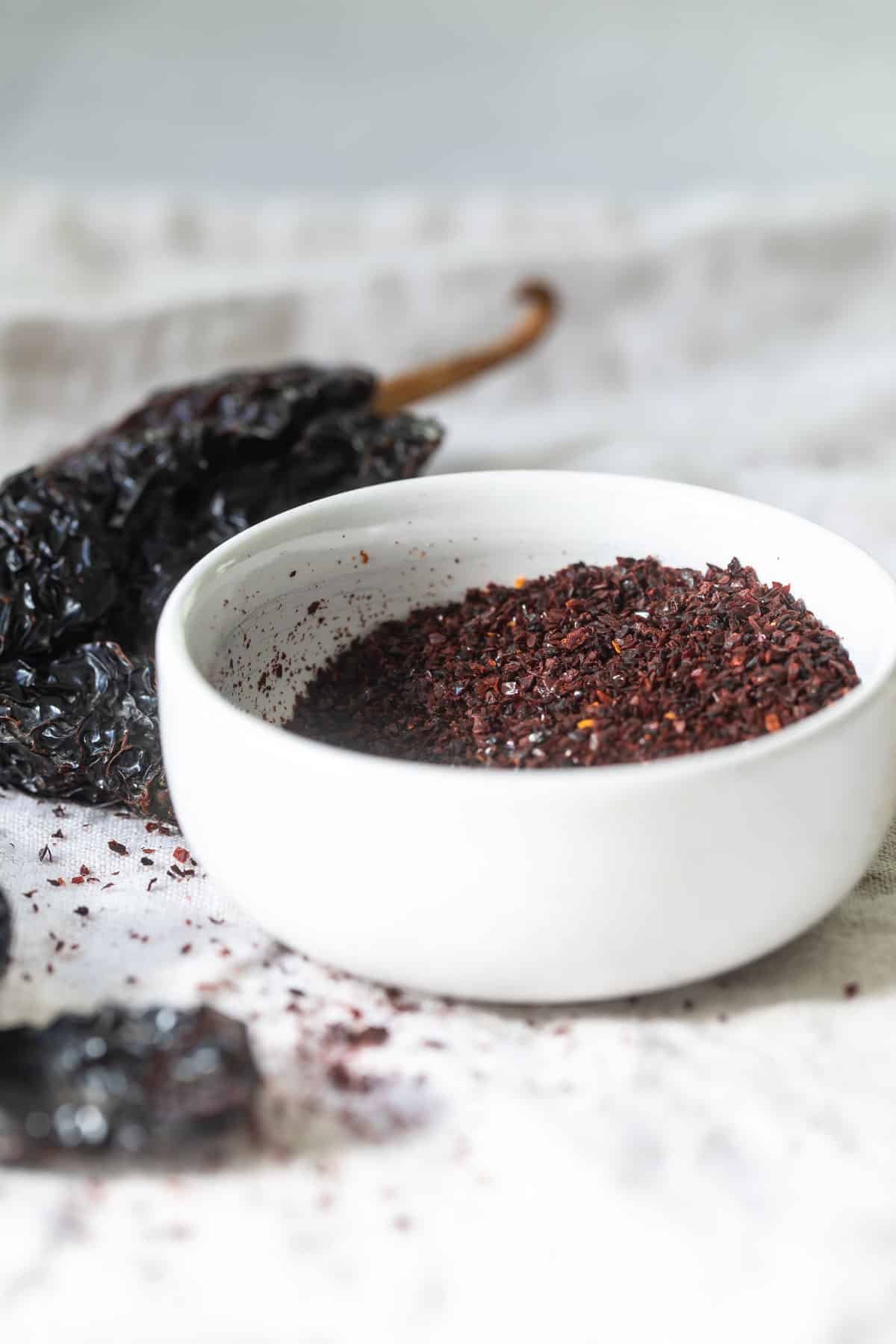
The quality of ancho powder can vary significantly depending on the source and how it’s processed. When purchasing ancho powder, look for products that are a deep reddish-brown color, indicating good roasting. The aroma should be rich, smoky, and pleasantly sweet, without any musty or stale notes. Ideally, opt for single-ingredient ancho powder, meaning it is made solely from ground poblano peppers. This allows you to control the other seasonings in your dish and appreciate the pure flavor of the ancho. Buying from reputable spice merchants or brands known for their quality can ensure you get the best possible product.
In conclusion, ancho powder is a culinary gem that brings a unique combination of sweetness, smokiness, and mild heat to a vast array of dishes. Its versatility, rooted in the humble poblano pepper, makes it an essential ingredient for anyone looking to add depth and sophistication to their cooking. By understanding its origins, flavor profile, and applications, you can confidently incorporate this flavorful powder into your kitchen and unlock a world of delicious possibilities.
aViewFromTheCave is a participant in the Amazon Services LLC Associates Program, an affiliate advertising program designed to provide a means for sites to earn advertising fees by advertising and linking to Amazon.com. Amazon, the Amazon logo, AmazonSupply, and the AmazonSupply logo are trademarks of Amazon.com, Inc. or its affiliates. As an Amazon Associate we earn affiliate commissions from qualifying purchases.