
In the vast and interconnected world of technology, understanding directional terms like “upstream” is crucial for navigating complex systems, processes, and relationships. Far from being a mere spatial indicator, “upstream” in tech denotes a foundational concept referring to the origin, source, or preceding stage in a flow of information, code, data, or services. It signifies the point from which something originates before moving towards a downstream consumer or application. Grasping this concept is vital for developers, system administrators, data engineers, and anyone involved in building, maintaining, or securing digital infrastructure.
Understanding the Core Concept of Upstream in Technology
At its heart, the term “upstream” functions as a directional metaphor, drawing parallels to a river’s flow. Just as a river’s upstream is closer to its source, the technological “upstream” refers to the initial point or stage in a sequence. This concept provides a framework for understanding dependencies, tracing origins, and managing the evolution of various digital components.
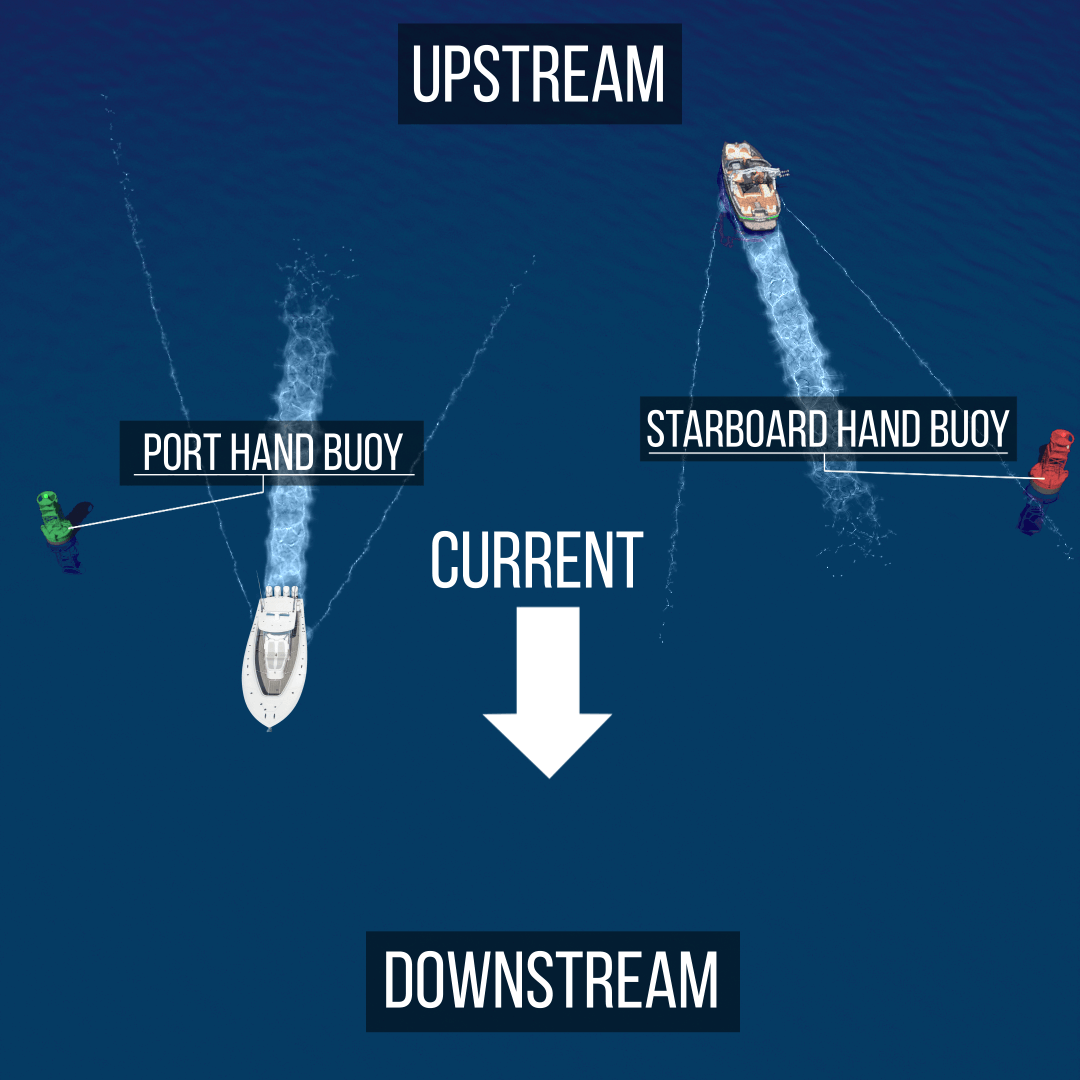
The Flow Analogy: From Source to Consumer
Imagine a stream of water. The further you go upstream, the closer you get to the source – the springs, glaciers, or rainfall that initially feed the river. In technology, this analogy holds true. When we talk about an “upstream” component, we are referring to the original provider, the core codebase, the initial data source, or the foundational service that something else depends upon or derives from.
For instance, if a software application uses a specific library, the developers of that library are considered upstream from the application’s developers. Any changes, updates, or bug fixes made to the library by its original creators would flow “downstream” to affect the application that uses it. Conversely, if the application’s developers discover a bug in the library, they might contribute a fix “upstream” to the library’s original maintainers. This demonstrates a clear directional flow of influence and dependency.
Upstream as a Directional Indicator
Beyond a simple source, “upstream” also acts as a critical directional indicator, specifying the direction of influence, updates, and even problem resolution. When a developer says they are “contributing upstream,” it means they are submitting their changes or fixes back to the original project or codebase from which their version was derived. This ensures that improvements are integrated into the core, benefiting all subsequent users and maintaining consistency across different iterations.
This directional clarity is indispensable for collaboration, version control, and maintaining integrity across distributed systems. Without a clear understanding of what constitutes upstream, managing dependencies, coordinating development efforts, and identifying the true source of an issue would become significantly more challenging, leading to fragmentation and inefficiency.
Upstream in Software Development and Open Source
The concept of “upstream” finds one of its most prominent and critical applications within the realm of software development, particularly in the open-source community. Here, it defines relationships between different versions of software, collaborations among developers, and the maintenance of complex projects.
Upstream Repositories and Contributions
In open-source software, an “upstream repository” typically refers to the original, authoritative source code repository of a project. When a developer or an organization takes this code, makes modifications, and creates their own version (often called a “fork”), their version becomes “downstream” from the original.
Contributions made back to the original project are called “upstream contributions.” These can include bug fixes, new features, documentation improvements, or performance enhancements. The process usually involves submitting a “pull request” or “merge request” to the upstream maintainers, who then review and potentially integrate these changes into the main codebase. This collaborative model is a cornerstone of open-source development, allowing a distributed community to collectively improve software while maintaining a single, canonical version.
Managing Dependencies: The Upstream Provider
Modern software applications are rarely built from scratch. Instead, they rely heavily on a vast ecosystem of third-party libraries, frameworks, and components. Each of these external components represents an “upstream provider” for the application that uses it. For example, if a web application is built using a JavaScript framework like React, React’s development team is upstream from the web application’s development team.
Managing these upstream dependencies is a critical task. Developers must ensure compatibility, track updates, and address security vulnerabilities that may arise in any of the upstream components. A bug or security flaw in an upstream library can have cascading effects, compromising numerous downstream applications. Therefore, staying informed about upstream releases and changes is not just good practice, but a necessity for security and stability.
Security and Maintenance Implications
The upstream relationship has profound implications for software security and maintenance. When a security vulnerability is discovered in a widely used upstream library, all projects that depend on that library immediately become vulnerable. The responsibility then falls on the upstream maintainers to issue a patch or update, which downstream projects must then integrate promptly.
Similarly, maintenance efforts are often concentrated upstream. If an upstream project ceases active development, all downstream projects that rely on it face potential challenges in terms of future compatibility, bug fixes, and security updates. This highlights the importance of choosing well-maintained and active upstream dependencies to ensure the long-term viability and security of a software project.
Upstream in Data Processing and Networking
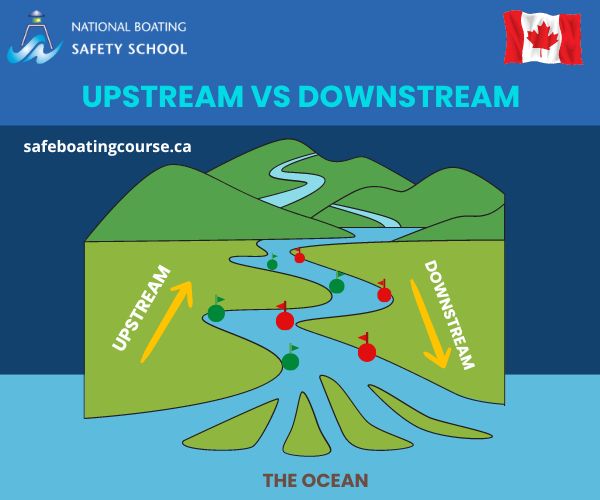
Beyond software development, the concept of “upstream” is equally vital in understanding the flow and architecture of data processing systems and computer networks. Here, it defines the origin of data, the direction of network traffic, and the dependencies within complex distributed systems.
Data Pipelines: The Source of Truth
In data engineering, “data pipelines” are sequences of processes that move and transform data from various sources to their destinations. In this context, “upstream” refers to the original data sources. These could be operational databases, external APIs, IoT device sensors, log files, or streaming data feeds. Data engineers work with these upstream sources to extract, transform, and load data into data warehouses, data lakes, or analytical platforms.
Understanding the upstream data sources is paramount for ensuring data quality, consistency, and reliability. Issues at an upstream source – such as incorrect data entry, schema changes, or system outages – directly impact the integrity and usability of all downstream analytics and applications. Data governance and lineage tools often focus on tracking data from its upstream origin through its various transformations to ensure accountability and trust in data-driven insights.
Network Architecture: Originating Traffic
In computer networking, “upstream” refers to the direction towards the source of network traffic or towards the network provider’s core infrastructure. For an individual internet user, “upstream” traffic is data being sent from their device to the internet (e.g., uploading files, sending emails). Conversely, “downstream” is data coming to their device from the internet (e.g., downloading web pages, streaming video).
In the context of network service providers, “upstream providers” are typically larger internet backbone providers or peering partners that connect a smaller network to the broader internet. An Internet Service Provider (ISP) might have multiple upstream providers to ensure redundancy and higher bandwidth. Understanding these upstream connections is critical for network performance, routing decisions, and troubleshooting connectivity issues.
Cloud Computing and Service Providers
In cloud computing, the “upstream” can refer to the underlying infrastructure or the foundational services upon which other services are built. For example, if an application runs on a virtual machine hosted by a cloud provider like AWS EC2, the cloud provider’s physical data centers, networking, and virtualization layers are upstream from the application. Similarly, when using managed services (e.g., a database-as-a-service), the provider’s management of the database software and infrastructure is upstream from the user’s application.
Issues with an upstream cloud service (e.g., an outage in a specific region or a performance degradation in a database service) will directly affect all downstream applications relying on it. This highlights the importance of service level agreements (SLAs) with cloud providers and understanding their redundancy and disaster recovery capabilities.
The Strategic Importance of Upstream Understanding
A thorough understanding of “upstream” concepts is not merely an academic exercise; it’s a strategic imperative that influences architectural decisions, project management, risk assessment, and long-term sustainability in technology.
Impact on Innovation and Collaboration
Recognizing and actively engaging with upstream projects fosters innovation. By contributing bug fixes, new features, or performance improvements back to an upstream open-source project, developers not only enhance the original project but also ensure their own downstream versions benefit from a more robust and feature-rich foundation. This collaborative cycle drives collective progress and prevents fragmentation, allowing individual teams to focus on their unique value proposition rather than reinventing core components.
Moreover, a strong relationship with upstream providers, whether they are open-source communities or commercial vendors, can lead to earlier access to new features, better support, and opportunities to influence the roadmap of crucial technologies.
Ensuring Stability and Compatibility
Maintaining stability and compatibility across complex systems hinges on managing upstream dependencies effectively. When an upstream component releases an update, knowing whether that update introduces breaking changes or significant enhancements is crucial for downstream projects. Proactive testing against new upstream versions helps mitigate risks and ensures smooth transitions.
For large enterprises, standardizing on well-vetted upstream components can significantly reduce technical debt and simplify maintenance. This strategic choice helps ensure that the foundational layers of their technology stack remain stable, secure, and compatible with evolving requirements.

Risk Management and Supply Chain Security
The upstream relationship is a critical vector for risk management, particularly concerning cybersecurity. A vulnerability in an upstream library or service can expose countless downstream applications to attack. This has led to an increased focus on “software supply chain security,” where organizations scrutinize the security practices of all their upstream dependencies. Tools for software composition analysis (SCA) are used to identify known vulnerabilities in third-party components, allowing organizations to remediate risks before they are exploited.
Understanding the stability and ongoing support for upstream projects is also a key risk factor. If an upstream project becomes unmaintained or goes out of business, all dependent downstream projects face the risk of not receiving critical updates, leaving them vulnerable or obsolete. Strategic planning involves evaluating the health and longevity of upstream dependencies to mitigate such risks.
In conclusion, “upstream” is a pervasive and foundational concept in technology, serving as a directional compass that points to the origin, source, or preceding stage in various digital flows. From the collaborative development of open-source software and the intricate pipelines of data engineering to the robust architecture of computer networks and cloud computing, understanding what constitutes upstream is essential for building resilient, secure, and innovative technological solutions. It empowers practitioners to manage dependencies, collaborate effectively, troubleshoot efficiently, and proactively mitigate risks across the ever-evolving digital landscape.
aViewFromTheCave is a participant in the Amazon Services LLC Associates Program, an affiliate advertising program designed to provide a means for sites to earn advertising fees by advertising and linking to Amazon.com. Amazon, the Amazon logo, AmazonSupply, and the AmazonSupply logo are trademarks of Amazon.com, Inc. or its affiliates. As an Amazon Associate we earn affiliate commissions from qualifying purchases.