
In the modern landscape of the “throwaway economy,” the role of an upholsterer has evolved from a simple trade into a sophisticated business opportunity. At its core, an upholsterer is a professional who provides furniture with its padding, springs, webbing, and fabric or leather covers. However, when viewed through the lens of finance and business strategy, an upholsterer is a value-add specialist who transforms depreciating assets into high-value investments.
For those looking into side hustles, personal finance optimization, or entrepreneurial ventures, understanding the upholstery industry is not just about fabric and foam; it is about understanding profit margins, asset appreciation, and the lucrative niche of specialized labor.

The Economics of the Upholstery Trade
To understand what an upholsterer is in a financial context, one must first analyze the cost-benefit ratio of furniture restoration versus replacement. In the current market, high-quality, solid-wood furniture is becoming increasingly expensive, while “fast furniture” dominates the lower end of the market. This creates a massive financial gap that professional upholsterers fill.
Understanding the Cost Structure and Profit Margins
The business model of a professional upholsterer relies on a high skill premium. Unlike mass-produced furniture where the value is in the volume, upholstery value is found in the labor-to-material ratio. For a standard wingback chair, the materials (fabric, foam, batting) might cost $200–$400, but the labor—the specialized skill of the upholsterer—can command $800 to $1,500 depending on the complexity and geographic location.
This represents a high-margin service business. Because the “raw material” (the client’s old chair frame) is provided by the customer, the upholsterer does not have to carry significant inventory costs. This lean business model minimizes capital expenditures and maximizes the Return on Investment (ROI) for every hour worked.
The Market Demand for Bespoke Craftsmanship
From a personal finance perspective, consumers are increasingly realizing that reupholstering an heirloom-quality piece is a smarter financial move than buying a modern, low-quality equivalent. An upholsterer serves as a consultant in this decision-making process. By educating clients on the structural integrity of older frames—often made of kiln-dried hardwood—an upholsterer helps the client preserve the “equity” they have in their home furnishings. This demand is driven by a growing demographic of high-net-worth individuals who value sustainability and exclusivity over mass-market convenience.
Upholstery as a High-Margin Side Hustle
In the realm of online income and side hustles, upholstery stands out because it has a high “barrier to entry” in terms of skill, which naturally limits competition. While many people can learn to flip products on eBay or manage social media, the technical proficiency required to properly tension a spring or execute a perfect deep button tuft is a rare commodity.
Low Overhead and High Skill Premium
Starting an upholstery business requires relatively low initial capital compared to other trades. Essential tools include a high-quality industrial sewing machine, a pneumatic stapler, and basic hand tools. For an investment of less than $3,000, an individual can set up a functional home studio.
The profitability of this side hustle is significant because it scales with skill rather than just time. As an upholsterer becomes faster and more precise, their effective hourly rate increases. A beginner might take 20 hours to finish a sofa, while a seasoned professional can do it in 10, effectively doubling their income without changing their prices.
Scaling from a Garage Studio to a Professional Brand
For those looking to move from a side hustle to a full-time business, the scaling process involves moving from “labor-only” services to “full-service” interior solutions. This includes selling fabric at a markup. Upholsterers often have accounts with high-end textile houses, allowing them to purchase fabric at wholesale prices and sell it to clients at retail. This creates a secondary passive income stream that complements the active labor income, significantly boosting the business’s overall net profit.
Investing in Vintage: The Financial Case for Restoration
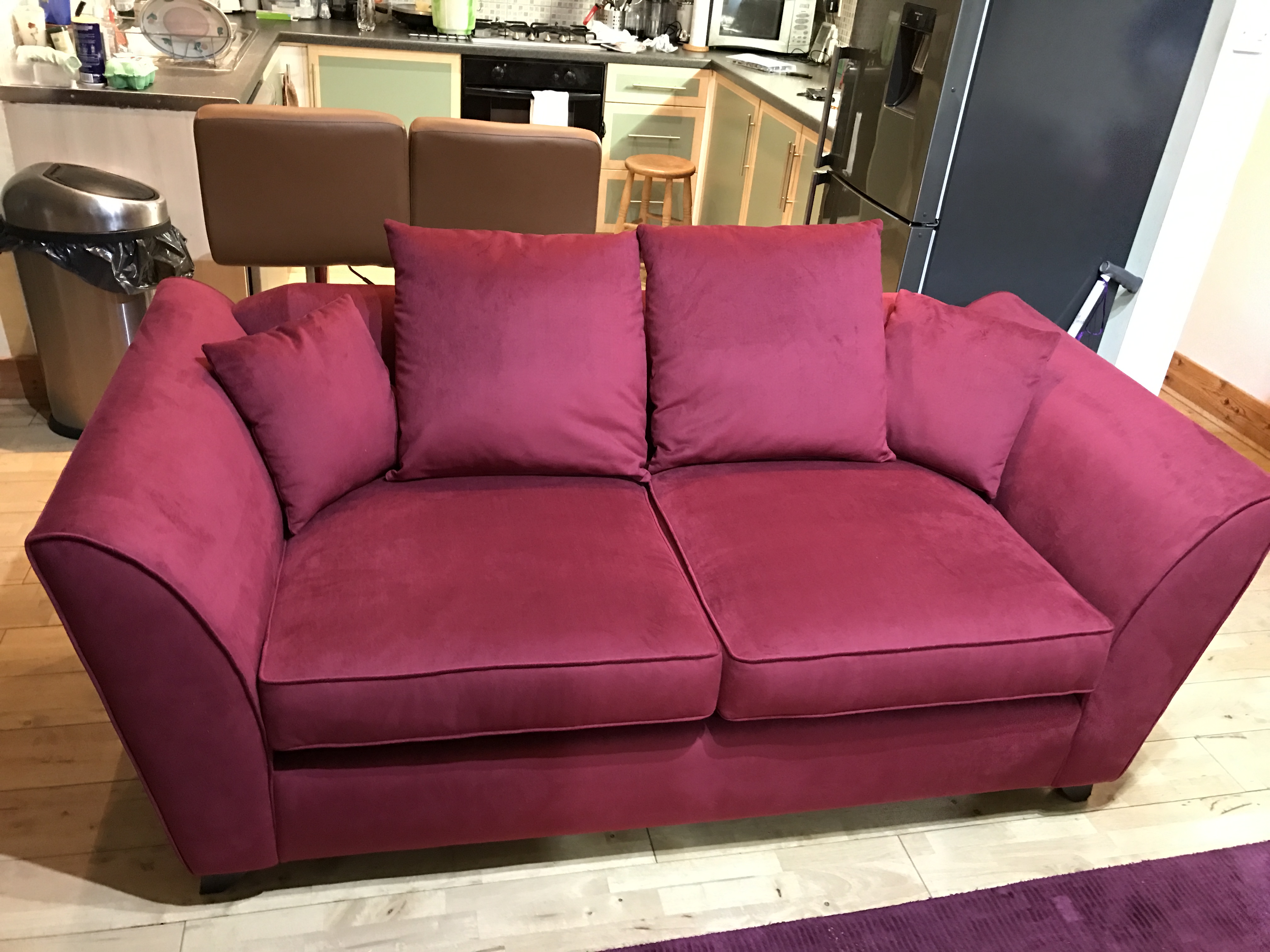
An upholsterer is also a vital partner for furniture investors and “flippers.” The market for Mid-Century Modern (MCM) and antique furniture has seen a massive surge in valuation over the last decade. Brands like Herman Miller, Knoll, and Hans Wegner produce pieces that appreciate over time, provided they are maintained correctly.
Asset Appreciation in Mid-Century Modern Furniture
An upholsterer can take a “diamond in the rough”—a genuine 1960s Eames-style lounge chair found at an estate sale for $100—and restore it to a condition where it can be sold for $2,500 or more. The “value added” by the upholsterer is the primary driver of this appreciation. For the savvy investor, building a relationship with a skilled upholsterer is equivalent to having a reliable stockbroker; they are the key to unlocking the hidden value in undervalued assets.
Flipping Furniture for Maximum ROI
The strategy of “buy low, restore, sell high” is a cornerstone of the furniture flipping niche. To maximize ROI, one must understand which pieces are worth the investment. An upholsterer provides the technical audit necessary to determine if a piece is structurally sound. They can identify if a frame is made of solid oak or cheap particle board, which is the difference between a profitable flip and a financial loss. By specializing in high-end fabrics and modern techniques, the upholsterer ensures the final product appeals to a luxury market willing to pay a premium.
Modern Business Tools for the Professional Upholsterer
In the digital age, being an upholsterer is as much about financial management and digital marketing as it is about craftsmanship. To remain competitive and profitable, modern upholsterers utilize a variety of financial tools and software.
Budgeting and Quoting Software
The biggest mistake many tradespeople make is underestimating the cost of “sundries” (twine, tacks, glue, etc.) and the time required for teardown. Modern upholstery businesses use specialized CRM and quoting software to ensure every nut, bolt, and hour is accounted for. This precision in budgeting ensures that the profit margin remains intact even when unexpected complications arise during the restoration process.
Marketing Your Services in a Digital Economy
In terms of brand strategy and online income, the visual nature of upholstery makes it perfect for social media marketing. Before-and-after transformations are highly “pinnable” and “shareable” content. A professional upholsterer uses these digital platforms not just for vanity, but as a lead-generation engine. By showcasing the quality of their work and the high-end materials they use, they position themselves as a luxury service provider, allowing them to command higher prices and avoid the “race to the bottom” associated with general labor.
Long-term Wealth Building through Specialized Skill Acquisition
Finally, we must look at upholstery as a vehicle for long-term financial security. In an era where AI and automation threaten many white-collar jobs, specialized manual trades like upholstery offer a degree of “future-proofing.”
Diversifying Income Streams
A successful upholstery business doesn’t just rely on residential clients. Long-term wealth is built by diversifying into commercial contracts (restaurants, hotels, and offices) which offer larger volumes and recurring maintenance revenue. Furthermore, many upholsterers diversify into teaching. Online courses, workshops, and “how-to” memberships represent a way to monetize their expertise without the physical strain of manual labor, creating a scalable income stream that can continue into retirement.
Exit Strategies and Business Valuation
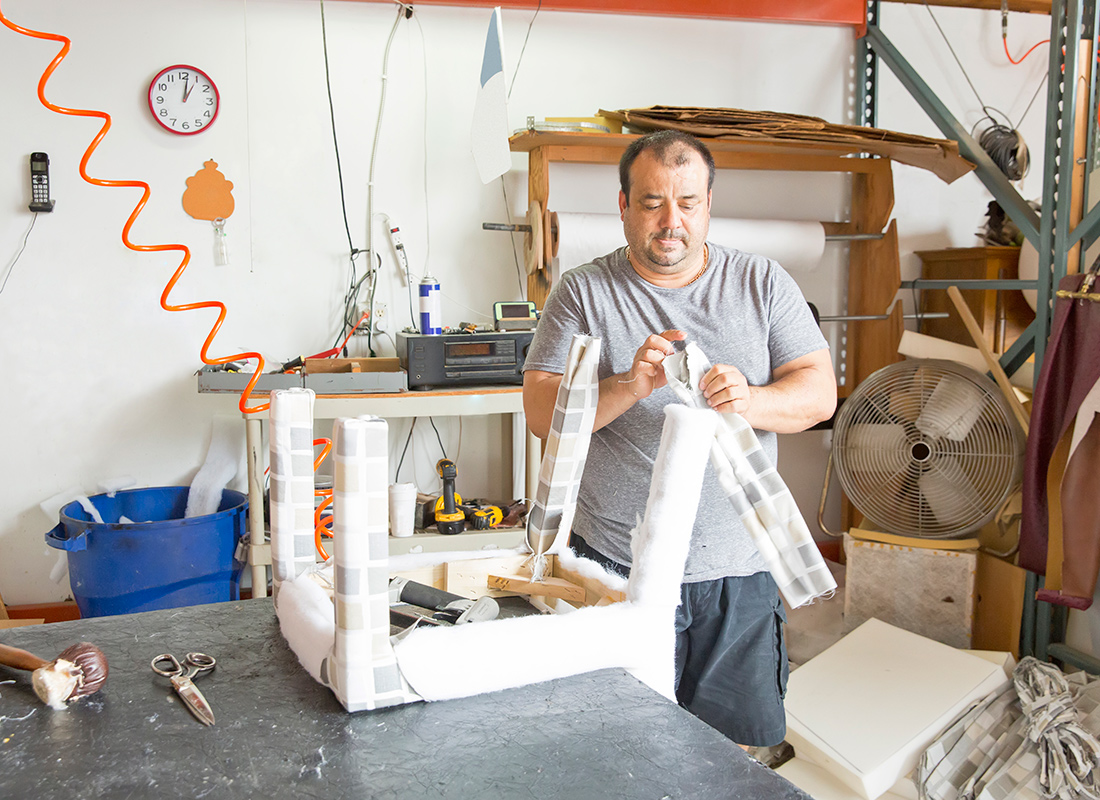
A well-run upholstery business is a sellable asset. By building a recognizable brand, maintaining a clean set of financial books, and establishing a loyal client base, an upholsterer creates a business that can be sold to a successor. Unlike a job, which ends when you stop working, an upholstery brand has an “exit value.” This long-term perspective is what separates a mere hobbyist from a professional business owner.
In conclusion, when asking “what is an upholsterer,” the answer is far more complex than a person who fixes chairs. In a financial context, an upholsterer is a master of value-added labor, a critical player in the high-end furniture investment market, and a savvy entrepreneur who leverages specialized skills to build a high-margin, sustainable business. Whether as a side hustle or a full-time career, upholstery offers a unique path to financial independence in the modern economy.
aViewFromTheCave is a participant in the Amazon Services LLC Associates Program, an affiliate advertising program designed to provide a means for sites to earn advertising fees by advertising and linking to Amazon.com. Amazon, the Amazon logo, AmazonSupply, and the AmazonSupply logo are trademarks of Amazon.com, Inc. or its affiliates. As an Amazon Associate we earn affiliate commissions from qualifying purchases.