
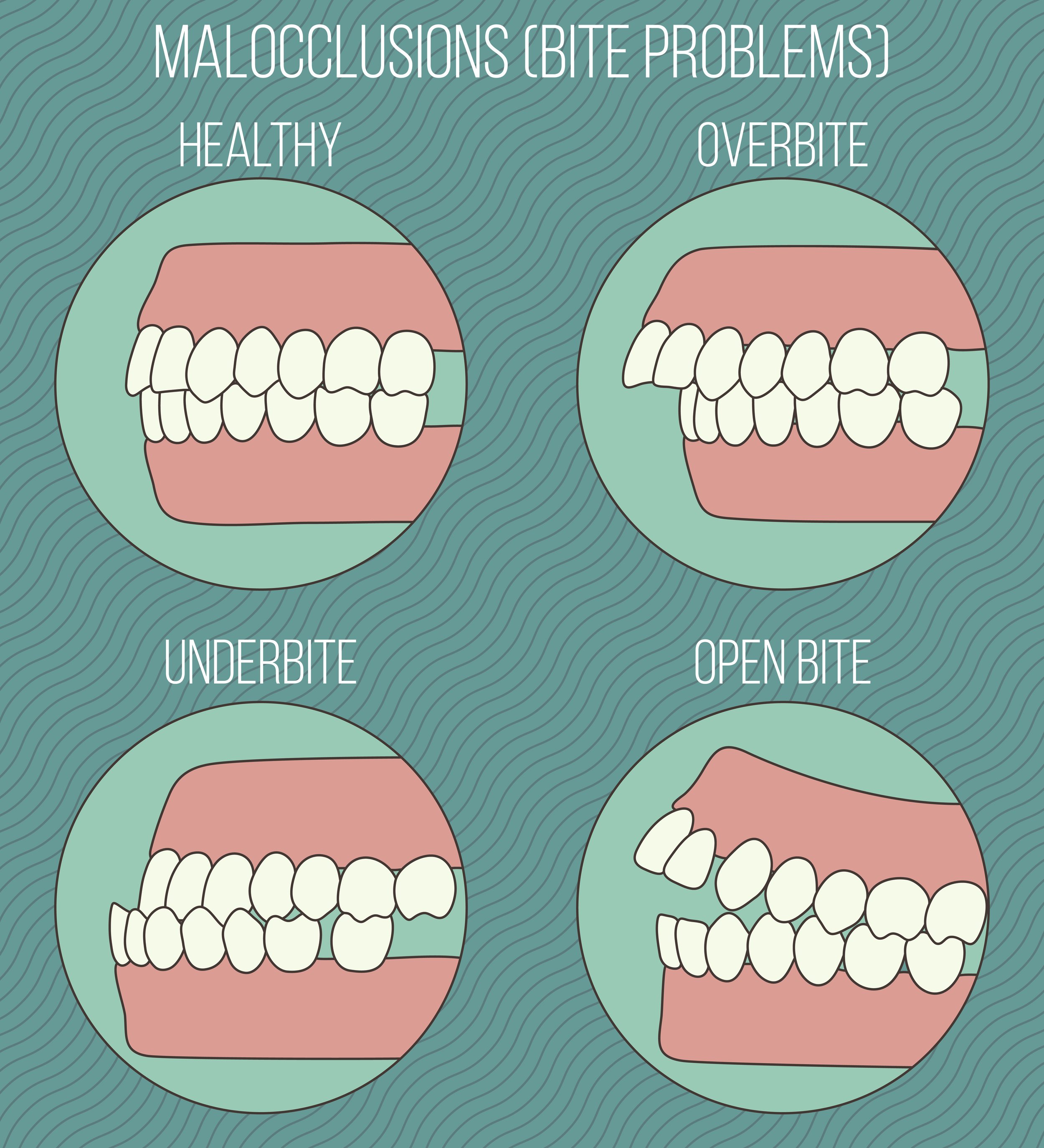
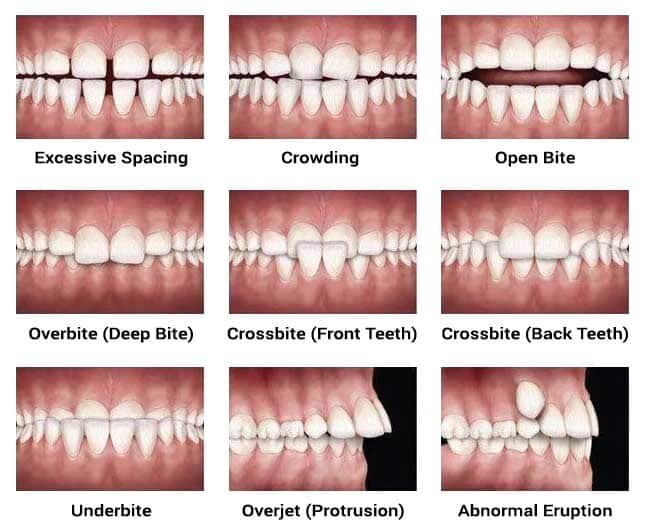
An overbite, medically known as a deep bite or Class II malocclusion, is a common orthodontic condition where the upper front teeth significantly overlap the lower front teeth. While a slight overlap is natural and healthy, an excessive overbite can lead to a range of issues, from aesthetic concerns to functional problems impacting chewing, speech, and even jaw health. In the era of rapid technological advancement, understanding, diagnosing, and treating overbites has been revolutionized by innovative tech solutions. This deep dive explores the digital lens through which this dental condition is now perceived and managed, emphasizing how technology provides unprecedented precision, efficiency, and accessibility in modern orthodontics.

Defining the Overbite Through a Digital Lens
Historically, identifying an overbite relied heavily on manual examinations, plaster models, and traditional X-rays. Today, technology has transformed this foundational step, offering a hyper-accurate, non-invasive, and data-rich approach to defining the exact nature and extent of an overbite. The precision offered by current digital tools allows for a nuanced understanding that was once unattainable, paving the way for highly customized treatment plans.
Precision Diagnostics: The Role of 3D Imaging and AI
The cornerstone of modern overbite definition is advanced 3D imaging. Cone Beam Computed Tomography (CBCT) scans provide a three-dimensional view of teeth, roots, jawbones, and surrounding soft tissues. Unlike traditional 2D X-rays, CBCT scans offer a comprehensive spatial understanding, allowing orthodontists to visualize the exact vertical and horizontal overlap, assess bone density, and identify any underlying skeletal discrepancies contributing to the overbite. Intraoral scanners, another pivotal technology, capture highly detailed 3D digital impressions of the teeth and gums, eliminating the need for uncomfortable traditional putty molds. These digital models are accurate down to mere microns, forming the basis for precise diagnostic analysis.
Complementing these imaging techniques is the burgeoning field of Artificial Intelligence (AI) in dentistry. AI algorithms are increasingly being trained on vast datasets of orthodontic cases, including various types of overbites. These AI tools can swiftly analyze CBCT scans and digital impressions to identify the presence and severity of an overbite, predict potential growth patterns in younger patients, and even highlight subtle indicators that might be missed by the human eye. Machine learning models can classify different types of malocclusion with remarkable accuracy, aiding in differential diagnosis and guiding treatment strategy. This integration of AI enhances diagnostic accuracy, reduces human error, and streamlines the initial assessment process.
Digital Modeling and Treatment Planning
Once the precise digital data is collected, specialized orthodontic software takes center stage. These platforms utilize the 3D scans and AI-driven analyses to create a comprehensive digital model of the patient’s dentition and facial structure. Within this virtual environment, orthodontists can manipulate teeth and jaw positions, simulate various treatment outcomes, and visually demonstrate the planned corrections to the patient. This digital modeling allows for meticulous planning of tooth movements, anchor points, and appliance designs.
The software facilitates “virtual setups,” where the orthodontist can digitally move teeth into their ideal positions, creating a final desired outcome. This virtual setup then serves as a blueprint for treatment, whether it involves traditional braces or clear aligners. This iterative process allows for precise adjustments before any physical intervention begins, ensuring that the treatment path is optimized for effectiveness and efficiency. The ability to simulate different scenarios also helps in managing patient expectations and fostering a collaborative approach to treatment decisions.
Technological Innovations in Overbite Correction
The advancements in digital diagnostics naturally extend into the realm of treatment. Modern technology has not only refined traditional methods but also introduced entirely new paradigms for correcting overbites, making treatments more comfortable, efficient, and discreet.
Clear Aligners and AI-Driven Customization
Perhaps the most transformative technological innovation in orthodontics for conditions like overbites is the rise of clear aligner therapy. Companies leverage sophisticated 3D printing and CAD/CAM (Computer-Aided Design/Computer-Aided Manufacturing) technologies to produce a series of custom-made, clear, removable plastic aligners. Each aligner is meticulously designed to apply precise forces to gradually shift teeth into their correct positions according to the digital treatment plan.
The customization goes beyond just fitting the teeth. AI algorithms are instrumental in designing the optimal sequence of aligners, calculating the force required at each stage, and predicting how teeth will respond. This AI-driven precision minimizes unnecessary tooth movements and maximizes treatment efficiency. Some systems even incorporate “smart attachments” – small, tooth-colored bumps bonded to specific teeth – whose shape and position are algorithmically determined to enhance the aligners’ grip and facilitate specific movements, particularly crucial for complex overbite corrections. The entire process, from initial scan to final aligner production, is a testament to advanced manufacturing and software integration.
Smart Braces and Remote Monitoring
Even traditional braces have evolved with technology. “Smart braces” incorporate features like self-ligating brackets that use a built-in clip to hold the archwire, reducing friction and potentially shortening treatment times and reducing the number of office visits. Furthermore, advanced materials science has led to the development of nickel-titanium alloy archwires that offer superior shape memory and continuous, gentle force application, optimizing tooth movement.
Remote monitoring technologies are also gaining traction. Patients can use specialized apps and devices, often involving a smartphone camera and a bite-plate, to capture images of their teeth and send them to their orthodontist. AI analyzes these images for progress, ensuring that aligners are fitting correctly or that braces are performing as expected. This allows orthodontists to track treatment progression without requiring frequent in-person visits, enabling timely interventions if issues arise and providing greater convenience for patients. This telehealth approach significantly enhances adherence and allows for proactive management of the treatment course.
The Future of Overbite Management: Tele-dentistry and Predictive Analytics
The trajectory of technological innovation suggests an even more integrated and personalized future for overbite management. Tele-dentistry and advanced analytics are poised to make orthodontic care more accessible, efficient, and predictive.
Virtual Consultations and Accessibility
Tele-dentistry platforms are breaking down geographical barriers and making orthodontic consultations more accessible. Patients can initial assessments or follow-up appointments from the comfort of their homes, often by submitting photos or videos of their teeth. AI-powered diagnostic tools can then assist orthodontists in triaging cases and offering preliminary advice. This model is particularly beneficial for rural populations or individuals with mobility challenges, democratizing access to specialized care. For overbite cases, virtual consultations can help determine the severity and necessity of in-person treatment, streamlining the patient journey.
AI-Powered Prevention and Early Intervention
Looking ahead, AI’s role is expected to expand into predictive analytics and preventative orthodontics. By analyzing a child’s growth patterns, genetic predispositions, and early indicators from routine dental check-ups (potentially aided by smart sensors or advanced imaging), AI models could predict the likelihood of developing an overbite or other malocclusions. This foresight would enable earlier, less invasive, and potentially more effective interventions, preventing the condition from fully developing or mitigating its severity. Imagine an AI suggesting specific myofunctional exercises or custom-designed interceptive appliances based on predictive growth models, minimizing the need for extensive corrective treatment later in life.
Data Security and Patient Privacy in Orthodontic Tech
As orthodontic care becomes increasingly digitized, the importance of robust data security and patient privacy cannot be overstated. Dental practices and technology providers must adhere to stringent regulations like HIPAA (Health Insurance Portability and Accountability Act) in the U.S. and GDPR (General Data Protection Regulation) in Europe. This involves implementing end-to-end encryption for all patient data, secure cloud storage solutions, multi-factor authentication for access, and regular security audits. Patients’ 3D scans, treatment plans, and personal health information are highly sensitive, and safeguarding this data is a paramount responsibility for all stakeholders in the tech-enhanced orthodontic ecosystem. Trust in these digital systems is built on the assurance that personal health information is protected against breaches and misuse.
Choosing the Right Tech-Enhanced Orthodontic Solution
For individuals considering treatment for an overbite, understanding the technological landscape is crucial. Selecting a provider who leverages cutting-edge digital diagnostics and treatment planning software can significantly enhance the accuracy, efficiency, and overall experience of orthodontic care. Inquire about the use of intraoral scanners, CBCT imaging, AI-assisted planning, and remote monitoring capabilities. The integration of these technologies not only promises a more precise outcome but also offers a more comfortable and transparent treatment journey. Ultimately, the “what is” of an overbite is no longer a static clinical definition, but a dynamic, data-rich understanding constantly refined by the relentless march of technological innovation, leading to better smiles and healthier lives.
aViewFromTheCave is a participant in the Amazon Services LLC Associates Program, an affiliate advertising program designed to provide a means for sites to earn advertising fees by advertising and linking to Amazon.com. Amazon, the Amazon logo, AmazonSupply, and the AmazonSupply logo are trademarks of Amazon.com, Inc. or its affiliates. As an Amazon Associate we earn affiliate commissions from qualifying purchases.