
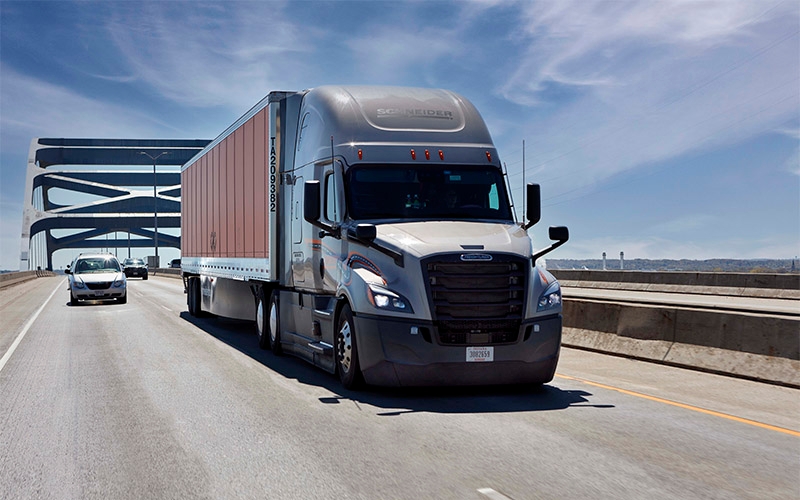
An Over-the-Road (OTR) driver is a professional truck driver who primarily operates commercial vehicles for long distances, often crossing state lines and spending weeks at a time away from home. Their role is critical to the supply chain, transporting goods ranging from consumer products to raw materials across the vast expanses of a nation. While the image of a solitary figure behind the wheel is iconic, the reality of an OTR driver’s life is deeply intertwined with intricate financial considerations, making it a compelling subject for those interested in unique career paths within the “Money” domain. Understanding what an OTR driver entails goes far beyond the logistics of driving; it delves into a complex world of earnings, expenses, financial management, and economic strategy.
The Financial Landscape of Over-the-Road Driving
The career of an OTR driver presents a distinctive financial landscape, marked by varied compensation models, significant earning potential, and a stark contrast between company drivers and independent owner-operators. Grasping these financial nuances is essential for anyone considering this profession or analyzing its economic impact.
Understanding Compensation Models
OTR drivers are typically compensated through several primary models, each with its own financial implications:
- Per-Mile Pay: This is the most common model, where drivers are paid a set rate for every mile driven. The rate can vary significantly based on experience, company, freight type, and route. Factors like “empty miles” (driving without a load) or “deadheading” (driving to pick up a new load) can impact total earnings if not compensated adequately. Beyond the basic mile rate, drivers may also receive additional pay for detention time (waiting at a shipper/receiver), layovers, stops, hazmat loads, or Canadian/border crossings.
- Percentage Pay: Some companies, particularly those working with owner-operators or specialized freight, pay drivers a percentage of the load’s revenue. This model can be highly lucrative when freight rates are high, allowing drivers to directly benefit from market demand. However, it also means earnings can dip during slower periods or when freight rates are lower. It incentivizes efficiency and the ability to find high-paying loads.
- Hourly Pay: Less common for true OTR roles, hourly pay is more typical for regional or local driving jobs. When applied to OTR, it usually covers specific tasks outside of driving, such as loading/unloading or administrative duties, or for specific short-haul legs of a longer journey. For pure OTR, it can be less financially appealing if it doesn’t adequately compensate for the extensive hours on duty, which can exceed 70 hours in an 8-day period under federal regulations.
Average Earnings and Influencing Factors
The earning potential for OTR drivers can be substantial, but it’s rarely static. Average annual incomes for experienced OTR drivers can range significantly, often starting from $50,000 for new drivers and potentially exceeding $80,000 to $100,000+ for seasoned professionals, especially owner-operators or those with specialized endorsements.
Key factors influencing these earnings include:
- Experience Level: Like many professions, seniority and a clean driving record often translate to higher per-mile rates or better access to lucrative routes.
- Routes and Freight Type: Dedicated routes, specialized freight (e.g., hazmat, oversized, refrigerated), and high-demand lanes typically command better pay. Specialized endorsements allow drivers to handle more complex or dangerous cargo, increasing their value.
- Company Type and Size: Larger carriers might offer more consistent mileage and benefits, while smaller carriers or independent brokers might offer higher per-mile rates but less predictability.
- Endorsements and Certifications: A Hazmat endorsement, Tanker endorsement, Doubles/Triples endorsement, or a Passport for international routes can significantly boost earning potential.
- Economic Conditions: Freight demand fluctuates with the economy. A strong economy generally means more freight and potentially higher rates, while a downturn can reduce opportunities and lower pay.
Owner-Operator vs. Company Driver: A Financial Comparison
The choice between being a company driver and an owner-operator represents the most significant financial fork in the road for OTR professionals.
- Company Drivers: These individuals are employees of a trucking company. Their financial benefits typically include a steady paycheck, health insurance, retirement plans (like 401(k)s), paid time off, and no direct responsibility for truck maintenance, fuel, or insurance costs. While their gross income might be lower than a successful owner-operator, their net income can be more predictable and less burdened by business expenses, offering greater financial stability and fewer administrative headaches.
- Owner-Operators: These are independent contractors who own or lease their trucks and operate their own small businesses. The potential for higher gross income is significant, as they typically earn a larger percentage of the load’s revenue. However, this comes with immense financial responsibility: purchasing/leasing a truck (often a six-figure investment), covering all fuel costs, maintenance and repairs, insurance, permits, tolls, and managing their own taxes and benefits. Success as an owner-operator requires robust business acumen, meticulous financial planning, and a strong understanding of market rates and operational costs. While the financial rewards can be greater, so too are the risks and capital requirements.
Navigating the Costs and Expenses
Beyond gross earnings, a clear understanding of the expenditure side is crucial for OTR drivers to assess their true financial standing. Expenses vary wildly between company drivers and owner-operators.
Essential Outlays for Company Drivers
Even as an employee, an OTR driver incurs personal expenses that can impact their net take-home pay:
- Food and Personal Supplies: While some companies offer per diem, drivers spend significantly on meals, snacks, beverages, and personal hygiene items while on the road. Effective budgeting here can save hundreds monthly.
- Communication: Cell phone plans and internet access are essential for communication, navigation, and entertainment.
- Personal Comforts: Items like comfortable bedding, cooking equipment for the truck, or entertainment (streaming services, gaming) contribute to quality of life but also add to expenses.
- Occasional Small Repairs/Maintenance: While major truck repairs are the company’s responsibility, drivers might pay for small items like new tires for their personal vehicle at home or minor cabin improvements.
The Extensive Expenses for Owner-Operators
For owner-operators, the list of expenses is far more comprehensive and requires sophisticated financial management:
- Fuel: This is often the largest single expense, fluctuating with market prices and mileage. Fuel efficiency, route planning, and fuel card discounts are critical for managing this cost.
- Truck Payments/Lease: Monthly payments for a commercial truck can be substantial, often comparable to a mortgage.
- Insurance: Commercial truck insurance is expensive, covering liability, cargo, physical damage, and often workers’ compensation (if hiring drivers).
- Maintenance and Repairs: Unexpected breakdowns are costly. Regular preventative maintenance is vital but still a significant expense, covering tires, oil changes, engine repairs, and wear-and-tear items. A robust emergency fund for repairs is non-negotiable.
- Permits, Licenses, and Taxes: Various federal and state permits (e.g., IFTA fuel taxes, IRP plates, UCR, HVUT) are required and incur recurring costs. Business taxes (income tax, self-employment tax) must also be meticulously planned for.
- Tolls and Scale Fees: These can add up quickly, especially on certain routes.
- Brokerage Fees: If working with freight brokers, a percentage of the load’s revenue is paid to them.
- Home Office Expenses: While often on the road, owner-operators have administrative tasks, which might include office supplies, software subscriptions, and internet at home.
Hidden Costs and Unexpected Financial Demands
Beyond the obvious, both company drivers and owner-operators can face unexpected financial demands:
- Fines and Penalties: Traffic violations, overweight tickets, or Hours of Service (HOS) violations can result in hefty fines.
- Medical Expenses: Long hours, irregular sleep, and unhealthy eating habits can take a toll on health, leading to unexpected medical costs, especially for owner-operators without company benefits.
- Equipment Failures: Even company drivers might face issues with personal equipment (e.g., inverter, fridge) that needs replacement. Owner-operators face much larger financial risks from truck breakdowns.
- Time Off Without Pay: OTR driving often means being paid for miles or loads. Downtime due to maintenance, waiting for loads, or personal time off can directly impact income.
Financial Planning and Management for OTR Professionals
Effective financial planning is paramount for OTR drivers, enabling them to navigate income fluctuations, manage significant expenses, and build long-term wealth.
Budgeting on the Road
Creating and sticking to a budget is critical. For company drivers, this means managing discretionary spending on food and entertainment. For owner-operators, it’s a full-fledged business budget:
- Track Everything: Use apps or spreadsheets to meticulously record all income and expenses, both personal and business-related.
- Separate Finances: Owner-operators must strictly separate personal and business bank accounts to simplify accounting and tax preparation.
- Emergency Fund: Both types of drivers need an emergency fund – company drivers for personal setbacks, owner-operators for truck repairs, unexpected downtime, or market slumps.
- Income Smoothing: Given the variable nature of OTR income, setting aside a portion of higher-earning weeks to cover leaner periods can create financial stability.
Retirement and Investment Strategies
Long-term financial security requires proactive planning:
- 401(k)s and IRAs: Company drivers should maximize employer-sponsored 401(k) matches. Owner-operators have access to solo 401(k)s or SEP IRAs, offering higher contribution limits and significant tax advantages for self-employed individuals.
- Brokerage Accounts: Investing in a diversified portfolio of stocks, bonds, or ETFs through a brokerage account can provide additional growth opportunities.
- Real Estate: For many OTR drivers, their home is a critical asset. Investing in rental properties can also provide a secondary income stream.
- Business Investments (Owner-Operators): Reinvesting profits into newer, more fuel-efficient trucks, advanced maintenance tools, or specialized equipment can enhance the business’s profitability and long-term value.
Tax Implications and Deductions
Taxes are a complex but crucial area, especially for owner-operators:
- Self-Employment Tax: Owner-operators are responsible for both the employer and employee portions of Social Security and Medicare taxes.
- Estimated Taxes: Since income isn’t withheld, owner-operators must make quarterly estimated tax payments to avoid penalties.
- Deductions: Both company drivers and owner-operators can claim various legitimate business expenses to reduce their taxable income.
- Company Drivers: Often claim per diem for meals (a set daily amount), uniforms, and professional licensing fees.
- Owner-Operators: Can deduct a vast array of expenses including fuel, maintenance, insurance, truck payments/lease, tolls, parking, permits, licenses, communication costs, supplies, and a home office deduction (if applicable). Keeping immaculate records is vital for successful deduction claims. Consulting with a tax professional specializing in the trucking industry is highly recommended.
The Economic Outlook and Future of OTR Driving
The economic viability of OTR driving is influenced by broader market forces and ongoing industry developments.
Demand, Supply, and Earning Potential Trends
The trucking industry is cyclical, driven by consumer demand and manufacturing output. Historically, there’s a persistent demand for OTR drivers, often termed a “driver shortage,” which can push up wages. However, economic downturns can reduce freight volumes, impacting mileage and rates. Technological advancements, such as autonomous trucks, pose a long-term question mark, but widespread adoption is still decades away, meaning human drivers will remain essential for the foreseeable future. The demand for specialized freight continues to offer premium earning potential.
Impact of Economic Shifts and Industry Regulations
Global economic shifts, trade policies, and domestic regulations (e.g., Hours of Service rules, environmental standards) directly affect the operational costs and profitability for OTR drivers and carriers. Fuel price volatility is a perpetual concern, requiring constant adaptation in budgeting and pricing strategies. Increased regulatory burdens often translate to higher operating costs, which can squeeze margins for owner-operators if not properly passed on to shippers.
Financial Growth and Specialization Opportunities
For OTR drivers looking to maximize their financial potential, specialization offers a clear path. Acquiring endorsements for Hazmat, Tanker, or Doubles/Triples can open doors to higher-paying loads. Investing in advanced training for specialized freight (e.g., heavy haul, logging, car hauling) also commands premium rates. Furthermore, experienced drivers might transition into roles like driver trainers, fleet managers, or even establish their own small trucking companies, leveraging their on-the-road experience into broader business ventures within the lucrative logistics sector. The financial journey of an OTR driver is one of constant adaptation, strategic planning, and leveraging expertise for sustained economic success.
aViewFromTheCave is a participant in the Amazon Services LLC Associates Program, an affiliate advertising program designed to provide a means for sites to earn advertising fees by advertising and linking to Amazon.com. Amazon, the Amazon logo, AmazonSupply, and the AmazonSupply logo are trademarks of Amazon.com, Inc. or its affiliates. As an Amazon Associate we earn affiliate commissions from qualifying purchases.