
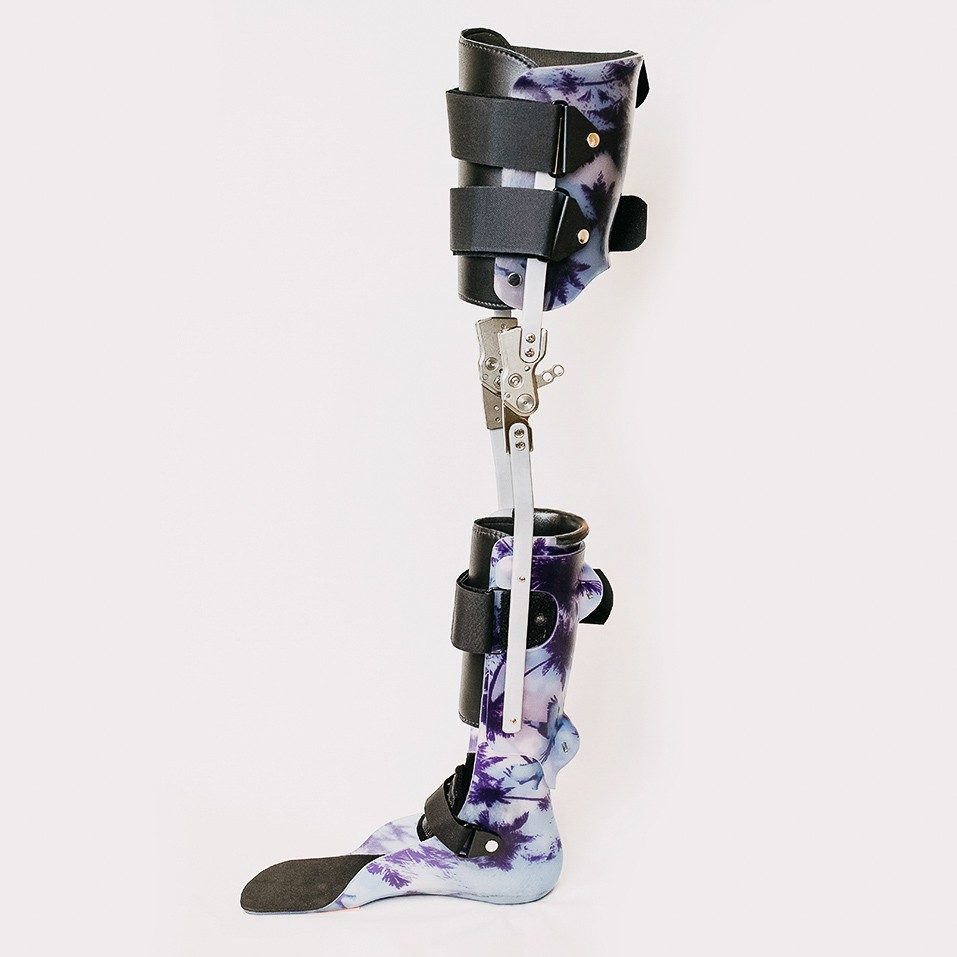
In the modern landscape of medical technology, the boundary between biology and engineering is becoming increasingly blurred. When we ask, “What is an orthotic device?” we are no longer merely discussing simple shoe inserts or primitive back braces. In the context of 21st-century HealthTech, an orthotic device is a sophisticated, externally applied instrument designed to modify the structural and functional characteristics of the neuromuscular and skeletal system.
From 3D-printed custom supports to AI-powered wearable exoskeletons, the orthotics industry has transitioned from a craft-based trade into a high-tech sector driven by data, materials science, and digital fabrication. This evolution represents a pivotal shift in how we approach human mobility, rehabilitation, and performance enhancement.
The Digital Transformation of Orthotic Design and Fabrication
The traditional method of creating an orthotic device—involving messy plaster casts and manual carving—is rapidly being replaced by a digital workflow that prioritizes precision and patient-specific data. This shift is rooted in the convergence of high-resolution scanning technology and advanced modeling software.
From Manual Casting to 3D Digital Scanning
The first step in the modern orthotic tech stack is data acquisition. Today’s clinicians utilize handheld 3D scanners equipped with LiDAR (Light Detection and Ranging) or structured light technology to capture the exact geometry of a patient’s limb. These scanners create a “digital twin” of the anatomy with sub-millimeter accuracy. Unlike physical molds, these digital files are immutable, easily shared between specialists, and allow for a level of detail that accounts for skin topography and subtle structural misalignments that the human eye might miss.
CAD/CAM and the Rise of Generative Design
Once a digital scan is captured, it is imported into specialized Computer-Aided Design (CAD) software. This is where the true “tech” of the device is engineered. Modern orthotic software allows practitioners to simulate weight-bearing forces and predict how different materials will react under stress.
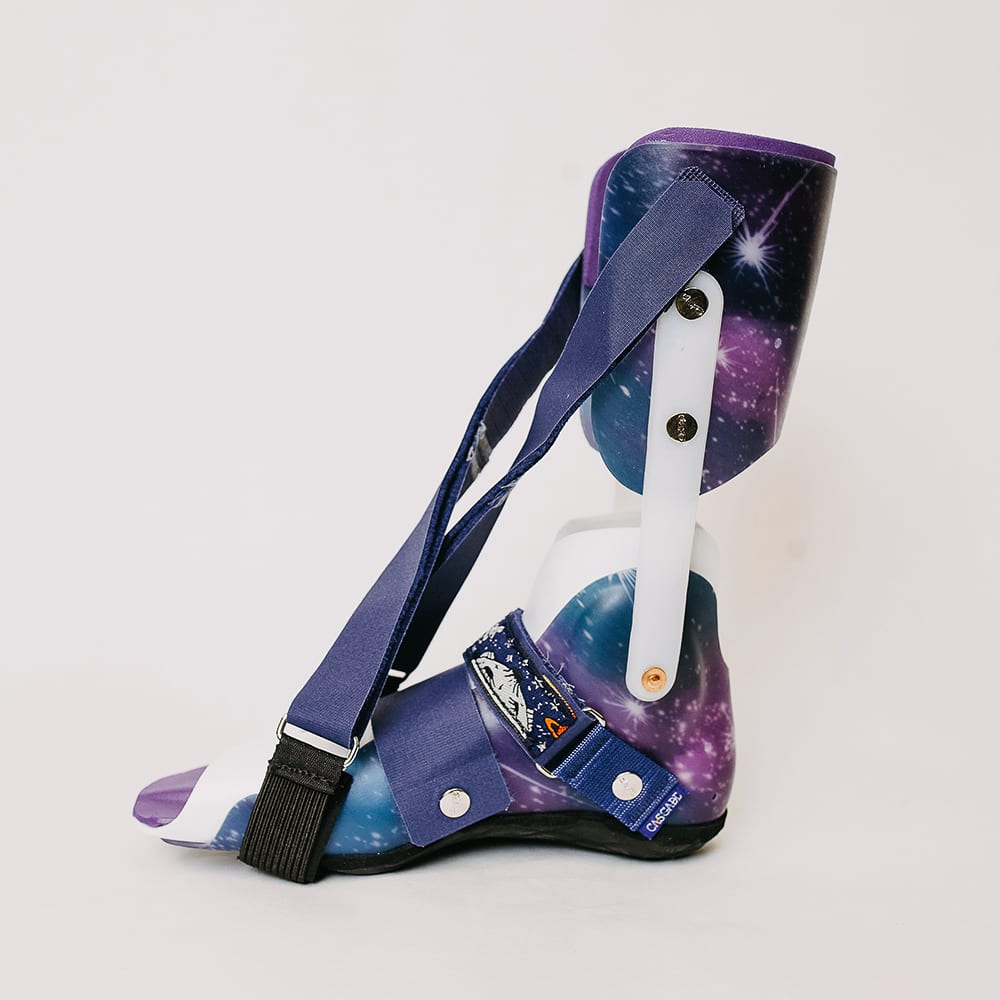
Furthermore, we are seeing the introduction of generative design—an AI-driven process where the software suggests the most efficient structure for an orthotic based on specific performance goals. For instance, an ankle-foot orthosis (AFO) can be designed with a “lattice structure” that is rigid in areas requiring support but flexible in areas requiring movement, all while minimizing weight.
Additive Manufacturing: 3D Printing the Future
Computer-Aided Manufacturing (CAM) has moved beyond traditional milling. 3D printing, or additive manufacturing, is the flagship technology of the modern orthotics industry. By using Multi Jet Fusion (MJF) or Selective Laser Sintering (SLS), manufacturers can produce orthotic devices from high-performance polymers like Nylon 12 or TPU (Thermoplastic Polyurethane). This allows for “mass customization”—the ability to create a unique, bespoke device for every patient at a scale and speed previously unimaginable.
Smart Orthotics: The Integration of Sensors and IoMT
As we move deeper into the era of the Internet of Medical Things (IoMT), orthotic devices are evolving from passive supports into “smart” wearables. A smart orthotic device is equipped with embedded electronics that monitor the user’s condition and provide real-time feedback.
Integrated Sensors and Biometric Data Collection
The integration of thin-film pressure sensors, accelerometers, and gyroscopes into orthotic shells has revolutionized gait analysis. These sensors track how a user moves throughout the day, capturing thousands of data points regarding stride length, cadence, and pressure distribution. For a patient recovering from a stroke or managing cerebral palsy, this data is invaluable. It moves clinical decision-making from subjective observation to objective, data-driven insights.
Real-Time Biofeedback and Haptic Interfaces
Some of the most advanced orthotic tech currently in development utilizes haptic feedback to “train” the wearer. If a sensor detects that a patient’s gait is deviating from a healthy pattern, the device can provide a subtle vibration or electrical pulse, prompting the user to adjust their posture or step. This closed-loop system turns the orthotic device into a rehabilitative tool that actively engages the user’s neuroplasticity, rather than just providing mechanical support.

Cloud Connectivity and Remote Patient Monitoring
In the contemporary tech ecosystem, an orthotic device is often just one component of a larger digital platform. Data collected by smart orthotics is uploaded to the cloud, where machine learning algorithms analyze trends over weeks or months. Clinicians can monitor a patient’s progress remotely, receiving alerts if the device usage drops or if the data suggests a potential injury. This “orthotics-as-a-service” model ensures that the treatment plan is dynamic and responsive to the patient’s actual lived experience.
The Convergence of Robotics and Orthotics: The Age of Exoskeletons
Perhaps the most exciting frontier in orthotic technology is the development of powered orthoses, often categorized as wearable robotics or exoskeletons. While traditional orthotics are passive (relying on the user’s own strength), powered orthotic devices use external energy sources to augment or replace human muscle function.
Actuated Joints and Myoelectric Control
Modern robotic orthotics utilize small, high-torque electric motors (actuators) located at the joints. These devices are often controlled via myoelectric sensors—electrodes placed on the skin that detect the electrical signals sent from the brain to the muscles. When the user intends to move, the device detects the signal and provides the necessary mechanical assistance to complete the motion. This technology is life-changing for individuals with partial paralysis or severe muscle weakness, effectively bridging the gap between biological limitation and functional mobility.
AI-Driven Adaptive Assistance
The software running these robotic devices is increasingly sophisticated. Advanced control algorithms use Artificial Intelligence to “learn” the user’s specific movement patterns. The AI can distinguish between walking on flat ground, climbing stairs, or navigating uneven terrain, automatically adjusting the resistance or power output of the actuators in milliseconds. This level of autonomy reduces the cognitive load on the user, making the device feel like a natural extension of their own body rather than a heavy piece of machinery.
Materials Innovation: Soft Robotics and Smart Textiles
One of the primary challenges in orthotic tech has been the “bulk factor.” Traditional robotic exoskeletons are often heavy and cumbersome. However, the emergence of “soft robotics” is changing the game. By using flexible materials, air-powered (pneumatic) artificial muscles, and conductive textiles, engineers are creating orthotic “suits” that are lightweight and can be worn under regular clothing. These soft orthotics use high-tension cables or fluidic actuators to provide support, representing a massive leap forward in the usability and aesthetics of medical gadgets.
The Software-Driven Future: Machine Learning and Predictive Diagnostics
The final piece of the orthotic tech puzzle lies in the software that interprets the massive amounts of data generated by these devices. We are entering an era where orthotics are not just reactive—prescribed after an injury—but predictive.
Predictive Analytics in Biomechanics
By analyzing gait data from thousands of users, AI models can now identify the “signatures” of impending injuries. For high-performance athletes or elderly populations at risk of falls, a smart orthotic device could potentially flag subtle changes in movement that precede a stress fracture or a loss of balance. This shifts the role of the orthotic device from a post-injury recovery tool to a proactive wellness gadget.
The Digital Prescription Workflow
The entire lifecycle of an orthotic device is becoming software-centric. From the initial AI-assisted diagnosis to the digital “fitting” in virtual reality (VR), the tech stack is streamlining the patient experience. In the near future, we may see “app-based” adjustments for orthotics, where a user can tweak the stiffness or support level of their device via a smartphone, depending on whether they are going for a run or sitting at a desk.
Conclusion: Orthotics as the Ultimate Wearable Tech
What is an orthotic device today? It is a masterpiece of interdisciplinary engineering. It is the result of breakthroughs in 3D printing, the precision of CAD/CAM software, the connectivity of the Internet of Things, and the intelligence of machine learning.
As we look forward, the orthotics industry will continue to lead the way in human-machine integration. No longer viewed as “medical supplies,” these devices are becoming the ultimate wearable technology—highly personalized, data-rich, and capable of enhancing human potential. Whether through a 3D-printed carbon fiber brace or a soft-robotic sleeve, the technology behind orthotics is proving that the future of medicine is not just about healing the body, but upgrading it.
aViewFromTheCave is a participant in the Amazon Services LLC Associates Program, an affiliate advertising program designed to provide a means for sites to earn advertising fees by advertising and linking to Amazon.com. Amazon, the Amazon logo, AmazonSupply, and the AmazonSupply logo are trademarks of Amazon.com, Inc. or its affiliates. As an Amazon Associate we earn affiliate commissions from qualifying purchases.