
The traditional concept of a bed has undergone a radical transformation over the last decade. No longer viewed as merely a passive piece of furniture, the modern mattress has evolved into a sophisticated piece of health technology. When we ask “what is an orthopedic bed” in the current landscape, we are not just talking about a firm mattress; we are discussing the intersection of material science, biomechanical engineering, and data-driven sleep optimization. An orthopedic bed is a precision-engineered sleep system specifically designed to support the musculoskeletal system, utilizing advanced technology to ensure spinal alignment and pressure point relief.
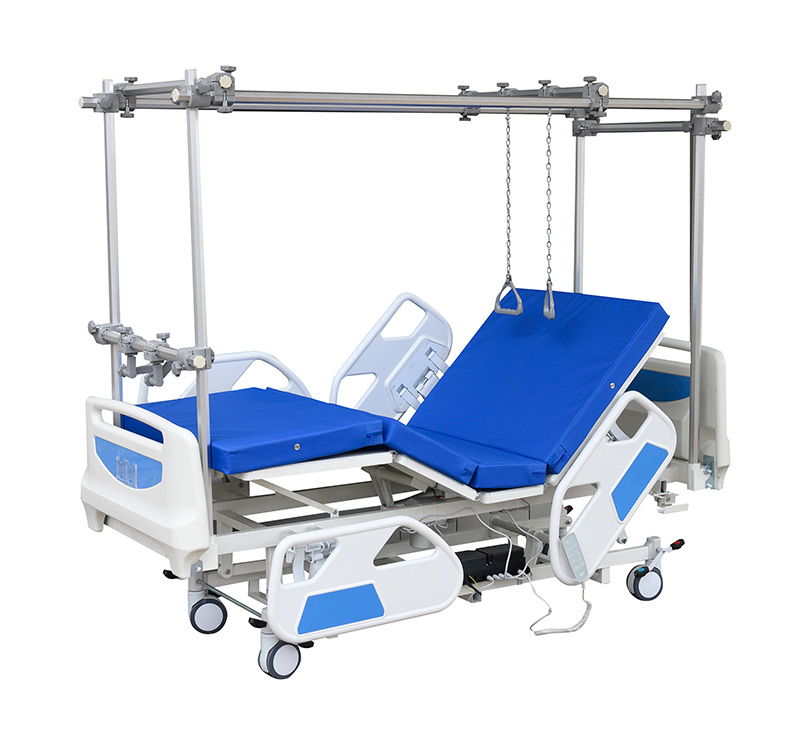
For the tech-savvy consumer, the orthopedic bed represents the ultimate “hardware” upgrade for human recovery. By integrating high-tech materials and, increasingly, digital sensors, these beds aim to solve the age-old problem of sleep-induced back pain through algorithmic precision and innovative manufacturing.
The Engineering Foundations of Orthopedic Support
To understand the technology behind an orthopedic bed, one must first look at the structural engineering that differentiates it from standard sleep products. The primary objective of an orthopedic bed is to provide “targeted support,” a feat achieved through complex layering and material density variations.
Zoning Technology and Dynamic Response
One of the most significant technological advancements in orthopedic design is the implementation of “Zoning.” Unlike a standard mattress that offers uniform resistance across its entire surface, an orthopedic mattress is engineered with different zones of firmness. Using computer-aided design (CAD), engineers create zones that correspond to the weight distribution of the human body.
The middle third of the mattress—where the heaviest part of the body, the pelvis, rests—is typically reinforced with higher-density foams or high-tensile strength coils. Conversely, the areas beneath the shoulders and head are designed with a softer dynamic response to allow for proper “sink,” preventing the spine from curving unnaturally. This technological approach ensures that the bed adapts to the user’s morphology rather than forcing the user to adapt to the bed.
Advanced Material Science: Beyond Standard Memory Foam
The “tech” in an orthopedic bed is often hidden within its chemical composition. While the term “memory foam” is common, the orthopedic niche utilizes high-performance viscoelastic polymers and open-cell structures. These materials are engineered at the molecular level to be temperature-sensitive and pressure-responsive.
Modern orthopedic beds often incorporate “phase-change materials” (PCMs). Originally developed for NASA space suits, PCMs are integrated into the top layers of the mattress to manage thermal energy. These materials absorb, store, and release heat, maintaining a consistent microclimate. This is a critical technological feature because a body that is too hot or too cold will toss and turn, misaligning the spine and defeating the orthopedic purpose of the bed.
Smart Orthopedic Integration: The Rise of IoT in Rest
As we move further into the era of the “Smart Home,” the orthopedic bed has become a hub for the Internet of Things (IoT). Today’s premium orthopedic systems are no longer static; they are active devices that monitor and respond to the sleeper in real-time.
Biometric Sensors and Sleep Tracking
High-end orthopedic beds now come equipped with integrated sensor strips or piezo-electric sensors embedded beneath the fabric layers. These sensors act as a non-wearable fitness tracker, monitoring heart rate variability (HRV), respiratory rate, and movement patterns throughout the night.
The data collected is processed via proprietary algorithms and delivered to a smartphone app, providing the user with a “Sleep Score.” For those using orthopedic beds to recover from injuries or manage chronic pain, this data is invaluable. It allows users to see a direct correlation between their sleep environment and their physiological recovery, turning the bed into a diagnostic tool for physical well-being.
AI-Driven Pressure Relief Adjustments
The most significant tech “disruptor” in the orthopedic market is the active-adjustment system. Some orthopedic beds now feature internal air chambers or motorized actuators controlled by Artificial Intelligence (AI).
As the sleeper shifts from their back to their side, the sensors detect the change in pressure distribution. Within seconds, a silent microprocessor triggers a pump to inflate or deflate specific zones of the mattress to maintain perfect spinal alignment in the new position. This real-time optimization is the pinnacle of orthopedic technology, ensuring that the “orthopedic” benefits are maintained regardless of how much a person moves during the night.

Digital Manufacturing and Customization Tools
The technology of orthopedic beds begins long before the product reaches the bedroom. The shift toward “Digital Health” has changed how these beds are manufactured and sold, moving away from mass production toward personalized sleep solutions.
3D Mapping and Digital Sleep Profiles
Before purchasing a high-tech orthopedic bed, consumers often undergo “3D Pressure Mapping.” This process involves lying on a sensor-laden test mattress that sends data to a computer, visualizing where the individual exerts the most pressure.
This digital profile allows manufacturers to custom-build a mattress tailored to the specific weight, height, and pressure points of the user. In the world of tech-driven orthopedic beds, “one size fits all” is an obsolete concept. The ability to translate a digital map of a human body into a physical product with varying density layers is a testament to the precision of modern manufacturing.
Thermal Regulation Software and Hardware
Beyond support, the orthopedic tech ecosystem addresses “thermoregulation” through integrated hardware. Some orthopedic beds now feature active cooling and heating systems—essentially a liquid-cooled or air-cooled “engine” for your mattress.
Using an app, users can set specific temperatures for different times of the night. For example, the bed can be set to be warm when you first climb in, cool down significantly during deep sleep (which is scientifically proven to improve sleep quality), and warm up again to act as a gentle thermal alarm clock. This integration of hardware and software ensures that the physical support of the orthopedic bed is complemented by an optimized biological environment.
Choosing the Right Tech: A Buyer’s Guide to Modern Orthopedic Gadgets
Navigating the market for an orthopedic bed requires a basic understanding of the tech specifications. Just as one would look at RAM or processor speed when buying a laptop, there are specific metrics to consider for a tech-heavy bed.
Software Ecosystems and App Integration
When selecting a smart orthopedic bed, consider the software ecosystem. Does the bed’s app integrate with Apple Health or Google Fit? Does it provide actionable insights or just raw data? A truly “smart” orthopedic bed should offer suggestions—such as adjusting the incline of the head or feet—to reduce snoring or improve circulation, based on the data it has collected over time.
Connectivity is also a factor. Most modern systems utilize Wi-Fi or Bluetooth Low Energy (BLE) to communicate. For users concerned about EMF (electromagnetic fields), many high-tech orthopedic brands now offer “Airplane Mode” features that allow the bed to function without active transmissions during the night, syncing data only when the user wakes up.
Maintenance and Firmware Updates for Smart Bases
The orthopedic bed of today often sits on an “Adjustable Power Base.” These bases are essentially heavy-duty robots designed to lift and tilt the mattress into various positions, such as the “Zero-G” position, which mimics the posture astronauts take during liftoff to minimize the effects of gravity on the spine.
Because these bases are controlled by microchips, they occasionally require firmware updates. This is a unique aspect of modern sleep tech; your bed can actually get better at its job over time as manufacturers refine the algorithms that control its movement and sensor sensitivity. When researching “what is an orthopedic bed,” it is essential to consider the longevity of the electronics as much as the durability of the foam.

The Future of Sleep: Precision Biomechanics
The trajectory of orthopedic bed technology is moving toward a future where the bed is a central component of preventative healthcare. We are seeing the early stages of beds that can detect signs of sleep apnea, restless leg syndrome, and even early indicators of illness through subtle changes in body temperature and heart rate.
In conclusion, an orthopedic bed is no longer just a “hard mattress.” It is a sophisticated technological suite designed to interface with the human body. Through the use of advanced materials like memory foam and PCMs, the integration of IoT sensors and AI-driven adjustments, and the precision of 3D-mapped manufacturing, the modern orthopedic bed represents a major leap in our ability to engineer better health. As we continue to prioritize data and optimization in every other facet of our lives, the technology under our sheets is finally catching up, providing a scientifically backed foundation for recovery and performance. For anyone looking to optimize their “human hardware,” investing in the tech behind an orthopedic bed is perhaps the most logical upgrade available.
aViewFromTheCave is a participant in the Amazon Services LLC Associates Program, an affiliate advertising program designed to provide a means for sites to earn advertising fees by advertising and linking to Amazon.com. Amazon, the Amazon logo, AmazonSupply, and the AmazonSupply logo are trademarks of Amazon.com, Inc. or its affiliates. As an Amazon Associate we earn affiliate commissions from qualifying purchases.