
In the world of sophisticated finance, the ability to manage risk while pursuing consistent returns is the hallmark of a successful investor. While many retail traders begin their journey by simply buying “naked” calls or puts—betting on a stock to go up or down—the professional landscape of the “Money” niche often revolves around more nuanced structures known as option spreads. An option spread is a versatile investment strategy that involves the simultaneous purchase and sale of two or more option contracts of the same underlying security.
By combining different contracts, investors can create a “spread” that limits potential losses, reduces the cost of entry, and allows for profitability even in stagnant or slightly bearish markets. Understanding option spreads is an essential step for any investor looking to transition from speculative gambling to disciplined, strategic wealth management.
Understanding the Fundamentals of Option Spreads
At its core, an option spread is about mathematical probability and risk mitigation. When you buy a single option, you are fighting against the clock (time decay) and volatility. If the stock doesn’t move far enough or fast enough, the option expires worthless. A spread changes this dynamic by hedging one position with another.
Defining the Option Spread
An option spread is defined by its multi-legged nature. Unlike a single-leg trade, a spread requires at least two “legs”—one long (purchased) and one short (sold). These contracts are typically of the same class (both calls or both puts) and involve the same underlying asset, such as a stock, ETF, or index. The primary objective is to create a net position where the characteristics of one contract offset the risks or costs of the other.
The Core Mechanics: Long and Short Positions
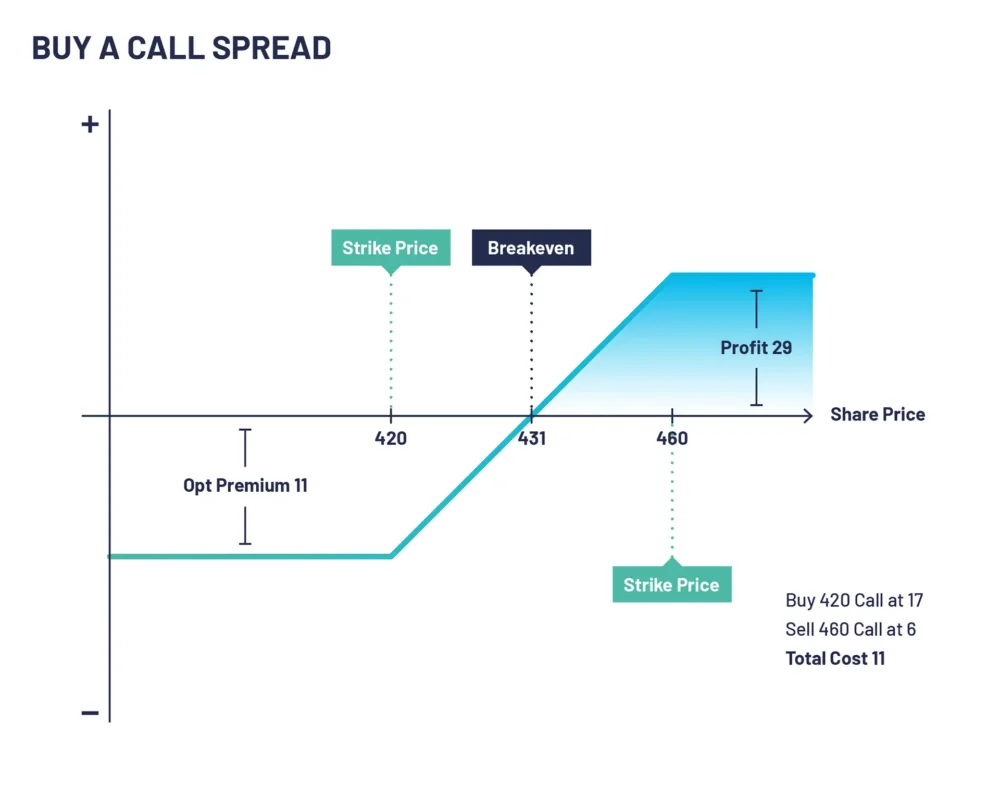
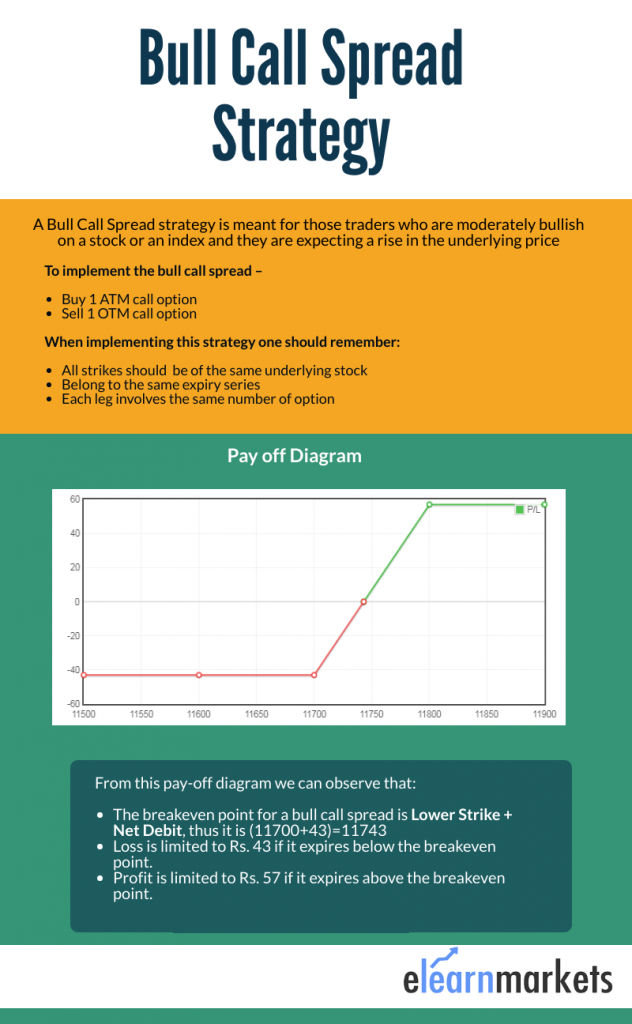
In a typical spread, the investor acts as both a buyer and a seller. For example, in a vertical call spread, you might buy a call option with a lower strike price (expecting the stock to rise) while simultaneously selling a call option with a higher strike price. The premium you receive from selling the higher strike call helps “subsidize” the cost of the call you bought. In return for this lower cost, you agree to cap your maximum potential profit. This trade-off between cost and upside is the fundamental logic of spread trading.
Why Investors Choose Spreads over Single Options
The “Money” niche prioritizes capital preservation. Single options are high-risk, high-reward instruments where the most common outcome is a 100% loss of the premium paid. Spreads are preferred by professional money managers for several reasons:
- Reduced Cost: Selling an option against your long position lowers the “out-of-pocket” expense.
- Lower Break-even Point: Because the total cost is lower, the underlying asset doesn’t need to move as far for the trade to become profitable.
- Mitigating Time Decay: In a spread, the time decay (Theta) of the option you sold works in your favor, partially or fully offsetting the decay of the option you bought.
Categorizing Option Spreads: Vertical, Horizontal, and Diagonal
To navigate the financial markets effectively, one must understand how spreads are structured. In the realm of business finance and investing, spreads are generally categorized by two variables: the strike price and the expiration date.
Vertical Spreads
The vertical spread is the most common type and serves as the foundation for many professional portfolios. In a vertical spread, both options have the same expiration date but different strike prices.
- Bull Vertical Spreads: Used when an investor is moderately bullish. They buy a lower strike and sell a higher strike.
- Bear Vertical Spreads: Used when an investor is moderately bearish. They buy a higher strike and sell a lower strike.
The term “vertical” comes from how these trades are often listed in an options chain, with strike prices stacked vertically.
Horizontal (Calendar) Spreads
A horizontal spread, often called a calendar spread, involves options with the same strike price but different expiration dates. The goal here is usually to exploit the difference in time decay between short-term and long-term options. An investor might sell a call that expires in one week and buy a call that expires in one month. The “Money” strategy here is to profit from the rapid erosion of the short-term option’s value while maintaining a long-term position.
Diagonal Spreads
As the name suggests, a diagonal spread is a hybrid. It involves options with different strike prices and different expiration dates. This is a highly sophisticated tool used to manage both price movement and time decay simultaneously. It requires a deep understanding of market mechanics and is often used by seasoned income-generation strategists to “rent out” their long-term positions for short-term premium.
Managing Risk and Reward with Credit and Debit Spreads
In personal and business finance, cash flow is king. Option spreads are categorized by how they affect your account’s cash balance at the time of execution: Debit Spreads and Credit Spreads.
Debit Spreads: Paying for Probability
A debit spread occurs when the cost of the option you buy is greater than the premium you receive from the option you sell. This results in a net “debit” (money leaving your account).
- Strategic Use: Investors use debit spreads when they expect a significant move in the underlying asset but want to reduce the total capital at risk.
- The Benefit: You have a defined maximum loss (the amount paid) and a defined maximum profit, providing a clear risk-to-reward ratio that is essential for long-term financial planning.
Credit Spreads: Selling Volatility and Time
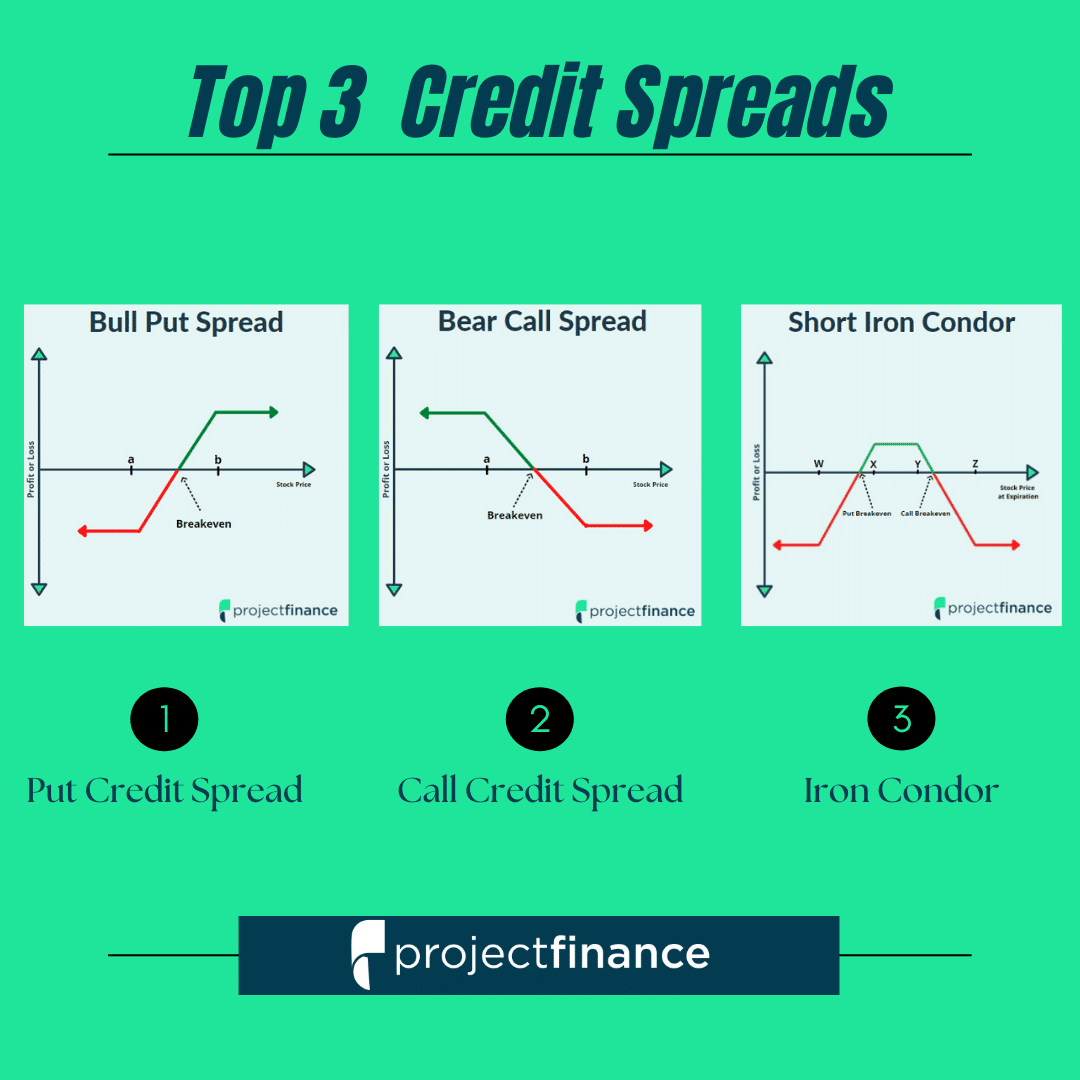
A credit spread occurs when the premium you receive from the sold option is higher than the cost of the purchased option. This results in a net “credit” (money entering your account) upfront.
- Strategic Use: This is a favorite strategy for income-focused investors. By selling a credit spread, you are essentially betting that a stock won’t move past a certain point.
- The Advantage: You can be “wrong” about the direction of the stock and still make money, as long as the stock stays within a specific range. This creates a high probability of success, which is a core pillar of conservative wealth building.
The Concept of Maximum Profit and Maximum Loss
Every spread has a “floor” and a “ceiling.” Unlike buying a stock where the loss can theoretically be 100% and the gain is infinite, spreads define the boundaries. This predictability allows investors to calculate their “Expectancy”—the mathematical average of what they expect to make over hundreds of trades. In the “Money” niche, having a predictable outcome is far more valuable than a “moonshot” bet that rarely pays off.
Popular Advanced Spread Strategies for Different Market Conditions
Beyond simple vertical moves, the financial markets offer tools for neutral, volatile, or range-bound environments. These multi-leg spreads are the “Swiss Army Knives” of the investing world.
The Iron Condor: Profiting from Neutral Markets
The Iron Condor is a legendary strategy among income investors. It involves selling both a bear call spread and a bull put spread simultaneously. Essentially, you are betting that the stock will stay “trapped” between two price points. If the stock remains within that range until expiration, the investor keeps the entire credit received. This is a pure play on low volatility and time decay.
Butterfly Spreads: Pinpointing Price Targets
A Butterfly spread is a neutral strategy that combines bull and bear spreads. It uses three different strike prices. The goal is for the underlying asset to close exactly at the middle strike price at expiration. While difficult to “pin,” the Butterfly offers an exceptionally high reward-to-risk ratio, making it an attractive tool for disciplined traders who have a specific price target in mind for a corporate earnings report or economic announcement.
Straddles and Strangles vs. Spreads
While not spreads in the traditional “directional” sense, these strategies involve multiple legs to profit from volatility. However, true spreads (like the Iron Condor) are generally preferred in the “Money” niche because they are “risk-defined.” A naked straddle has unlimited risk; a spread always has a protective “wing” that caps how much money can be lost.
Essential Considerations for Trading Spreads
Success in the financial markets requires more than just knowing the definitions; it requires an understanding of the forces that move the price of these instruments.
The Impact of Greeks (Delta, Theta, Vega)
Every option spread is governed by “The Greeks.”
- Delta measures price sensitivity. Spreads allow you to fine-tune your Delta—becoming “Delta Neutral” if you don’t care which way the market moves.
- Theta is your best friend in credit spreads; it represents the daily profit you earn as time passes.
- Vega measures sensitivity to volatility. Strategic investors use spreads to “sell” high volatility (when markets are panicking) and “buy” low volatility (when markets are calm).
Transaction Costs and Slippage
In the business of finance, “friction” kills returns. Because spreads involve at least two contracts, you will pay double the commissions (if your broker charges them) and face “slippage” on the bid-ask spread for both legs. An investor must ensure that the potential profit of the spread justifies the increased transaction costs. This is why many professionals focus on high-volume, liquid assets like the S&P 500 ETF (SPY) or large-cap tech stocks.
The Importance of a Defined Exit Strategy
The most critical component of money management is knowing when to leave. Option spreads offer a structured way to manage exits. Professional investors rarely wait for expiration; they often “buy back” their spreads at 50% of the maximum profit to de-risk their portfolio. Similarly, they have strict “stop-loss” points to ensure that one losing trade does not wipe out the gains from five winning ones.
In conclusion, an option spread is not just a trading tactic; it is a comprehensive framework for managing capital. By shifting the focus from “Will this stock go up?” to “What is the probability of this stock staying within this range?”, an investor gains a significant edge. Whether using vertical debits to capture growth or iron condors to generate monthly income, spreads provide the professional-grade tools necessary to navigate the complexities of the modern financial landscape with confidence and precision.
aViewFromTheCave is a participant in the Amazon Services LLC Associates Program, an affiliate advertising program designed to provide a means for sites to earn advertising fees by advertising and linking to Amazon.com. Amazon, the Amazon logo, AmazonSupply, and the AmazonSupply logo are trademarks of Amazon.com, Inc. or its affiliates. As an Amazon Associate we earn affiliate commissions from qualifying purchases.