
In the modern landscape of digital saturated marketing, traditional advertising often hits a wall of consumer skepticism. Brands can no longer rely solely on product features or flashy visuals to capture market share. Instead, they must establish a voice. This is where the “opinion piece”—often referred to in the professional world as thought leadership or an op-ed—becomes a critical tool. An opinion piece is a short-form prose work that expresses a specific, subjective viewpoint on a relevant issue, trend, or industry shift. In the context of brand strategy, it is the bridge between a company’s internal values and its external reputation.
Defining the Opinion Piece in a Brand Context
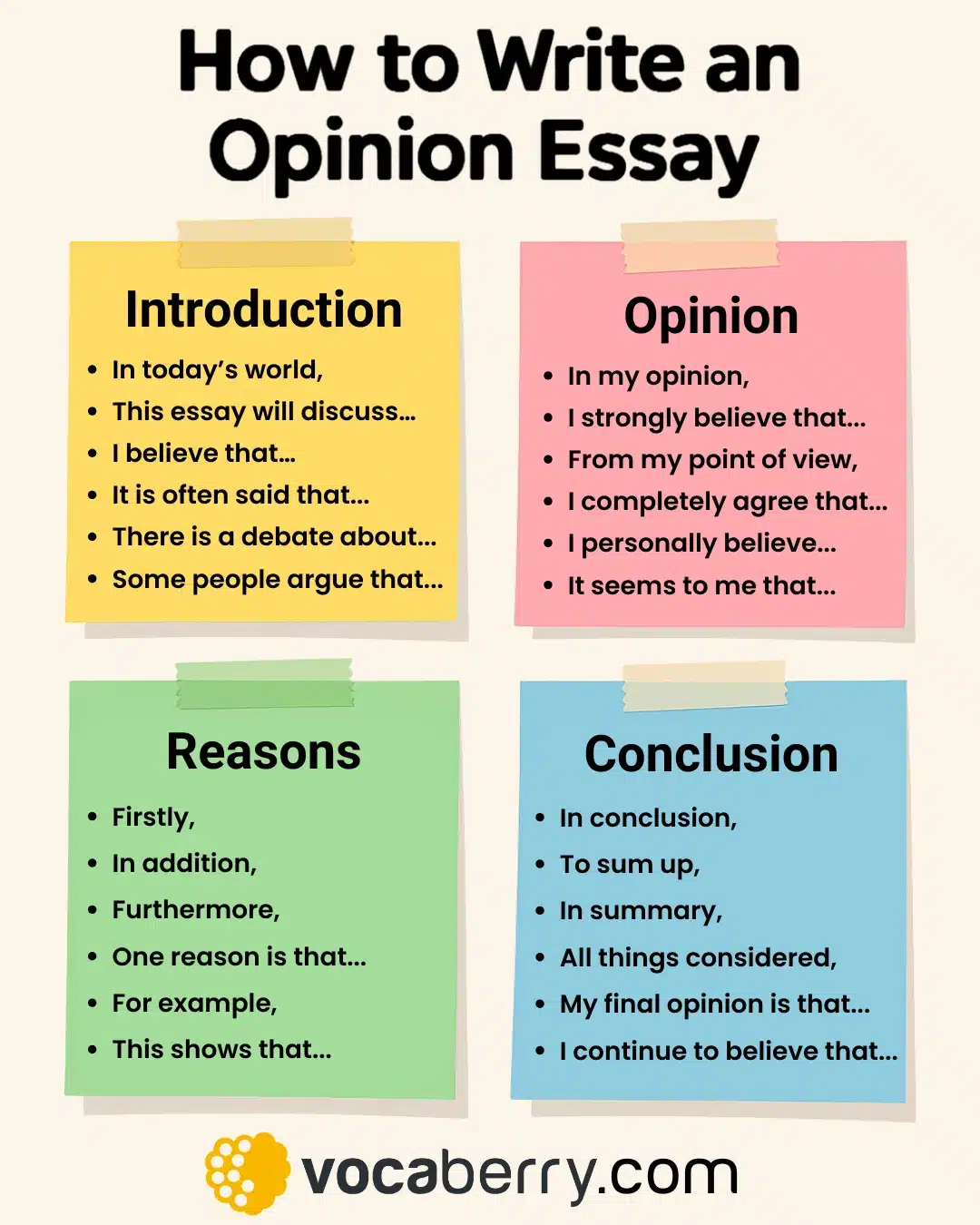
At its core, an opinion piece is a strategic narrative. Unlike a news report that aims for objective neutrality, an opinion piece is intentionally biased toward a particular perspective. For a brand, this doesn’t mean being “political” in the traditional sense; rather, it means taking a stand on how an industry should evolve, how a problem should be solved, or how a culture should be shaped.
Beyond Fact-Based Reporting: The Value of Perspective
In brand communication, facts are the baseline, but perspective is the differentiator. Anyone can report that “remote work is increasing,” but a brand strategy that utilizes an opinion piece will argue why remote work is failing the next generation of creative talent, or how it is the only way to build a truly global corporate identity. The value of an opinion piece lies in its ability to interpret data through the lens of a brand’s unique philosophy. It transforms a company from a silent provider of services into an active participant in the global conversation.
The Difference Between Marketing Copy and Opinion Pieces
It is a common mistake to conflate marketing copy with opinion-based content. Marketing copy is designed to convert—it focuses on benefits, features, and calls to action (CTAs). An opinion piece, however, is designed to influence. Its goal is to change the reader’s mind, reinforce a shared value, or spark a debate. While marketing copy says, “Buy our eco-friendly soap,” a brand-led opinion piece argues, “The beauty industry’s obsession with plastic packaging is a systemic failure of leadership.” One sells a product; the other builds a brand’s moral and intellectual authority.
The Role of Opinion Pieces in Personal and Corporate Branding
The strategic deployment of opinion pieces serves two primary functions: it elevates the corporate identity and accelerates the personal branding of its leaders. In an era where consumers buy from people rather than faceless corporations, the “human” element of a brand is its strongest competitive advantage.
Establishing Authority and Thought Leadership
Thought leadership is the pinnacle of brand strategy. When a CEO or a brand strategist publishes a compelling opinion piece in a major outlet like Harvard Business Review or Fast Company, they are claiming “territory” in the industry’s intellectual landscape. This authority cascades down to the brand itself. If the leader is seen as a visionary who can predict industry trends or challenge outdated norms, the brand is perceived as innovative and trustworthy. This intellectual equity makes the brand the “go-to” source, reducing the cost of customer acquisition over the long term.
Humanizing the Brand through Individual Voices
Corporate identity can often feel sterile. Opinion pieces allow a brand to speak with a human voice. By giving executives and subject matter experts a platform to share their personal convictions, a brand creates an emotional touchpoint with its audience. When a Chief Design Officer writes an opinion piece about the “death of minimalism,” they aren’t just talking about aesthetics; they are sharing a piece of the brand’s soul. This vulnerability and transparency build a level of rapport that a standard press release never could.
Crafting a Compelling Brand Opinion: Strategy and Execution
Writing an opinion piece for a brand requires more than just a strong feeling. It requires a tactical approach that aligns with the broader marketing goals while maintaining the integrity of an independent viewpoint. A weak opinion piece is ignored; a polarizing or poorly reasoned one can damage a corporate identity.
Identifying Your Unique Angle or “Spiky Point of View”
The most successful opinion pieces center around what brand strategists call a “spiky point of view.” This is a perspective that is non-obvious, perhaps even controversial, but deeply rooted in the brand’s expertise. To find this angle, a brand must ask: What does everyone in our industry believe that we think is wrong? What is a trend that everyone is ignoring? For example, if every competitor is praising the efficiency of AI in customer service, a brand focused on “Premium Human Touch” might write an opinion piece on “The Cost of Efficiency: Why AI is Eroding Customer Loyalty.” This contrast creates immediate interest and defines the brand’s niche.
Structuring the Argument for Maximum Impact
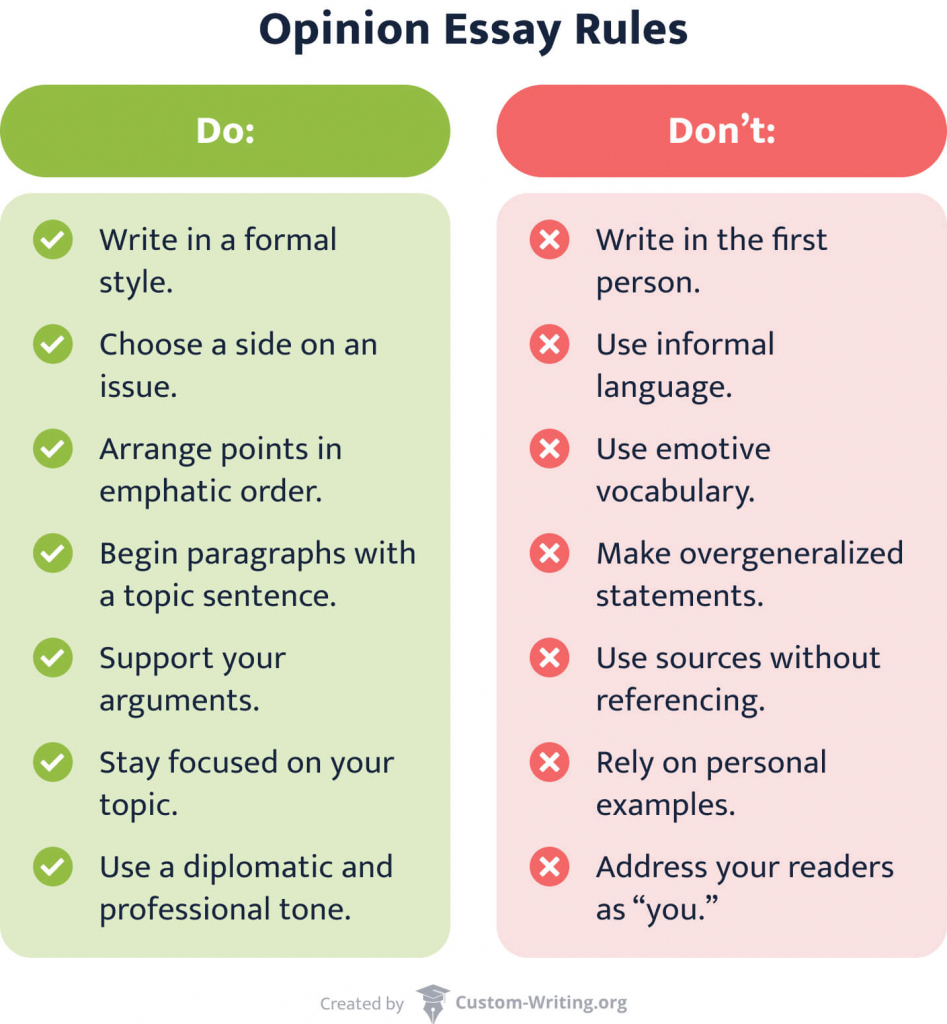
A professional opinion piece must be logically sound to be persuasive. The structure typically follows a clear path:
- The Hook: A provocative opening statement that challenges the status quo.
- The Context: Briefly explaining the current landscape and why the topic matters now.
- The Thesis: A clear declaration of the brand’s stance.
- The Evidence: Using case studies, data, or anecdotal experience from the brand’s history to support the claim.
- The Counter-Argument: Acknowledging the opposing view to build credibility, then effectively dismantling it.
- The Call to Action (Strategic): Not a “buy now” button, but a “think differently” invitation. It should leave the reader with a new framework for viewing the world.
Distribution and Measurement: Making the Opinion Count
Even the most brilliant opinion piece is useless if it exists in a vacuum. A brand’s distribution strategy is just as important as the content itself. Furthermore, because opinion pieces are at the top of the marketing funnel, they require a different set of metrics than a standard sales campaign.
Choosing the Right Platforms: Earned vs. Owned Media
Brand strategy dictates where an opinion piece should live.
- Owned Media: Publishing on the company blog or a leader’s LinkedIn newsletter offers total control and helps with SEO and nurturing an existing audience.
- Earned Media: Pitching the piece to external publications (industry journals, national newspapers, or niche digital magazines) provides third-party validation. Being published in an external outlet transfers the prestige of that publication to the brand.
A balanced strategy usually involves “The Waterfall Method”: pitching the strongest piece to an external outlet first, and then repurposing the core ideas for owned channels once the exclusive period has passed.
Measuring the ROI of Brand Sentiment
Measuring the success of an opinion piece is about “Share of Voice” and “Sentiment Analysis” rather than direct conversions. Key Performance Indicators (KPIs) include:
- Engagement Quality: Are industry peers commenting and sharing the piece? Is it sparking meaningful discussion on LinkedIn?
- Media Mentions: Does the opinion piece lead to interview requests or citations in other articles?
- Brand Association: Over time, does the brand become synonymous with the topic addressed? For example, if a brand consistently writes about “The Future of Ethical Fashion,” do customers mention ethics when surveyed about the brand?
These metrics provide a roadmap for how the opinion piece is shifting the needle on corporate identity.

The Strategic Necessity of the Opinion Piece
In conclusion, an opinion piece is not merely an “extra” content format; it is a foundational element of a sophisticated brand strategy. It allows a business to transcend its product offerings and occupy a space in the mind of the consumer as a leader, a thinker, and a trusted advisor. By identifying a unique perspective, crafting a rigorous argument, and distributing it through the right channels, a brand can use the power of opinion to build a legacy of influence. In an age of automation, the ability to form and articulate a compelling, human opinion is perhaps the most valuable asset a brand can possess.
aViewFromTheCave is a participant in the Amazon Services LLC Associates Program, an affiliate advertising program designed to provide a means for sites to earn advertising fees by advertising and linking to Amazon.com. Amazon, the Amazon logo, AmazonSupply, and the AmazonSupply logo are trademarks of Amazon.com, Inc. or its affiliates. As an Amazon Associate we earn affiliate commissions from qualifying purchases.