
The automotive world, once a realm dominated by mechanical expertise and hands-on diagnostics, has increasingly embraced the digital age. At the heart of this transformation lies a seemingly unassuming, yet critically important component: the On-Board Diagnostics (OBD) port. For the modern car owner, understanding the OBD port is no longer a niche concern for mechanics; it’s an entry point into a deeper comprehension of vehicle health, performance, and even the cutting-edge technologies that are redefining personal transportation. This article will demystify the OBD port, exploring its origins, its functionality, and its multifaceted role in today’s tech-driven automotive landscape.

The Evolution of Vehicle Diagnostics: From Mechanic’s Ear to Digital Brain
The need to diagnose vehicle issues has been a constant since the invention of the automobile. Early methods relied heavily on the keen senses and experience of mechanics, who would listen to engine sounds, smell for unusual odors, and visually inspect components. While effective to a degree, these methods were subjective, time-consuming, and often required extensive trial and error. As vehicles became more complex with the introduction of electronic fuel injection and emissions control systems, the limitations of purely manual diagnostics became apparent.
Early Attempts at Electronic Monitoring
The seeds of the OBD system were sown in the 1970s, driven by growing concerns over vehicle emissions. Regulatory bodies, particularly in California, began mandating that vehicles be equipped with systems to monitor and report on their emissions control performance. These early systems, often referred to as OBD-I, were rudimentary by today’s standards. They typically involved a limited number of diagnostic trouble codes (DTCs) that could be accessed through specialized, often manufacturer-specific, equipment. The information provided was basic, and the diagnostic process remained largely within the purview of authorized service centers.
The Birth of OBD-II: Standardization and Accessibility
The real revolution in vehicle diagnostics arrived with the widespread adoption of the On-Board Diagnostics II (OBD-II) standard. Mandated in the United States for all passenger vehicles manufactured from 1996 onwards, and subsequently adopted globally, OBD-II brought a much-needed layer of standardization. This meant that a single type of connector and a common set of communication protocols could be used to access a wealth of diagnostic information, regardless of the vehicle’s manufacturer.
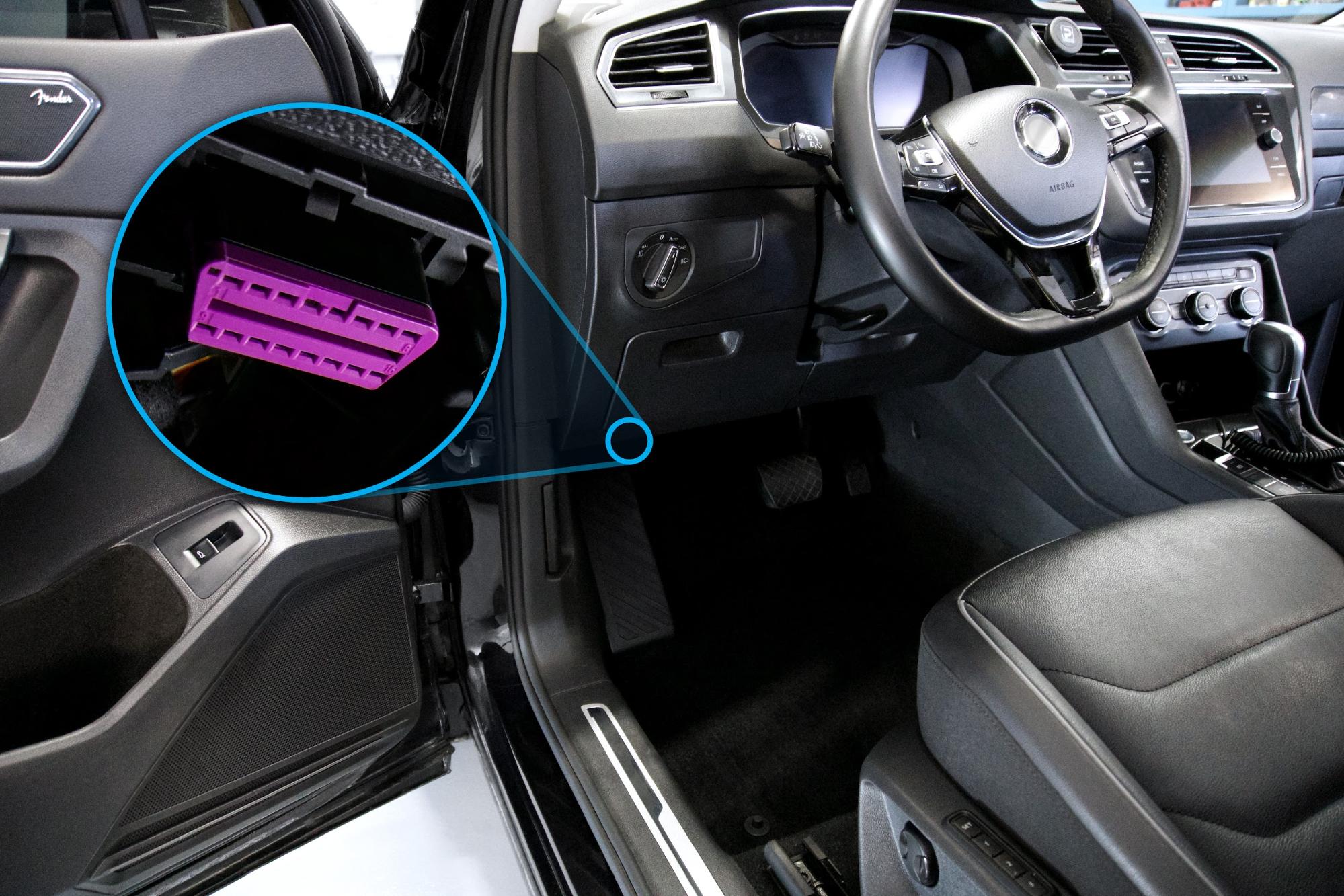
The OBD-II standard defined a universal diagnostic connector, typically located within reach of the driver – usually under the dashboard on the driver’s side. It also established a standardized set of DTCs, making it easier for mechanics and even car owners to identify specific problems. This standardization was a monumental leap forward, democratizing vehicle diagnostics and paving the way for a host of new technologies and applications.
Understanding the OBD Port: Functionality and Connectivity
At its core, the OBD port is the gateway to a vehicle’s internal computer systems. It’s a physical interface that allows external devices to communicate with the car’s Engine Control Unit (ECU) – often referred to as the “brain” of the vehicle. The ECU is responsible for managing a vast array of functions, including engine performance, fuel injection, ignition timing, emissions control, and even some aspects of the transmission and anti-lock braking systems.
The Physical Connector and Its Location
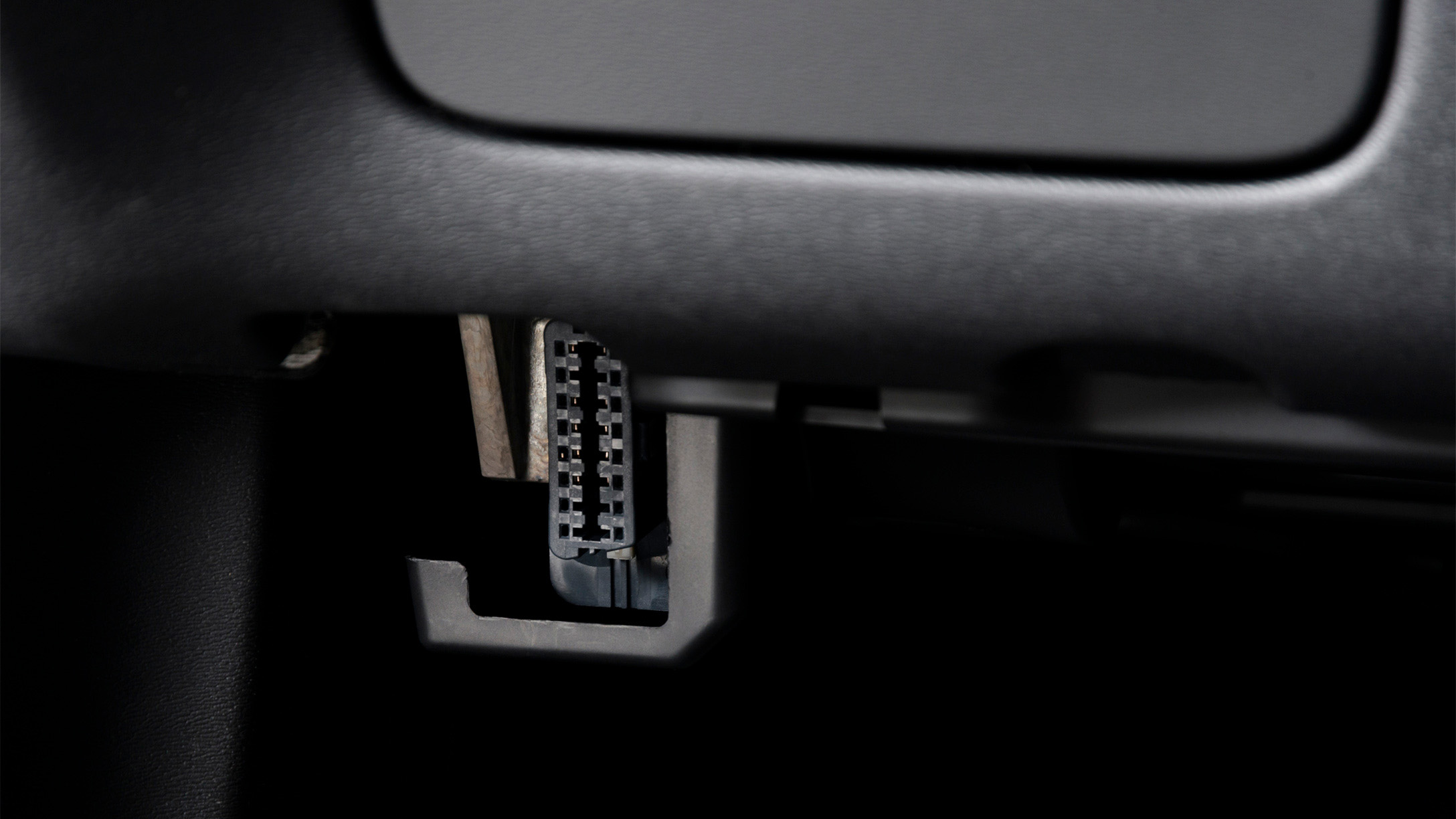
The OBD-II connector is a 16-pin trapezoidal socket. While the physical connector is standardized, its exact location can vary slightly between vehicle makes and models. The most common placements include:
- Under the dashboard on the driver’s side: This is by far the most prevalent location, typically found near the steering column.
- Near the center console: In some vehicles, it might be located in the vicinity of the gear shifter or the center armrest.
- Behind a small panel: Occasionally, the port might be concealed behind a small removable panel or a cover.
The standardized nature of the connector ensures that a wide range of diagnostic tools can plug in and establish a connection.
Communication Protocols and Data Exchange
The magic behind the OBD port lies in the communication protocols it employs. OBD-II supports several standardized protocols, including:
- SAE J1850 PWM (Pulse Width Modulation): Commonly used by Ford and some other manufacturers.
- SAE J1850 VPW (Variable Pulse Width Modulation): Primarily used by General Motors (GM).
- ISO 9141-2: Used by a variety of European and Asian manufacturers.
- ISO 14230 KWP2000 (Keyword Protocol 2000): An evolution of ISO 9141-2, also used by many manufacturers.
- ISO 15765 CAN (Controller Area Network): This is the most modern and widely adopted protocol, prevalent in vehicles from the mid-2000s onwards. CAN is known for its speed, efficiency, and robustness, making it ideal for transmitting large amounts of data from various vehicle modules.
When a diagnostic tool is connected to the OBD port, it negotiates with the vehicle’s ECU to determine which protocol to use. Once a connection is established, the tool can request specific data parameters, such as engine RPM, coolant temperature, throttle position, fuel system status, and, crucially, any active diagnostic trouble codes (DTCs).
Diagnostic Trouble Codes (DTCs): Unlocking Vehicle Secrets
Diagnostic trouble codes are alphanumeric identifiers that the vehicle’s ECU generates when it detects a fault or an anomaly in a monitored system. These codes are the primary language of diagnostic tools. For example, a common DTC like “P0300” indicates a “random/multiple cylinder misfire detected.” By referencing a database of DTCs, a mechanic or car owner can quickly pinpoint the general area of the problem, saving significant time and effort in diagnosis.
OBD-II DTCs are categorized into several groups:
- P Codes (Powertrain): These relate to the engine and transmission systems.
- B Codes (Body): These cover issues with the vehicle’s body control modules, such as airbags, power windows, and climate control.
- C Codes (Chassis): These relate to the vehicle’s chassis systems, including brakes and steering.
- U Codes (Network): These indicate problems with the vehicle’s communication network, often between different electronic control units.
Each of these categories is further divided into specific codes that provide increasingly detailed information about the nature of the fault.
Beyond Basic Diagnostics: The Expanding Role of the OBD Port in Tech
While its primary function is to facilitate diagnostics, the OBD port has evolved into a pivotal point for integrating advanced technologies into vehicles. The rich stream of data it provides is the foundation for a new generation of automotive applications and innovations, fundamentally changing how we interact with and understand our cars.
OBD-II Scanners and Code Readers: Empowering the Consumer
The advent of affordable OBD-II scanners and code readers has dramatically empowered car owners. These devices range from simple handheld units that read and clear DTCs to sophisticated tools that offer real-time data logging, performance monitoring, and even live sensor readings. This accessibility allows individuals to:
- Proactively identify minor issues: Catching small problems before they escalate can save significant repair costs.
- Communicate more effectively with mechanics: Understanding the DTCs can lead to more informed conversations with service technicians.
- Track vehicle performance: Monitor parameters like fuel economy, engine load, and acceleration to optimize driving habits.
- Perform basic troubleshooting: In many cases, understanding the DTC can help a car owner make simple repairs or determine if a trip to the mechanic is immediately necessary.
The Rise of OBD-II Apps and Bluetooth Dongles
The integration of smartphones and tablets has further amplified the utility of the OBD port. Small, inexpensive Bluetooth or Wi-Fi dongles that plug into the OBD port transmit vehicle data wirelessly to a mobile device. This enables a wide array of sophisticated applications that turn your smartphone into a powerful diagnostic and monitoring tool. Popular OBD-II apps offer features such as:
- Real-time dashboard: Displaying vital engine parameters on your phone screen.
- Fuel economy tracking: Analyzing driving habits to improve fuel efficiency.
- Trip logging and analysis: Recording detailed information about each journey.
- Performance tuning: For enthusiasts, some apps allow for adjustments to engine parameters (though this requires caution and expertise).
- Diagnostic assistance: Providing detailed explanations of DTCs and potential solutions.
- Vehicle maintenance reminders: Based on actual usage and sensor data, rather than just mileage.
These apps leverage the continuous data stream from the OBD port to provide insights that were previously only accessible to professional mechanics.
Telematics and Connected Car Technology
The OBD port also plays a crucial role in the burgeoning field of telematics and connected car technology. Many aftermarket telematics devices, often used by fleet management companies or insurance providers, utilize the OBD port to gather vehicle data. This data can include:
- Location tracking (GPS): Essential for fleet management and stolen vehicle recovery.
- Driving behavior analysis: Monitoring speed, acceleration, braking, and cornering to assess driver safety and efficiency.
- Vehicle health monitoring: Sending alerts for potential mechanical issues to a central server or the owner.
- Usage-based insurance (UBI): Insurance companies use data from OBD devices to offer personalized premiums based on actual driving habits, rewarding safer drivers.
The OBD port is the vital link that allows these sophisticated systems to collect the necessary information, contributing to improved safety, efficiency, and personalized services in the automotive sector.
The Future of the OBD Port: Integration, AI, and Beyond
As vehicles become even more sophisticated, with the integration of advanced driver-assistance systems (ADAS), autonomous driving capabilities, and complex software architectures, the role of the OBD port is set to evolve further. The data it provides will become increasingly critical for understanding and managing these advanced systems.
Increased Data Richness and Higher Bandwidth Protocols
Future iterations of automotive diagnostic interfaces may move beyond the current OBD-II standards to accommodate the sheer volume and complexity of data generated by next-generation vehicles. This could involve higher bandwidth communication protocols, allowing for faster and more comprehensive data retrieval, essential for diagnosing issues in intricate interconnected systems like ADAS and autonomous driving sensors.
AI-Powered Diagnostics and Predictive Maintenance
The integration of Artificial Intelligence (AI) with OBD data holds immense promise. AI algorithms can analyze vast datasets from multiple vehicles to identify patterns and anomalies that might escape human detection. This can lead to:
- Predictive maintenance: AI can forecast potential component failures before they occur, allowing for proactive repairs and preventing costly breakdowns.
- Enhanced diagnostic accuracy: AI can correlate DTCs with real-time sensor data and historical repair information to provide more precise diagnoses.
- Personalized driving insights: AI can offer tailored recommendations for optimizing fuel efficiency, performance, and driving style based on individual usage patterns.
The OBD port will serve as the primary conduit for this AI-driven automotive intelligence, transforming vehicle ownership from a reactive experience to a proactive and predictive one.
Cybersecurity and the OBD Port
As vehicles become more connected and reliant on digital systems, cybersecurity becomes paramount. The OBD port, being a direct interface to the vehicle’s internal network, presents a potential vulnerability if not properly secured. Manufacturers and third-party providers are increasingly focusing on implementing robust security measures to prevent unauthorized access and malicious attacks that could compromise vehicle systems or steal sensitive data. The evolution of the OBD port will undoubtedly include enhanced security protocols and encryption methods.
The OBD Port and the Transition to Electric Vehicles (EVs)
While the OBD-II standard was designed with internal combustion engines in mind, its principles are being adapted for electric vehicles. EVs have their own complex systems, including battery management systems (BMS), motor controllers, and charging systems, all of which generate diagnostic data. While the specific parameters and DTCs may differ, the concept of a standardized port for accessing this data remains crucial. As EVs become more prevalent, the OBD port’s role in their diagnosis and performance monitoring will continue to be essential, albeit with a focus on different automotive components.
In conclusion, the OBD port, though often overlooked, is a cornerstone of modern automotive technology. From its humble beginnings as a tool for emissions control, it has evolved into a sophisticated gateway that empowers consumers, facilitates advanced diagnostics, and underpins the connected car revolution. As automotive technology continues its relentless march forward, the OBD port will undoubtedly remain at the forefront, adapting and expanding its role in shaping the future of personal transportation.
aViewFromTheCave is a participant in the Amazon Services LLC Associates Program, an affiliate advertising program designed to provide a means for sites to earn advertising fees by advertising and linking to Amazon.com. Amazon, the Amazon logo, AmazonSupply, and the AmazonSupply logo are trademarks of Amazon.com, Inc. or its affiliates. As an Amazon Associate we earn affiliate commissions from qualifying purchases.