
The digital landscape has undergone a seismic shift in how value is perceived, stored, and transferred. At the heart of this transformation is the Non-Fungible Token, or NFT. While often dismissed by skeptics as mere digital imagery, the financial world increasingly views NFTs as a sophisticated evolution of property rights and a legitimate, albeit volatile, asset class. For the modern investor or individual seeking new avenues for online income, understanding the financial mechanics of NFTs is no longer optional—it is a prerequisite for navigating the future of digital wealth.

Understanding NFTs as a New Financial Asset Class
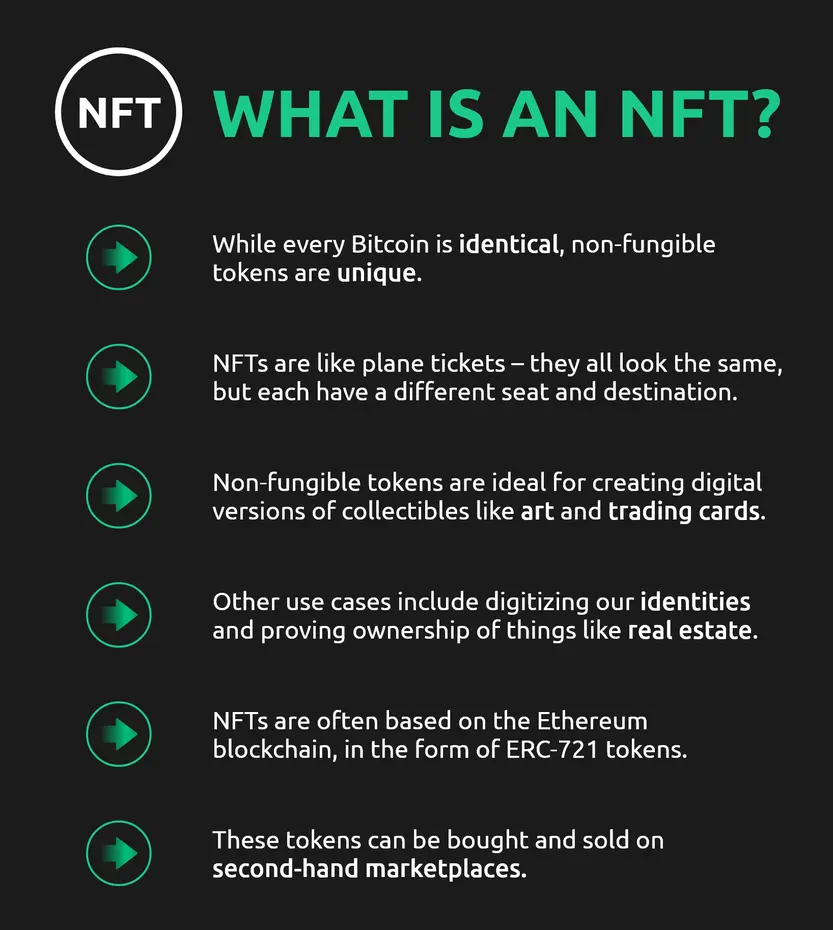
To grasp the value of an NFT, one must first understand the economic concept of “fungibility.” In personal finance, most assets we deal with are fungible. A ten-dollar bill is fungible because it can be exchanged for any other ten-dollar bill, and the value remains identical. Similarly, one Bitcoin is fungible with another Bitcoin. NFTs break this mold by introducing “non-fungibility” to the digital world.
From Fungible to Non-Fungible: A Financial Definition
A Non-Fungible Token is a unique digital certificate of ownership powered by blockchain technology. Unlike a standard cryptocurrency, no two NFTs are the same. In financial terms, an NFT represents a “unit of data” that provides proof of authenticity for a specific digital or physical item. This uniqueness creates “digital scarcity,” a concept that was previously impossible in an era where digital files could be copied and pasted infinitely. By attaching a financial value to this scarcity, NFTs have transformed digital files into tradable assets.
How Blockchain Validates Scarcity and Ownership
The financial integrity of an NFT relies on the underlying blockchain—usually Ethereum, Solana, or Polygon. The blockchain acts as a public ledger that records every transaction. For an investor, this provides an unprecedented level of transparency. You can track the provenance of an asset, seeing exactly who owned it previously and what price they paid. This ledger eliminates the need for expensive third-party authenticators often required in the traditional art or collectibles market, thereby reducing the friction of high-value transactions.
The Investment Landscape: Why Capital is Flowing into NFTs
The surge of capital into the NFT market is driven by more than just trend-following; it is driven by the search for yield and portfolio diversification. As traditional markets face inflationary pressures, many investors are looking toward alternative assets to hedge their bets.
Speculative Trading vs. Long-term Value
The NFT market generally splits into two financial strategies: speculative flipping and long-term value investing. Speculative traders look for “hyped” projects, often during the “minting” phase, with the intent to sell (or “flip”) the asset as soon as the floor price rises. Conversely, long-term investors look for “Blue Chip” NFTs—projects like CryptoPunks or Bored Ape Yacht Club—that have established historical significance and a strong community. These assets are often viewed similarly to fine art, where the value is expected to appreciate over years rather than days.
Diversifying Your Digital Portfolio
In a balanced financial plan, diversification is key. NFTs offer a way to diversify a portfolio that may already be heavy in stocks, bonds, and traditional cryptocurrencies. Because the NFT market often moves independently of the S&P 500 or even the price of Bitcoin, it can provide a “de-correlated” asset class. However, because NFTs are “illiquid” (you cannot always sell them instantly at the market price), they typically occupy the high-risk, high-reward portion of a sophisticated investment portfolio.
Monetizing Creativity: NFTs as a Side Hustle and Income Stream

One of the most compelling aspects of the NFT ecosystem is the democratization of income. It has opened doors for creators and entrepreneurs to build sustainable online businesses and side hustles that were previously gatekept by galleries, record labels, and publishing houses.
Royalties and Secondary Market Revenue
The most revolutionary financial feature of NFTs for creators is the “smart contract” royalty. In the traditional art world, a painter sells a canvas once and never sees another cent, even if that painting later sells for millions. With NFTs, creators can program a royalty percentage (typically 5% to 10%) into the asset’s code. Every time that NFT is resold on a secondary market like OpenSea or Magic Eden, the original creator automatically receives a portion of the sale price. This creates a recurring passive income stream that grows as the asset’s value increases.
Play-to-Earn (P2E) and Financial Incentives in Gaming
The intersection of NFTs and gaming has birthed the “Play-to-Earn” model, a legitimate side hustle for thousands of individuals globally. In these ecosystems, in-game items—such as land, skins, or characters—are NFTs. Players can earn these assets through gameplay and then sell them for cryptocurrency on open markets. This turns a leisure activity into a productive economic endeavor, allowing gamers to extract real-world value from the time they spend in virtual environments.
Risks and Financial Due Diligence
No discussion of NFTs as a money-making tool is complete without a sober analysis of the risks involved. The digital asset space is frequently described as the “Wild West” of finance, characterized by extreme volatility and sophisticated bad actors.
Market Volatility and Liquidity Issues
Unlike a stock that you can sell at the click of a button during market hours, an NFT is only worth what a specific buyer is willing to pay for it at a specific moment. This is known as liquidity risk. During a market downturn, the “floor price” (the lowest price for an item in a collection) can crash rapidly, and you may find yourself holding an asset that no one wants to buy. Investors must be prepared for the possibility of a total loss of capital, a reality that underscores the importance of only investing “risk capital”—money you can afford to lose.
Navigating Scams and Ensuring Asset Security
The decentralized nature of NFTs means that you are your own bank. This comes with significant responsibility. “Rug pulls”—where developers abandon a project after taking investors’ money—and “phishing scams”—where hackers trick you into giving up your wallet’s private keys—are common. From a financial security standpoint, utilizing “cold storage” (hardware wallets like Ledger or Trezor) is essential for protecting high-value NFT investments. Due diligence involves researching the team behind a project, analyzing their roadmap, and checking the “tokenomics” to ensure the project is financially sustainable.
The Future of Digital Wealth and Tokenization
As we look toward the next decade, the “What is an NFT” question will shift from art and collectibles to the tokenization of everything. This represents the next frontier in business finance and personal wealth management.
Real-World Asset (RWA) Tokenization
The future of NFTs lies in “Real-World Assets.” Imagine owning a fraction of a commercial apartment building or a rare vintage car, represented by an NFT. Tokenization allows high-value physical assets to be broken down into smaller, affordable “fractions.” This lowers the barrier to entry for real estate and luxury investment, allowing a person with $1,000 to earn pro-rata rental income from a property that would otherwise cost $1 million. This use case moves NFTs away from speculative JPEGs and toward a fundamental tool for global finance.
Tax Implications of Digital Asset Trading
From a personal finance perspective, it is crucial to recognize that the tax man is watching the NFT space. In many jurisdictions, including the United States (IRS), NFTs are treated as property. This means every time you sell an NFT for a profit, or even trade one NFT for another, you have triggered a taxable event. Understanding capital gains tax, keeping meticulous records of your “cost basis,” and utilizing crypto-tax software are vital components of managing an NFT-based income stream. Neglecting this can lead to significant financial penalties that can wipe out any trading gains.
In conclusion, an NFT is far more than a digital image; it is a programmable, verifiable, and tradable instrument of ownership. Whether viewed as a speculative investment, a source of royalty-based passive income, or the future of real estate fractionalization, NFTs are reshaping the boundaries of the financial world. As with any investment, the key to success lies in education, rigorous risk management, and a clear-eyed understanding of the underlying value proposition. For those willing to navigate the complexities, the NFT market offers a unique frontier for building and preserving digital wealth.
aViewFromTheCave is a participant in the Amazon Services LLC Associates Program, an affiliate advertising program designed to provide a means for sites to earn advertising fees by advertising and linking to Amazon.com. Amazon, the Amazon logo, AmazonSupply, and the AmazonSupply logo are trademarks of Amazon.com, Inc. or its affiliates. As an Amazon Associate we earn affiliate commissions from qualifying purchases.