
The digital landscape of media production and distribution is constantly evolving, presenting professionals with a diverse array of file formats, each designed to serve specific purposes. Among these, the Material Exchange Format (MXF) stands out as a crucial, yet often misunderstood, cornerstone for professionals in broadcast, post-production, and digital archiving. Far from being a simple video or audio container, MXF represents a robust framework for managing complex media assets. Understanding its intricacies is vital for anyone involved in the professional media pipeline, ensuring efficient workflows, seamless interoperability, and the long-term preservation of valuable content. This article will delve into the fundamental nature of MXF files, exploring their structure, advantages, common use cases, and their significance in the contemporary media technology ecosystem.
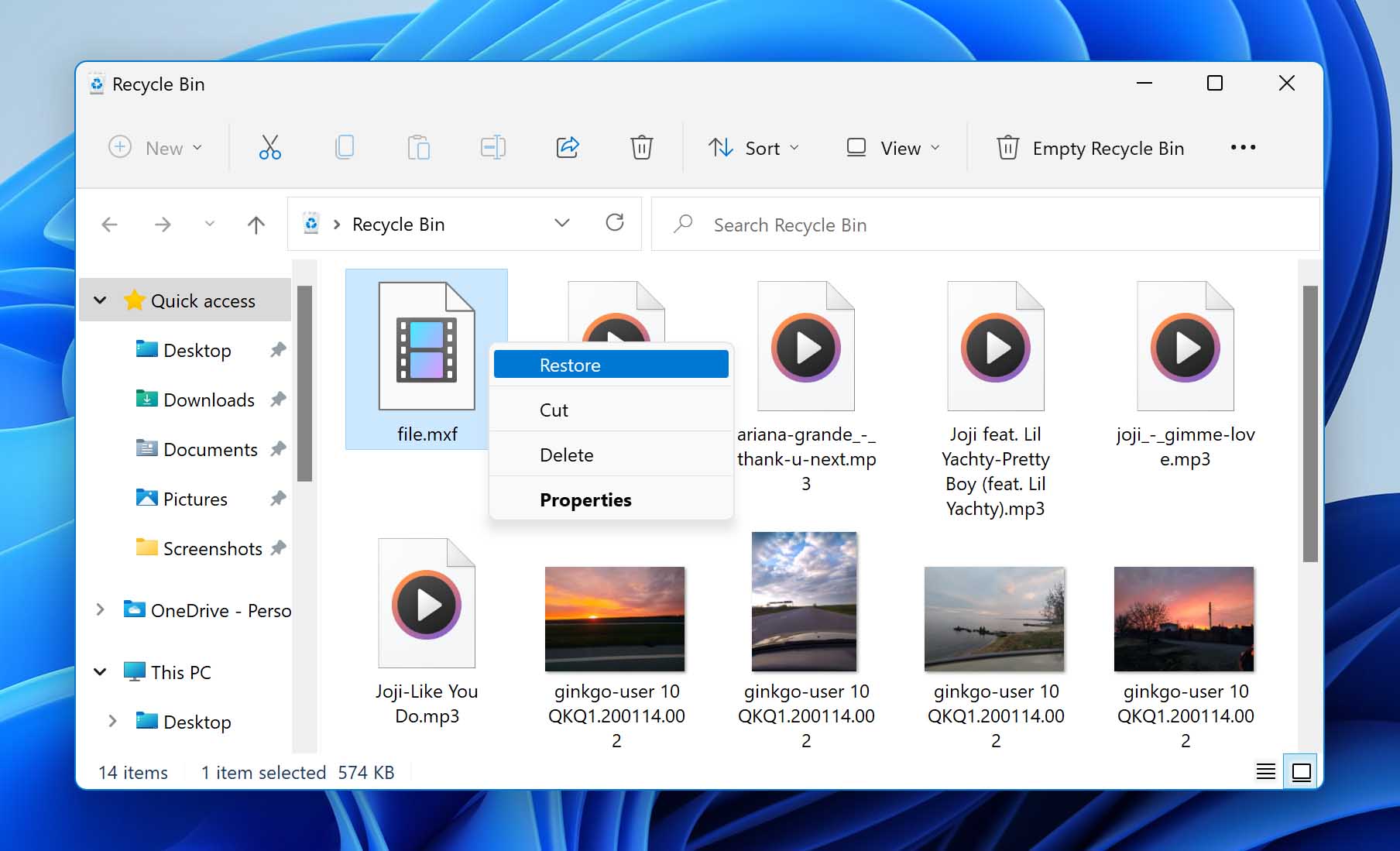
The Foundation of MXF: A Structured Approach to Media
At its core, an MXF file is not a single, monolithic entity like a standard AVI or MOV file. Instead, it is a container format designed for professional media workflows, meticulously engineered to handle the complexities of modern video and audio production. This means that within a single MXF wrapper, you can find a diverse range of data, including video essence, audio essence, metadata, and synchronization information. The key differentiator of MXF lies in its adherence to the SMPTE (Society of Motion Picture and Television Engineers) standards, specifically SMPTE ST 377-1, which defines its structure and interoperability.
The Essence of MXF: Beyond Simple Data Storage
Unlike consumer-oriented formats that often bundle video and audio in a relatively unorganized manner, MXF’s strength lies in its structured organization. This structure is built around the concept of essence and metadata.
Video and Audio Essence: The Core Content
The “essence” refers to the actual video and audio data. MXF can encapsulate virtually any video or audio codec, from uncompressed formats like uncompressed 4:2:2 to highly compressed codecs like H.264 or DNxHD/HR. This flexibility allows MXF to be used across a broad spectrum of production stages, from acquisition to final delivery. The ability to store high-quality, often uncompressed or lightly compressed, essence is paramount for professional editing and mastering.
Metadata: The Essential Context
One of MXF’s most powerful features is its sophisticated handling of metadata. Metadata is data that describes other data. In the context of MXF, this can include a vast array of information, such as:
- Technical Metadata: Frame rate, resolution, aspect ratio, codec information, bit depth, color space, audio sample rate, channel mapping, etc.
- Descriptive Metadata: Program title, episode number, scene descriptions, shot logs, producer, director, talent information, keywords, etc.
- Operational Metadata: Timecode, ingest date, creator, associated project files, quality control status, etc.
This rich metadata is embedded directly within the MXF file, making it accessible to editing systems, asset management systems, and playback devices without the need for external databases or separate metadata files. This significantly streamlines media management and retrieval.
The MXF Framework: A Standardized Blueprint
The MXF standard dictates how these components – essence and metadata – are organized. It defines a system of objects and properties that describe the structure and content of the file. This standardized approach is what ensures interoperability between different software and hardware platforms. When one system creates an MXF file, another compliant system can reliably interpret and process its contents, regardless of the manufacturer or origin.
The Advantages of Embracing MXF in Professional Workflows
The meticulous design of MXF translates into tangible benefits for media professionals, impacting efficiency, data integrity, and future-proofing content. Its adoption is driven by a clear understanding of these advantages.
Seamless Interoperability: Breaking Down Silos
The primary driver behind MXF’s widespread adoption is its commitment to interoperability. Developed and maintained by SMPTE, the MXF standard is vendor-neutral and universally recognized. This means that a broadcast station in one country can easily exchange MXF files with a post-production house in another, or a content creator can ingest footage from a camera and seamlessly transfer it to an editing suite, all without encountering compatibility issues. This significantly reduces the friction and potential for errors that can arise from proprietary or less standardized formats.
Robustness and Reliability: Preserving Data Integrity
MXF files are engineered for robustness, especially when handling high-resolution, high-bitrate media. They are designed to minimize the risk of data corruption during transfers or storage. Furthermore, the structured nature of MXF allows for better error detection and correction mechanisms compared to less organized formats. This reliability is critical for preserving the quality and integrity of valuable media assets.
Flexibility and Scalability: Adapting to Evolving Needs
The MXF standard is not static; it is designed to be extensible and adaptable. As new codecs, metadata schemas, and delivery requirements emerge, the MXF framework can be updated or extended to accommodate them. This future-proofing aspect ensures that MXF remains relevant in the ever-changing media landscape. Whether dealing with 8K video, immersive audio formats, or complex metadata for AI-driven analysis, MXF can be adapted to support these advancements.
Efficient Asset Management: Streamlining Workflows
The integrated metadata within MXF files revolutionizes asset management. Instead of relying on separate databases or cataloging systems that might fall out of sync, essential information is directly attached to the media. This allows for faster searching, filtering, and retrieval of assets, significantly improving the efficiency of post-production pipelines and digital archives. Media librarians and editors can quickly locate specific clips based on detailed descriptive or technical metadata, saving valuable time and resources.
Common Applications and Implementations of MXF Files
The versatility of MXF has led to its widespread integration across various facets of the media industry. From the point of capture to the final archive, MXF plays a pivotal role in ensuring smooth and efficient operations.
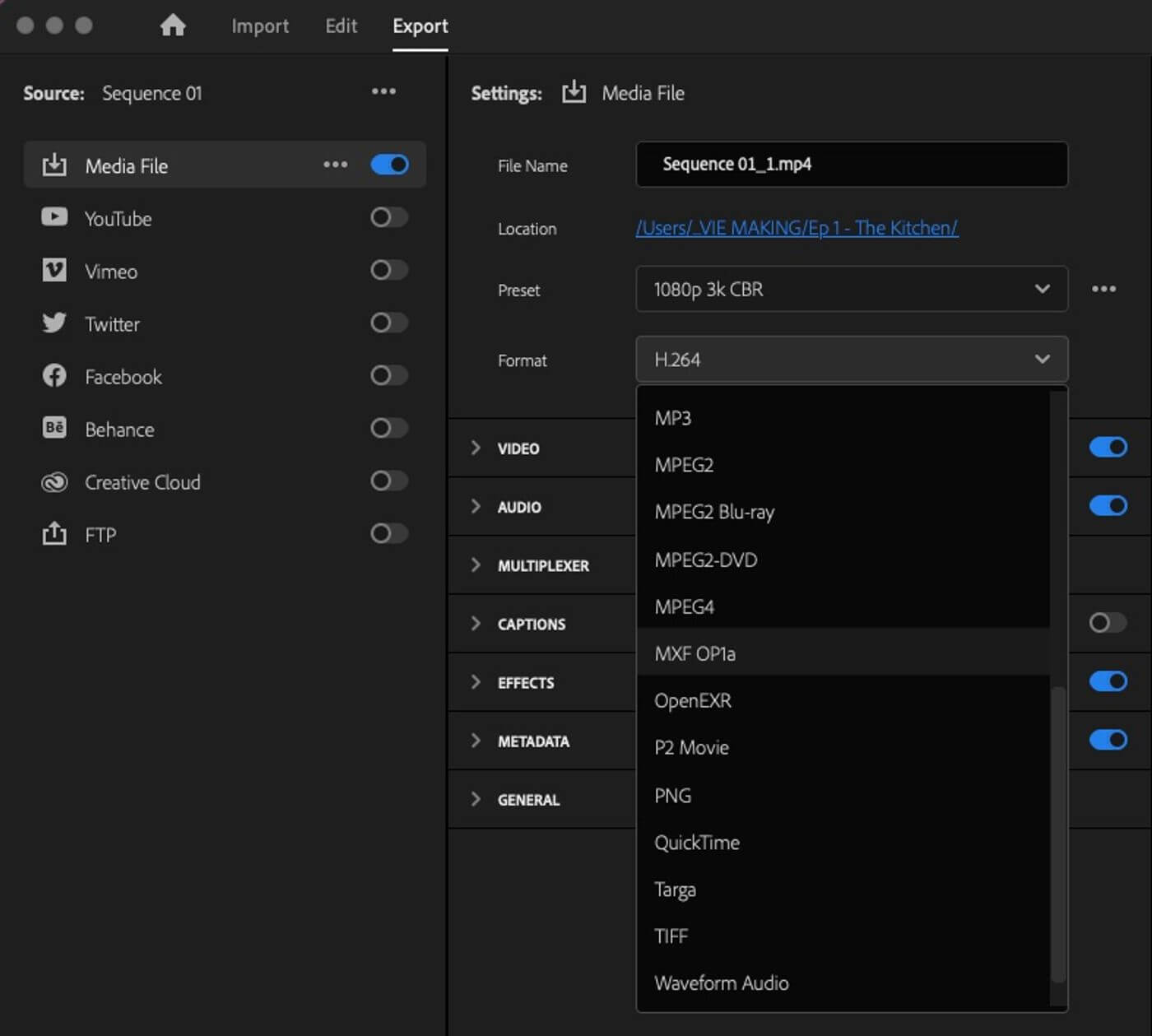
Broadcast Acquisition and Contribution
In television broadcasting, MXF has become the de facto standard for camera acquisition and contribution feeds. Many professional broadcast cameras record directly to MXF, embedding critical metadata like camera settings, timecode, and operator notes. This makes it easy to ingest footage directly into broadcast servers and editing systems without the need for time-consuming transcoding. Contribution feeds, which are the signals sent from remote locations back to a broadcast center, are also frequently packaged as MXF files for reliable transmission.
Post-Production Workflows: Editing and Mastering
Post-production facilities heavily rely on MXF for editing, finishing, and mastering. Editors can ingest MXF files into Non-Linear Editing (NLE) systems like Avid Media Composer, Adobe Premiere Pro, or Final Cut Pro. The format’s ability to handle various codecs and its rich metadata support make it ideal for complex editing projects. For mastering and final delivery, MXF ensures that the high-quality essence and associated metadata are preserved for distribution to broadcasters, streaming platforms, or archival purposes.
Digital Archiving and Preservation
The long-term preservation of media assets is a critical concern for institutions like archives, libraries, and broadcasters. MXF’s structured format, robust metadata capabilities, and adherence to SMPTE standards make it an excellent choice for digital archiving. By encapsulating not only the essence but also detailed metadata, MXF files provide a comprehensive and self-describing record of the media, ensuring that its context and technical specifications are preserved for future generations. This mitigates the risk of formats becoming obsolete or metadata being lost.
Interchange and Delivery Formats
MXF serves as a common interchange format between different professional software and hardware components within the media production ecosystem. It is also frequently used for delivery to broadcasters and other distribution channels. Many broadcasters specify MXF as their preferred delivery format, knowing that it will integrate seamlessly into their ingest and playout systems. This standardization simplifies the delivery process and reduces the likelihood of rejection due to format incompatibility.
Understanding MXF Flavors and Their Significance
While “MXF” refers to the overarching standard, there are specific implementations and variations, often referred to as “flavors” or profiles, designed for particular workflows and technical requirements. Understanding these distinctions is crucial for selecting the appropriate MXF variant for a given task.
Operational Patterns: Defining the File Structure
The MXF standard defines various “operational patterns,” which essentially dictate how the essence and metadata are organized within the MXF wrapper. These patterns are tailored for different needs:
- OP-Atom: This is a common pattern where each essence track (e.g., one video track, one audio track) is stored in its own separate MXF file. This offers flexibility in managing individual tracks but can lead to a proliferation of files.
- OP-1a: In this pattern, all essence tracks and associated metadata are contained within a single MXF file. This is often preferred for ease of management and transfer, as it results in a single file per program or segment.
- OP-1b: Similar to OP-1a, but with a slightly different file structure and header information, sometimes used for specific legacy systems or broadcast requirements.
- OP-2a/2b: These are extensions of OP-Atom and OP-1a, respectively, designed for more complex scenarios, often involving multiple video or audio streams within a single file or individual files.
The choice of operational pattern significantly impacts how files are managed, edited, and transferred. For instance, OP-1a is often favored for its simplicity in managing complete programs.
MXF AS-02 and AS-07: The Evolution of MXF for Modern Workflows
More recent developments in MXF implementation, such as the AS-02 and AS-07 specifications, represent an evolution towards more sophisticated and standardized media packaging for modern workflows.
- AS-02 (Advanced Authoring Format): AS-02 is an MXF-based wrapper designed for broadcast ingest and interchange. It focuses on providing a highly structured and descriptive package of media assets, often including multiple versions of content or different accompanying elements like subtitles or graphics. It builds upon the flexibility of MXF to ensure content integrity and metadata richness.
- AS-07 (Advanced Media Packages): AS-07 is a more recent specification that aims to further standardize the packaging of media for content delivery, particularly for OTT (Over-The-Top) services and digital distribution. It leverages MXF and provides a flexible framework for bundling video, audio, subtitles, and other metadata in a standardized manner, facilitating easier integration with complex digital supply chains.
These evolving specifications demonstrate the ongoing commitment to making MXF a robust and adaptable format that can meet the demands of cutting-edge media production and distribution.
The Future of MXF in the Digital Media Landscape
As technology continues to advance, the role of well-defined standards like MXF becomes even more critical. Its inherent flexibility and adherence to industry best practices position it for continued relevance in the face of emerging media technologies.
Integration with Cloud-Based Workflows
The shift towards cloud-based media production and collaboration presents new opportunities for MXF. Cloud platforms can leverage MXF’s structured nature and rich metadata for efficient storage, retrieval, and processing of media assets. The ability to access and manipulate media files without physical transfer makes MXF an ideal format for distributed teams and scalable cloud infrastructure. This ensures that the benefits of MXF – interoperability, reliability, and robust metadata – are extended into the cloud environment.
AI and Machine Learning Applications
The comprehensive metadata embedded within MXF files is a treasure trove for artificial intelligence (AI) and machine learning (ML) applications. AI algorithms can analyze this metadata to automate tasks such as content categorization, tagging, search optimization, and even quality control. For example, by extracting descriptive metadata from an MXF file, an AI system could automatically generate a detailed synopsis or identify key individuals or events within a video. This integration unlocks new possibilities for content analysis and monetization.
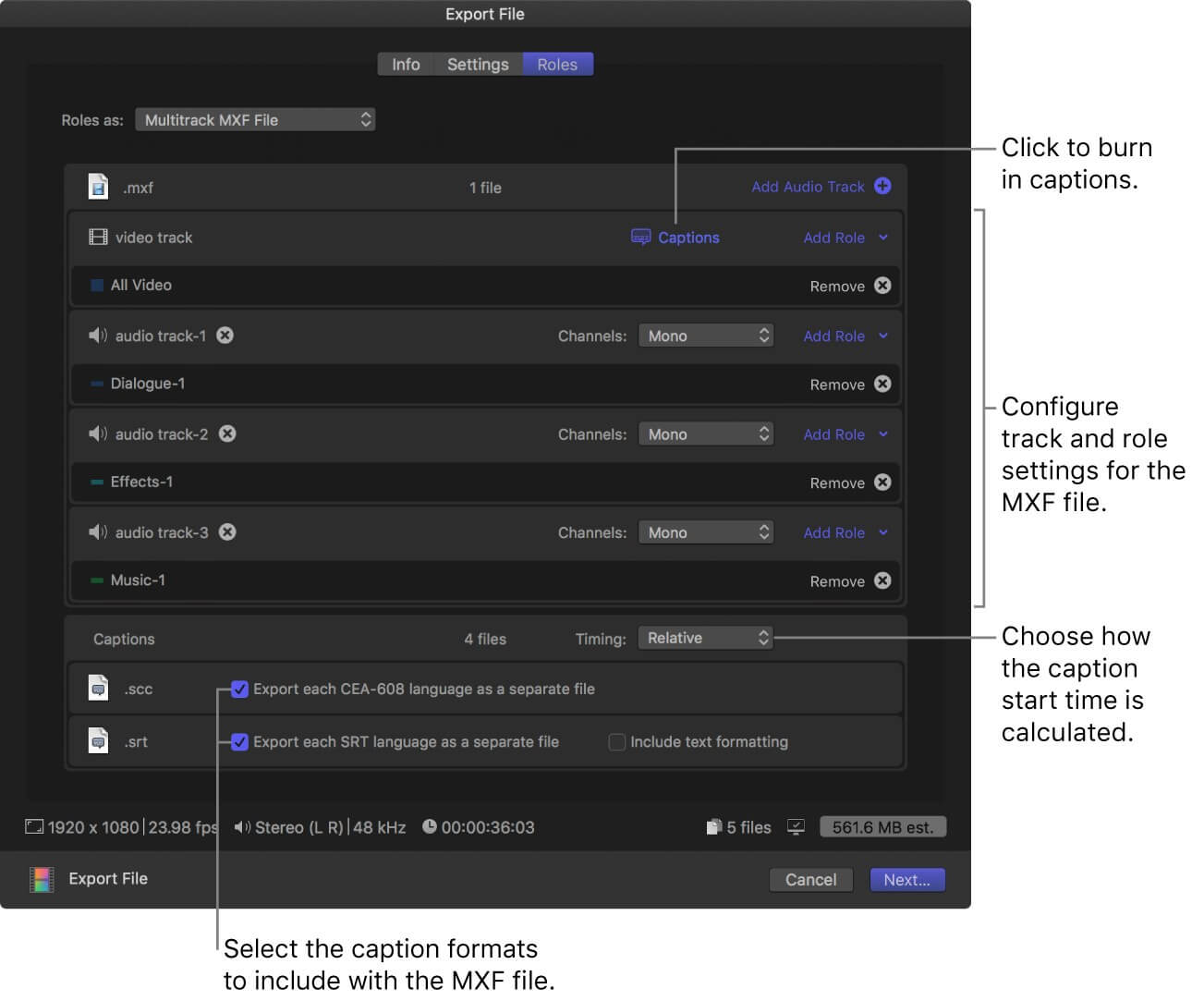
The Enduring Importance of Standardization
In a rapidly fragmenting technological landscape, the value of universally accepted standards cannot be overstated. MXF, as a SMPTE standard, provides a common language for media professionals worldwide. Its continued development and adoption by major players in the media industry underscore its importance in ensuring that content can be created, managed, and delivered efficiently and reliably. While new codecs and wrappers may emerge, the foundational principles of structured data and comprehensive metadata that MXF embodies are likely to remain central to professional media workflows for the foreseeable future. Mastering the nuances of MXF is not just about understanding a file format; it’s about participating in the robust and interconnected ecosystem of professional media technology.
aViewFromTheCave is a participant in the Amazon Services LLC Associates Program, an affiliate advertising program designed to provide a means for sites to earn advertising fees by advertising and linking to Amazon.com. Amazon, the Amazon logo, AmazonSupply, and the AmazonSupply logo are trademarks of Amazon.com, Inc. or its affiliates. As an Amazon Associate we earn affiliate commissions from qualifying purchases.