
The field of diagnostic imaging sits at the intersection of sophisticated medical science and high-end hardware engineering. An MRI technologist is not merely an operator of a machine; they are a highly specialized professional who orchestrates the complex interplay between powerful magnetic fields, radiofrequency pulses, and advanced computational software to generate the detailed internal imagery required for modern medical diagnosis. As medical facilities increasingly integrate AI-driven diagnostic tools and high-tesla hardware, the role of the MRI technologist has evolved into a critical technological discipline that demands both clinical knowledge and deep technical proficiency.
The Technological Architecture of MRI Systems
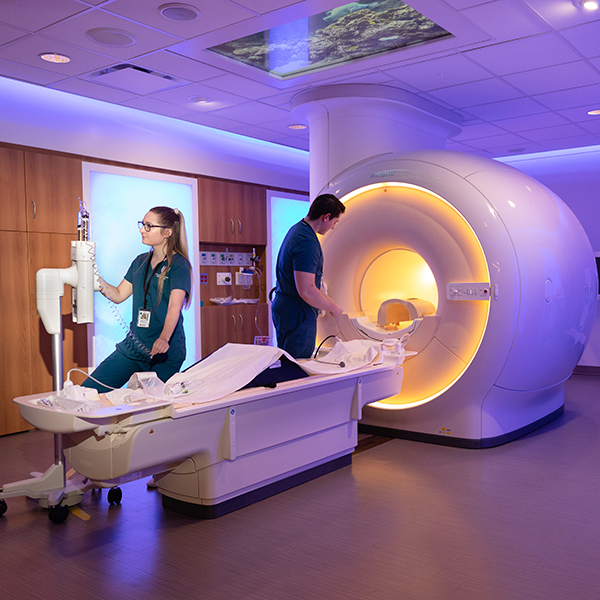
At the core of an MRI technologist’s daily routine is the Magnetic Resonance Imaging system, one of the most complex pieces of hardware in any healthcare facility. To understand the role, one must first understand the machine. An MRI machine is essentially a massive, precision-engineered magnet combined with a sophisticated computing array that translates electromagnetic signals into high-resolution visual data.
Magnetic Field Manipulation and Physics
An MRI technologist operates systems that typically range from 1.5 to 3.0 Tesla in strength. The technologist must have a robust understanding of the physics behind the Larmor frequency—the specific frequency at which hydrogen protons in the human body resonate within a magnetic field. By manipulating gradients and radiofrequency pulses, the technologist controls the “spin” of these protons. The ability to calibrate these sequences is the primary technical skill required to ensure the resulting images are clear, artifact-free, and diagnostic.
The Role of Software and Signal Processing
Modern MRI suites are increasingly software-defined. Technologists must navigate complex proprietary operating systems that manage data acquisition. Once the radiofrequency signals are received, the system’s backend—often utilizing advanced Fast Fourier Transform (FFT) algorithms—processes raw data into the images clinicians review. Technologists must be adept at troubleshooting software errors, optimizing pulse sequences, and managing the digital workflow that transmits these gigabyte-heavy files to Picture Archiving and Communication Systems (PACS).
Advanced Imaging Protocols and Data Acquisition
A significant portion of an MRI technologist’s technical expertise involves the creation and application of imaging protocols. These are not static settings; they are dynamic configurations tailored to the specific anatomy and clinical questions presented by the patient’s condition.
Sequence Optimization and Resolution
The technologist adjusts variables such as Echo Time (TE), Repetition Time (TR), and flip angles to achieve the desired tissue contrast. For example, imaging a brain to detect a lesion requires a different set of parameters than imaging a musculoskeletal tear. The technologist uses the machine’s interface to push the hardware to its resolution limits, balancing signal-to-noise ratios (SNR) against scan time. This requires a technical mindset that understands how digital hardware constraints impact the final visual output.
Navigating Artifacts and Technical Interference
MRI technology is notoriously sensitive to interference. Metallic objects, motion, or even external radiofrequency noise can corrupt the data acquisition process. An MRI technologist acts as a system technician, identifying and mitigating these digital artifacts. Whether it is adjusting phase encoding directions to reduce motion blurring or utilizing specialized software filters to remove “zipper” artifacts from external signals, the technologist ensures the integrity of the technical data.
The Intersection of Medical Hardware and Emerging AI Trends
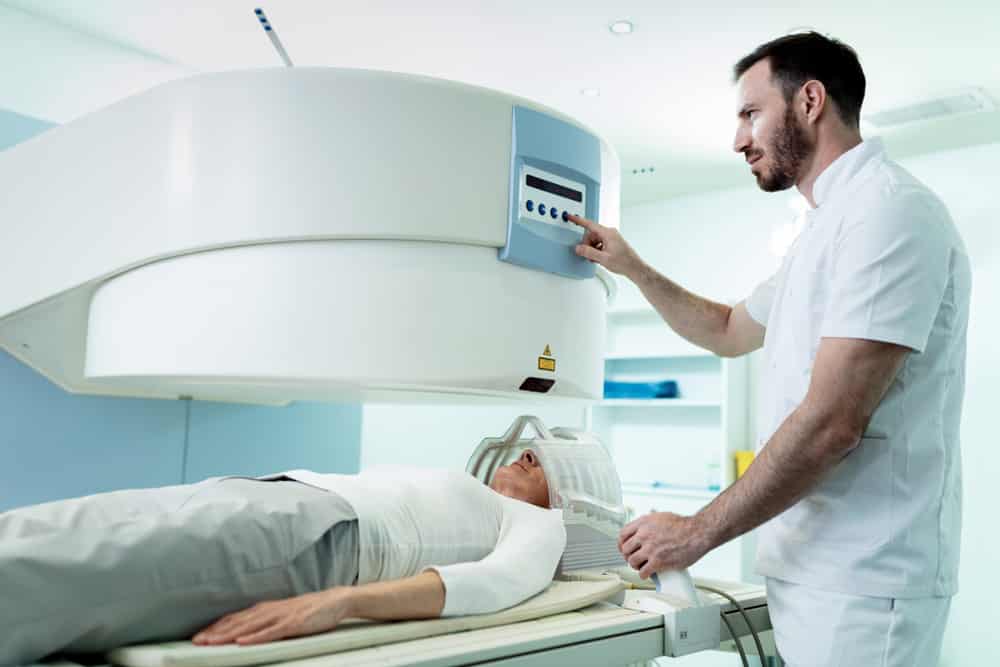
The landscape of medical imaging is currently being reshaped by artificial intelligence, and the MRI technologist is at the frontline of this transition. AI tools are becoming standard in the suite, changing how technologists interact with their systems.
AI-Driven Image Reconstruction
One of the most profound technological shifts in the industry is the adoption of deep-learning-based image reconstruction. Traditional MRI scans are time-consuming, often requiring patients to remain perfectly still for 45 minutes or more. New AI algorithms allow for the reconstruction of high-quality images from undersampled data. MRI technologists are now being trained to calibrate these AI models, which significantly reduce scan times while maintaining, or even enhancing, the diagnostic value of the images.
Predictive Maintenance and Remote Monitoring
As medical hardware becomes more “connected,” the technologist’s role includes managing the health of the hardware itself. Many modern MRI machines now feature predictive maintenance software that monitors cooling systems, cryogen levels, and gradient coil performance. Technologists use these digital dashboards to report hardware health to biomedical engineers before a total system failure occurs. This integration of Internet of Medical Things (IoMT) technology has transformed the technologist into a manager of a highly complex, networked digital environment.
Data Security and Digital Workflow Integration
An MRI technologist operates within a strictly controlled digital ecosystem. The transfer, storage, and retrieval of medical imagery are subject to rigorous digital security standards, such as HIPAA in the United States and similar regulations globally.
PACS and DICOM Compliance
The MRI technologist manages the workflow from the modality to the PACS. This involves ensuring that every image produced adheres to the Digital Imaging and Communications in Medicine (DICOM) standard. This global standard allows different software systems—from the MRI console to the radiologist’s workstation—to communicate effectively. The technologist must ensure that metadata is accurate, as an error in the digital header can lead to critical clinical delays.
Cyber-Security in the Imaging Suite
Modern diagnostic imaging devices are essentially networked computers. As such, they are potential vectors for cybersecurity threats. MRI technologists play a vital role in network security by managing user access, ensuring that patient data is encrypted during transit, and following protocols that prevent the unauthorized introduction of external hardware (like USB drives) into the imaging console. The technologist is the primary gatekeeper of the imaging suite’s digital perimeter.

Conclusion: The Evolving Technical Professional
The profile of an MRI technologist has moved far beyond the initial perception of someone who simply “takes pictures.” Today, they are sophisticated technical operators who bridge the gap between patient care and high-frequency, physics-based computing. As the industry moves toward faster scans, AI-assisted diagnostics, and more complex software interfaces, the technologist’s role will continue to demand a high level of digital fluency.
By mastering the intricacies of magnetic resonance physics, optimizing complex pulse sequences, and navigating the digital infrastructures of modern hospital systems, the MRI technologist remains an essential pillar of medical technology. They are the architects of the invisible, utilizing some of the most advanced hardware on the planet to turn quantum physics into actionable clinical intelligence. For those entering the field, the path forward is clear: success is defined by a commitment to lifelong technical learning, an aptitude for complex system management, and a deep understanding of the digital tools that power the future of diagnostic imaging.
aViewFromTheCave is a participant in the Amazon Services LLC Associates Program, an affiliate advertising program designed to provide a means for sites to earn advertising fees by advertising and linking to Amazon.com. Amazon, the Amazon logo, AmazonSupply, and the AmazonSupply logo are trademarks of Amazon.com, Inc. or its affiliates. As an Amazon Associate we earn affiliate commissions from qualifying purchases.