
In the vast, interconnected world of global commerce and digital infrastructure, precision is the cornerstone of efficiency. Whether you are a software developer managing a complex database, an e-commerce architect optimizing a product feed, or a hardware enthusiast sourcing a specific component for a high-performance build, you have likely encountered the term “MPN.”
MPN stands for Manufacturer Part Number. While it may seem like a simple string of alphanumeric characters, it serves as the foundational DNA for product identification in the technology sector. In an era where automated systems handle billions of transactions and logistics movements daily, the MPN is the bridge between a physical (or digital) product and its digital record. This article explores the technical nuances of MPNs, their critical role in the modern tech landscape, and how they integrate with software ecosystems to drive global trade.
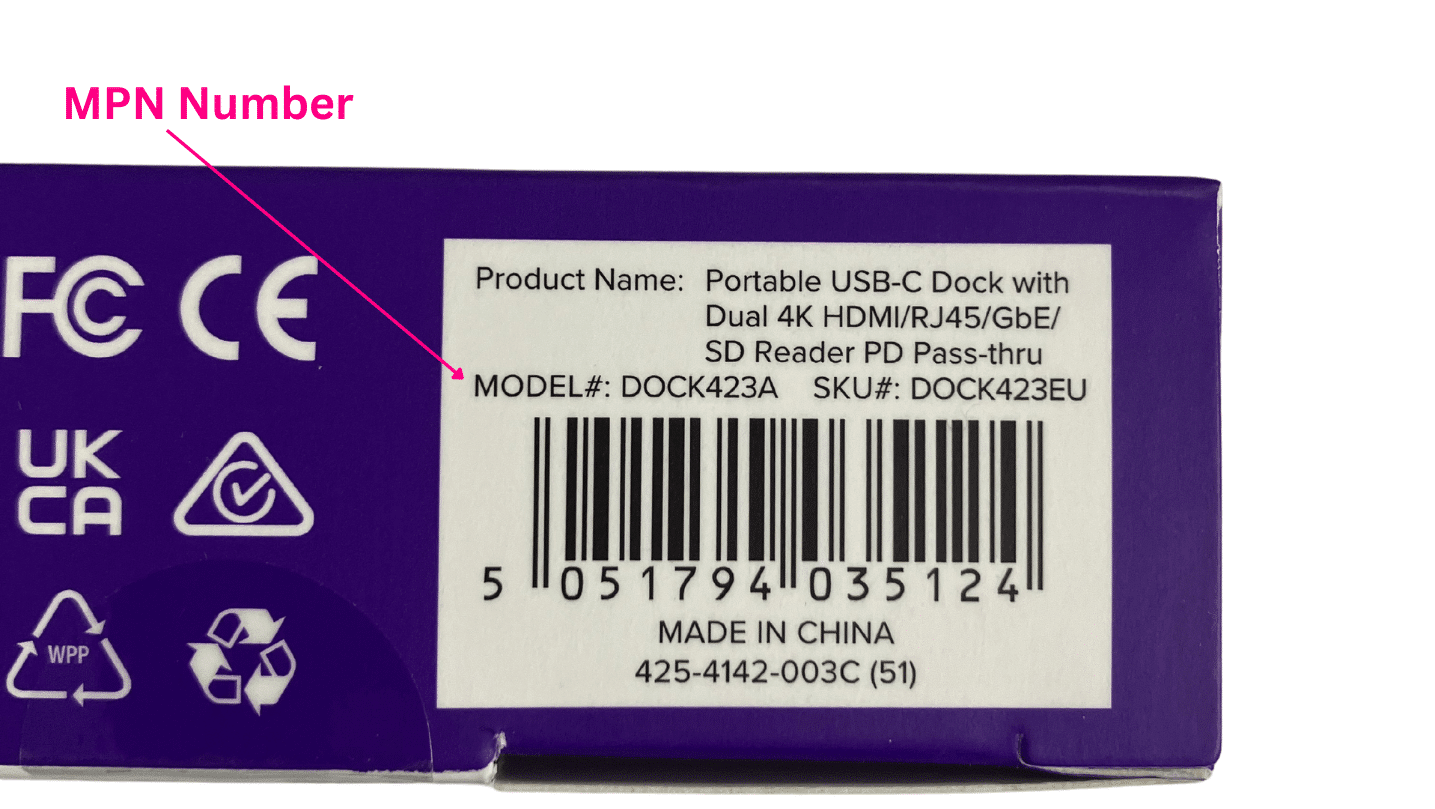
The Technical Anatomy of an MPN
To understand the importance of an MPN, one must first understand what it is—and what it is not. At its core, an MPN is a unique identifier assigned by the manufacturer to a specific product or part. Its purpose is to distinguish that item from all others produced by the same company and from similar items produced by competitors.
How MPNs Differ from SKUs and UPCs
In the technical world, data integrity relies on clarity. A common point of confusion is the distinction between an MPN, a SKU (Stock Keeping Unit), and a UPC (Universal Product Code).
- MPN (Manufacturer Part Number): This is assigned by the manufacturer. It remains constant regardless of who is selling the item. If a tech company produces a specific motherboard, that motherboard has the same MPN whether it is sold by a major retailer or a boutique computer shop.
- SKU (Stock Keeping Unit): This is an internal identifier used by retailers and warehouses. A single product with one MPN might have dozens of different SKUs depending on which internal inventory system is tracking it.
- UPC/GTIN (Universal Product Code): These are standardized barcodes used primarily for retail scanning. While a UPC identifies the product globally, it is often tied to the consumer-facing packaging, whereas the MPN identifies the technical component itself.
The Role of MPNs in Database Architecture
For software engineers and database administrators, the MPN acts as a critical primary or foreign key in relational databases. When building an Enterprise Resource Planning (ERP) system or a Product Information Management (PIM) platform, the MPN ensures that there is a “single source of truth.”
Because tech products often have minute variations—such as a laptop with 8GB of RAM versus the exact same chassis with 16GB—the MPN provides the granular specificity required to prevent data collisions. In automated procurement software, the MPN allows the system to communicate with external APIs to check real-time stock levels across various global distributors without manual intervention.
MPNs in the E-commerce and Search Engine Landscape
In the digital-first economy, the MPN has evolved from a simple warehouse label into a powerful tool for Search Engine Optimization (SEO) and algorithmic product discovery. For technology brands, the accurate deployment of MPNs can be the difference between a product being found or remaining invisible.
Impact on SEO and Product Discovery
Search engines like Google and Bing, and marketplaces like Amazon and Newegg, rely heavily on structured data. When a user searches for a specific technical component—for example, a “Samsung 980 Pro 1TB NVMe SSD”—the search algorithm looks for the MPN (MZ-V8P1T0B/AM) to return the most accurate results.
By including the MPN in the metadata and schema markup of a webpage, tech companies ensure that their products are correctly indexed. This is particularly vital in the “Tech” niche, where consumers are highly educated and often search for exact specifications rather than broad categories. Without an MPN, a product may be buried under generic results, leading to lost conversion opportunities and poor user experience.
Integration with Global Trading Standards (GTIN)
Modern tech ecosystems are moving toward a unified standard known as the Global Trade Item Number (GTIN). While the MPN is manufacturer-specific, it often works in tandem with the GTIN to provide a comprehensive profile of a product’s identity.
In Google Merchant Center and other advertising platforms, providing an MPN is often mandatory for products that do not have a manufacturer-assigned GTIN. This technical requirement allows the platform to group identical products from different sellers, facilitating the “Compare Prices” feature that many tech shoppers rely on. For digital marketers, mastering the management of these numbers is essential for maintaining a competitive edge in high-tech retail.
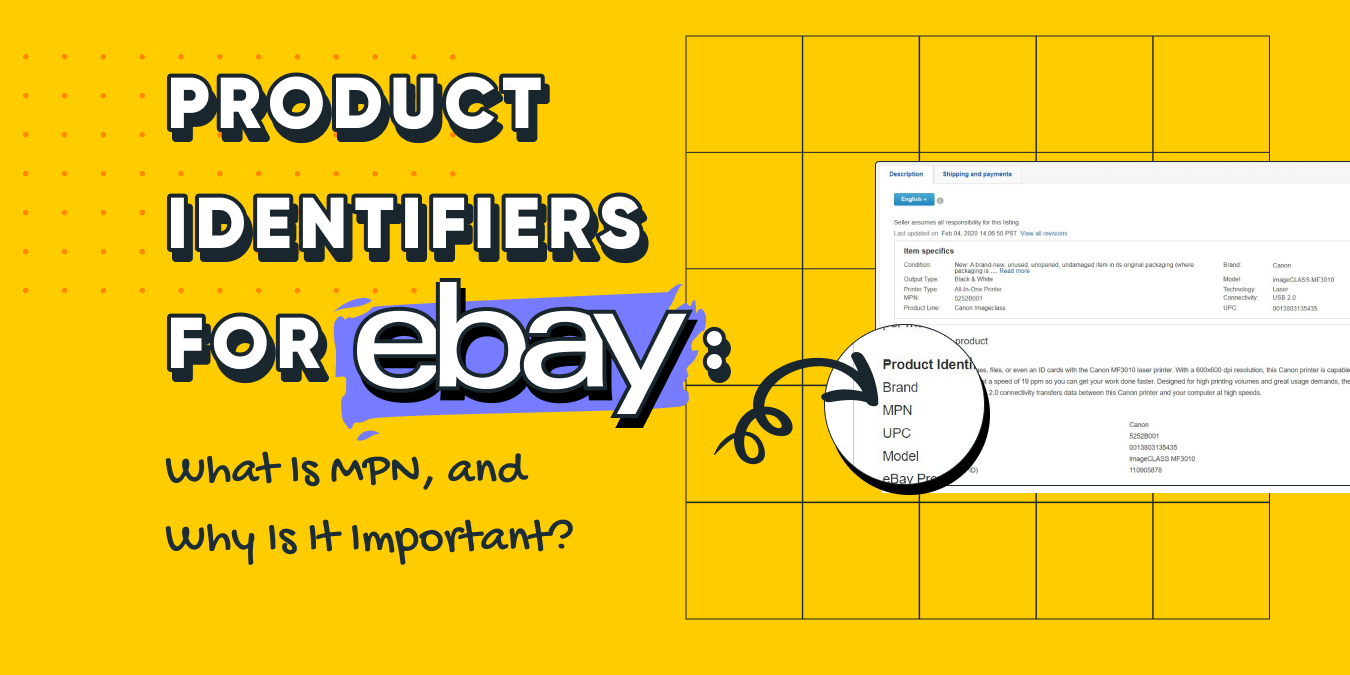
Managing MPNs: Software and Automation Tools
As a company’s product catalog grows into the thousands or millions, manual tracking of MPNs becomes impossible. This has given rise to a sophisticated suite of software tools designed to manage product identity and lifecycle.
Product Information Management (PIM) Systems
A PIM system acts as a centralized hub for all technical specifications of a product. In the tech industry, where hardware specs can change with every “rev” (revision) or firmware update, the PIM ensures that the MPN is updated across all sales channels simultaneously.
Software solutions like Akeneo or Salsify allow tech companies to map MPNs to specific technical attributes. If a manufacturer releases a “Mark II” version of a gadget, the software manages the transition from the old MPN to the new one, ensuring that the legacy data remains archived while the new data is pushed to live storefronts.
AI and Machine Learning in Part Identification
The future of MPN management lies in Artificial Intelligence. Modern AI tools are now capable of “visual part identification.” By using computer vision, an AI can scan a physical component—such as a specific microchip or mechanical gear—and cross-reference its visual characteristics against a global database to identify its MPN.
This technology is revolutionary for hardware repair and digital twins in manufacturing. If an engineer is working on a legacy server and finds a failed component with faded markings, AI-driven software can analyze the pin configuration and board layout to suggest the most likely MPN. This reduces downtime and prevents the installation of incompatible hardware, which is a common risk in complex tech environments.
Why MPNs are Critical for Modern Supply Chain Security
Beyond simple identification, the MPN plays a vital role in the security and integrity of the global technology supply chain. In an era plagued by “grey market” goods and sophisticated counterfeits, the MPN serves as a first line of defense.
Preventing Counterfeit Tech Hardware
Counterfeit electronic components are a multi-billion dollar problem. Fake microcontrollers or capacitors can lead to catastrophic failures in medical devices, aerospace technology, and consumer electronics. By strictly adhering to MPN tracking, companies can implement “Track and Trace” protocols.
Blockchain technology is increasingly being integrated with MPN data to create an immutable ledger of a part’s journey from the factory floor to the end consumer. Each MPN-tagged item can be verified at every checkpoint, ensuring that the hardware is authentic and meets the technical standards required for high-stakes applications.
Streamlining Global Logistics and Distribution
The tech supply chain is notoriously volatile. Shortages in semiconductors or rare-earth metals can halt production overnight. MPNs allow for “interchangeability mapping.” When a specific part is unavailable, supply chain software can analyze MPNs to find “form-fit-function” equivalents—parts from other manufacturers that have different MPNs but identical technical specifications.
This level of digital agility allows tech companies to pivot their manufacturing processes without redesigning entire circuits. It transforms the MPN from a static label into a dynamic data point that drives resilience in a globalized economy.
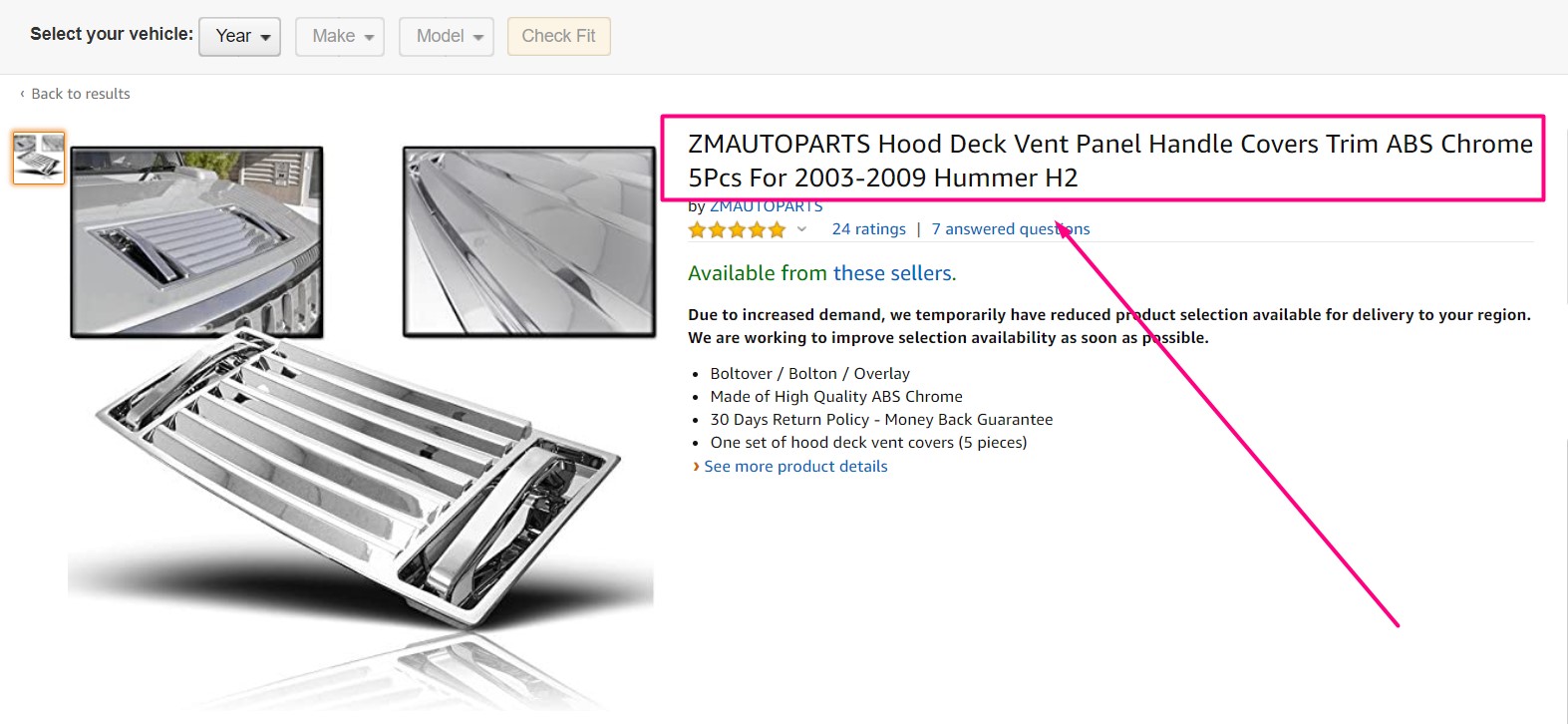
The Future of Digital Part Tracking
As we look toward the future, the concept of the MPN is likely to become even more integrated into the Internet of Things (IoT). We are moving toward a reality where “smart parts” carry their own identity. Future hardware components may contain embedded NFC chips or encrypted digital signatures that broadcast their MPN and service history to any authorized diagnostic software.
Furthermore, as 3D printing (additive manufacturing) becomes more prevalent in the tech sector, the definition of a “manufacturer” may shift. In this decentralized future, the MPN will serve as the digital blueprint ID, ensuring that a part printed in a remote facility is identical to the one designed in a central laboratory.
In conclusion, the Manufacturer Part Number is far more than a logistical necessity; it is a fundamental component of the technology world’s digital infrastructure. From facilitating complex database queries and boosting SEO performance to securing the global supply chain against counterfeits, the MPN is the silent engine driving precision and reliability. For anyone operating in the tech space, a deep understanding of the MPN is not just helpful—it is essential for navigating the complexities of the modern digital landscape.
aViewFromTheCave is a participant in the Amazon Services LLC Associates Program, an affiliate advertising program designed to provide a means for sites to earn advertising fees by advertising and linking to Amazon.com. Amazon, the Amazon logo, AmazonSupply, and the AmazonSupply logo are trademarks of Amazon.com, Inc. or its affiliates. As an Amazon Associate we earn affiliate commissions from qualifying purchases.