
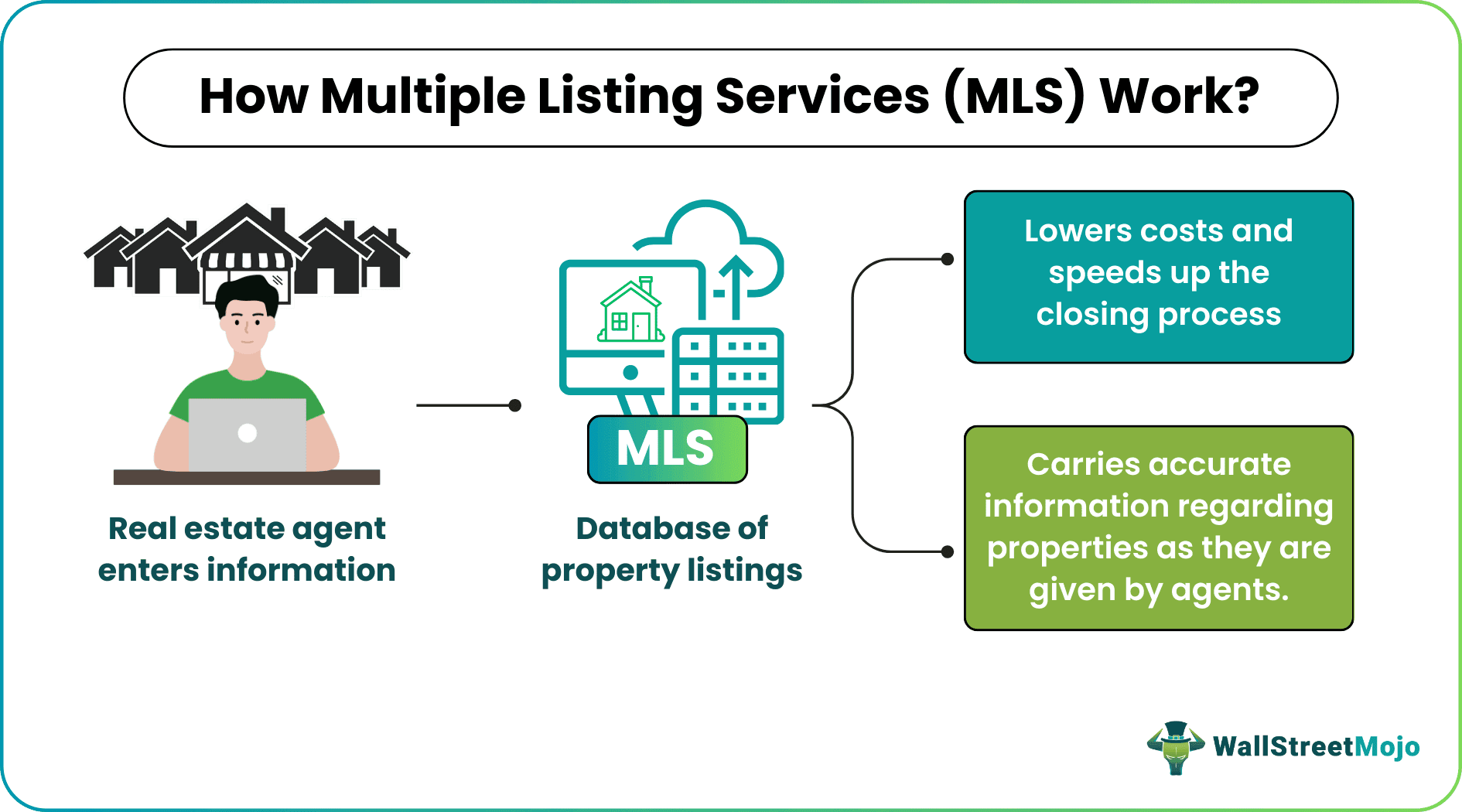
In the vast ecosystem of digital platforms and specialized software, the Multiple Listing Service (MLS) stands as a foundational technological pillar for the real estate industry. Far more than a simple repository of property listings, an MLS is a complex, interconnected database system designed to facilitate cooperation among real estate brokers. Its primary function is to provide a comprehensive, centralized platform where licensed real estate professionals can share information about properties for sale, ensuring wide exposure for listed homes and enabling efficient property searches for buyers. From a technological perspective, the MLS is a sophisticated information system, constantly evolving with advancements in data management, network infrastructure, and user interface design.

The Core Technological Infrastructure of Real Estate
At its heart, an MLS is a massive, geographically organized database. However, characterizing it merely as a database understates its technological sophistication. It’s an intricate, robust system built to handle high volumes of dynamic data, integrate with various third-party applications, and serve a diverse user base with precision and speed. Each regional MLS operates autonomously, governed by local real estate associations, yet they often adhere to national data standards to facilitate broader data exchange.
Beyond a Simple Database: A Networked System
The technological strength of an MLS lies in its network architecture. It’s not a standalone database but rather a sophisticated intranet-like system accessible primarily by real estate licensees who subscribe to its services. This controlled access ensures data integrity and professional standards. The system typically comprises powerful servers, secure data storage facilities, and complex networking protocols that allow brokers and agents to input, modify, and retrieve property data in real-time. The infrastructure supports high concurrency, meaning many users can access and interact with the system simultaneously without significant performance degradation, a critical feature in the fast-paced real estate market.
Data Standardization and Integration
One of the most crucial technological aspects of an MLS is its commitment to data standardization. Without a common framework, integrating information from thousands of diverse listings would be chaotic. The Real Estate Standards Organization (RESO) plays a pivotal role here, developing and maintaining data standards for the real estate industry. These standards, often referred to as RESO Data Dictionary, define precise fields for everything from property type and square footage to intricate features like smart home technology integrations or energy efficiency ratings. This standardization is critical because it enables seamless data transfer between different MLS systems, agent websites, brokerage CRMs, and other real estate technology platforms. The adoption of RESO standards means that data can be consumed and processed uniformly, paving the way for advanced analytics and streamlined operations across the industry.
Key Features and Technological Components
The functionality of a modern MLS extends far beyond basic listing storage. It incorporates a suite of advanced technological features designed to empower real estate professionals with efficient tools for market analysis, client management, and transaction facilitation.
Advanced Search and Filtering Algorithms
A cornerstone of any MLS is its powerful search engine. Utilizing sophisticated algorithms, agents can conduct highly granular searches, filtering properties not just by price, location, and bedroom count, but also by a myriad of specific criteria. This might include architectural style, year built, specific school districts, proximity to amenities, or even the presence of particular smart home devices. The underlying technology involves complex indexing strategies and query optimization techniques to return relevant results almost instantaneously from millions of data points. Machine learning models are increasingly being integrated to refine search suggestions and predict buyer preferences based on past search behavior.
Geographic Information Systems (GIS) Integration
GIS technology is an indispensable component of contemporary MLS platforms. By integrating spatial data, MLS systems can overlay property listings onto interactive maps, providing agents and their clients with a rich visual context. This includes boundary lines, zoning information, flood plains, satellite imagery, and demographic data. GIS capabilities allow for proximity searches, heat mapping of property values, and detailed neighborhood analysis, transforming raw listing data into actionable geographic insights. This visual component is crucial for understanding the environmental and community context of a property, going beyond mere addresses.
Automated Notifications and Workflow Tools
Modern MLS systems are equipped with robust automation capabilities. Agents can set up automated alerts for new listings that match specific client criteria, price changes, or status updates on particular properties. This relies on efficient push notification services and event-driven architectures. Furthermore, many MLS platforms integrate workflow tools, enabling agents to manage client relationships, track showings, schedule open houses, and even initiate the initial stages of transaction paperwork directly within the system or through connected modules. These features significantly enhance agent productivity and ensure timely communication in a competitive market.
API Development and Third-Party Integrations
The true power of a modern MLS often lies in its openness and interoperability, largely facilitated by Application Programming Interfaces (APIs). MLS systems provide secure APIs that allow third-party developers, brokerages, and technology companies to access listing data and integrate it into their own applications. This means that an agent’s website can pull live listing data directly from the MLS, or a brokerage’s CRM system can automatically update client records with new property information. This API-first approach fosters a vibrant ecosystem of complementary real estate technology (PropTech) solutions, from virtual tour providers to comparative market analysis (CMA) tools, all drawing from and contributing to the rich data within the MLS. Secure authentication and authorization protocols are paramount to manage this data flow responsibly.
The Role of MLS in PropTech Innovation
The MLS is not just a repository; it’s a launchpad for innovation in real estate technology. Its structured data and broad reach make it an invaluable resource for developing and deploying cutting-edge solutions across the PropTech landscape.
Driving Data Analytics and Market Insights
With vast amounts of standardized historical and current listing data, the MLS is an unparalleled source for market analytics. Tech companies and data scientists leverage MLS data (often anonymized and aggregated for compliance) to develop sophisticated analytical models. These models can identify market trends, predict property value fluctuations, assess neighborhood desirability, and generate comprehensive market reports. The insights derived from MLS data empower agents to provide superior advice to clients, help investors make informed decisions, and assist appraisers in accurately valuing properties. This data-driven approach is transforming real estate from an intuitive art into a precise science.
Facilitating AI and Machine Learning Applications
The structured nature of MLS data is ideal for training artificial intelligence and machine learning models. AI algorithms can analyze thousands of property attributes to perform tasks such as automated valuation modeling (AVM), predicting how long a property will stay on the market, or even suggesting optimal pricing strategies. Machine learning can also personalize property recommendations for buyers by learning their preferences over time, significantly enhancing the search experience. Furthermore, AI can assist in the automated generation of property descriptions or the identification of discrepancies in data entries, improving overall data quality within the MLS itself.
Enhancing Digital Collaboration for Professionals
The MLS, through its integrated features and API capabilities, significantly enhances digital collaboration among real estate professionals. Agents can share listing information securely with their teams, co-brokers, and clients. Integration with digital signing platforms, communication tools, and cloud-based document management systems streamlines the entire transaction process. This interconnectedness allows for greater transparency, reduces paperwork, and accelerates transaction cycles, making the real estate process more efficient and less prone to errors. The shift towards cloud-native MLS platforms further promotes this collaborative environment, allowing access from any device, anywhere.
Challenges and Future of MLS Technology
Despite its integral role, the MLS faces ongoing technological challenges and is continually evolving to meet the demands of a dynamic industry and increasingly tech-savvy consumers.
Data Security and Privacy Concerns
Handling sensitive personal and property data means data security and privacy are paramount for MLS systems. Protecting against cyber threats, ensuring compliance with data protection regulations (like GDPR or CCPA where applicable), and maintaining the confidentiality of proprietary listing information are constant battles. MLS providers invest heavily in encryption, access controls, regular security audits, and secure development practices to safeguard this critical information. The future will likely see even more robust authentication methods and advanced threat detection systems integrated into MLS infrastructure.
Interoperability and Modernization Efforts
The fragmented nature of MLS systems, with hundreds of regional entities, sometimes creates challenges for seamless data flow and uniform user experience across different markets. While RESO standards help, complete interoperability remains an ongoing goal. Modernization efforts focus on migrating legacy systems to cloud-based architectures, adopting more agile development methodologies, and building more flexible APIs. The aim is to create a more unified, responsive, and adaptable technological backbone that can serve both local market nuances and broader industry needs without friction.

Emerging Technologies and the Evolution of Listing Services
The future of MLS technology is poised to embrace an array of emerging innovations. Blockchain technology could offer enhanced security, transparency, and efficiency for property records and transaction tracking. Virtual and augmented reality (VR/AR) are already being integrated for immersive property tours, and this will likely become a standard feature directly accessible or linked from MLS listings. The Internet of Things (IoT) will provide even more granular data on smart homes, which will need to be efficiently categorized and searchable within MLS systems. As user expectations for instant, personalized information grow, MLS platforms will continue to evolve, leveraging these technologies to maintain their position as the definitive source of real estate information, fostering innovation while upholding data integrity and professional standards.
aViewFromTheCave is a participant in the Amazon Services LLC Associates Program, an affiliate advertising program designed to provide a means for sites to earn advertising fees by advertising and linking to Amazon.com. Amazon, the Amazon logo, AmazonSupply, and the AmazonSupply logo are trademarks of Amazon.com, Inc. or its affiliates. As an Amazon Associate we earn affiliate commissions from qualifying purchases.