
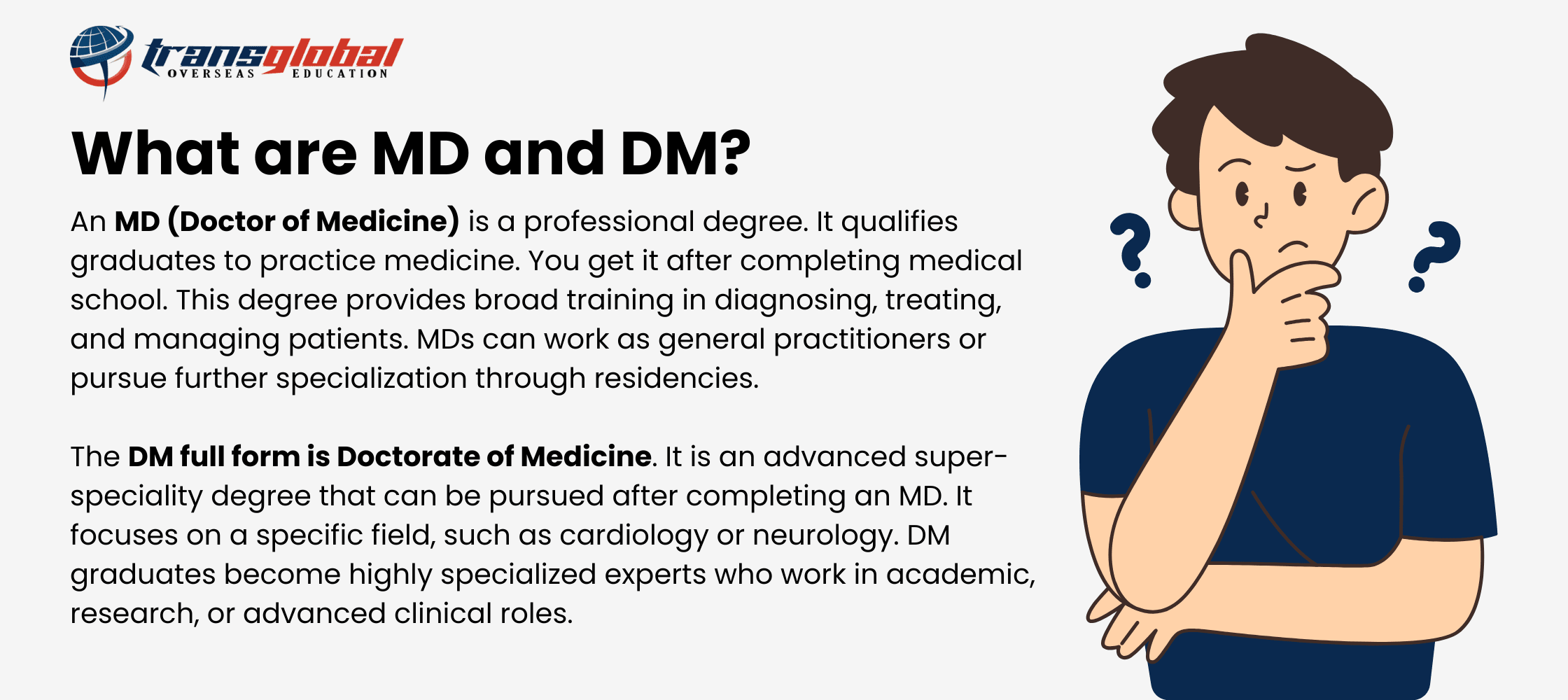
For many aspiring healthcare professionals, the path toward a career in medicine is paved with years of rigorous study, clinical rotations, and standardized testing. At the heart of this journey lies the Doctor of Medicine (MD) degree. Often considered the gold standard for clinical practice, the MD is a professional degree that signifies a graduate has completed the requirements to practice medicine as a physician. While the title is synonymous with prestige and expertise, understanding the actual mechanics, financial investment, and strategic value of an MD degree is essential for those considering it as a professional asset.
The Academic Architecture of an MD Program
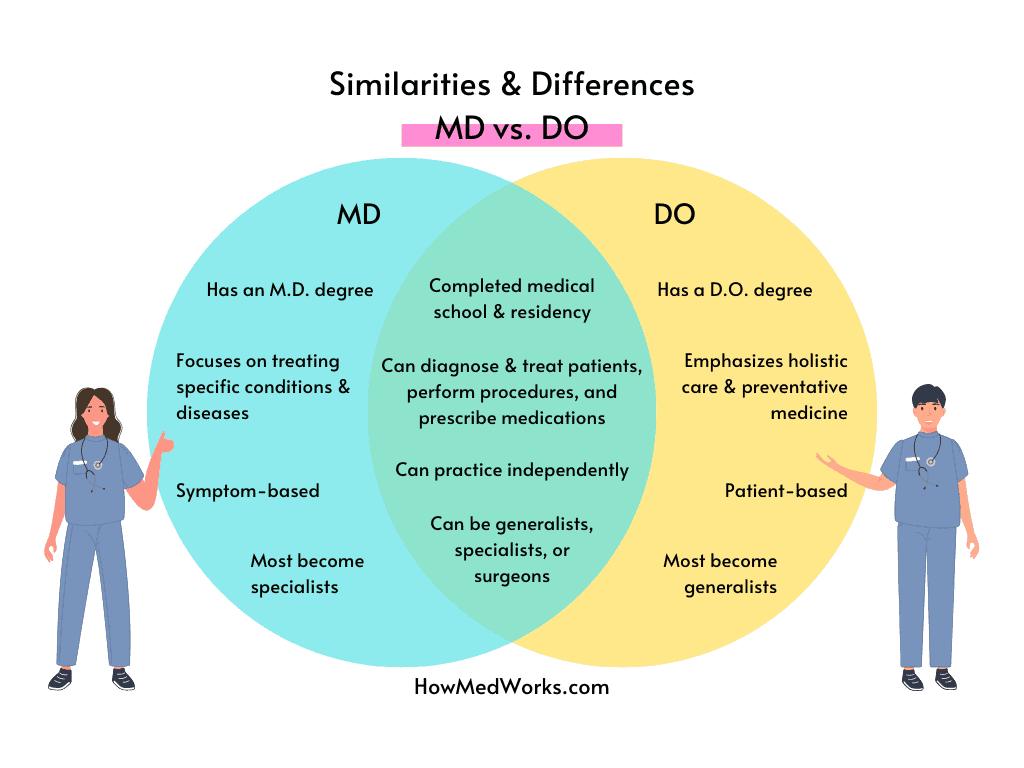
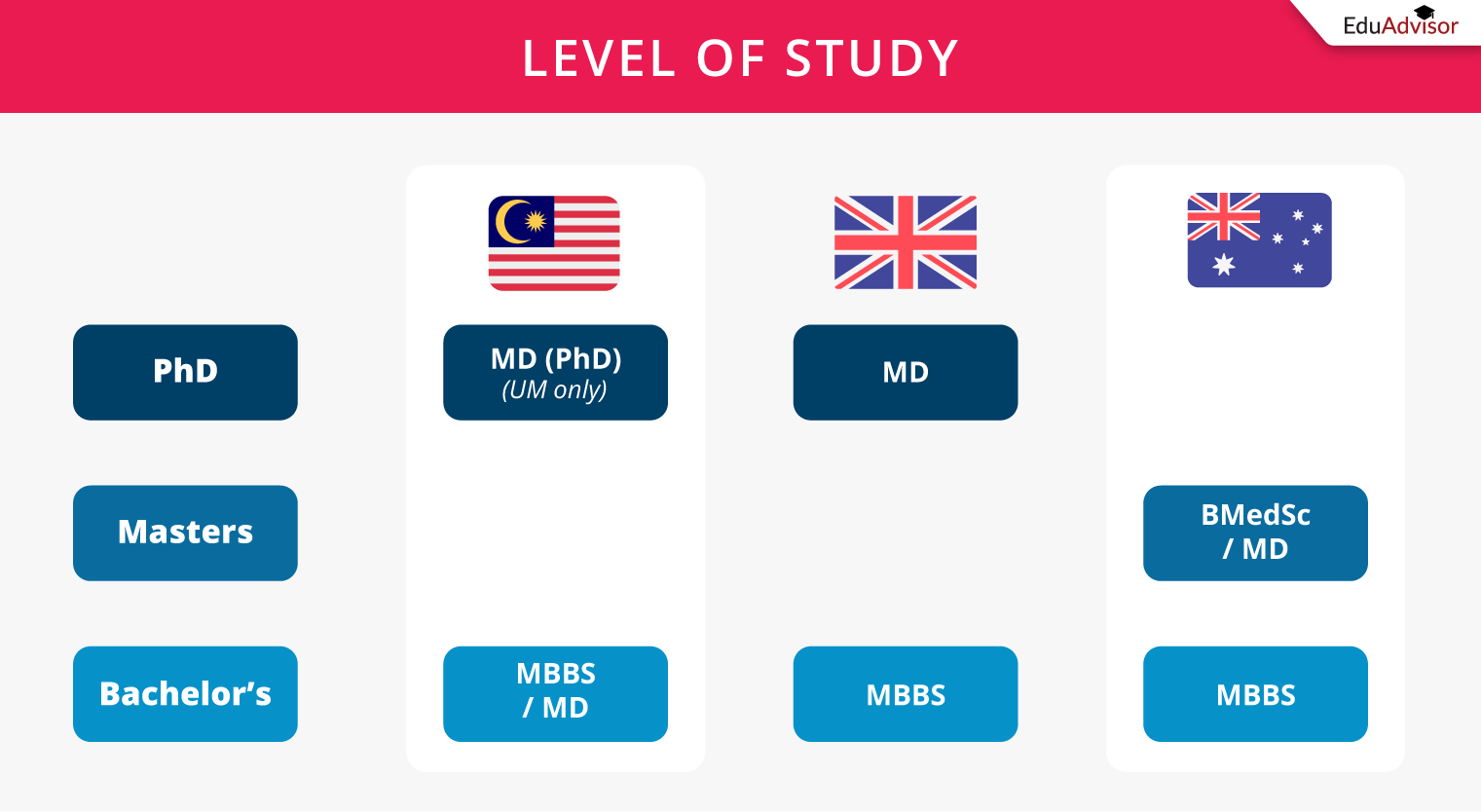
An MD degree is fundamentally a postgraduate professional degree. Unlike a standard undergraduate bachelor’s degree, an MD program requires a robust foundation in the biological and physical sciences, usually completed during a four-year pre-medical track. Once admitted to an accredited medical school, the journey is typically divided into two distinct halves: preclinical studies and clinical rotations.
Preclinical Foundations
The first two years of an MD program are characterized by a heavy load of didactic learning. Students dive deep into the human body, studying anatomy, biochemistry, pathology, pharmacology, and physiology. This phase is designed to build the intellectual scaffolding necessary to diagnose and treat complex human ailments. It is a period of intense intellectual growth, requiring students to synthesize vast amounts of data—from molecular interactions to systemic disease processes.
Clinical Rotations and The Clerkship Years
The latter two years, often referred to as clinical rotations, shift the focus from the lecture hall to the hospital floor. During this phase, students rotate through various medical specialties, including internal medicine, surgery, pediatrics, psychiatry, and obstetrics and gynecology. This is where the theoretical knowledge gained in the first half of the degree is pressure-tested against the realities of patient care. It is a formative period where students begin to define their own medical identity, determining which specialty aligns best with their personal strengths and professional aspirations.
The Financial Realities of Pursuing an MD
From a financial perspective, an MD degree is one of the most significant investments an individual can make. Understanding the return on investment (ROI) and the management of medical education costs is a critical component of the professional branding of a physician. Medical school tuition, coupled with the opportunity cost of several years of limited earning potential, creates a unique financial profile for the modern physician.
Navigating the Cost of Education
The tuition for medical school varies significantly depending on whether one attends a public or private institution. However, the cumulative cost, including books, living expenses, and mandatory health insurance, often places medical students in a high-debt bracket by the time they graduate. Managing these liabilities requires a strategic approach to personal finance that many medical students are forced to learn mid-degree. Understanding loan repayment programs, public service loan forgiveness (PSLF), and the long-term impact of compound interest on student debt is vital for financial health post-residency.
The Long-Term Economic Outlook
While the upfront costs are undeniably high, the earning trajectory of an MD holder remains one of the most stable in the modern economy. Once a physician completes residency and potentially a fellowship, their earning power increases significantly. However, the “Money” category of an MD degree is not just about a paycheck; it is about wealth management. Many physicians discover that as their income grows, so does their tax burden and financial complexity. Successful physicians treat their careers like a business, utilizing financial planners, optimizing tax strategies, and diversifying income streams beyond the standard hourly rate or salary.
Professional Branding and the “Physician” Identity
In the current professional landscape, the MD degree serves as more than just a credential; it is a powerful component of one’s personal brand. In an era where digital presence and reputation management define professional success, the MD title acts as a badge of rigorous, validated competence.
Establishing Professional Authority
The MD title is protected by law and represents a specific level of trust in the marketplace. For professionals aiming to enter healthcare consulting, medical technology, or high-level health policy, the MD is an immediate signal of authority. When an individual earns an MD, they are signaling to the market that they possess the analytical rigor, the ability to work under extreme pressure, and the dedication to lifelong learning that is expected of a specialist.
Leveraging the MD for Non-Clinical Ventures
Increasingly, holders of the MD degree are moving beyond the exam room. The “physician-entrepreneur” is a growing category in the business world. Whether it is launching a health-tech startup, acting as a medical advisor for venture capital firms, or developing proprietary software for electronic health records (EHR), the MD degree provides the technical expertise that non-medical founders often lack. When building a brand as an expert in the medical space, the MD is the foundational asset upon which credibility is built. It is the differentiator that allows a founder to bridge the gap between abstract technology and practical, patient-centered solutions.
The Evolution of the MD Degree in a Digital Age
Technology is transforming how medical education is delivered and how physicians practice. The integration of artificial intelligence, telemedicine, and big data is altering the value proposition of the MD degree.
Bridging the Gap Between Medicine and Technology
Modern medical students are now expected to be as comfortable with data analytics as they are with a stethoscope. The future of the MD degree is inherently linked to digital fluency. Schools are beginning to incorporate bioinformatics, genomics, and digital health literacy into their core curricula. This shift suggests that the next generation of MDs will be better positioned to lead in the technology sector, utilizing their medical training to identify inefficiencies in healthcare delivery and designing software-based solutions to solve them.
Strategy for Future Physicians
For those currently navigating the path toward an MD, the strategy should not just be about passing exams—it should be about curating a professional brand that can thrive in a tech-forward market. The MD degree is a high-stakes investment in one’s human capital. It is an asset that appreciates over time, provided the holder remains engaged with the changing landscape of medical science and the economic realities of the modern healthcare sector.
Ultimately, the MD degree is a multifaceted credential. It represents a commitment to the art and science of medicine, but it also carries significant financial weight and serves as a powerful instrument for professional positioning. Those who treat their MD journey as both a clinical training program and a strategic business development opportunity are the ones most likely to succeed, not just as practitioners, but as leaders, innovators, and authorities in the vast, evolving world of health and medicine. By understanding the academic, financial, and branding dimensions of the degree, one can maximize the ROI of this prestigious qualification and chart a course that ensures long-term professional and economic stability.
aViewFromTheCave is a participant in the Amazon Services LLC Associates Program, an affiliate advertising program designed to provide a means for sites to earn advertising fees by advertising and linking to Amazon.com. Amazon, the Amazon logo, AmazonSupply, and the AmazonSupply logo are trademarks of Amazon.com, Inc. or its affiliates. As an Amazon Associate we earn affiliate commissions from qualifying purchases.