
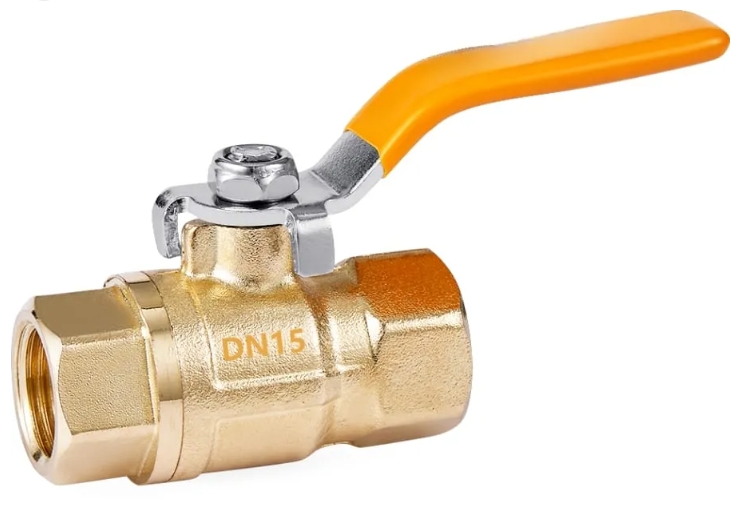
In the intricate world of industrial processes, manufacturing, and even everyday utility systems, the ability to control the flow of liquids and gases is paramount. At the heart of this control lies a crucial component: the isolation valve. Far more than just a simple on/off switch, an isolation valve is a device engineered to completely stop the flow of a medium within a pipeline or system, effectively isolating a section for maintenance, repair, or safety purposes. Understanding its function, types, and applications is fundamental for anyone involved in managing fluid dynamics and system integrity.
Understanding the Core Function
An isolation valve’s primary role is to create a complete seal, preventing any material (liquid, gas, or slurry) from passing through a specific point in a piping system. This full shut-off capability distinguishes it from control valves, which are designed to regulate flow rates or pressure, or check valves, which allow flow in only one direction. The effectiveness of an isolation valve hinges on its ability to provide a leak-tight seal when closed, ensuring absolute separation between active and inactive parts of a system.
The Imperative of System Isolation
The need for system isolation arises from various operational and safety requirements. In complex facilities like chemical plants, power stations, or even large commercial buildings, components such as pumps, filters, heat exchangers, or entire sections of piping often require servicing, cleaning, or replacement. Without an effective means to isolate these parts, operations would have to cease entirely, leading to costly downtime and potential hazards. Isolation valves provide the critical means to perform these tasks safely and efficiently, minimizing disruption to the overall system.
Safety and Operational Continuity
Safety is a primary driver behind the widespread use of isolation valves. By shutting off the flow, they eliminate the risk of exposure to hazardous materials, high pressures, or extreme temperatures for personnel working downstream of the valve. This is particularly vital in industries dealing with corrosive chemicals, superheated steam, or flammable gases. Beyond safety, isolation valves contribute significantly to operational continuity. They allow for planned maintenance to be carried out on specific equipment without necessitating a complete system shutdown, thus maintaining productivity and reducing operational costs associated with full facility closures.
Common Types of Isolation Valves
The design and operating principles of isolation valves vary widely, each optimized for different applications, pressures, temperatures, and fluid types. Selecting the correct type is critical for ensuring reliability and efficiency.
Ball Valves: Quick Shut-off
Ball valves are perhaps the most common type of isolation valve due prized for their quick quarter-turn (90-degree) operation and excellent shut-off capabilities. They consist of a spherical ball with a bore through the center, which rotates to either align with the pipeline for full flow or perpendicular to it for complete shut-off.
- Advantages: Excellent sealing, compact design, durable, low pressure drop when open.
- Applications: Widely used in almost all industries, including oil and gas, chemical, HVAC, and plumbing. They are effective for both liquids and gases.
Gate Valves: Full Flow, Minimal Pressure Drop
Gate valves operate by lifting a wedge-shaped or rectangular gate out of the path of the fluid. When fully open, the gate is completely withdrawn into the valve body, creating a full bore opening with minimal obstruction to flow, resulting in very low pressure drop. They are designed for either fully open or fully closed service and are not typically used for throttling.
- Advantages: Full flow capacity, minimal pressure drop, suitable for high-pressure and high-temperature applications.
- Applications: Common in water treatment, power generation, and oil and gas industries, particularly for large diameter pipes where minimal flow restriction is desired.
Globe Valves: Regulating Flow and Isolation
While often used for flow regulation (throttling), globe valves can also serve as isolation valves, particularly in applications where a tight shut-off is critical. They operate by moving a disc closer to or further from a seat. The fluid flow path involves several changes in direction, which inherently causes a higher pressure drop compared to gate or ball valves, but provides excellent control over flow.
- Advantages: Excellent throttling capabilities, good shut-off for specific applications, robust construction.
- Applications: Steam lines, cooling water systems, fuel oil systems, and chemical feed systems where both isolation and regulation might be required.
Plug Valves: Simple and Robust
Similar in concept to ball valves, plug valves use a cylindrical or tapered plug with a bore through it that rotates to control flow. They are known for their simplicity, robust construction, and ability to handle fluids with suspended solids or slurries. They also offer quick quarter-turn operation.
- Advantages: Good for slurries and dirty services, quick operation, relatively simple design.
- Applications: Chemical, oil and gas, mining, and wastewater treatment where resistance to clogging and abrasion is important.
Butterfly Valves: Compact and Versatile
Butterfly valves utilize a disc that rotates on a shaft within the valve body. A quarter-turn rotates the disc from a fully open to a fully closed position. They are highly valued for their compact design, lightweight nature, and cost-effectiveness, especially in larger pipe sizes.
- Advantages: Compact, lightweight, quick operation, relatively inexpensive for large diameters.
- Applications: HVAC, water treatment, fire protection, and general industrial services where space and weight are concerns.
How Isolation Valves Operate
The operation of isolation valves, while seemingly straightforward, involves precise engineering to ensure reliable sealing and ease of use. Their mechanisms are designed to withstand the forces of the fluid medium and provide a durable, repeatable shut-off.

Manual Operation Mechanisms
Most isolation valves are operated manually. This typically involves a handwheel or a lever attached to the valve stem. Rotating the handwheel, often via a threaded stem, moves the internal sealing element (gate, globe disc, or ball/plug) into its open or closed position. Levers, common on ball and butterfly valves, offer quicker quarter-turn action. Gears may be incorporated for larger valves, reducing the effort required to operate them, especially in high-pressure systems. Manual operation is prevalent in systems where infrequent adjustments are made or where cost and simplicity are prioritized.
Automated Systems for Critical Applications
For critical applications, remote operation, or systems requiring frequent or rapid cycling, isolation valves are often automated. Actuators, which are devices that convert energy into mechanical motion, are mounted on the valve. These can be:
- Pneumatic actuators: Use compressed air to move a piston or diaphragm, offering fast and powerful operation.
- Electric actuators: Use an electric motor to drive a gear train, providing precise control and often capable of partial opening for throttling.
- Hydraulic actuators: Employ hydraulic fluid pressure to move a piston, suitable for very large valves or high-force requirements.
Automated isolation valves are integrated into larger control systems (like SCADA or DCS), allowing for remote monitoring, emergency shutdowns, and automated process control, significantly enhancing safety and operational efficiency in complex industrial environments.
Critical Applications Across Industries
Isolation valves are indispensable across a vast spectrum of industries, playing a pivotal role in ensuring the safety, efficiency, and maintainability of countless systems.
Industrial Processes and Manufacturing
In chemical processing, food and beverage production, pharmaceuticals, and manufacturing, isolation valves are used to segment processes, isolate reactors, tanks, or machinery for cleaning, repair, or recipe changes. This allows for continuous operation of other parts of the plant while specific sections are offline. They are critical for preventing cross-contamination and managing hazardous materials.
HVAC and Building Management Systems
Large commercial and industrial HVAC systems utilize isolation valves to control the flow of chilled water, hot water, and steam to various zones or air handling units. This allows for specific areas to be heated or cooled independently, facilitates maintenance on pumps or coils without affecting the entire building, and enables efficient energy management.
Water and Wastewater Treatment
Water treatment plants rely heavily on isolation valves to direct water through different treatment stages (filtration, sedimentation, disinfection), isolate tanks for cleaning or repair, and manage distribution networks. In wastewater treatment, they are crucial for handling raw sewage, sludge, and treated effluent, ensuring safe and contained processes.
Oil & Gas and Chemical Processing
Perhaps one of the most critical sectors for isolation valves, the oil and gas industry uses them throughout exploration, production, refining, and distribution. From wellheads to pipelines, refineries, and storage terminals, these valves manage highly volatile and pressurized hydrocarbons. Their failure can lead to catastrophic consequences, highlighting the importance of robust design, proper selection, and diligent maintenance. Chemical plants use them to manage an array of corrosive, toxic, and flammable chemicals, where absolute shut-off is non-negotiable for safety.
Selection, Installation, and Maintenance Considerations
The longevity and effectiveness of an isolation valve depend not only on its initial design but also on its correct selection, professional installation, and ongoing maintenance.
Material Compatibility and Pressure Ratings
Choosing the right valve begins with understanding the process fluid’s characteristics (temperature, pressure, corrosiveness, viscosity, presence of solids) and the operating environment. Valve body and trim materials (e.g., stainless steel, carbon steel, PVC, specialized alloys) must be chemically compatible with the fluid to prevent corrosion and premature failure. Pressure and temperature ratings must exceed the maximum expected operating conditions, including potential transient spikes. Failure to match materials and ratings can lead to leaks, valve failure, and dangerous incidents.
Proper Installation for Optimal Performance
Installation must adhere to manufacturer specifications and industry best practices. This includes correct alignment with the pipeline to avoid undue stress on the valve body, proper sealing of connections (flanged, threaded, welded), and ensuring sufficient space for operation and maintenance. Incorrect installation can lead to reduced valve life, leakage, and impaired functionality. For automated valves, proper wiring and calibration of actuators are equally important.

Routine Inspections and Predictive Maintenance
Even the most robust isolation valve requires regular inspection and maintenance to ensure continued reliability. This includes visual checks for leaks, corrosion, and damage; testing for full open/close functionality; and lubricating moving parts. Predictive maintenance techniques, such as acoustic monitoring for internal leakage or thermal imaging for detecting temperature anomalies, can identify potential issues before they escalate into costly failures. A proactive maintenance schedule extends valve life, prevents unexpected shutdowns, and upholds safety standards.
In conclusion, the isolation valve, while often unseen and unheralded, is a cornerstone of modern industrial and utility infrastructure. Its ability to reliably separate sections of a system is critical for safety, efficiency, and the uninterrupted operation of countless technological processes that underpin our daily lives.
aViewFromTheCave is a participant in the Amazon Services LLC Associates Program, an affiliate advertising program designed to provide a means for sites to earn advertising fees by advertising and linking to Amazon.com. Amazon, the Amazon logo, AmazonSupply, and the AmazonSupply logo are trademarks of Amazon.com, Inc. or its affiliates. As an Amazon Associate we earn affiliate commissions from qualifying purchases.