
The human body is a marvel of biomechanical engineering, capable of astonishing feats of dexterity, strength, and endurance. At the heart of this capability lies a complex network of muscles, each designed for specific functions. Among these, intrinsic muscles represent a fascinating subset, characterized by their unique anatomical positioning and specialized roles. An intrinsic muscle is defined as a muscle that originates and inserts entirely within a particular body region, meaning its entire structure, from start to finish, is contained within that specific area. This is in contrast to extrinsic muscles, which originate in one region but extend to and insert into another, often crossing a joint to produce broader movements.
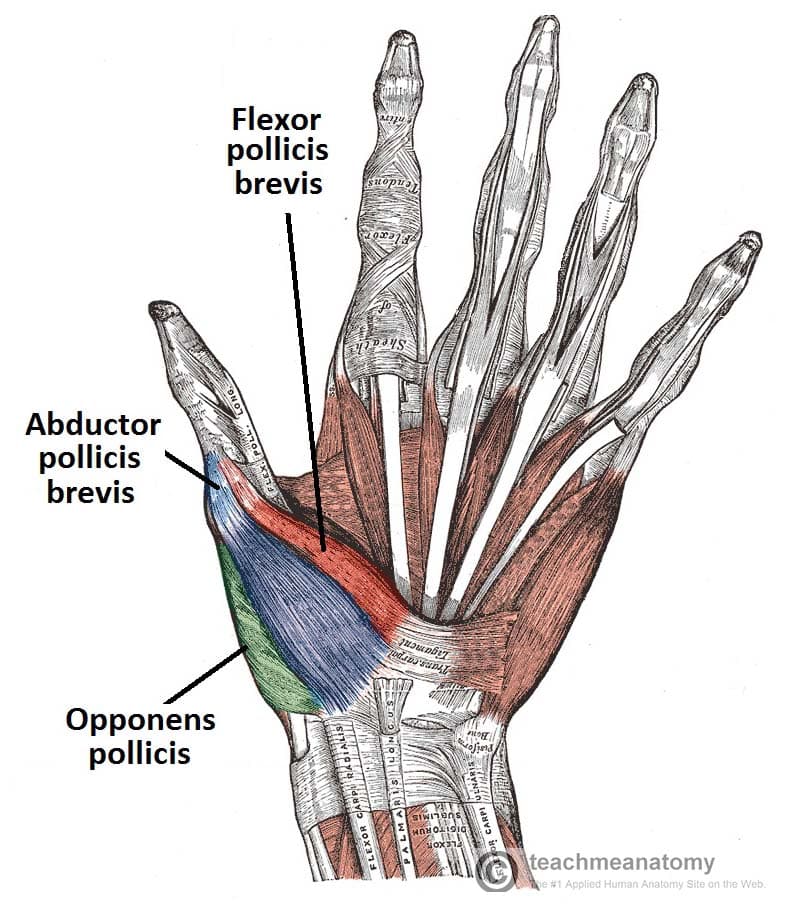
While this anatomical definition might seem purely biological, understanding the intricate mechanics and precise control offered by intrinsic muscles is becoming increasingly critical in the realm of technology. From the development of sophisticated robotics and prosthetics to advanced biomechanical simulations, ergonomic interface design, and AI-driven diagnostics, the principles governing intrinsic muscle function are shaping the next generation of technological innovation. These deeply embedded muscles, often responsible for fine motor control and stabilization, provide invaluable insights into natural, intuitive movement, making their study essential for creating more seamless and effective human-technology interactions.
The Biomechanical Blueprint: Intrinsic Muscles in Digital Emulation
The precision and nuanced control afforded by intrinsic muscles offer a compelling blueprint for technological replication and enhancement. The ability to model these small, yet powerful, muscle groups is paramount for advancing fields ranging from surgical robotics to interactive virtual environments.
Precision in Prosthetics and Robotics
For individuals requiring prosthetic limbs, the goal is not merely to replace a lost appendage but to restore functionality, proprioception, and a sense of natural movement. Intrinsic muscles, particularly those in the hand and foot, are responsible for the subtle, intricate movements that allow for grasping, manipulating small objects, and maintaining balance. Replicating this level of precision in robotic prosthetics presents a significant engineering challenge. Advanced prosthetics now incorporate sophisticated sensors and actuators designed to mimic the rapid, coordinated contractions of intrinsic muscles. Myoelectric sensors, for instance, detect electrical signals from residual limb muscles, translating these into commands for prosthetic fingers or toes. The ongoing research into neural interfaces aims even further, seeking to directly tap into nerve signals that once controlled intrinsic muscles, allowing for more intuitive and natural control over prosthetic devices. Similarly, in robotics, understanding intrinsic muscle mechanics informs the design of robotic grippers and manipulators, enabling them to perform delicate tasks with human-like dexterity in fields such as manufacturing, medicine, and exploration. The goal is to move beyond simple open-and-close functions to achieve the nuanced force feedback and fine adjustments intrinsic to biological systems.
Realism in Virtual and Augmented Realities
The immersive quality of virtual reality (VR) and augmented reality (AR) hinges on the convincing simulation of physical interaction. When a user reaches out to grasp a virtual object, the response should feel natural and accurate, a feat that relies heavily on understanding human biomechanics, particularly the roles of intrinsic muscles. Game developers and simulation engineers leverage detailed anatomical models, often informed by medical imaging, to animate digital avatars with realistic movements. For example, the subtle curling and splaying of fingers controlled by intrinsic hand muscles are crucial for conveying nuanced emotions and actions in VR experiences. Advanced haptic feedback systems are being developed to replicate the sensation of touching and manipulating virtual objects, taking cues from the proprioceptive feedback generated by our own intrinsic muscles. Without an accurate representation of these internal muscular dynamics, digital interactions can feel artificial and disconnect the user from the virtual environment, underscoring the importance of intrinsic muscle insights in creating truly immersive and believable digital worlds.
Wearable Tech and the Intrinsic Muscle Connection
Wearable technology has rapidly evolved from simple fitness trackers to sophisticated devices capable of monitoring complex physiological data. Intrinsic muscles, with their role in fine motor control and localized stability, are a prime focus for this category of innovation, offering insights into human performance, health, and ergonomic interaction.
Monitoring Fine Motor Control
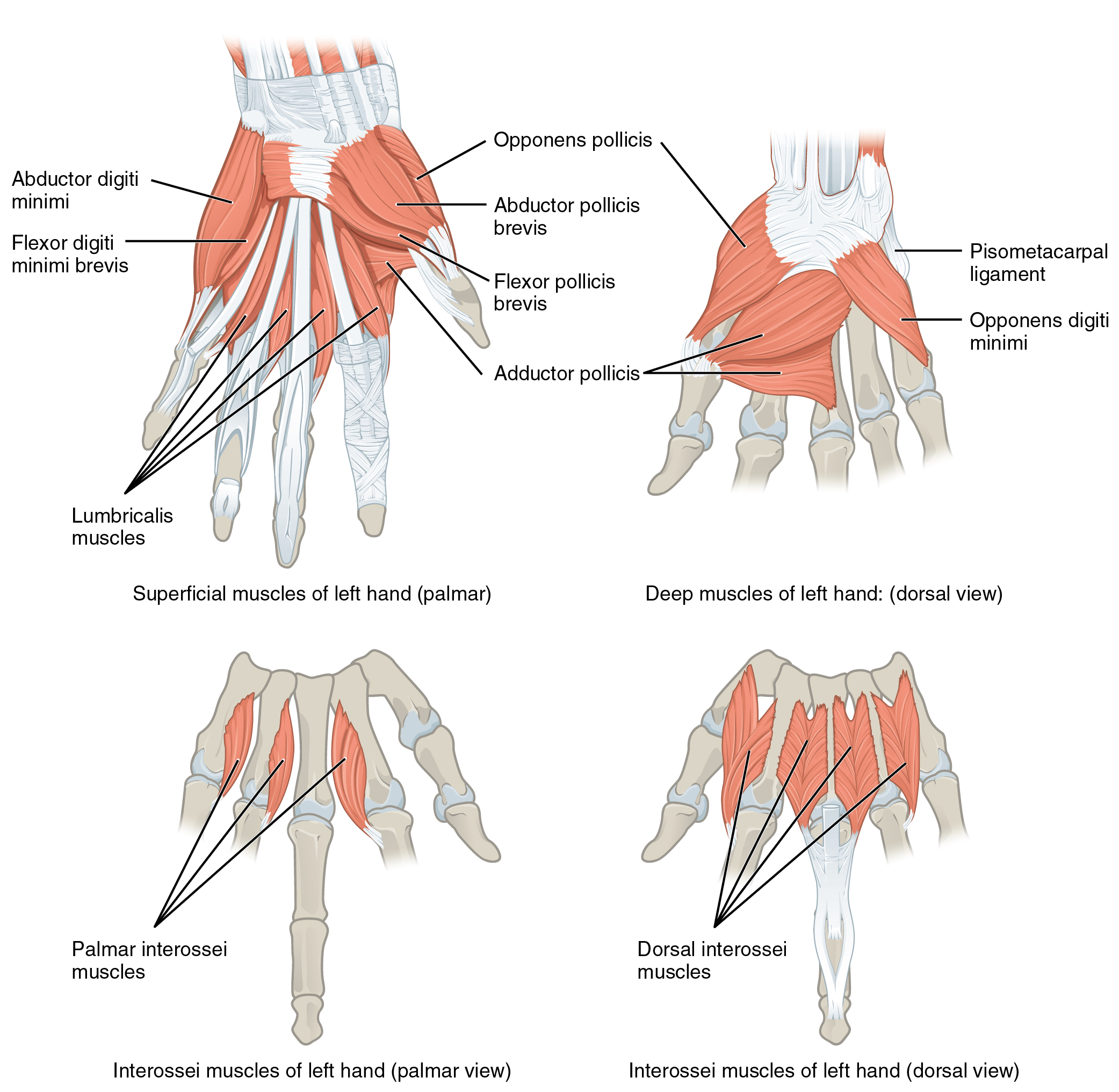
Devices capable of tracking and analyzing the activity of intrinsic muscles provide invaluable data for a wide range of applications. For athletes, particularly those in sports requiring high dexterity such as golf, tennis, or e-sports, sensors embedded in gloves or wristbands can monitor the precise movements and fatigue patterns of intrinsic hand and wrist muscles. This data allows for performance optimization, identifying inefficiencies in technique or potential precursors to injury. In clinical settings, wearable sensors can assist in rehabilitation by tracking the recovery of fine motor skills following injury or neurological conditions. For example, patients recovering from a stroke might use a smart glove that monitors the intrinsic muscles of their hand, providing real-time feedback on their progress and helping therapists tailor exercises. The ability to precisely quantify these minute movements opens new avenues for personalized medicine and performance training, making the invisible work of intrinsic muscles tangible and measurable.
Ergonomic Design and Injury Prevention
The modern digital workspace often places significant strain on intrinsic muscles, particularly those in the hands, wrists, and feet, leading to conditions like carpal tunnel syndrome or plantar fasciitis. Wearable technology, informed by intrinsic muscle dynamics, is at the forefront of preventing these common occupational injuries. Ergonomic keyboards, mice, and even smart footwear are designed with an understanding of how intrinsic muscles support natural posture and movement. Some advanced wearables can detect early signs of muscle fatigue or incorrect usage patterns by monitoring intrinsic muscle activity and provide immediate feedback to the user, prompting them to adjust their posture or take a break. For instance, smart insoles can analyze foot arch mechanics, helping individuals choose appropriate footwear or orthotics to support the intrinsic muscles of the foot and prevent issues related to overpronation or supination. By integrating insights from intrinsic muscle biomechanics, technology can proactively safeguard worker health and improve long-term well-being in digital-intensive environments.
AI and Machine Learning: Decoding Intrinsic Muscle Function
The vast amounts of data generated by physiological monitoring and biomechanical studies create a perfect environment for artificial intelligence and machine learning to shine. These technologies are proving instrumental in deciphering the complexities of intrinsic muscle function, leading to revolutionary advancements in diagnosis, personalized treatment, and predictive analytics.
Diagnostic Advancements and Predictive Analytics
Traditional methods for diagnosing intrinsic muscle disorders can be challenging due to their small size and deep location. AI-powered diagnostic tools are transforming this landscape. Machine learning algorithms can analyze high-resolution medical imaging (MRI, ultrasound) with unparalleled accuracy, identifying subtle anomalies in intrinsic muscle structure or function that might be missed by the human eye. These algorithms can be trained on vast datasets of healthy and diseased muscle images, enabling them to detect early signs of conditions like muscle atrophy, inflammation, or nerve impingement affecting intrinsic muscles. Furthermore, predictive analytics, utilizing patterns in wearable sensor data, can forecast the likelihood of certain injuries or the progression of degenerative conditions. For example, by analyzing gait patterns and foot intrinsic muscle activity over time, AI can predict the risk of future falls in elderly individuals or anticipate the onset of chronic foot pain, allowing for proactive interventions.
Personalized Rehabilitation and Training Algorithms
The unique nature of intrinsic muscle recovery and training means that a one-size-fits-all approach is often ineffective. AI and machine learning are enabling hyper-personalized rehabilitation and training protocols. By continuously analyzing an individual’s intrinsic muscle performance data from wearables or smart exercise equipment, AI algorithms can dynamically adjust exercise regimens. This might involve recommending specific stretches, strength exercises, or even modifying the intensity and duration of activities to optimally target specific intrinsic muscle groups. For patients recovering from surgery or injury, AI can provide real-time feedback on exercise execution, ensuring proper form and maximizing therapeutic benefit while minimizing the risk of re-injury. In sports, AI-driven coaching platforms can analyze an athlete’s intrinsic muscle activation patterns during performance, identifying weaknesses or imbalances and generating bespoke training plans to enhance precision, power, and endurance. The adaptive nature of these AI systems ensures that interventions remain relevant and effective as an individual’s condition evolves.
The Future of Human-Technology Interface: Inspired by Intrinsic Muscles
As technology becomes increasingly integrated into daily life, the demand for more intuitive, seamless, and efficient human-technology interfaces grows. The sophisticated control mechanisms of intrinsic muscles offer profound inspiration for developing these next-generation interactions.
Intuitive Controls and Biometric Interactions
Imagine controlling digital devices not through external peripherals, but through the subtle, internal movements of your own body. The intricate communication between intrinsic muscles and the nervous system is paving the way for advanced biometric interfaces. Research into electromyography (EMG) sensors is exploring how the electrical signals generated by intrinsic muscles can be translated into direct commands for computers, smart home devices, or robotic systems. For instance, subtle contractions of intrinsic hand muscles, normally used for fine manipulation, could be interpreted as gestures to navigate menus on a screen or control a drone. This moves beyond traditional gesture recognition, which often relies on gross motor movements, to a much more refined and personal level of interaction. Such interfaces promise a future where technology responds to our intentions with minimal conscious effort, mirroring the unconscious efficiency of our own intrinsic musculature.

Enhancing Performance and Longevity
The study of intrinsic muscles also holds the key to developing technologies that not only interact with us but also actively enhance our physical capabilities and promote long-term health. Exoskeletons and powered assistive devices are evolving from rigid structures to more flexible, adaptive systems that work in harmony with the body’s natural biomechanics, including intrinsic muscle activation. These devices, informed by real-time intrinsic muscle data, could provide subtle support to prevent fatigue in physically demanding jobs or assist individuals with mobility challenges in performing daily tasks with greater ease. Moreover, continued research into intrinsic muscle health and its preservation, aided by advanced monitoring and AI analytics, can lead to proactive technological interventions that extend our physical capabilities, promote active aging, and ensure that our biological “intrinsic muscles” remain healthy and functional for longer, allowing us to interact with the world and its technologies more effectively throughout our lives.
aViewFromTheCave is a participant in the Amazon Services LLC Associates Program, an affiliate advertising program designed to provide a means for sites to earn advertising fees by advertising and linking to Amazon.com. Amazon, the Amazon logo, AmazonSupply, and the AmazonSupply logo are trademarks of Amazon.com, Inc. or its affiliates. As an Amazon Associate we earn affiliate commissions from qualifying purchases.