
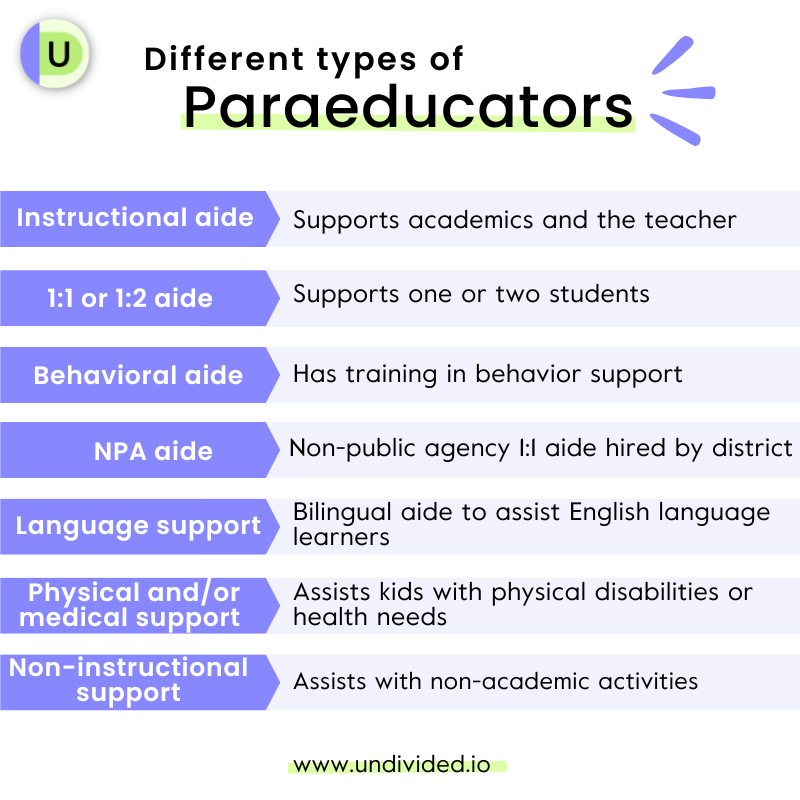
In the ever-evolving landscape of education, the role of an “instructional aide” is becoming increasingly vital, though often misunderstood. While the title itself might evoke images of a classroom assistant, the modern instructional aide is a multifaceted professional who leverages technology and pedagogical principles to enhance learning experiences. This exploration delves into the contemporary understanding of an instructional aide, focusing on their integration within the technological ecosystem of education. Far from being mere administrative support, instructional aides are now pivotal in deploying, managing, and optimizing the digital tools that are transforming classrooms worldwide.
The Evolving Role of the Instructional Aide in the Digital Classroom
The traditional perception of an instructional aide as someone who photocopies worksheets and supervises study hall is rapidly becoming obsolete. The advent of digital learning environments has dramatically expanded the scope and impact of this role. Instructional aides are now at the forefront of implementing and supporting the technological infrastructure that underpins modern education. This includes not only the hardware and software but also the pedagogical strategies that best utilize these tools to foster student engagement and achievement.

Bridging the Gap Between Technology and Pedagogy
A core responsibility of the contemporary instructional aide is to act as a bridge between the technical capabilities of educational technology and its effective pedagogical application. This involves understanding how various software platforms, learning management systems (LMS), interactive whiteboards, and digital content libraries can be integrated into lesson plans to achieve specific learning objectives. They are instrumental in ensuring that technology serves as a facilitator of learning, rather than a mere digital distraction.
Understanding and Implementing Educational Software
Instructional aides possess a nuanced understanding of the diverse array of educational software available. This can range from adaptive learning platforms that personalize instruction based on student performance, to collaborative tools that enable group projects, and specialized applications for subjects like coding or digital art. Their role involves not just knowing what software exists, but also evaluating its suitability for specific age groups, subject matters, and learning goals. This often includes providing initial setup, troubleshooting common issues, and guiding educators on how to best leverage the software’s features.
Navigating Learning Management Systems (LMS)
Learning Management Systems such as Canvas, Blackboard, or Google Classroom have become the central hubs for academic activities in many institutions. Instructional aides are often the go-to experts for navigating these complex platforms. They assist both educators and students in uploading assignments, tracking progress, managing grades, and facilitating communication. Their proficiency ensures that the LMS functions seamlessly, creating an organized and accessible digital learning environment. This requires a keen eye for detail and a proactive approach to problem-solving, ensuring that technical glitches do not impede the flow of education.
Empowering Educators with Technological Proficiency
One of the most significant contributions of an instructional aide is their ability to empower educators with the confidence and skills to utilize technology effectively. Many teachers, while experts in their subject matter, may not have extensive technical backgrounds. Instructional aides provide the necessary support, training, and ongoing assistance to bridge this knowledge gap.
Providing Technical Training and Support
Instructional aides are responsible for delivering practical, hands-on training to educators on how to use new hardware and software. This can involve one-on-one sessions, group workshops, or developing accessible documentation and tutorials. They demystify complex technologies, breaking them down into manageable steps and demonstrating their practical applications in the classroom. Their patient and supportive approach helps educators overcome any apprehension they might have towards technology, fostering a more tech-savvy teaching staff.
Curating and Recommending Digital Resources
Beyond supporting existing tools, instructional aides play a crucial role in identifying and recommending new digital resources that can enrich the curriculum. They stay abreast of emerging educational technologies and evaluate their potential impact. This involves researching online repositories of digital content, reviewing educational apps, and staying informed about innovations in areas like virtual reality (VR) and augmented reality (AR) in education. Their recommendations help educators discover innovative ways to present information, engage students, and cater to diverse learning styles.
The Technological Toolkit of the Modern Instructional Aide
The definition of an instructional aide today is intrinsically linked to the technological tools they wield and support. These tools are not just for the aide themselves but are deployed to enhance the learning experience for students and the teaching experience for educators. Understanding this technological arsenal is key to appreciating the contemporary role.
Hardware and Infrastructure Management
While not always directly responsible for network administration, instructional aides often work closely with IT departments to ensure the smooth operation of classroom technology. This includes managing devices, troubleshooting connectivity issues, and ensuring that equipment is ready for use.
Device Deployment and Maintenance
In schools that utilize 1:1 device programs (where each student has a personal device), instructional aides are often involved in the initial setup, distribution, and ongoing maintenance of these devices. This can include software updates, security configurations, and basic repair or troubleshooting. Their proactive management ensures that students have reliable access to the technology they need for their studies.
Ensuring Network Connectivity and Access
A fundamental requirement for any digital learning environment is reliable internet access. Instructional aides often serve as a first point of contact for connectivity issues, working with IT to diagnose and resolve problems that might disrupt lessons. They ensure that students and teachers can access online resources without interruption.
Digital Content Creation and Management
Instructional aides are increasingly involved in the creation, curation, and organization of digital learning materials. This moves beyond simply finding existing resources to actively shaping the digital content that students interact with.
Developing Interactive Learning Materials
Leveraging various authoring tools and platforms, instructional aides can help create engaging and interactive learning materials. This might include developing quizzes, interactive presentations, educational games, or multimedia content that caters to different learning modalities. Their ability to translate pedagogical goals into digital formats is invaluable.
Organizing and Archiving Digital Assets
As educational institutions accumulate vast amounts of digital content, instructional aides are crucial for maintaining an organized and accessible repository of these assets. This involves developing systematic file naming conventions, categorization strategies, and utilizing digital asset management systems to ensure that resources can be easily found and repurposed. This systematic approach saves educators valuable time and ensures consistency in curriculum delivery.
The Impact of Instructional Aides on Digital Literacy and Equity
Beyond their direct technical and pedagogical support, instructional aides play a significant role in fostering digital literacy among students and promoting equitable access to educational technology. Their presence in the classroom can have a profound impact on how students engage with the digital world and how effectively technology serves all learners.
Cultivating Student Digital Literacy
Instructional aides often directly engage with students, guiding them in developing essential digital skills. This goes beyond basic computer operation to include critical evaluation of online information, understanding digital citizenship, and utilizing technology for research and creation.
Teaching Responsible Online Conduct
In an era where online interactions are ubiquitous, teaching students about digital citizenship is paramount. Instructional aides can lead discussions and activities focused on online safety, privacy, ethical behavior, and the responsible use of social media and other digital platforms. They equip students with the knowledge and skills to navigate the digital world safely and respectfully.
Enhancing Research and Information Literacy Skills
Instructional aides can guide students in effectively using digital tools for research. This includes teaching them how to conduct effective online searches, evaluate the credibility of digital sources, and properly cite information. These skills are fundamental to academic success and lifelong learning in a digitally saturated world.
Promoting Equitable Access to Technology
A crucial aspect of the instructional aide’s role is to ensure that all students have the opportunity to benefit from educational technology. This involves addressing potential barriers to access and providing support to students who may have less experience with digital tools.
Supporting Students with Diverse Learning Needs
Instructional aides can work with educators to identify and implement assistive technologies that support students with diverse learning needs, including those with disabilities. This might involve configuring software to read text aloud, providing alternative input methods, or utilizing specialized communication tools. Their efforts help create a more inclusive learning environment.
Bridging the Digital Divide within the School
In schools where students may have varying levels of access to technology at home, instructional aides can provide additional support and practice opportunities within the school setting. They ensure that all students, regardless of their home environment, have the chance to develop the digital skills necessary for academic success.
The Future of the Instructional Aide in a Tech-Driven Educational Landscape
The trajectory of education is undeniably intertwined with technological advancement. As technology continues to evolve, so too will the role of the instructional aide. Their adaptability, continuous learning, and commitment to leveraging technology for educational benefit will be more critical than ever.
Adapting to Emerging Technologies
The landscape of educational technology is constantly shifting, with new tools and platforms emerging regularly. Instructional aides must be proactive in learning about and integrating these advancements, from artificial intelligence (AI) in education to more sophisticated immersive learning experiences.
The Rise of AI and Machine Learning in Education
Artificial intelligence is beginning to permeate educational tools, offering personalized learning pathways, automated grading, and intelligent tutoring systems. Instructional aides will be at the forefront of understanding, implementing, and troubleshooting these AI-driven solutions, ensuring they are used ethically and effectively to enhance student outcomes.
Immersive Technologies: VR and AR in the Classroom
Virtual reality (VR) and augmented reality (AR) are poised to revolutionize how students experience complex concepts. Instructional aides will likely play a key role in managing VR/AR hardware, selecting appropriate educational content, and guiding both educators and students in using these immersive technologies to create engaging and memorable learning experiences.
Collaboration and Professional Development
The instructional aide role thrives on collaboration and continuous professional development. As technology advances, so too must the expertise of those who support its integration.
Building Stronger Partnerships with Educators and IT
The effectiveness of an instructional aide is amplified through strong partnerships. Close collaboration with classroom educators ensures that technology aligns with pedagogical goals, while a robust relationship with IT departments guarantees the underlying infrastructure is sound. These collaborative efforts are essential for a cohesive and technologically advanced educational ecosystem.

Continuous Learning and Skill Enhancement
The rapidly evolving nature of educational technology necessitates a commitment to lifelong learning for instructional aides. Engaging in professional development opportunities, attending workshops, and staying informed about industry trends are crucial for maintaining relevance and providing the highest level of support. This dedication to growth ensures they remain invaluable assets in shaping the future of education.
aViewFromTheCave is a participant in the Amazon Services LLC Associates Program, an affiliate advertising program designed to provide a means for sites to earn advertising fees by advertising and linking to Amazon.com. Amazon, the Amazon logo, AmazonSupply, and the AmazonSupply logo are trademarks of Amazon.com, Inc. or its affiliates. As an Amazon Associate we earn affiliate commissions from qualifying purchases.