
In the intricate world of technology, where our smartphones have become indispensable extensions of ourselves, understanding the foundational elements that govern their operation is increasingly important. One such element, often encountered during troubleshooting or when purchasing a used device, is the IMEI number. While it might sound technical, the IMEI (International Mobile Equipment Identity) number is a crucial identifier with significant implications for security, device management, and even your ability to use your phone. This article will delve deep into the multifaceted uses of an IMEI number, exploring its role from a technological standpoint to its impact on your financial security and brand reputation.
Understanding the IMEI: More Than Just a Number
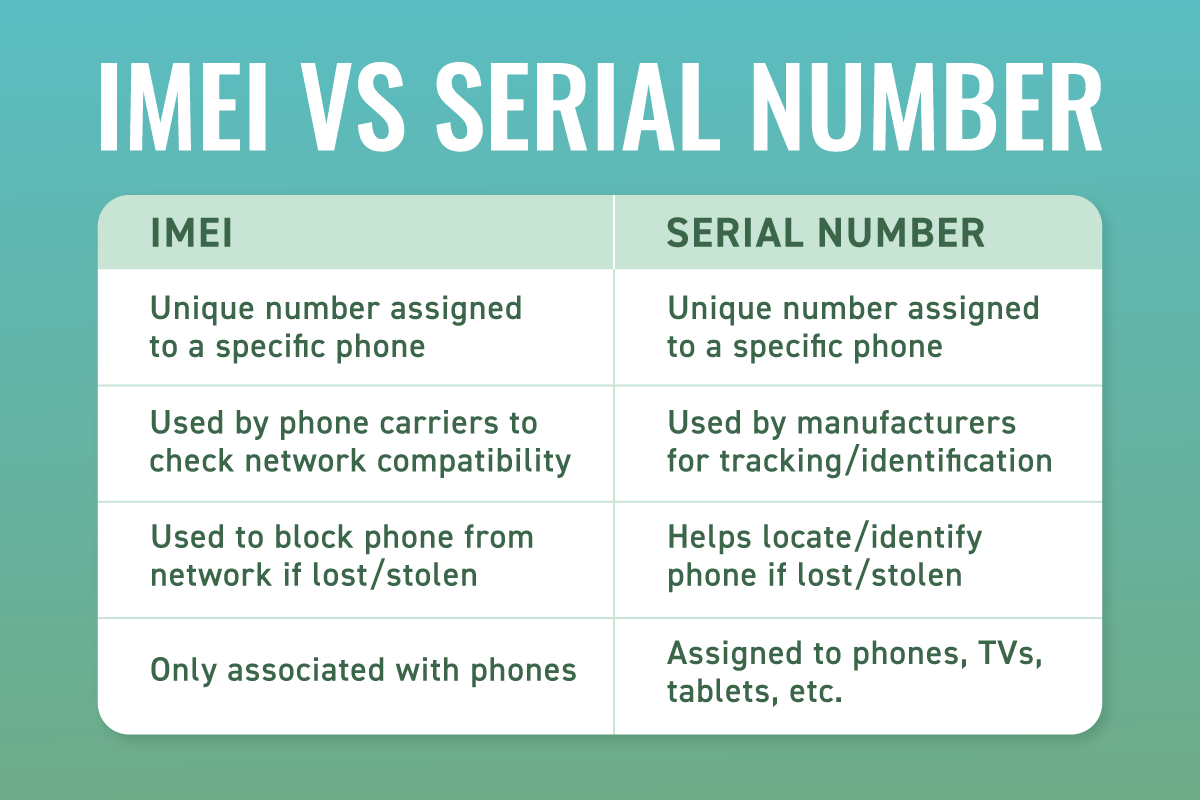
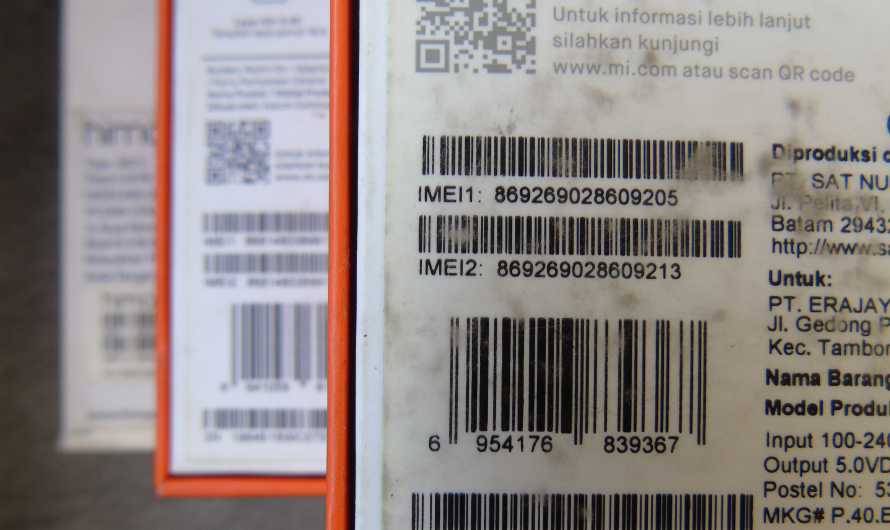
At its core, an IMEI number is a unique 15-digit code assigned to every GSM, WCDMA, and iDEN mobile phone, as well as some satellite phones. Think of it as a serial number specifically designed for mobile devices. Unlike your phone number, which is associated with your SIM card and your mobile carrier, the IMEI is embedded in the hardware of the device itself. This fundamental difference is what grants the IMEI its unique and powerful capabilities.
The Technical Backbone: How IMEI Works
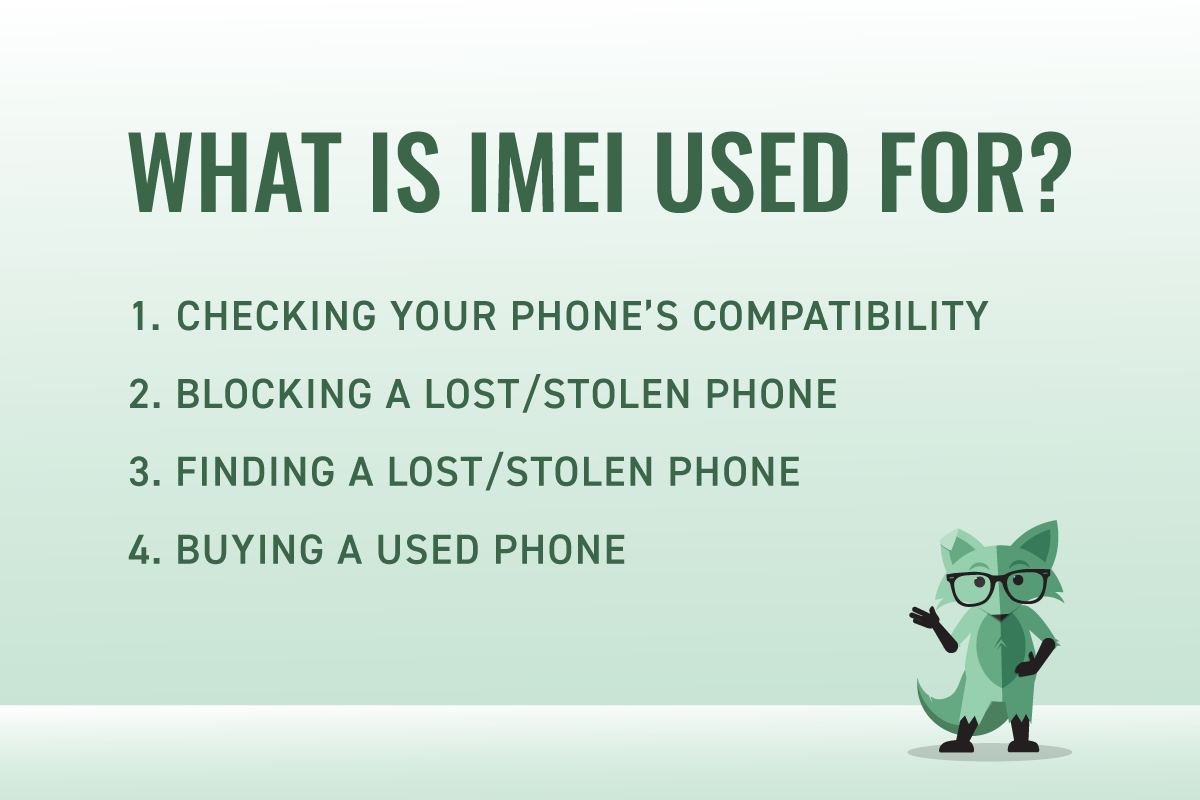
From a purely Tech perspective, the IMEI number plays a vital role in the functioning of the global mobile network. When your phone connects to a cellular network, it communicates its IMEI to the network provider. This communication is essential for several reasons:
- Device Identification and Authentication: The IMEI acts as a unique identifier, allowing the network to recognize your specific device. This is crucial for authenticating your phone and ensuring it’s a legitimate device allowed on the network. Without this, it would be much easier for stolen or unapproved devices to access cellular services.
- Network Management and Optimization: Mobile operators use IMEI data to track the types of devices connected to their network. This information aids in network planning, optimization, and understanding device performance. For example, knowing the prevalence of certain older devices might influence decisions about phasing out older network technologies.
- Software and Firmware Updates: In some cases, manufacturers and carriers use the IMEI to deliver specific software and firmware updates tailored to particular device models and their configurations. This ensures that your device receives the correct updates, preventing compatibility issues and security vulnerabilities.
- Troubleshooting and Support: When you contact your mobile carrier or the device manufacturer for support, they will often ask for your IMEI number. This allows them to quickly identify your device model, its warranty status, and any previous support tickets associated with it. This streamlines the troubleshooting process and helps them provide more accurate assistance.
- Preventing Counterfeit Devices: The IMEI system helps in identifying and preventing the proliferation of counterfeit mobile devices. Genuine devices are registered with their IMEIs, and deviations from this can be flagged, protecting consumers from purchasing fake or substandard products.
Beyond the Device: IMEI’s Role in Security and Recovery
The implications of the IMEI extend far beyond basic network operation. It is a powerful tool for enhancing digital security and recovering lost or stolen devices.
Safeguarding Your Digital Assets: The Security Nexus
The Digital Security aspect of the IMEI is arguably its most impactful for the average user. When your phone is lost or stolen, the IMEI becomes your primary weapon in trying to mitigate the damage and potentially recover your device.
- Blacklisting Stolen Devices: If your phone is reported stolen to your mobile carrier or a relevant authority, the IMEI can be “blacklisted.” This means the IMEI is added to a global database, and network providers will block any attempts by that device to connect to their network. Even with a new SIM card, the phone will be rendered useless for making calls, sending texts, or accessing mobile data. This significantly reduces the incentive for phone theft, as the stolen device becomes a very expensive paperweight.
- Preventing Unauthorized Use: Blacklisting effectively prevents a stolen device from being used on any legitimate mobile network. This protects not only the owner from potential fraudulent activity associated with their IMEI but also the mobile operators from providing services to compromised devices.
- Tracing and Recovery (with Limitations): While the IMEI itself doesn’t directly track a phone’s location, it is an essential piece of information that law enforcement and sometimes even manufacturers can use in conjunction with other data to attempt to trace a stolen device. For instance, if a stolen phone is found connected to a network, the network provider can potentially identify its location based on the IMEI’s association with that network. However, this is a complex process and not always successful.
Financial and Reputational Implications: The Brand and Money Connection
The impact of a lost or stolen device, and by extension its IMEI, can also have significant Money and Brand implications for both individuals and businesses.
- Protecting Your Financial Investments: A smartphone is a considerable financial investment. Losing it means not only the cost of replacing the device but also the potential loss of sensitive financial information stored on it. By blacklisting your IMEI, you are taking a crucial step to protect this investment and prevent unauthorized access to your financial apps, online banking, and payment services.
- Preventing Identity Theft and Fraud: Your phone often holds the keys to a vast amount of personal information, including contacts, photos, emails, and access to social media and other online accounts. If your phone falls into the wrong hands, this information can be exploited for identity theft and various forms of online fraud. Blacklisting the IMEI is a critical step in limiting the potential for such breaches.
- Maintaining Your Digital Brand Reputation: For individuals and businesses alike, a compromised device can inadvertently affect their Personal Branding or Corporate Identity. Imagine receiving suspicious emails or messages originating from your lost phone, potentially damaging your reputation. By securing your device through IMEI blacklisting, you are actively safeguarding your digital presence and the trust associated with your name or brand.
- Insurance Claims and Warranty: When making an insurance claim for a lost or stolen device, or when seeking warranty service, your IMEI number will invariably be required. It serves as proof of ownership and helps in verifying the device’s legitimacy and its coverage status.
- Resale Value and Legitimacy: When purchasing or selling a used phone, checking the IMEI is a critical step. A valid and clean IMEI (not blacklisted) indicates that the phone is legitimate and has not been reported stolen. This directly impacts the Resale Value of a device. A blacklisted IMEI renders a phone virtually worthless on the legitimate market, protecting both the buyer from fraud and the seller from inadvertently selling a compromised device.
Key Uses and Implications of Your IMEI Number
Let’s consolidate the various applications of the IMEI number into key areas, highlighting their significance across the domains of Tech, Brand, and Money.
H2: IMEI as a Cornerstone of Device Management and Security
The IMEI number is fundamentally a tool for identifying and managing mobile devices within the global telecommunications infrastructure. Its primary roles revolve around ensuring network integrity and providing a mechanism for security.
H3: Network Identification and Service Provision
The most basic and prevalent use of the IMEI is for the mobile network to identify the specific device requesting service. This is a continuous process that happens every time your phone connects to a cell tower.
- Unique Device Fingerprint: Unlike SIM cards which can be swapped between devices, the IMEI is tied to the hardware. This makes it an unchangeable identifier for the phone itself.
- Access Control: The network uses the IMEI to verify that the device is authorized to connect and receive services. This is a fundamental aspect of how mobile networks operate and prevent unauthorized access.
- Device-Specific Features: In some advanced network scenarios, the IMEI might be used to provision or restrict certain device-specific features or services.
H3: Combating Device Theft and Fraud
The ability to blacklist an IMEI is arguably the most powerful security feature associated with this number. It has revolutionized the fight against mobile device theft.
- Deterrent to Theft: Knowing that a stolen phone can be rendered unusable worldwide acts as a significant deterrent to criminals.
- Resource for Law Enforcement: While not a tracking device, the IMEI is a vital piece of information for law enforcement agencies investigating theft and other crimes where mobile devices are involved.
- Protecting the Secondary Market: By preventing stolen phones from being used, IMEI blacklisting helps to maintain the integrity of the legitimate used phone market.
H2: Unveiling the IMEI’s Role in Personal and Corporate Brand Protection
The security implications of your phone extend beyond mere functionality to encompass your personal and professional identity. The IMEI plays a subtle yet significant role in safeguarding your digital Brand.
H3: Safeguarding Personal Identity and Online Reputation
In today’s interconnected world, your smartphone is often the gateway to your digital life. Any compromise can have far-reaching consequences.
- Preventing Impersonation: If your phone is stolen and the IMEI is not blacklisted, a thief could potentially use it to impersonate you by sending messages or making calls from your number or associated accounts.
- Protecting Sensitive Data: Your phone likely contains personal photos, documents, and financial information. Unauthorized access to this data can lead to severe privacy violations and reputational damage.
- Securing Your Digital Footprint: From social media profiles to professional networking sites, your online presence is a crucial part of your personal brand. Preventing unauthorized access to your device helps to secure this digital footprint.
H3: Maintaining Corporate Identity and Business Continuity
For businesses, the loss or compromise of a mobile device can have even more significant repercussions.
- Confidential Data Protection: Employees often carry sensitive company data on their mobile devices. Loss or theft can lead to breaches of confidentiality, impacting client trust and Reputation.
- Preventing Corporate Espionage: In some cases, stolen devices can be used for corporate espionage, allowing competitors to gain access to proprietary information.
- Ensuring Business Operations: For businesses that rely heavily on mobile communication and applications for Productivity and client interaction, device loss can disrupt operations and impact revenue.
H2: The Financial Implications of IMEI Management
The IMEI number is directly intertwined with the financial well-being of individuals and businesses, influencing investment decisions, income streams, and overall financial security.
H3: Securing Your Financial Investments and Income
Your smartphone is often a central hub for managing your finances, making its security paramount.
- Protecting Online Banking Access: Many users access their bank accounts and make transactions through mobile apps. A stolen phone with an unsecure IMEI can provide unauthorized access to these critical financial services.
- Safeguarding Investment Portfolios: For those who actively invest, mobile apps offer convenient access to trading platforms and portfolio management. Unauthorized access could lead to financial losses.
- Preventing Fraudulent Transactions: The ease with which mobile payments are becoming integrated into our lives means that a compromised device can be used to authorize fraudulent transactions.
- Impact on Side Hustles and Online Income: Many individuals rely on their smartphones for Side Hustles and various forms of Online Income. Losing access to these revenue-generating activities due to device compromise can have a direct impact on their financial stability.
H3: IMEI and the Value of Your Device
Beyond its security functions, the IMEI also plays a role in the tangible Money associated with your device.
- Warranty and Insurance: As mentioned, your IMEI is crucial for verifying warranty status and processing insurance claims for lost or stolen devices. This directly impacts the financial recovery or repair of your device.
- Device Resale Value: A clean IMEI is a fundamental requirement for selling a device at its true market value. A blacklisted IMEI drastically devalues a phone, rendering it nearly unsellable on legitimate platforms. This is an important consideration for Personal Finance and maximizing returns on device investments.
- Verifying Authenticity of Used Devices: When purchasing a used phone, checking its IMEI against databases of stolen or blacklisted devices is a vital step to avoid financial loss and acquiring a non-functional product. This is crucial for making informed Investing decisions in the secondhand market.
Conclusion: The Ubiquitous Importance of Your IMEI
The IMEI number, a seemingly unassuming 15-digit code, is far more than a simple identifier. It is a cornerstone of mobile network operation, a vital tool for digital security, and a critical factor in safeguarding your financial well-being and personal or corporate brand. Understanding what an IMEI number is used for empowers you to take proactive steps to protect your devices, your data, and your reputation in an increasingly digital world. From the intricate workings of Tech to the crucial aspects of Money and Brand management, the IMEI number’s influence is profound and far-reaching. Always keep your IMEI number recorded in a safe place, and know how to use it to your advantage when it matters most.
aViewFromTheCave is a participant in the Amazon Services LLC Associates Program, an affiliate advertising program designed to provide a means for sites to earn advertising fees by advertising and linking to Amazon.com. Amazon, the Amazon logo, AmazonSupply, and the AmazonSupply logo are trademarks of Amazon.com, Inc. or its affiliates. As an Amazon Associate we earn affiliate commissions from qualifying purchases.