
An IMAX theatre represents a pinnacle in cinematic presentation, distinguishing itself not merely as a large screen venue but as a complex, integrated technological system engineered to deliver an unparalleled immersive experience. From its inception, IMAX has pushed the boundaries of film and projection, evolving into a multifaceted platform that orchestrates visual, auditory, and architectural elements into a cohesive, breathtaking spectacle. At its core, an IMAX theatre is a bespoke environment, meticulously designed and equipped with proprietary technologies that far exceed the capabilities of standard cinemas, aiming to transport the audience directly into the heart of the story.
The Technological Blueprint: Defining the IMAX Experience
The fundamental concept behind an IMAX theatre is a holistic one, where every component is optimized and calibrated to work in unison, creating an environment that overwhelms the senses. This commitment to an all-encompassing experience is what truly differentiates IMAX.
More Than Just a Large Screen
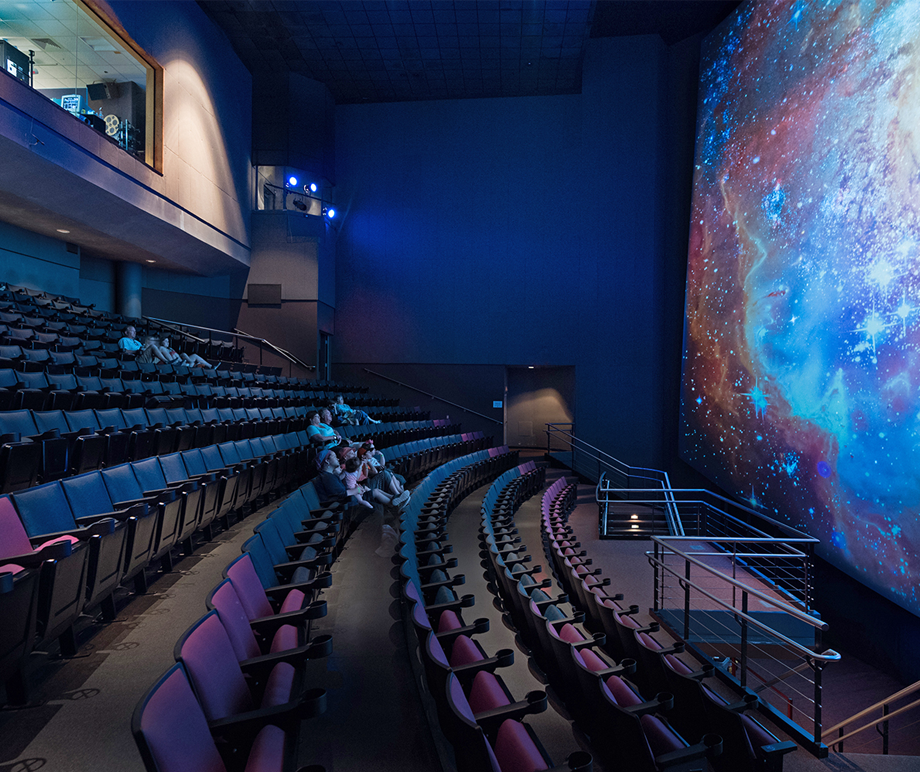
While a massive screen is perhaps the most immediately noticeable feature, it’s merely one piece of a much larger technological puzzle. An IMAX theatre is an ecosystem of specialized hardware and software working in concert. This includes custom-built projection systems, a uniquely designed sound architecture, and a specific theatre geometry that is precisely tailored to enhance viewer perception. Unlike conventional theatres that often adapt existing spaces, many IMAX venues are purpose-built or undergo extensive renovations to meet stringent technical specifications. This allows for precise control over light, sound reflection, and viewing angles, all critical for the intended immersive effect.
The Geometry of Immersion
The physical layout of an IMAX theatre is a critical component of its technological blueprint. The screens are significantly larger, often curving inward to encompass the viewer’s peripheral vision, effectively eliminating the theatre’s physical boundaries. This curvature, combined with stadium-style seating that positions every audience member closer to the screen and at an optimal angle, minimizes distortion and maximizes the field of view. The design ensures that the entire visual spectrum is dominated by the cinematic image, drawing the viewer deeper into the narrative without distractions from the surrounding environment. This architectural engineering is a deliberate choice, rooted in the understanding that the brain processes visual information more effectively when presented with a vast, continuous image.
A Spectrum of Formats
Over its history, IMAX has developed and deployed several proprietary projection and audio systems, each representing an evolution in cinematic technology. From the original 70mm film projection to modern digital and laser systems, the underlying goal remains consistent: to provide the highest possible fidelity in image and sound. These different formats, while varying in their specific technical implementations, all adhere to the stringent standards necessary to deliver the signature IMAX experience, constantly pushing the envelope of resolution, brightness, contrast, and audio clarity.
Visual Prowess: Mastering Image Projection
The visual component of an IMAX experience is central to its identity, characterized by incredible clarity, brightness, and a unique way of filling the viewer’s field of vision. This is achieved through sophisticated projection technology and meticulous content preparation.
From Film to Digital: The Evolution of IMAX Projectors
Historically, the quintessential IMAX experience was synonymous with 70mm film projection. This large-format film, with a frame size ten times larger than standard 35mm film, offered unparalleled resolution and detail, creating images of breathtaking clarity. The projectors for this format were massive, horizontally running the film to maximize image area. However, with the advent of digital cinema, IMAX adapted, introducing its dual-xenon lamp 2K and 4K digital projection systems. These systems utilize two projectors working in tandem to deliver bright, sharp images with exceptional contrast. The dual-projector setup overcomes limitations of single digital projectors, allowing for greater light output and the ability to project both 2D and 3D content with superior fidelity. The transition to digital also streamlined distribution and enhanced operational efficiency for exhibitors, while maintaining high visual standards.
IMAX Laser: The Pinnacle of Visual Fidelity
The latest advancement in IMAX’s projection technology is the IMAX Laser system, which represents a significant leap forward in visual quality. Utilizing dual 4K laser projectors, this system delivers dramatically improved brightness, even on the largest screens, alongside a wider dynamic range (HDR) that presents deeper blacks and brighter whites. Crucially, IMAX Laser also offers an expanded color gamut, capable of reproducing a significantly broader spectrum of colors (approaching Rec. 2020), making images more vibrant and true-to-life than ever before. This technology provides superior sharpness, increased contrast ratios, and reduces the need for frequent bulb replacements, offering both aesthetic and operational advantages. The precision of laser light also enables more uniform illumination across the entire immense screen, eliminating hot spots or dim corners.

Aspect Ratios and Screen Real Estate
A key technological aspect of IMAX is its commitment to maximizing screen utilization. While most conventional cinemas project films in common aspect ratios like 2.39:1 (widescreen) or 1.85:1, IMAX theatres are designed to accommodate taller aspect ratios. The classic IMAX 1.43:1 aspect ratio, seen in many traditional 70mm venues, fills the screen from floor to ceiling. Modern IMAX digital and laser theatres often utilize a 1.90:1 aspect ratio for much of their content. This means that scenes specifically shot with IMAX cameras or reformatted using IMAX’s proprietary Digital Re-Mastering (DMR) process can display up to 26% more picture than standard widescreen formats, drawing the audience deeper into the scene by utilizing more of their vertical peripheral vision. The DMR process itself is a complex algorithm-driven technology that digitally enhances every frame of a film, optimizing resolution, brightness, contrast, and color for the unique characteristics of the IMAX system.
Auditory Excellence: The IMAX Sound System
Complementing its visual supremacy, an IMAX theatre delivers an equally transformative audio experience. The sound system is not merely loud; it is meticulously engineered for precision, power, and immersion.
Precision Sound Placement
IMAX’s proprietary sound systems, typically featuring 12 channels or more (depending on the specific theatre and system), are custom-designed and tuned for each individual auditorium. The speakers are strategically placed not only around the audience but also in the ceiling and behind the screen, creating a truly three-dimensional sound field. This precise speaker placement, combined with a sophisticated sound processor, allows sound designers to place and move audio elements with incredible accuracy within the theatre space. The result is a more localized and realistic sound, where the roar of an engine can be heard distinctly passing from one side of the theatre to the other, or a whisper seems to emanate from a specific point on the screen.
Low-Frequency Extension and Dynamic Range
A hallmark of IMAX audio is its powerful and accurate bass response. The system is equipped with robust subwoofers capable of reproducing very low frequencies with immense clarity and impact, allowing the audience to feel the vibrations of explosions, rumbling vehicles, or deep musical notes. This deep low-frequency extension, combined with a vast dynamic range, ensures that both the quietest whispers and the loudest crescendos are rendered with astonishing fidelity, without distortion or compression. The ability to articulate such a broad spectrum of sound pressures immerses viewers more profoundly into the on-screen action, adding an additional layer of realism and intensity.
Uncompressed Audio and Calibration
IMAX insists on delivering uncompressed digital audio, ensuring that no detail is lost from the filmmaker’s original mix to the audience’s ears. This commitment to fidelity means that the subtle nuances and grand orchestrations of a film’s soundtrack are presented as intended. Furthermore, each IMAX theatre undergoes regular, precise calibration using specialized equipment to maintain optimal acoustic performance. Environmental factors and wear can subtly alter sound characteristics over time, but this rigorous calibration process ensures that the sound stage remains pristine and perfectly tuned, consistently delivering a premium audio experience that is distinctively IMAX.
Beyond the Theatre: IMAX’s Innovations and Future Tech
IMAX continues to innovate, exploring new technologies to deepen audience immersion and expand its cinematic offerings, demonstrating a forward-looking approach to the future of entertainment.
IMAX with HFR (High Frame Rate)
For specific films, IMAX also supports High Frame Rate (HFR) technology. While most films are traditionally shot and projected at 24 frames per second (fps), HFR allows for projections at 48 fps or even 60 fps. This technological enhancement significantly improves the clarity of motion, reducing motion blur and making fast-paced action sequences appear smoother and more lifelike. While not all content utilizes HFR, its availability within the IMAX system provides filmmakers with another tool to enhance visual storytelling, particularly for genres that benefit from ultra-smooth motion.

The Digital Re-Mastering Process (DMR): A Technological Art
Central to every IMAX presentation, regardless of the specific projection technology, is the Digital Re-Mastering (DMR) process. This proprietary technology is more than just upscaling; it’s a sophisticated algorithmic enhancement that prepares virtually any film for the IMAX experience. The DMR process meticulously analyzes and optimizes every frame of a film, enhancing image resolution, brightness, contrast, and color. It also expands the sound mix to take full advantage of IMAX’s multi-channel audio system. This intensive post-production treatment ensures that even films not originally shot with IMAX cameras can achieve a visual and auditory quality that meets the stringent standards of the IMAX system, leveraging the theatre’s advanced capabilities to deliver a superior presentation. The DMR process is a testament to IMAX’s dedication to quality control and technological innovation, ensuring a consistent premium experience across diverse content.
In essence, an IMAX theatre is a comprehensive technological platform—a synergy of specialized projection, advanced audio systems, and intelligent architectural design—all working together to create an unparalleled cinematic event. It represents a continuous evolution in entertainment technology, steadfast in its mission to push the boundaries of immersive storytelling.
aViewFromTheCave is a participant in the Amazon Services LLC Associates Program, an affiliate advertising program designed to provide a means for sites to earn advertising fees by advertising and linking to Amazon.com. Amazon, the Amazon logo, AmazonSupply, and the AmazonSupply logo are trademarks of Amazon.com, Inc. or its affiliates. As an Amazon Associate we earn affiliate commissions from qualifying purchases.