
In our increasingly digital world, the term “software” is thrown around constantly. We use it to describe everything from the apps on our smartphones to the complex systems that run global corporations. But what exactly is software? And more importantly, what constitutes a good example of it? This article dives into the core of what software is, explores its diverse forms, and highlights how it intersects with technology, brand building, and even our finances.
The Foundational Concept: What is Software?
At its most basic, software is a set of instructions, data, or programs used to operate computers and execute specific tasks. Unlike hardware, which refers to the physical components of a computer system (like the screen, keyboard, or processor), software is intangible. It’s the invisible engine that makes our devices come alive and perform actions. Think of hardware as the body, and software as the mind and spirit that directs its movements and capabilities.

Software is developed by programmers and engineers who write code. This code is essentially a language that computers can understand, allowing them to process information and carry out instructions. The complexity and purpose of software can vary immensely, from a simple calculator program to a sophisticated operating system that manages all of a computer’s operations.
The Two Main Pillars: System Software and Application Software
To better understand the scope of software, it’s helpful to categorize it into two primary types:
System Software: The Backbone of Operation
System software is the foundational layer that enables the computer to function and provides a platform for other software to run. It’s the unseen conductor of the orchestra, ensuring all the different hardware components work harmoniously.
- Operating Systems (OS): Perhaps the most crucial type of system software, an OS manages a computer’s hardware and software resources. It acts as an intermediary between the user and the computer’s hardware.
- Examples: Windows (used on most personal computers), macOS (found on Apple devices), Linux (popular for servers and developers), and Android and iOS (the dominant mobile operating systems). These are prime examples because they are universally recognized and essential for the functionality of the devices we use daily. Without an OS, your computer or smartphone would be nothing more than a collection of inert components.
- Device Drivers: These are specialized programs that allow the operating system to communicate with specific hardware devices, such as printers, graphics cards, or network adapters. Without the correct driver, your OS wouldn’t know how to interact with that piece of hardware.
- Utility Software: This category includes programs designed to help maintain and manage computer systems.
- Examples: Antivirus software (like Norton or McAfee, crucial for digital security), disk cleanup tools, file compression utilities (like WinRAR or 7-Zip), and backup software. These tools are vital for keeping our digital environments healthy and secure.
Application Software: The Tools We Directly Interact With
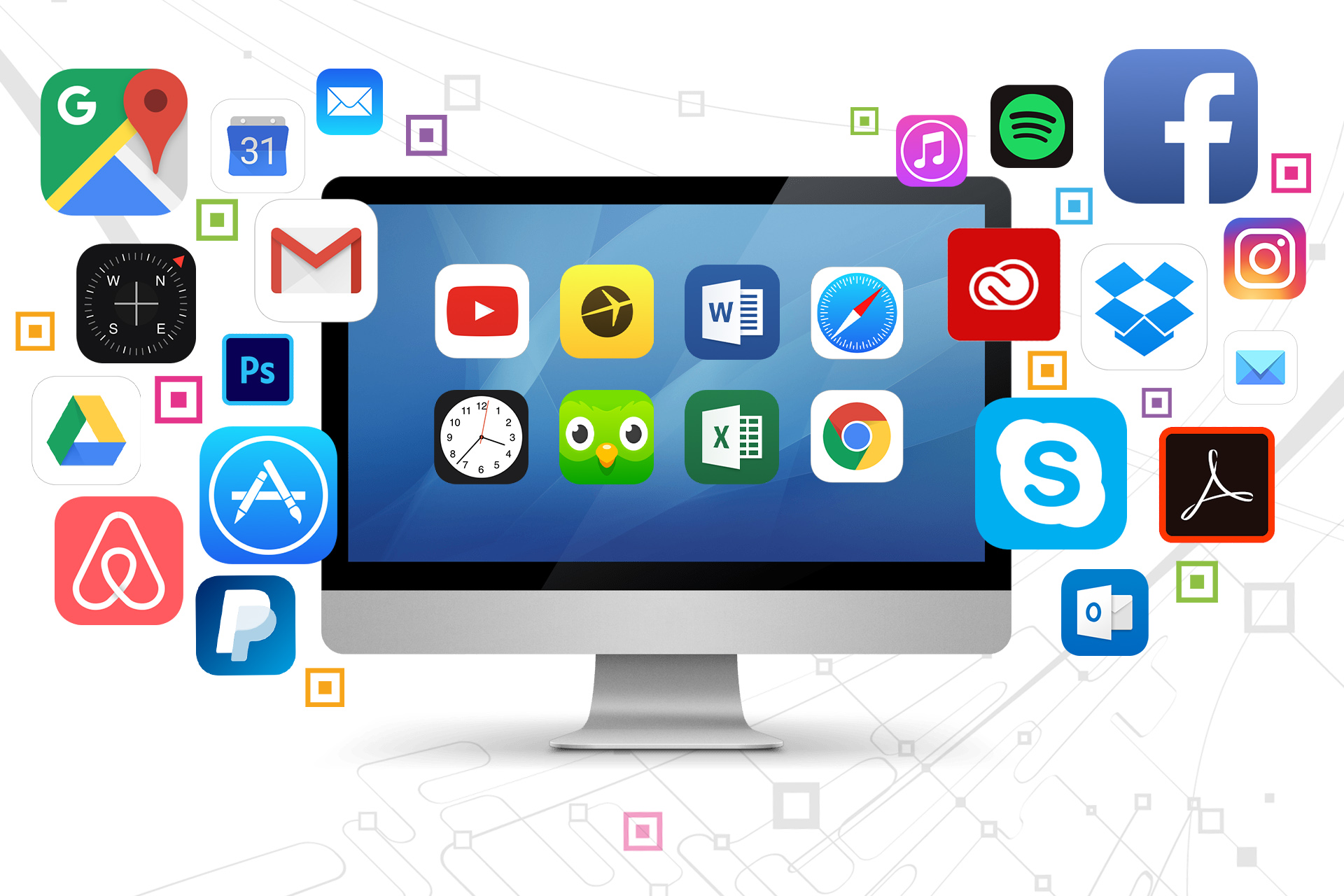
Application software, often referred to as apps, are programs designed for end-users to perform specific tasks. These are the software examples you’re likely most familiar with. They leverage the capabilities provided by system software to deliver functionality to the user.
- Productivity Software: These applications help users create, manage, and organize information, making work and personal tasks more efficient.
- Examples:
- Word Processors: Microsoft Word, Google Docs, LibreOffice Writer. These are fundamental tools for writing documents, reports, and letters.
- Spreadsheet Software: Microsoft Excel, Google Sheets, Apple Numbers. Essential for managing financial data, creating budgets, and performing calculations.
- Presentation Software: Microsoft PowerPoint, Google Slides, Keynote. Used to create visual aids for presentations.
- Email Clients: Microsoft Outlook, Mozilla Thunderbird, Apple Mail. Facilitate sending and receiving emails.
- Examples:
- Communication Software: These applications enable users to connect and interact with others.
- Examples:
- Messaging Apps: WhatsApp, Telegram, Signal. For real-time text, voice, and video communication.
- Video Conferencing Tools: Zoom, Microsoft Teams, Google Meet. Crucial for remote work and staying connected across distances.
- Examples:
- Entertainment Software: This category encompasses programs designed for leisure and enjoyment.
- Examples:
- Video Games: From simple mobile games like Candy Crush Saga to complex PC titles like Cyberpunk 2077. Games represent a massive industry within software development.
- Media Players: VLC Media Player, Windows Media Player, Apple Music. For playing audio and video files.
- Streaming Apps: Netflix, Spotify, YouTube. Deliver on-demand entertainment content.
- Examples:
- Web Browsers: These are arguably the most widely used application software. They allow users to access and navigate the internet.
- Examples: Google Chrome, Mozilla Firefox, Microsoft Edge, Safari. They are the gateways to the vast resources of the World Wide Web.
- Creative Software: These tools empower users to create various forms of digital content.
- Examples:
- Graphic Design Software: Adobe Photoshop, Canva, GIMP. For image editing and creation.
- Video Editing Software: Adobe Premiere Pro, Final Cut Pro, DaVinci Resolve. For producing and editing video content.
- Audio Editing Software: Audacity, Adobe Audition. For manipulating sound and music.
- Examples:
- Business and Enterprise Software: These are specialized applications designed to support various business functions.
- Examples:
- Customer Relationship Management (CRM) Software: Salesforce, HubSpot CRM. To manage customer interactions and sales processes.
- Enterprise Resource Planning (ERP) Software: SAP, Oracle NetSuite. To manage core business processes like finance, HR, and supply chain.
- Accounting Software: QuickBooks, Xero. For managing business finances.
- Examples:
Software as a Brand Builder and Reputation Manager
Beyond its functional utility, software plays a significant role in how brands are perceived and how they interact with their audiences. The software a company develops or uses can directly impact its brand identity, customer experience, and ultimately, its reputation.
Crafting Brand Identity Through Software
The design and user experience (UX) of software are critical components of a brand’s identity. A well-designed, intuitive, and aesthetically pleasing application can elevate a brand, making it appear professional, modern, and user-friendly. Conversely, clunky, difficult-to-use software can alienate customers and damage brand perception.
- Case Studies in Brand Experience: Think about the success of companies like Apple. Their operating systems (macOS and iOS) and their suite of applications (iWork, iLife) are renowned for their sleek design, ease of use, and seamless integration. This focus on user experience has become a cornerstone of their brand, contributing significantly to their loyal customer base and premium market positioning.
- The Power of Personalization: Modern software, particularly in marketing and customer service, allows for unprecedented levels of personalization. CRM software, for example, helps businesses understand their customers better, enabling them to tailor communications and offerings. This personalized approach builds stronger relationships and reinforces a brand’s commitment to its customers.
- Digital Security and Trust: The security features embedded within software are paramount for building trust. Companies that invest in robust digital security measures, protecting user data and privacy through their software, gain a reputation for reliability and trustworthiness. Conversely, data breaches or security vulnerabilities in software can be devastating to a brand’s reputation.
Software for Marketing and Reputation Management
Software tools are indispensable for modern marketing strategies and for actively managing a brand’s reputation.
- Marketing Automation Software: Platforms like HubSpot, Marketo, and Mailchimp allow businesses to automate marketing tasks such as email campaigns, social media posting, and lead nurturing. This efficiency allows brands to maintain a consistent presence and engage with their audience effectively.
- Social Media Management Tools: Software like Hootsuite or Buffer enables brands to schedule posts across multiple platforms, monitor conversations, and respond to customer inquiries. This proactive engagement is vital for managing public perception and addressing any negative sentiment swiftly.
- Analytics and Reporting Software: Tools like Google Analytics help businesses track website traffic, user behavior, and campaign performance. This data-driven approach allows brands to refine their strategies, understand what resonates with their audience, and continuously improve their digital footprint, thereby enhancing their reputation.
The Financial Implications of Software: From Personal Finance to Business Growth
Software’s impact extends deeply into the realm of money, affecting both individual financial health and the growth of businesses.
Personal Finance and Investment Software
For individuals, software has revolutionized how we manage our money, budget, and make investment decisions.
- Budgeting and Personal Finance Apps: Applications like Mint, YNAB (You Need A Budget), and Personal Capital allow users to track income and expenses, set financial goals, and gain a clearer picture of their financial health. These tools empower individuals to make informed spending decisions and work towards financial stability.
- Investment Platforms and Trading Software: Online brokers and investment platforms rely heavily on sophisticated software. Apps from companies like Robinhood, Charles Schwab, or Fidelity provide users with tools to research stocks, place trades, and manage their investment portfolios. The user-friendly interfaces of these applications have democratized investing, making it accessible to a wider audience.
- Tax Preparation Software: Programs like TurboTax or H&R Block have made tax filing significantly easier and more affordable for individuals, simplifying a traditionally complex and daunting task.
Business Finance and Growth Through Software
For businesses, software is not just a tool for efficiency; it’s a driver of innovation, cost reduction, and revenue generation.
- Accounting and Financial Management Software: As mentioned earlier, software like QuickBooks and Xero are essential for businesses of all sizes. They automate bookkeeping, generate financial statements, and provide critical insights into profitability and cash flow. This accurate financial data is crucial for making strategic business decisions.
- E-commerce Platforms: Software solutions like Shopify, WooCommerce, and BigCommerce enable businesses to create online stores, manage inventory, process payments, and reach a global customer base. These platforms are fundamental to the success of online retail and directly impact revenue streams.
- Project Management Software: Tools like Asana, Trello, and Jira help businesses manage complex projects, allocate resources, and track progress. Efficient project management leads to better resource utilization, timely delivery of products and services, and ultimately, improved profitability.
- AI and Machine Learning Tools: Increasingly, businesses are leveraging AI-powered software for tasks like fraud detection, predictive analytics for sales, and optimizing supply chains. These advanced tools can unlock significant cost savings and create new revenue opportunities, driving substantial financial growth.
Conclusion: Software is Ubiquitous and Essential
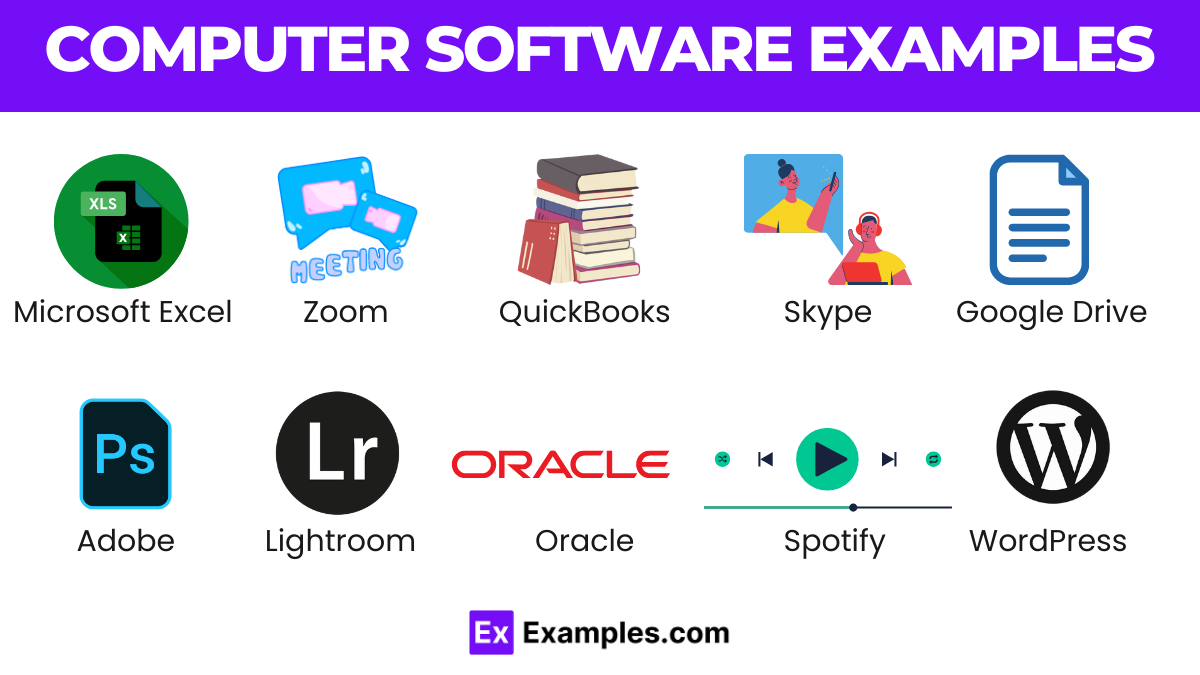
From the operating system that boots up your computer to the app that lets you order your favorite meal, software is an indispensable part of modern life. It’s the invisible force that powers our devices, streamlines our tasks, shapes our brands, and influences our financial well-being. Understanding what software is and the diverse examples it encompasses allows us to better navigate our digital world, leverage its power for our benefit, and appreciate the continuous innovation that drives its evolution. Whether you’re a consumer, a business owner, or a technology enthusiast, software is an ever-present and ever-evolving entity that continues to redefine what’s possible.
aViewFromTheCave is a participant in the Amazon Services LLC Associates Program, an affiliate advertising program designed to provide a means for sites to earn advertising fees by advertising and linking to Amazon.com. Amazon, the Amazon logo, AmazonSupply, and the AmazonSupply logo are trademarks of Amazon.com, Inc. or its affiliates. As an Amazon Associate we earn affiliate commissions from qualifying purchases.