
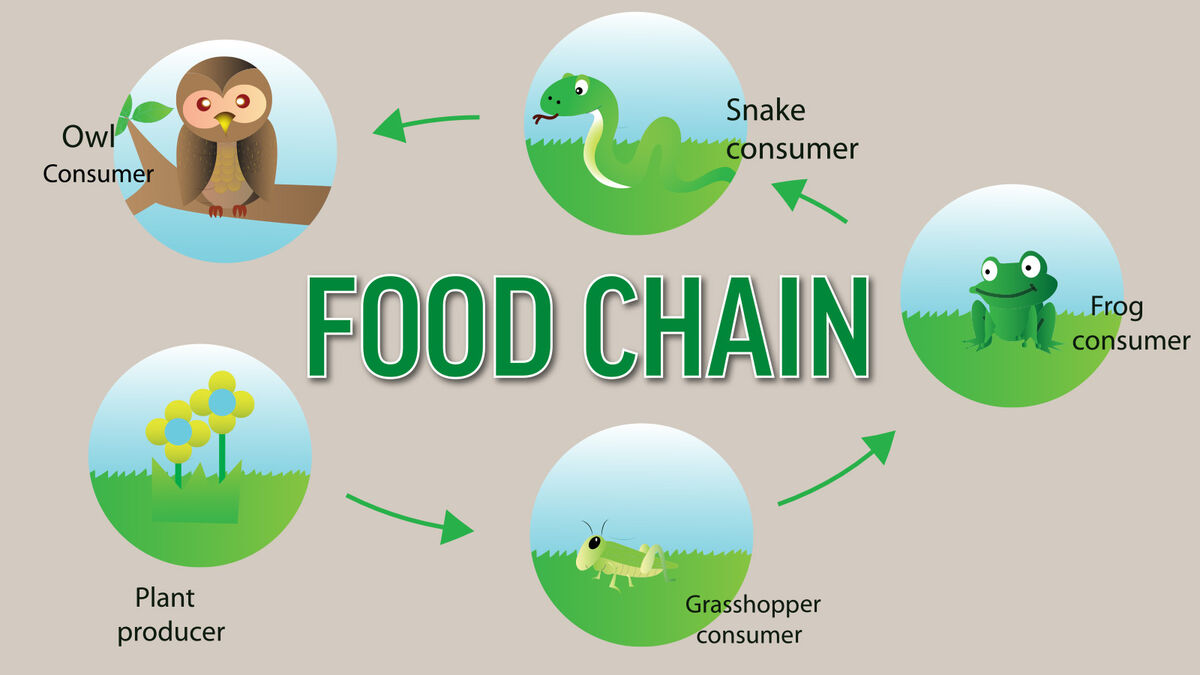
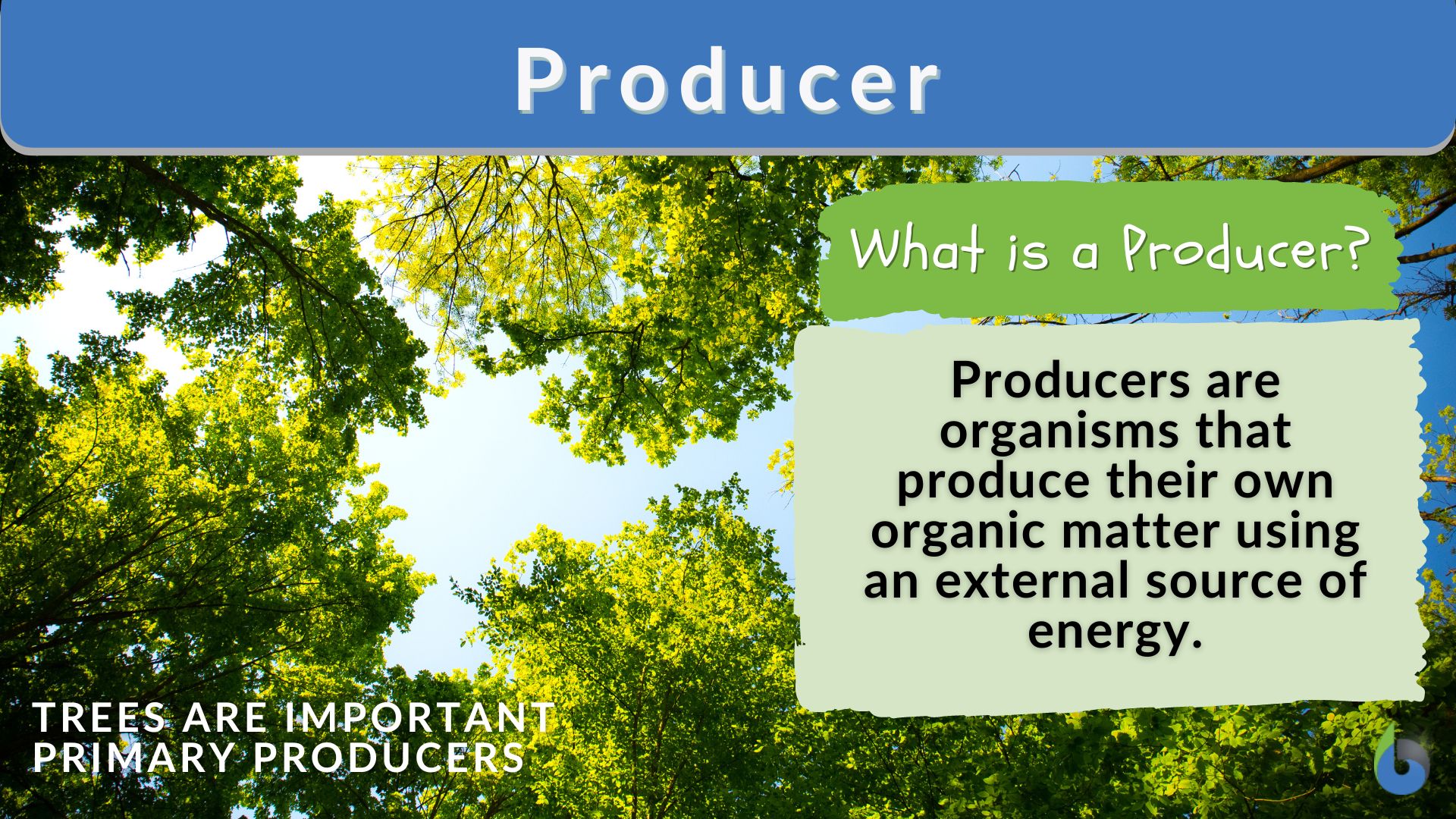
In the landscape of global finance and wealth building, the distinction between a consumer and a producer is the fundamental line that separates those who spend wealth from those who generate it. At its core, a producer is an individual, business, or entity that combines various resources—labor, capital, and land—to create a product or service that provides utility to others. Whether it is a massive multinational corporation manufacturing semiconductors or a solo entrepreneur launching a digital finance course, producers are the primary engines of economic growth and individual prosperity.
Understanding what constitutes a producer is not merely an academic exercise in economics; it is a critical component of mastering personal finance and business strategy. By identifying the mechanics of production, investors can better evaluate companies, and individuals can pivot their career trajectories toward high-value creation.
Understanding the Producer in a Business Finance Context
To define a producer within the niche of money and business, we must look at the “factors of production.” In traditional economic theory, a producer is anyone who adds value to the supply chain. In the modern financial world, this definition has expanded to include those who produce intangible assets and digital services.
The Three Tiers of Production
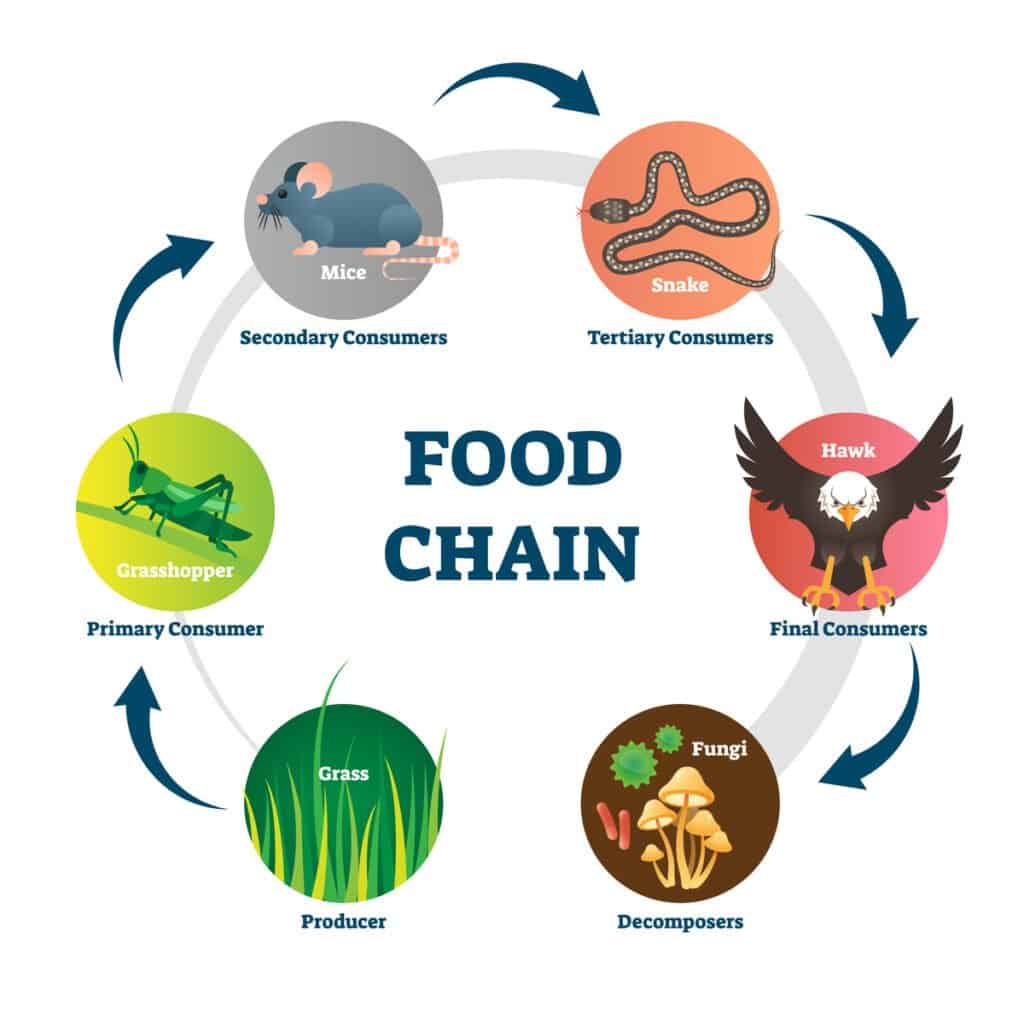
Historically, producers are categorized into three distinct sectors. Understanding these is essential for any investor looking to diversify a portfolio:
- Primary Producers: These entities are involved in the extraction of raw materials. Examples include mining companies like Rio Tinto or agricultural giants like Archer-Daniels-Midland. They are the foundation of the global economy.
- Secondary Producers: These are manufacturers that transform raw materials into finished goods. A classic example is an automotive company like Ford or an electronics manufacturer like Samsung. They take steel, plastic, and glass and produce a high-value asset.
- Tertiary Producers: These are service-based producers. In the financial sector, a bank is a producer of financial security and credit services. In the tech-money space, a consulting firm is a producer of strategic insights.
The Shift from Physical Goods to Digital Assets
In the 21st century, the most profitable examples of producers are often found in the digital realm. Software as a Service (SaaS) companies represent a revolutionary shift in production. Unlike a traditional manufacturer that has a high “marginal cost” for every new unit produced, a digital producer can replicate its product at near-zero cost. This scalability is why digital production is currently the most sought-after sector for venture capital and private equity investors.
Examples of Modern Producers in the Gig and Digital Economy
The democratization of technology has allowed the “individual as a producer” to become a dominant force in the economy. This shift is a cornerstone of modern side-hustle culture and online income strategies.
The SaaS Entrepreneur: Building Scalable Systems
A prime example of a modern producer is the founder of a niche software tool. Consider a developer who creates a specialized accounting plugin for small businesses. By identifying a friction point in business finance—such as the difficulty of tracking tax-deductible expenses—the developer produces a solution. This is a classic example of “value-added” production. The producer earns a recurring subscription fee, creating a high-margin income stream that is decoupled from their direct hourly labor.
The Content Producer and Intellectual Property
In the creator economy, the definition of a producer has shifted toward Intellectual Property (IP). A financial educator who produces a comprehensive video series on stock market investing is a producer. They have taken raw information, synthesized it using their expertise, and packaged it into a digital product. From a business finance perspective, this is an asset-heavy approach to wealth creation where the “product” continues to generate cash flow long after the initial production phase is complete.
The Real Estate Developer
Real estate offers one of the most tangible examples of a producer in the world of investing. A developer who purchases a dilapidated property or a vacant plot of land and constructs an apartment complex is a producer of housing. They take a low-value resource (raw land) and, through the application of capital and labor, create a high-value asset that generates rental income. This illustrates the “producer mindset”: looking at a resource not for what it is, but for what it can become.
The Financial Mechanics of Production: Capital, ROI, and Scale
Being a producer is not just about making things; it is about the efficient management of capital to ensure that the output is worth more than the input. This is the essence of business finance.
Managing Production Costs and Profit Margins
Every producer must master the “Cost of Goods Sold” (COGS). For a physical producer, this involves logistics, raw materials, and factory labor. For a digital producer, this involves server costs, software licenses, and customer acquisition costs (CAC). Insightful producers focus on “Operating Leverage”—the ability to increase output without a corresponding increase in costs. This is why financial analysts look closely at profit margins; high margins indicate an efficient producer who has a competitive “moat” or a superior production process.
Scaling Production via Automation and AI
In the current financial climate, the most successful producers are those leveraging automation. By replacing manual labor with algorithmic processes, producers can scale their operations exponentially. For example, an e-commerce brand that uses automated inventory management and AI-driven marketing is a producer that can handle ten times the volume of a traditional boutique. For investors, identifying companies that are “producers of automation” is a key strategy for capturing long-term growth in the tech-heavy market.
The Producer Price Index (PPI) as a Financial Indicator
On a macro level, the health of producers is tracked via the Producer Price Index (PPI). This economic metric measures the average change over time in the selling prices received by domestic producers for their output. For those involved in personal finance and investing, the PPI is a leading indicator of inflation. When the costs for producers rise, those costs are eventually passed down to consumers. Monitoring the PPI allows investors to hedge their portfolios against rising production costs by shifting capital into “price-making” producers who have the power to maintain margins despite inflation.
Moving from Consumer to Producer: A Strategy for Wealth Building
The most significant financial transition an individual can make is moving from being primarily a consumer to becoming a producer. Most people spend their lives consuming the products, services, and content created by others. However, true wealth is built by those who sit on the other side of the transaction.
Identifying Market Gaps and “Pain Points”
To become a producer, one must develop the ability to see gaps in the market. In the world of business finance, this is often referred to as “solving for X.” Whether it is a gap in the availability of organic produce in a specific neighborhood or a lack of affordable financial planning tools for Gen Z, every gap is an opportunity for a new producer to enter the market.
Leveraging Personal Branding to Scale Output
In the modern economy, a “Personal Brand” is a form of production capital. When an individual establishes themselves as an expert in a niche—such as fintech or sustainable investing—their “production” gains more value. Their advice, their products, and their endorsements become high-value assets. This is the ultimate “Money” play: turning one’s reputation into a production engine that attracts capital and generates income through various channels, from consulting to digital products.
Reinvesting Profits for Exponential Growth
A key difference between a successful producer and a struggling one is the treatment of profit. In personal finance, the “Producer Mindset” dictates that a portion of every dollar earned should be reinvested into the “means of production.” This might mean buying better equipment, hiring an assistant to free up creative time, or investing in R&D for a new product line. By continuously upgrading their ability to produce, individuals and companies create a compounding effect that leads to significant long-term wealth.
Conclusion: The Producer as the Ultimate Wealth Creator
Whether you are looking at the global economy through the lens of a macro investor or looking at your own bank account through the lens of personal finance, the “producer” remains the central figure of success. An example of a producer is not just a factory owner; it is anyone—from the coder to the real estate mogul—who takes raw inputs and creates a surplus of value.
By focusing on production rather than consumption, and by understanding the financial mechanics that allow production to scale, you position yourself at the source of value creation. In a world where technology and shifting market dynamics are constantly changing the rules, the ability to produce remains the most stable and lucrative skill one can possess. To build lasting wealth, one must stop asking “What can I buy?” and start asking “What can I produce that the world is willing to pay for?”
aViewFromTheCave is a participant in the Amazon Services LLC Associates Program, an affiliate advertising program designed to provide a means for sites to earn advertising fees by advertising and linking to Amazon.com. Amazon, the Amazon logo, AmazonSupply, and the AmazonSupply logo are trademarks of Amazon.com, Inc. or its affiliates. As an Amazon Associate we earn affiliate commissions from qualifying purchases.