
The English language is a rich tapestry woven with words, each carrying not just a literal meaning but also a constellation of feelings, associations, and cultural baggage. This subtle layer of meaning, distinct from a word’s dictionary definition, is known as connotation. While the denotation of a word is its objective, straightforward meaning, connotation is the subjective, emotional, and cultural interpretation we bring to it. Understanding connotation is crucial for effective communication, especially in fields like technology, branding, and finance, where subtle word choices can significantly impact perception and decision-making.
Understanding the Nuance: Denotation vs. Connotation
Before diving into examples, it’s essential to clarify the difference between denotation and connotation.
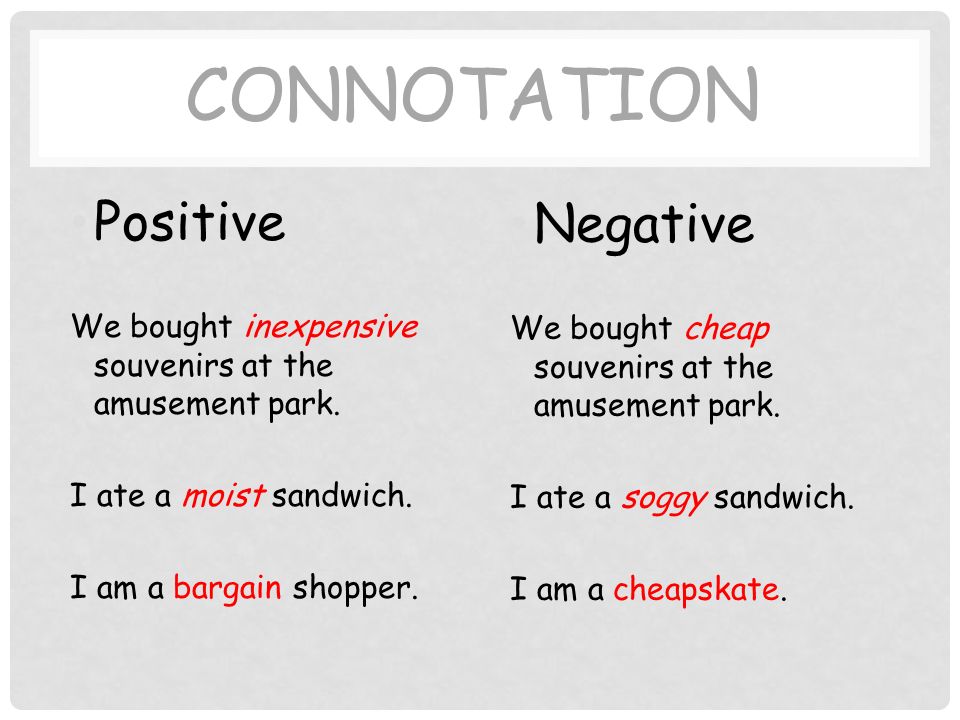
Denotation: This is the literal, primary meaning of a word, as found in a dictionary. It’s the objective definition, free from emotional or subjective interpretation.
- Example: The denotation of the word “snake” is a legless reptile.
Connotation: This refers to the implied, secondary meaning of a word, which arises from the associations and feelings it evokes. Connotations can be positive, negative, or neutral, and they are heavily influenced by personal experiences, cultural backgrounds, and context.
- Example: The connotation of the word “snake” can be negative, suggesting treachery, deceit, or danger, even though the literal meaning remains the same.
The power of connotation lies in its ability to evoke emotions and shape perceptions. A seemingly simple word can carry a heavy emotional payload, influencing how a message is received and understood. This is particularly relevant in our modern, information-saturated world, where communication is often rapid and can be easily misinterpreted.
Connotations in the Tech Landscape
The technology sector is a prime example of how connotations can shape public perception and drive adoption. The language used to describe new software, gadgets, or AI tools can either excite and inspire or instill caution and doubt.
Positive Connotations in Tech
Tech companies often strategically employ words with positive connotations to generate enthusiasm and trust.
- “Revolutionary”: When applied to a new piece of software or a gadget, “revolutionary” suggests a groundbreaking innovation that will fundamentally change how we do things. It evokes images of progress, efficiency, and a leap forward. Consider a new productivity app described as “revolutionary.” This implies it’s not just an incremental improvement but a game-changer, prompting users to explore it with anticipation.
- “Seamless”: This word is frequently used to describe user interfaces, integrations, or data transfer. “Seamless” connotes a smooth, effortless experience, free from friction or frustration. A “seamless integration” between two software platforms suggests that the process will be easy and intuitive, leading to a positive user experience.
- “Empowering”: In the context of AI tools or software that automates tasks, “empowering” suggests that the technology gives users more control, capabilities, or agency. An “empowering AI tool” implies that it will enhance human potential rather than replace it, fostering a sense of optimism.
- “Intuitive”: This is a highly desirable characteristic for any software or app. “Intuitive” suggests that the user interface is easy to understand and navigate without requiring extensive training. It evokes feelings of simplicity, ease of use, and immediate comprehension.
- “Cutting-edge” / “Next-generation”: These phrases convey a sense of being at the forefront of innovation. They suggest advanced technology, superior performance, and a forward-thinking approach. When a new gadget is labeled “next-generation,” it implies it surpasses current offerings and represents the future.
Negative Connotations in Tech
Conversely, certain words can carry negative connotations, raising red flags for consumers and businesses alike.
- “Buggy”: This term, commonly used in software development, refers to glitches and errors. “Buggy” software evokes frustration, unreliability, and wasted time. A product described as “buggy” is likely to be avoided by users seeking stability.
- “Clunky”: This adjective often describes user interfaces or hardware that is awkward, inefficient, or difficult to use. “Clunky” software suggests a poor user experience, leading to a perception of outdated or poorly designed technology.
- “Obsolete”: This word signifies that something is no longer useful or relevant due to being out of date. In the tech world, where innovation is rapid, “obsolete” can be a death knell for a product, implying it’s a poor investment.
- “Intrusive”: This connotation is particularly relevant in discussions about data privacy and digital security. “Intrusive” software or features suggest an unwelcome or overly aggressive presence, violating personal boundaries.
- “Black box”: While sometimes used neutrally in technical contexts, “black box” can also carry a negative connotation when describing AI or complex algorithms. It suggests a lack of transparency and understanding, leading to concerns about bias, accountability, and unforeseen consequences.

Brand Building Through Connotation
In the realm of branding, word choice is paramount. Every word used in a company’s messaging, from its tagline to its marketing copy, contributes to its brand identity and the emotions it evokes in its audience.
Positive Connotations for Brand Identity
Brands aim to cultivate positive associations to build trust, loyalty, and desirability.
- “Premium” / “Luxury”: These words suggest high quality, exclusivity, and superior craftsmanship. A brand using these terms aims to position itself as aspirational, justifying a higher price point and appealing to a discerning customer base. For example, a watch brand described as “premium” evokes a sense of prestige and lasting value.
- “Trustworthy” / “Reliable”: These are foundational attributes for any brand, especially in sectors like finance or healthcare. A “trustworthy” financial institution or a “reliable” service provider instills confidence and security, encouraging long-term customer relationships.
- “Innovative” / “Pioneering”: Similar to the tech context, these words position a brand as forward-thinking and leading the industry. A “pioneering” fashion brand, for instance, suggests it’s setting trends and pushing creative boundaries.
- “Authentic” / “Genuine”: In an era of mass-produced goods and curated online personas, authenticity is highly valued. A brand that is “authentic” or “genuine” connects with consumers on a more personal level, fostering a sense of realness and sincerity. A small-batch coffee roaster emphasizing its “authentic” sourcing practices can resonate deeply with ethically-minded consumers.
- “Community-oriented” / “Sustainable”: These connotations tap into growing societal concerns and values. Brands that are perceived as “community-oriented” or “sustainable” often attract customers who want their purchases to align with their personal ethics and contribute to a larger good.
Negative Connotations to Avoid in Branding
Conversely, brands must be vigilant about avoiding words that carry negative connotations.
- “Cheap” / “Shoddy”: While sometimes used to denote low price, “cheap” can also imply low quality and lack of durability. “Shoddy” is unequivocally negative, suggesting poor workmanship and a product that will likely disappoint.
- “Deceptive” / “Misleading”: These words are brand killers. Any communication that even hints at being “deceptive” or “misleading” can irrevocably damage a brand’s reputation and erode customer trust.
- “Stale” / “Outdated”: These connotations suggest a lack of relevance and innovation. A “stale” brand risks being perceived as stagnant and unappealing to modern consumers.
- “Corporate Jargon”: While not a single word, the overuse of generic, soulless corporate buzzwords can create a negative connotation of being inauthentic, impersonal, and out of touch with real people.
Connotations in the World of Money
The language surrounding personal finance, investing, and business finance is heavily laden with connotation, influencing how individuals perceive their financial situations, investment opportunities, and economic trends.
Positive Connotations in Finance
Words with positive connotations in finance inspire confidence, opportunity, and security.
- “Growth”: In investing, “growth” is a highly positive term, suggesting an increase in value and potential for future prosperity. A “growth stock” is perceived as a promising investment that will appreciate over time.
- “Security” / “Stability”: These words evoke feelings of safety and predictability. In personal finance, “financial security” is a primary goal, and “stable income” provides peace of mind. These terms are crucial for financial institutions aiming to build trust.
- “Prosperity” / “Wealth”: These are aspirational terms associated with financial success and abundance. “Prosperity” suggests a state of thriving, while “wealth” implies significant financial resources.
- “Opportunity”: In the context of side hustles or investment ventures, “opportunity” implies a chance for gain and advancement. An “opportunity for income” suggests a favorable situation waiting to be seized.
- “Smart” / “Savvy”: These adjectives are used to describe intelligent financial decision-making. A “smart investment” or a “savvy investor” implies a well-informed and strategic approach to managing money.
Negative Connotations in Finance
Conversely, certain financial terms can evoke fear, risk, and loss.
- “Debt” / “Loan”: While often necessary, “debt” can carry a negative connotation of burden, obligation, and financial constraint. “Loan” can also be perceived negatively, implying a need and the potential for interest payments.
- “Risk” / “Volatility”: In investing, “risk” is inherent, but the word itself can evoke fear of potential loss. “Volatility” suggests unpredictable and rapid price fluctuations, which can be unsettling for investors.
- “Loss” / “Crash”: These are highly negative terms associated with financial decline. A “market crash” is a catastrophic event, and the word “loss” is inherently undesirable in any financial context.
- “Scam” / “Fraud”: These words immediately signal danger and deceit. Any financial product or opportunity associated with these connotations is to be avoided at all costs.
- “Poverty” / “Hardship”: These terms describe dire financial circumstances and evoke feelings of struggle, deprivation, and lack of opportunity.

Conclusion: Mastering the Art of Connotation
Connotation is not merely a linguistic nicety; it’s a powerful tool that shapes understanding, influences decisions, and ultimately impacts success in fields ranging from cutting-edge technology to the nuances of brand building and the sensitive landscape of finance. By carefully selecting words and understanding the emotional and cultural baggage they carry, individuals and organizations can communicate more effectively, build stronger relationships, and achieve their desired outcomes. Whether you’re launching a new app, crafting a brand identity, or advising on financial strategies, a keen awareness of connotation is indispensable. It allows you to go beyond mere description and tap into the deeper, more persuasive layers of language, ensuring your message resonates authentically and achieves its intended impact.
aViewFromTheCave is a participant in the Amazon Services LLC Associates Program, an affiliate advertising program designed to provide a means for sites to earn advertising fees by advertising and linking to Amazon.com. Amazon, the Amazon logo, AmazonSupply, and the AmazonSupply logo are trademarks of Amazon.com, Inc. or its affiliates. As an Amazon Associate we earn affiliate commissions from qualifying purchases.