
In the complex landscape of real estate finance and investment, clarity and verification are paramount. An “estoppel letter from a tenant” is a critical, yet often misunderstood, document that serves as a cornerstone of due diligence, particularly in commercial real estate transactions and property refinancing. Far from being a mere formality, this letter carries significant legal and financial weight, providing an indispensable snapshot of the tenant-landlord relationship and the current status of a lease agreement. For anyone involved in real estate as an investor, lender, or even a sophisticated tenant, understanding the nuances of an estoppel letter is crucial for mitigating risk, ensuring transparency, and protecting financial interests.
The Core Purpose and Function
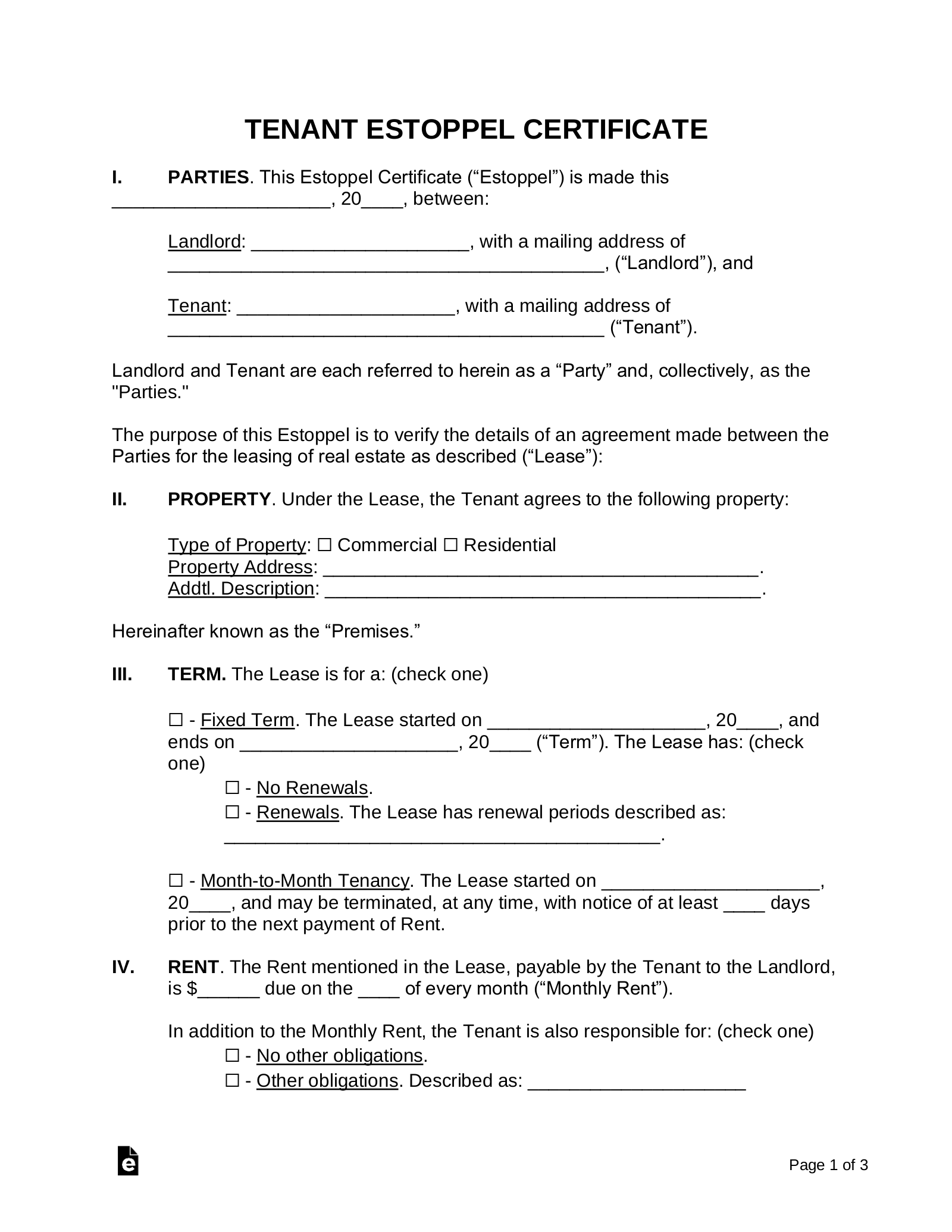
At its heart, an estoppel letter, often referred to as a tenant estoppel certificate, is a signed statement from a tenant certifying the current terms and conditions of their lease agreement. It “estops” (prevents) the tenant from later claiming that the facts are different from those stated in the certificate. This legal concept is vital for third parties who rely on the accuracy of these statements, particularly when making significant financial commitments.
Defining the Document
An estoppel letter is essentially a declaration by the tenant, confirming specific details of their lease with the current landlord. It typically outlines factual information regarding the lease, such as the lease commencement and expiration dates, rent amounts, security deposit details, and whether any defaults or agreements exist outside the written lease. This document acts as a safeguard, providing an independent verification of the lease terms from the tenant’s perspective, thereby reducing ambiguities that might arise from disputes between the landlord and tenant, or from incomplete records.
The Role in Real Estate Transactions
The primary scenario where an estoppel letter becomes indispensable is during the sale or refinancing of an income-generating property. When a property with existing tenants is being sold, the prospective buyer needs to understand the exact financial obligations and rights associated with each lease. Without this direct confirmation from the tenant, a buyer or lender would have to rely solely on the seller’s representations and the lease documents themselves, which may not reflect any unwritten agreements, amendments, or current disputes.
For a commercial real estate investor, the revenue generated by tenants is the lifeblood of the property’s financial performance. An estoppel letter allows a buyer to verify the income stream, confirm the remaining lease term, and identify any potential liabilities or unfulfilled landlord obligations before closing the deal. Similarly, lenders extending financing for a property often require estoppel certificates to assess the stability of the income stream that will service the debt. They need assurance that the leases are valid and that tenants are indeed paying the rent as expected, as this directly impacts the property’s valuation and the risk profile of the loan.
Key Components and Information Confirmed
An estoppel letter is not a one-size-fits-all document; its specific contents can vary based on the type of property, the complexity of the lease, and the requirements of the requesting party. However, several core components are almost universally present, providing a comprehensive overview of the lease’s current state.
Essential Lease Details
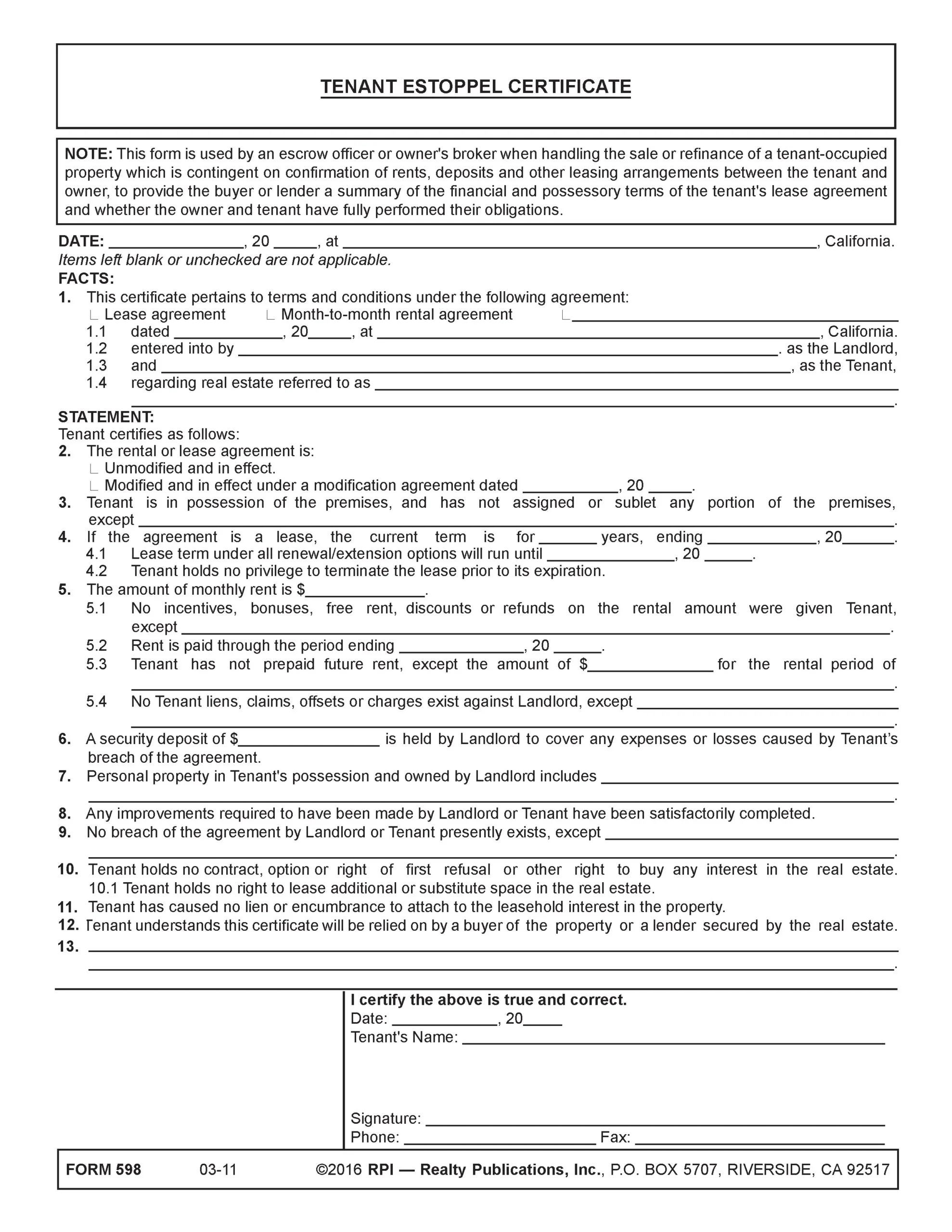
Foremost among the details confirmed are the fundamental terms of the lease agreement. This includes the precise commencement date and expiration date of the lease, which are critical for calculating future rental income and understanding tenant stability. It also specifies the current rent amount, including base rent and any additional rent components like common area maintenance (CAM) charges, property taxes, or insurance premiums, particularly in net or triple-net leases. Furthermore, the letter often confirms the amount of the security deposit held by the landlord and verifies whether it has been paid in full. These financial specifics are vital for assessing the property’s income-generating capacity and verifying the seller’s financial representations.
Financial Standing and Rent Status
Beyond the basic lease terms, an estoppel letter delves into the financial health of the tenancy. It requires the tenant to state if rent has been paid up to a specific date and whether there are any past-due amounts. This information is crucial for a buyer to understand the property’s current cash flow and identify any potential collection issues. Equally important, the letter asks the tenant to confirm whether they have paid rent in advance beyond the current month, which could represent a liability for a new owner. The presence of any rent concessions, free rent periods, or rent abatements – whether existing or promised – must also be disclosed, as these can significantly impact the property’s immediate and future income.
Tenant-Landlord Relationship Insights
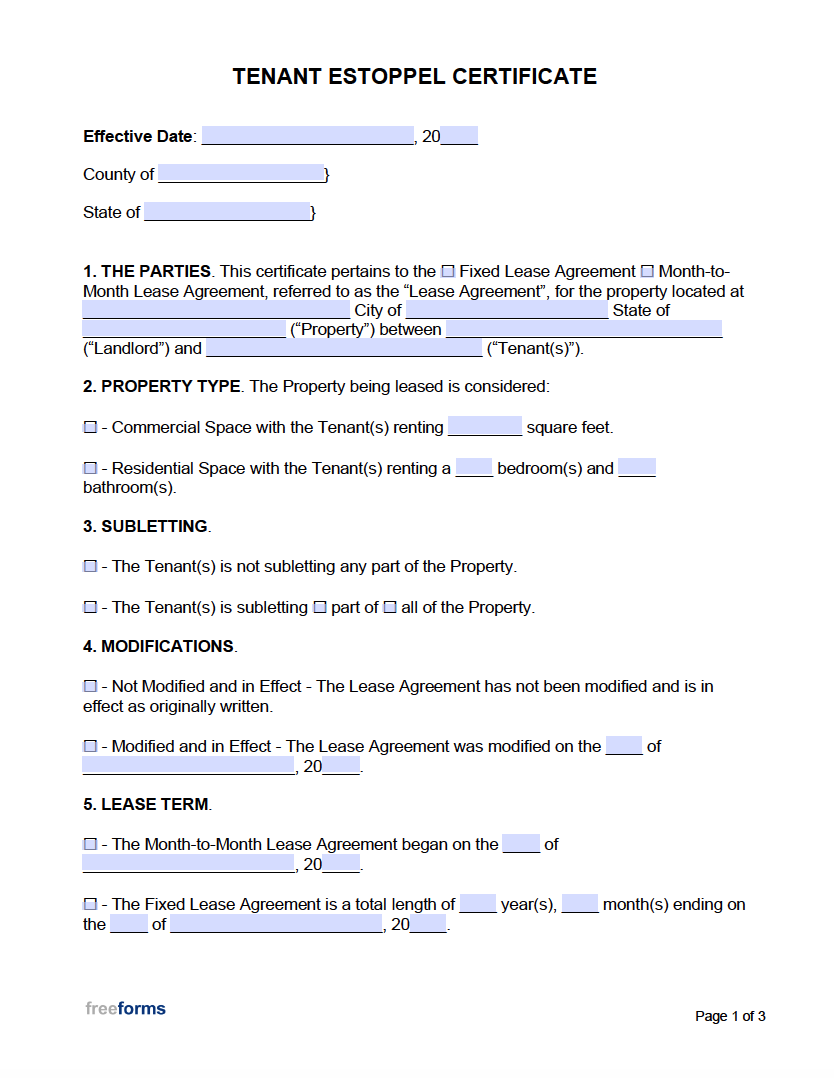
The estoppel letter also serves as a critical barometer for the operational relationship between the tenant and the current landlord. Tenants are asked to confirm if there are any existing defaults by either the landlord or the tenant under the lease. This could include unfulfilled maintenance requests, unresolved disputes over lease terms, or landlord’s failure to provide services as per the lease. Disclosure of such issues is invaluable for a prospective buyer or lender, as it highlights potential liabilities, future costs, or ongoing conflicts that could affect tenant satisfaction and retention. The letter also typically asks the tenant to confirm if they have any options to renew the lease, expand their premises, or terminate the lease early, all of which have direct implications for future occupancy and property value.
Why Estoppel Letters Are Crucial for Investors and Lenders
For those operating in the “Money” sphere of real estate – investors seeking lucrative assets, and lenders providing the capital – the estoppel letter is an indispensable financial tool. It transforms potential uncertainties into confirmed realities, profoundly impacting risk assessment and investment strategy.
Mitigating Investment Risk
Real estate investment, particularly in income-producing properties, inherently carries risks. An estoppel letter directly addresses several of these by providing transparency. Without it, an investor might purchase a property only to discover that a key tenant claims a significantly lower rent than stated by the seller, or that they have an undisclosed option to terminate their lease early. Such discrepancies can drastically alter projected cash flows, reduce property valuation, and lead to costly legal disputes. By obtaining tenant estoppel certificates, investors significantly reduce the risk of inheriting unforeseen liabilities or misrepresented financial standings, safeguarding their capital.
Facilitating Due Diligence
Due diligence is the bedrock of sound financial decision-making in real estate. Estoppel letters are a core component of this process. They allow buyers and lenders to cross-reference the information provided by the seller and the formal lease documents with the tenant’s direct perspective. This triangulation of data helps uncover any inconsistencies, unwritten agreements, or ongoing disputes that might not be evident from a mere review of the lease agreement itself. For instance, a lease might state a specific rent, but the estoppel letter might reveal a long-standing oral agreement for a reduced rate due to a past issue. Identifying these nuances before closing can lead to renegotiation of terms, adjustments to the purchase price, or even a decision to walk away from a problematic deal, thereby protecting the investor’s financial health.
Impact on Property Valuation
The financial health of a commercial property is intricately tied to its rental income and the stability of its tenant base. Clear, accurate estoppel letters provide concrete evidence of this health, directly influencing a property’s valuation. When all tenants confirm their lease terms, rent payments, and lack of disputes, it presents a picture of stable income, predictable cash flow, and a well-managed property. This stability makes the property more attractive to investors and reduces perceived risk for lenders, potentially leading to better financing terms and a higher valuation. Conversely, a property with numerous estoppel discrepancies or tenant issues indicated in the letters might be valued lower, reflecting the increased risk and potential future liabilities.
The Tenant’s Perspective and Obligations
While the primary beneficiaries of an estoppel letter are often buyers and lenders, tenants also have significant responsibilities and interests tied to this document. Understanding these aspects is crucial for both sides to navigate the process effectively and avoid future complications.
Why Tenants Receive Them
Tenants typically receive an estoppel letter when their landlord is selling the property or refinancing a mortgage. Landlords are often contractually obligated under their loan agreements or purchase and sale agreements to deliver these certificates from their tenants. The tenant’s cooperation is generally a requirement stipulated within their original lease agreement, obliging them to complete and return the form within a specified timeframe, usually 10-15 days. For tenants, completing this form accurately is not just a courtesy; it’s a contractual obligation that protects their own rights and prevents misunderstandings with a new landlord.
The Importance of Accuracy
Accuracy in completing an estoppel letter cannot be overstated. By signing the document, the tenant is legally attesting to the truthfulness of the statements within. If a tenant certifies incorrect information – for instance, confirming that all rent has been paid when it hasn’t, or omitting an unwritten agreement with the landlord – they may be “estopped” from later asserting the true facts, even if those facts would have been favorable to them. This means a new owner, having relied on the tenant’s certified statement, could enforce the terms as stated in the estoppel letter, regardless of what the original lease or prior agreements might have indicated. Therefore, tenants must meticulously review their lease, payment records, and any side agreements before completing the form.
Potential Consequences of Non-Compliance or Errors
Failure to return an estoppel letter within the stipulated timeframe, or submitting one with deliberate inaccuracies, can lead to several adverse consequences for the tenant. Many leases include provisions that allow the landlord to sign the estoppel certificate on behalf of the tenant if the tenant fails to do so in a timely manner. This “power of attorney” clause can put the tenant in a vulnerable position, as the landlord may not accurately represent the tenant’s interests, potentially certifying terms that are unfavorable to the tenant. Furthermore, non-compliance could be deemed a breach of lease, potentially leading to legal action or even eviction proceedings, depending on the severity and the specific terms of the lease. For these reasons, tenants should treat estoppel requests with the utmost seriousness, carefully verifying all information before signing.
Legal and Financial Implications for All Parties
The estoppel letter is more than just a piece of paper; it embodies significant legal doctrines and financial ramifications that can shape the future of a real estate investment and the relationships within it.
Estoppel by Representation
The core legal principle underlying an estoppel letter is “estoppel by representation.” This doctrine prevents a party (the tenant) from denying the truth of a statement of fact made by them, or their conduct, which another party (the buyer/lender) has reasonably relied upon to their detriment. When a tenant signs an estoppel letter affirming certain lease terms, a prospective buyer or lender, in good faith, relies on those representations to proceed with the purchase or financing. If the tenant later attempts to assert a different set of facts (e.g., claiming lower rent or an unrecorded agreement), they would likely be estopped by a court from doing so, given that the buyer/lender relied on their signed statement. This legal protection is why lenders and investors place such high value on these documents.
Navigating Disputes and Discrepancies
Despite the intention for clarity, disputes can arise if an estoppel letter conflicts with the original lease or the seller’s representations. In such cases, the estoppel letter often takes precedence, particularly for a new owner who relied on it. This highlights the critical importance of reviewing all documentation thoroughly during due diligence.
For investors, identifying discrepancies between the estoppel letter, the lease, and the seller’s statements during the due diligence period is an opportunity. It allows for renegotiation of the purchase price, adjustment of financial models, or demanding the seller resolve the discrepancy before closing. For example, if a tenant states they are owed significant tenant improvement allowances, but the seller’s records show otherwise, this creates a potential liability that must be addressed.
In essence, an estoppel letter from a tenant is a powerful financial tool that underpins confidence and transparency in real estate transactions. It serves as a vital safeguard for investors and lenders, ensuring that the financial commitments they make are based on verified, agreed-upon facts, while also obliging tenants to accurately represent their lease status for the protection of all parties involved in the ever-evolving financial ecosystem of real estate.
aViewFromTheCave is a participant in the Amazon Services LLC Associates Program, an affiliate advertising program designed to provide a means for sites to earn advertising fees by advertising and linking to Amazon.com. Amazon, the Amazon logo, AmazonSupply, and the AmazonSupply logo are trademarks of Amazon.com, Inc. or its affiliates. As an Amazon Associate we earn affiliate commissions from qualifying purchases.