
The intriguing term “eraser tattoo” often surfaces in discussions around tattoo removal, hinting at a seemingly simple solution to permanent ink. However, to truly understand an “eraser tattoo,” one must delve beyond the colloquialism and compare it against the robust scientific and technological advancements that define modern tattoo removal. Far from being a revolutionary device or technique, the concept of an “eraser tattoo” typically refers to rudimentary, often DIY, methods attempting to physically or chemically abrade tattoo ink from the skin, a process that stands in stark contrast to the precision and safety offered by professional technological solutions.
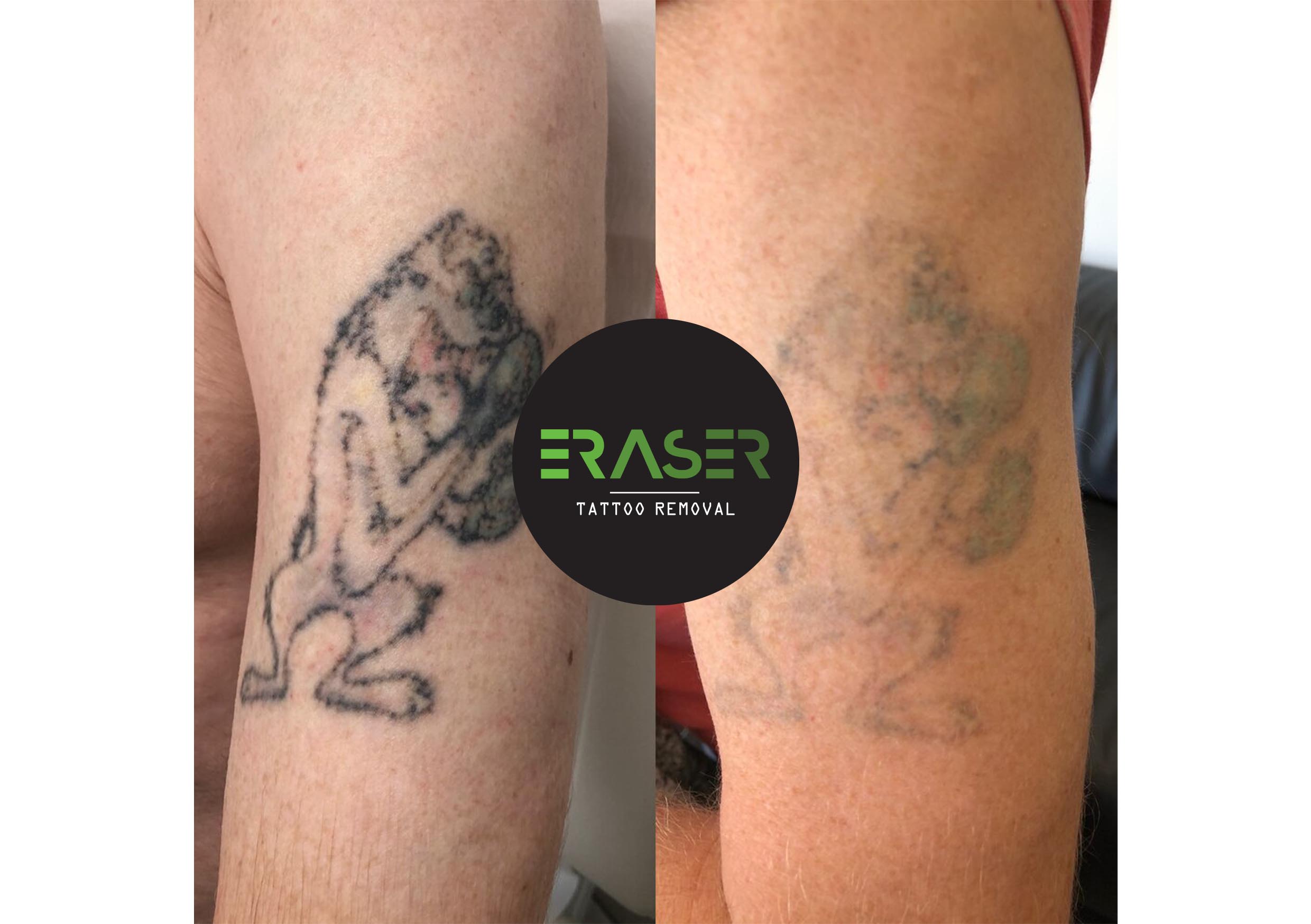
Unpacking the Concept of “Eraser Tattoos”
At its core, an “eraser tattoo” is not a formal medical or dermatological procedure. Instead, it describes a range of methods—often attempted at home—that aim to manually or chemically remove a tattoo by damaging the skin’s surface layer. The “eraser” in the name often evokes the act of rubbing something away, leading individuals to believe that persistent scrubbing or applying abrasive substances can similarly eliminate ink.
The DIY Appeal and Underlying Methods
The allure of an “eraser tattoo” stems from its apparent simplicity and cost-effectiveness compared to professional removal services. Common techniques associated with this concept include:
- Salabrasion: This involves aggressively rubbing a mixture of salt and water into the tattooed skin, sometimes with an abrasive tool like a pumice stone or sandpaper. The intent is to cause an open wound, and as the wound heals, pull the ink out with the scab.
- Chemical Exfoliants: Applying harsh household chemicals, such as bleach, hydrogen peroxide, or certain acids, with the belief that they will dissolve or bleach the ink.
- Dermabrasion (Amateur Version): While professional dermabrasion is a controlled medical procedure, amateur attempts involve using abrasive tools to physically sand down layers of skin.
- Excision (Amateur Version): In extreme and dangerous cases, some individuals might attempt to cut out small tattoos with sharp objects.
These methods are characterized by their lack of scientific backing, absence of medical supervision, and reliance on physical or chemical destruction of skin tissue without targeting the ink specifically.
Why the Term “Eraser” is Misleading
The term “eraser tattoo” is profoundly misleading because it implies a clean, complete removal similar to erasing a pencil mark. In reality, these methods rarely achieve full tattoo removal and almost invariably result in significant skin damage. Unlike a graphite pencil mark on paper, tattoo ink is deposited deep within the dermis, an intricate layer of living tissue. Simply scrubbing or dissolving the surface of the skin does not address the ink particles effectively or safely. The “erasing” effect, if any, is usually partial, uneven, and overshadowed by the permanent scars left behind.
The Science of Tattoo Ink and Skin Interaction
To understand why “eraser tattoos” fail and why advanced technology is necessary, one must first grasp the science of how tattoos become permanent and the biological challenges inherent in their removal.
How Tattoos Become Permanent
When a tattoo is applied, a needle rapidly punctures the epidermis (the outermost layer of skin) and deposits ink into the dermis (the deeper, stable layer). The body immediately recognizes the ink particles as foreign invaders and mounts an immune response. Macrophages, a type of white blood cell, attempt to engulf and carry away the ink particles. However, tattoo ink particles are typically too large for the macrophages to completely eliminate. Instead, many macrophages, engorged with ink, become trapped in the collagen fibers of the dermis, creating the permanent image we see. The skin then heals over these trapped, ink-filled cells.
The Biological Challenges of Ink Removal
The primary challenge in tattoo removal is that the ink is deeply embedded within the skin’s dermal layer and encased within immune cells. Disrupting the epidermis through scrubbing or chemical application merely causes superficial damage and inflammation without effectively reaching or fragmenting the deeply lodged ink particles. The body’s immune response, which initially trapped the ink, also complicates its removal; directly destroying the skin to remove the ink can lead to significant scarring and dyspigmentation, as the body struggles to repair the extensive damage. Effective removal requires targeting the ink specifically without causing collateral damage to the surrounding healthy skin.
Modern Technological Approaches to Tattoo Removal
The evolution of tattoo removal has moved light-years beyond crude abrasion, now relying on sophisticated technology that leverages specific wavelengths of light to safely and effectively break down ink particles.
Q-Switched and Picosecond Lasers: The Gold Standard
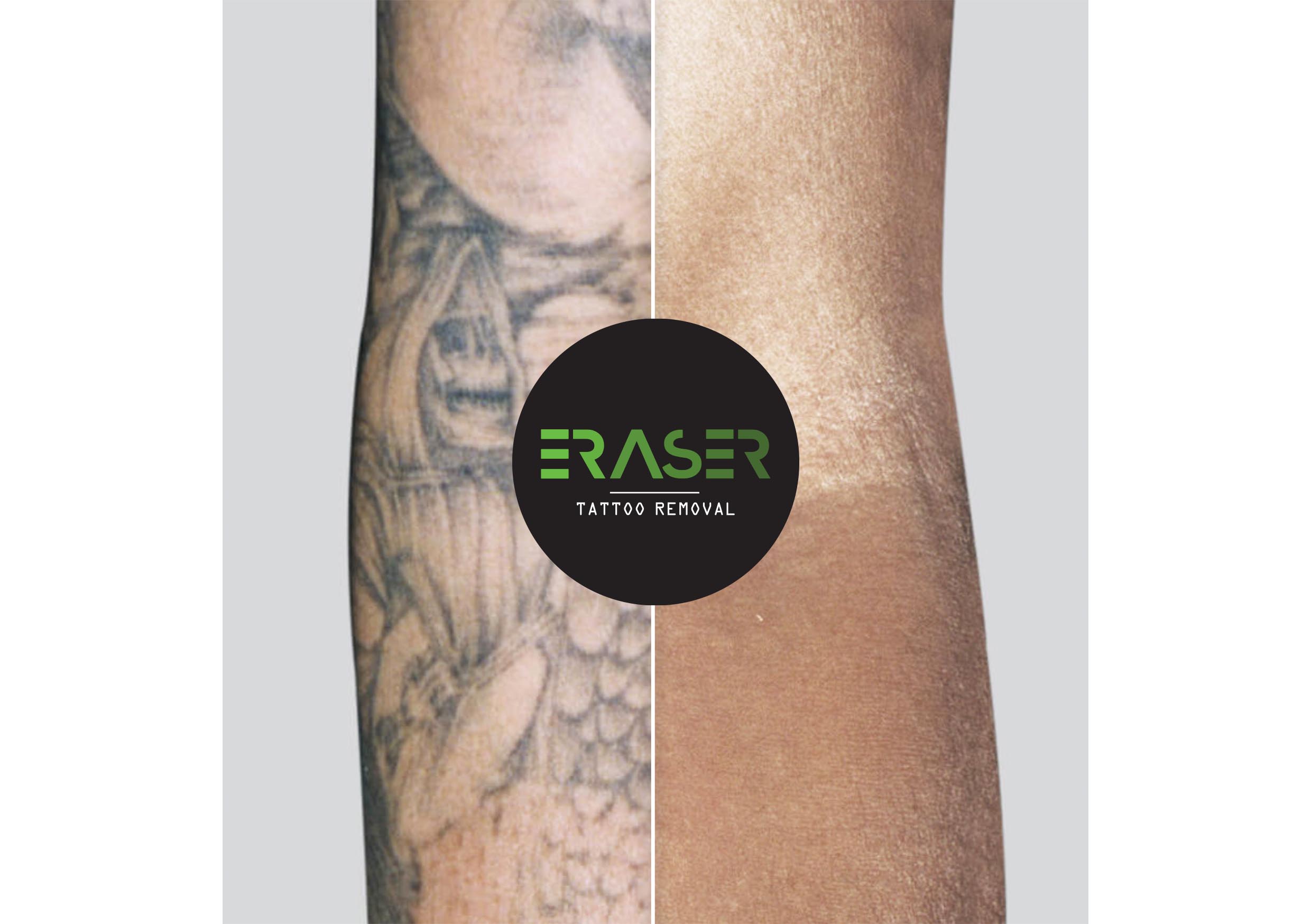
Today, the most effective and safest method for tattoo removal involves advanced laser technology. Specifically, Q-switched (QS) and picosecond lasers are the industry standard. These technologies utilize ultra-short pulses of high-intensity light to target tattoo ink.
- Q-Switched Lasers: These lasers deliver energy in nanosecond pulses. The rapid pulse creates a photoacoustic effect, vibrating and shattering the ink particles into much smaller fragments.
- Picosecond Lasers: Representing the latest generation, picosecond lasers deliver energy in even shorter pulses (trillionths of a second). This ultra-fast pulse generates a greater photoacoustic effect, creating more pressure waves that shatter ink particles into even tinier fragments than QS lasers, often leading to faster removal with fewer sessions and improved clearance for stubborn inks.
How Laser Technology Works
The principle behind laser tattoo removal is selective photothermolysis. The laser light is absorbed by the pigment in the tattoo ink (chromophore) but not significantly by the surrounding skin tissue. When the ink particles absorb the intense light energy, they rapidly heat up and fracture into minute pieces. Once fragmented, these smaller ink particles are then small enough for the body’s macrophages to effectively engulf and eliminate through the lymphatic system, much like how the body clears other waste products. Different wavelengths of laser light are used to target specific colors of ink, as each color absorbs different light spectrums. For instance, a 1064 nm wavelength is effective for black and dark inks, while 532 nm is often used for red and orange inks.
Other Professional Methods (Dermabrasion, Surgical Excision)
While less common than laser therapy for most tattoos, other professional methods exist:
- Professional Dermabrasion: Performed by a dermatologist, this involves using a high-speed rotating abrasive tool to “sand” away layers of skin containing the tattoo ink. It is more controlled than DIY methods but carries a higher risk of scarring and incomplete removal compared to lasers.
- Surgical Excision: For small tattoos, a surgeon can physically cut out the tattooed skin and stitch the remaining skin together. This is a highly effective one-session solution but leaves a surgical scar and is only feasible for tattoos of a certain size and location.
These methods, when performed by trained medical professionals, are vastly different from the crude and dangerous “eraser tattoo” attempts.
The Risks and Realities of Non-Technological Removal Methods
The stark reality of “eraser tattoo” methods is that they are not just ineffective but also carry significant health risks, proving to be far more costly in terms of health and well-being than any initial savings.
Potential Dangers of DIY “Eraser” Techniques
Attempting to remove a tattoo with abrasive materials or harsh chemicals exposes the skin to numerous hazards:
- Severe Chemical Burns: Caused by applying acids, bleach, or other corrosive substances.
- Deep Scars: From physical abrasion (salabrasion, amateur dermabrasion) or chemical damage, often worse than the original tattoo.
- Infection: Open wounds created by these methods are highly susceptible to bacterial and viral infections, including MRSA or even tetanus if tools are unsterilized.
- Allergic Reactions: To unknown chemicals or substances used.
- Permanent Pigmentation Changes: Leading to hyperpigmentation (darkening) or hypopigmentation (lightening) of the skin, which can be disfiguring.
- Keloid Formation: Raised, overgrown scars that extend beyond the original wound boundaries.
Health Implications and Scarring
The damage inflicted by “eraser tattoo” methods can be permanent and debilitating. Beyond visible scarring, the constant irritation and inflammation can lead to chronic skin conditions. The emotional and psychological toll of living with disfigured skin can also be significant. Often, individuals who attempt these methods eventually seek professional help not only to remove the remaining ink but also to repair the damage caused by their earlier attempts, adding complexity and cost to their journey.
Making Informed Decisions: Technology vs. Myth
The contrast between the myth of the “eraser tattoo” and the reality of professional technological tattoo removal couldn’t be starker. When considering tattoo removal, the decision should always lean towards methods backed by science and performed by qualified professionals using advanced technology.
Consulting Professionals and Vetting Technology
For anyone considering tattoo removal, the first step should be a consultation with a board-certified dermatologist or a reputable laser tattoo removal specialist. These professionals can assess the tattoo (ink type, depth, color, age, skin type), explain the process, manage expectations, and recommend the most appropriate technological solution. They operate medical-grade lasers that are regulated for safety and effectiveness.

The Cost-Benefit of Advanced Solutions
While professional laser tattoo removal may appear more expensive upfront than DIY methods, its long-term cost-benefit is undeniable. The investment in safe, effective technology minimizes the risks of scarring, infection, and incomplete removal, thereby preventing the need for costly corrective treatments later. The peace of mind, safety, and superior results offered by modern laser technology far outweigh the false economy and inherent dangers of attempting an “eraser tattoo.” In the realm of permanent skin alteration, technology provides the only truly reliable and safe path to reversal.
aViewFromTheCave is a participant in the Amazon Services LLC Associates Program, an affiliate advertising program designed to provide a means for sites to earn advertising fees by advertising and linking to Amazon.com. Amazon, the Amazon logo, AmazonSupply, and the AmazonSupply logo are trademarks of Amazon.com, Inc. or its affiliates. As an Amazon Associate we earn affiliate commissions from qualifying purchases.