
The term “endoscopy” might evoke images of sterile medical environments and complex machinery. While it is fundamentally a medical procedure, understanding its nuances, the technology behind it, and its implications can offer fascinating insights when viewed through the lenses of technology, branding, and even financial considerations. This article aims to demystify the endoscopy procedure, exploring its purpose, how it’s performed, and how these elements intersect with the dynamic worlds of tech trends, brand strategy, and personal/business finance.
The Core of Endoscopy: Seeing Inside
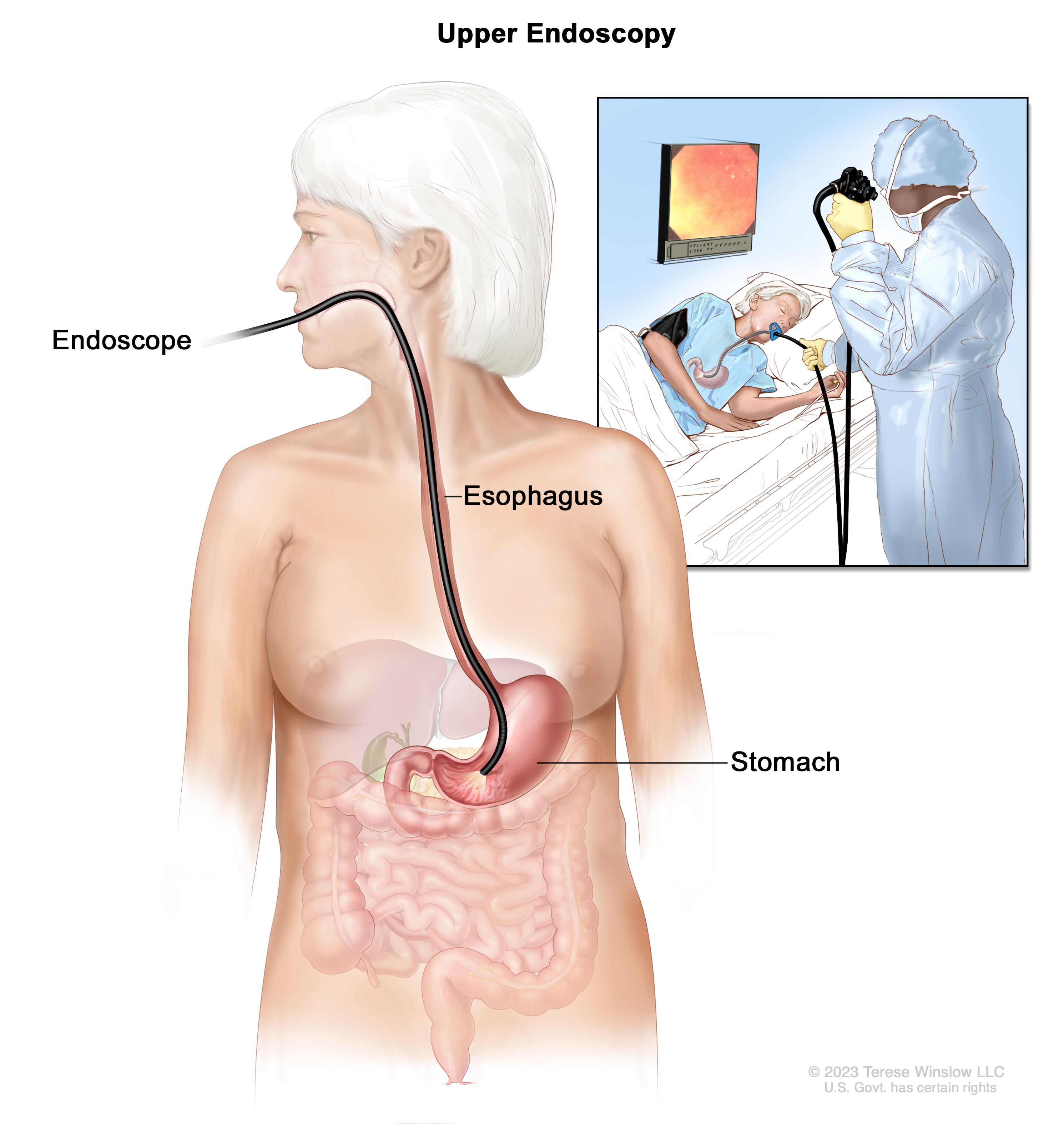
At its heart, an endoscopy procedure is a diagnostic and sometimes therapeutic medical intervention that allows healthcare professionals to visualize the inside of a person’s body. This is achieved using an endoscope, a long, flexible or rigid tube equipped with a light source and a camera. The camera transmits real-time images to a monitor, providing a detailed view of internal organs and tissues.

The primary goal of an endoscopy is to diagnose a wide range of conditions that might otherwise be difficult or impossible to detect. This can include:
- Gastrointestinal Issues: Conditions like ulcers, polyps, inflammation (e.g., gastritis, Crohn’s disease), bleeding, and cancers of the esophagus, stomach, small intestine, and colon are commonly investigated through endoscopy.
- Respiratory Problems: Bronchoscopy, a type of endoscopy, allows visualization of the airways and lungs to diagnose infections, blockages, or tumors.
- Urinary Tract Issues: Cystoscopy enables examination of the bladder and urethra for conditions like infections, stones, or tumors.
- Joint Problems: Arthroscopy is used to examine and even repair damage within joints.
Beyond diagnosis, endoscopy also plays a crucial role in treatment. During an endoscopic procedure, doctors can:
- Take Biopsies: Small tissue samples can be removed for laboratory analysis, which is vital for confirming diagnoses, especially for cancer.
- Remove Polyps: Pre-cancerous polyps in the colon, for example, can be safely removed during a colonoscopy, preventing their potential development into cancer.
- Control Bleeding: Endoscopic tools can be used to cauterize (seal) bleeding blood vessels.
- Widen Narrowed Passages: In some cases, strictures or blockages can be dilated using specialized endoscopic instruments.
The minimally invasive nature of endoscopy is a significant advantage. Compared to traditional open surgery, endoscopic procedures generally involve shorter recovery times, less pain, and a reduced risk of complications. This is a testament to the ongoing advancements in medical technology.
The Technological Backbone of Endoscopy
The evolution of endoscopy is a prime example of how technological innovation directly impacts healthcare outcomes. The endoscopes themselves have become incredibly sophisticated, pushing the boundaries of what’s possible in internal visualization.
1. Advancements in Endoscopic Imaging: Resolution and Beyond
The foundational technology of any endoscopy is its imaging capability. Early endoscopes relied on fiber optics, transmitting light and images through bundles of glass fibers. While groundbreaking for their time, these systems have largely been superseded by video endoscopes.
- Digital Sensors and High-Definition Imaging: Modern endoscopes feature tiny, high-resolution digital cameras (often CMOS or CCD sensors) embedded at the tip. This allows for the transmission of incredibly detailed, high-definition (HD) and even 4K images. The enhanced clarity helps clinicians spot subtle abnormalities, such as early-stage precancerous lesions, with greater accuracy.
- Magnification Capabilities: Many advanced endoscopes offer optical or digital magnification, allowing doctors to zoom in on suspicious areas for closer examination without physically moving the scope.
- Spectral Imaging and Narrow Band Imaging (NBI): These are groundbreaking technologies that go beyond standard white light. NBI, for instance, uses specific wavelengths of light to enhance the visibility of blood vessels and surface patterns on mucosal surfaces. This can help differentiate between benign and potentially malignant tissues, improving diagnostic precision.
- Fluorescence Endoscopy: This technique involves administering a photosensitizing agent that is absorbed by certain cells. When illuminated with specific light wavelengths, these cells emit fluorescence, highlighting abnormal areas.
2. The Role of AI and Machine Learning in Endoscopy
The integration of Artificial Intelligence (AI) and Machine Learning (ML) is transforming the interpretation of endoscopic images and streamlining workflows.
- AI-Powered Detection and Diagnosis: AI algorithms are being trained on vast datasets of endoscopic images to identify subtle signs of disease that might be missed by the human eye, especially during long and demanding procedures. This can include detecting polyps with higher sensitivity or flagging areas for closer scrutiny.
- Real-time Assistance: AI can provide real-time feedback to the endoscopist, highlighting suspicious areas or suggesting the optimal angle for visualization.
- Workflow Optimization: AI can assist in image management, automatically annotating findings, and even predicting patient risk factors, contributing to more efficient and standardized care.
- Robotic-Assisted Endoscopy: While still an emerging field, robotic systems are being developed to offer enhanced control, precision, and dexterity during complex endoscopic interventions, potentially enabling remote procedures or assisting surgeons in challenging anatomical regions.
3. Miniaturization and Novel Endoscopic Devices
The relentless pursuit of miniaturization in electronics and materials science has led to the development of smaller, more flexible, and more specialized endoscopes.
- Capsule Endoscopy: For certain parts of the digestive tract, particularly the small intestine, capsule endoscopy offers a non-invasive alternative. Patients swallow a small, pill-sized capsule containing a camera, light source, and battery. As it travels through the digestive system, it captures thousands of images, which are then wirelessly transmitted to a recording device worn by the patient.
- Single-Use Endoscopes: To address concerns about cross-contamination and sterilization challenges, the development of disposable endoscopes is gaining traction, particularly in high-volume settings. This also eliminates the need for complex reprocessing, saving time and resources.
- Endoscopic Ultrasound (EUS): This technique combines endoscopy with ultrasound imaging. An ultrasound transducer is attached to the tip of the endoscope, allowing for detailed visualization of the layers of the gastrointestinal wall and adjacent organs, providing valuable information for staging cancers and diagnosing other conditions.
Branding and Perception in Medical Technology
The perception of medical procedures and the technologies that underpin them is heavily influenced by branding and marketing. While “endoscopy” itself is a clinical term, the institutions and companies involved in its delivery and development employ sophisticated branding strategies.

1. The “Trusted Expertise” Brand of Healthcare Providers
Hospitals, clinics, and individual gastroenterologists or surgeons build their brand around expertise, patient care, and the adoption of cutting-edge technology.
- Technological Prowess as a Differentiator: For healthcare institutions, advertising the availability of the latest endoscopic equipment (e.g., “State-of-the-art 4K endoscopy suite”) serves as a powerful differentiator. It signals a commitment to providing the best possible diagnostic and therapeutic capabilities, attracting patients seeking high-quality care.
- Patient Education and Empowerment: Effective branding also involves clear and accessible patient education. Websites, brochures, and pre-procedure consultations that explain “what is an endoscopy procedure” in a straightforward, reassuring manner help manage patient anxiety and build trust. This educational content itself can be a brand asset.
- Reputation Management: The success rates, patient satisfaction scores, and the avoidance of complications associated with endoscopic procedures are critical components of a healthcare provider’s reputation. Positive reviews, testimonials, and a history of excellent outcomes reinforce their brand image.
2. Brand Building in MedTech Manufacturing
Companies that design and manufacture endoscopes and related equipment also engage in significant brand building.
- Innovation and Reliability: Brands are built on the promise of innovation and reliability. A company known for developing the first HD video endoscope or a groundbreaking AI-powered diagnostic tool establishes a strong market position.
- Partnerships and Endorsements: Collaborations with leading medical institutions and endorsements from respected physicians can significantly boost a brand’s credibility and market penetration.
- User Experience and Training: The ease of use for clinicians, comprehensive training programs, and robust customer support are crucial aspects of a MedTech brand’s offering. A user-friendly interface on an endoscopic system, for instance, can be a key selling point.
3. The “Wellness” and “Preventative Care” Narrative
As the focus shifts towards preventative healthcare, endoscopy plays a crucial role in this narrative.
- Colonoscopies as a “Life-Saving” Tool: The emphasis on colonoscopies for colon cancer screening has been a successful branding effort, positioning the procedure not as an unpleasant necessity, but as a proactive step towards maintaining long-term health.
- Empowering Patients with Information: Brands that promote regular check-ups and screenings, including endoscopies where appropriate, tap into the growing consumer desire for proactive health management.
Financial Implications of Endoscopy
Endoscopy procedures, like all medical interventions, have significant financial considerations for individuals, healthcare systems, and the companies involved.
1. Personal Finance and Healthcare Costs
For individuals, the cost of an endoscopy can vary widely depending on factors like insurance coverage, the type of procedure, the facility, and any additional services required (e.g., biopsy, polyp removal).
- Insurance Coverage and Out-of-Pocket Expenses: Understanding insurance policies is paramount. Deductibles, co-pays, and co-insurance rates directly impact the patient’s out-of-pocket expenses. Many preventive screenings, like colonoscopies, are often covered at a higher rate by insurance.
- The Value of Preventative Care: While there’s an upfront cost, the long-term financial benefit of early detection through endoscopy can be substantial. For instance, detecting colon cancer at an early stage is significantly less costly to treat than advanced-stage cancer. This highlights the financial wisdom of investing in preventative screenings.
- Financing and Payment Plans: For individuals facing unexpected medical bills, understanding financing options, payment plans offered by healthcare providers, or utilizing health savings accounts (HSAs) or flexible spending accounts (FSAs) can help manage the financial burden.
2. Business Finance in the MedTech Industry
The manufacturers of endoscopic equipment operate within a highly competitive and capital-intensive industry.
- Research and Development Investment: Developing cutting-edge endoscopic technology requires significant investment in R&D. This includes designing advanced optics, miniaturizing components, and developing sophisticated software and AI algorithms.
- Manufacturing and Supply Chain: The production of high-precision medical devices involves complex manufacturing processes and a robust supply chain, impacting production costs and pricing.
- Sales and Marketing Expenses: Reaching healthcare providers globally requires substantial investment in sales teams, marketing campaigns, and participation in medical conferences.
- Market Dynamics and Competition: The market for endoscopic equipment is influenced by technological innovation, regulatory approvals, and the pricing strategies of competitors. Companies must balance innovation with cost-effectiveness to remain competitive.
3. Healthcare System Economics
Endoscopies are a significant component of healthcare expenditure for national health services and private insurance providers.
- Cost-Effectiveness Analysis: Healthcare systems constantly evaluate the cost-effectiveness of various diagnostic and therapeutic procedures. Endoscopies, particularly when they lead to early disease detection and intervention, are often found to be highly cost-effective in the long run due to their ability to prevent more expensive treatments later on.
- Resource Allocation: Decisions about investing in new endoscopic technologies or expanding endoscopy services involve complex resource allocation considerations, weighing the benefits against other competing healthcare priorities.
- Reimbursement Policies: Government and private insurers set reimbursement rates for endoscopic procedures, which directly impact the revenue of healthcare providers and influence their willingness to adopt new technologies.
Conclusion
The endoscopy procedure, while a cornerstone of modern medicine, is far more than just a medical technique. From the intricate technological advancements that enable its precision to the sophisticated branding efforts that shape public perception and the complex financial ecosystems that support its development and delivery, endoscopy offers a compelling case study at the intersection of technology, brand, and finance. As technology continues to evolve, with AI and robotics playing increasingly prominent roles, the future of endoscopy promises even greater diagnostic accuracy, therapeutic efficacy, and ultimately, improved patient outcomes. Understanding these multifaceted dimensions allows for a more comprehensive appreciation of this vital medical procedure and its profound impact on our lives and economies.
aViewFromTheCave is a participant in the Amazon Services LLC Associates Program, an affiliate advertising program designed to provide a means for sites to earn advertising fees by advertising and linking to Amazon.com. Amazon, the Amazon logo, AmazonSupply, and the AmazonSupply logo are trademarks of Amazon.com, Inc. or its affiliates. As an Amazon Associate we earn affiliate commissions from qualifying purchases.