
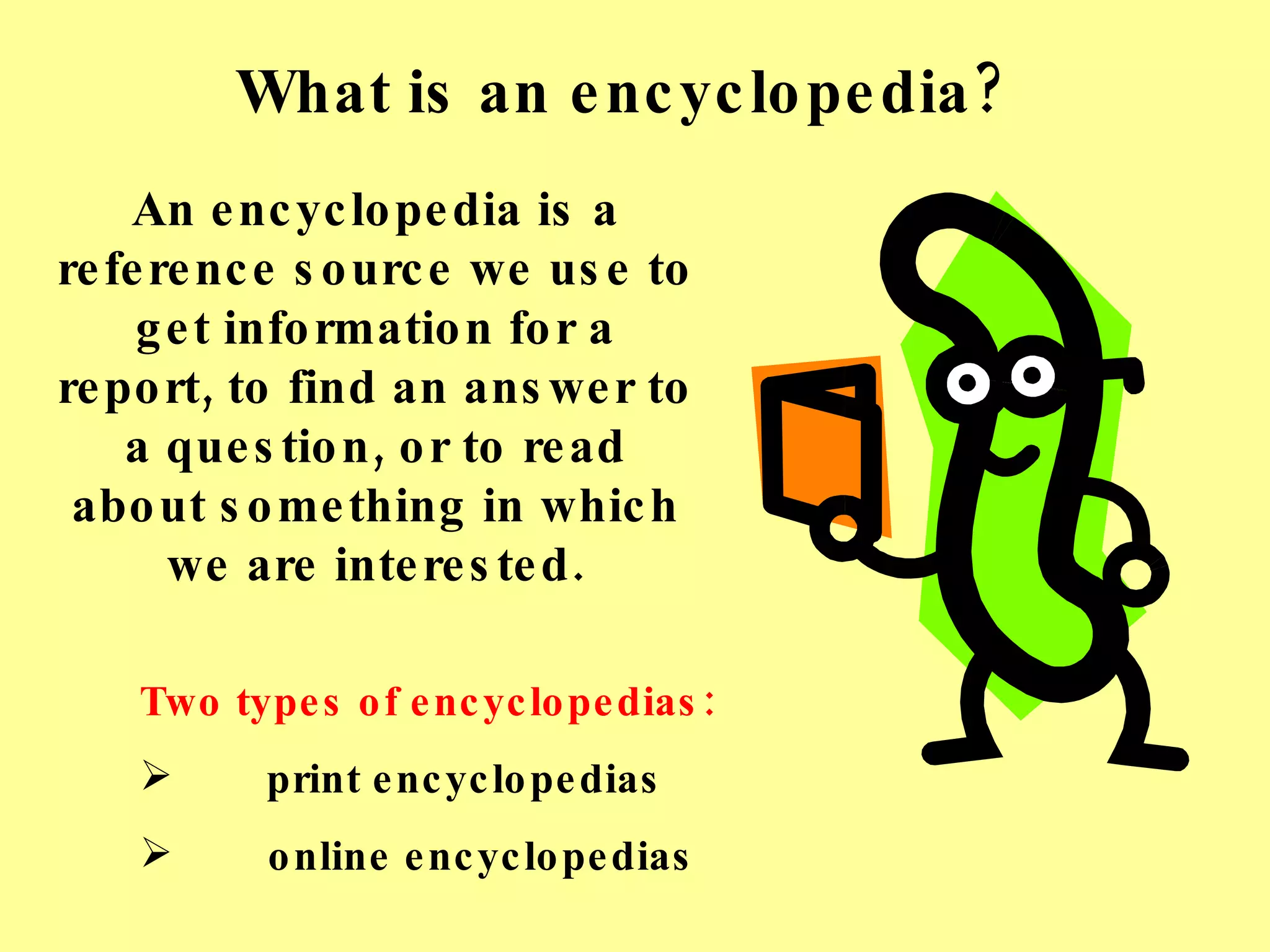
In today’s rapidly evolving digital landscape, the question of an encyclopedia’s utility might seem antiquated to some. Yet, understanding what an encyclopedia is used for remains profoundly relevant, particularly when viewed through the lens of information acquisition, knowledge organization, and critical evaluation – all cornerstones of navigating the tech-saturated world we inhabit. While the physical tomes of yesteryear have largely been superseded by dynamic digital platforms, the fundamental purpose of an encyclopedia endures: to provide comprehensive, structured, and authoritative information across a vast spectrum of human knowledge. This article will explore the multifaceted uses of encyclopedias, with a particular focus on their enduring value in the realm of technology, digital literacy, and informed decision-making within the tech sphere.
The Encyclopedia as a Foundational Knowledge Hub in the Digital Age
The core function of an encyclopedia, regardless of its format, is to serve as a centralized repository of information. In the context of technology, this translates to understanding the bedrock principles, historical evolution, and diverse applications of various technologies. From deciphering the intricacies of artificial intelligence and machine learning to grasping the foundational concepts of networking and cybersecurity, encyclopedias offer a structured entry point for learners of all levels.
Demystifying Complex Technological Concepts
The language of technology can often be dense and filled with jargon. Encyclopedias excel at breaking down these complex subjects into digestible components. When encountering terms like “blockchain,” “quantum computing,” or “virtual reality” for the first time, a well-curated encyclopedia provides clear definitions, historical context, and explanations of how these technologies function. This is invaluable for anyone looking to gain a foundational understanding without being overwhelmed by highly specialized academic papers or marketing hype.
Understanding the “Why” and “How” of Technology
Beyond mere definitions, encyclopedias aim to explain the underlying principles and mechanisms of technology. For instance, an article on artificial intelligence wouldn’t just state that AI exists; it would delve into the various subfields like machine learning, deep learning, and natural language processing, explaining the algorithms and data structures that enable them. Similarly, an entry on cloud computing would outline the different service models (IaaS, PaaS, SaaS) and the infrastructure that supports them. This deeper understanding empowers individuals to move beyond superficial awareness and engage with technology on a more informed level.
Bridging the Gap Between Disciplines
Technology is rarely an isolated field. It intersects with economics, sociology, ethics, and countless other disciplines. Encyclopedias often provide this interdisciplinary context, showing how technological advancements have shaped and been shaped by societal forces. For example, understanding the societal impact of the internet requires exploring its historical development alongside its social and economic consequences. Encyclopedias can offer these broader perspectives, helping users to see the interconnectedness of knowledge.
The Role of Encyclopedias in Digital Literacy and Information Verification
In an era characterized by an overwhelming influx of information, much of it unverified or even deliberately misleading, the role of encyclopedias in fostering digital literacy and promoting critical thinking is paramount. They serve as trusted references that can help individuals discern fact from fiction in the digital realm.
Combating Misinformation and Disinformation
The internet is a breeding ground for misinformation and disinformation, particularly concerning rapidly developing technologies. Encyclopedias, when written and maintained by reputable organizations, adhere to principles of scholarly research, fact-checking, and balanced representation. They can act as a crucial antidote to false narratives surrounding topics like vaccine efficacy, climate change, or the capabilities of AI. By providing well-researched and evidence-based information, encyclopedias equip users with the tools to critically evaluate other sources they encounter online.
The Authority of Curated Knowledge
Unlike a simple web search, which can yield results from any individual or entity with an internet connection, encyclopedias are typically compiled by subject matter experts and undergo rigorous editorial processes. This inherent authority lends credibility to the information presented. When grappling with a controversial or complex tech topic, referring to an established encyclopedia can provide a baseline of reliable information that can then be used to compare and contrast with other, potentially less reliable, sources.
Developing Critical Evaluation Skills

The very act of using an encyclopedia cultivates essential critical evaluation skills. Users learn to identify authoritative sources, understand the importance of citations and references, and recognize potential biases. By engaging with well-structured arguments and evidence-presented information, individuals develop a more discerning approach to all the information they consume, a skill that is indispensable in the digital age.
Encyclopedias as Tools for Learning and Skill Development in Tech
Beyond passive consumption, encyclopedias are powerful active learning tools, particularly for those seeking to acquire new skills or deepen their understanding of existing ones within the technology sector. Their structured format and comprehensive nature make them ideal for self-directed learning and professional development.
Guiding the Learning Journey
For individuals venturing into new areas of technology, encyclopedias can provide a roadmap for learning. They offer a logical progression of topics, from foundational concepts to more advanced applications. For instance, someone interested in web development might start with an encyclopedia entry on HTML, then progress to CSS, JavaScript, and eventually server-side languages and frameworks. This structured approach prevents learners from feeling lost or overwhelmed.
Acquiring Foundational Knowledge for New Careers
The tech industry is in constant flux, with new roles and specializations emerging regularly. Encyclopedias provide the foundational knowledge necessary to transition into these fields. Whether it’s understanding the principles of data science, the architecture of cloud systems, or the fundamentals of cybersecurity, encyclopedic entries offer a solid starting point for acquiring the prerequisite knowledge for further specialization and training.
Supplementing Formal Education and Training
While formal educational institutions and online courses provide structured learning environments, encyclopedias serve as invaluable supplementary resources. They offer alternative explanations, deeper dives into specific sub-topics, and historical context that might not be covered in a syllabus. This can be particularly useful for students or professionals looking to reinforce their understanding or explore tangential areas of interest.
The Evolution of Encyclopedias and Their Enduring Relevance
The shift from print to digital has dramatically transformed the encyclopedia, making it more accessible, dynamic, and interactive than ever before. However, this evolution has not diminished its core purpose but rather amplified its utility, especially within the tech landscape.
The Digital Transformation: Accessibility and Interactivity
The most obvious change is the move to online platforms. Digital encyclopedias offer instant access to a vast repository of information, often updated in real-time. This accessibility is crucial for a field like technology, where information changes at an unprecedented pace. Furthermore, digital encyclopedias are often enriched with multimedia content, interactive diagrams, and hyperlinks that allow users to explore related topics seamlessly. This interactivity enhances engagement and facilitates a deeper, more intuitive understanding.
The Rise of Collaborative Knowledge Platforms
Platforms like Wikipedia have revolutionized the concept of encyclopedic knowledge through their collaborative model. While this model presents unique challenges in terms of maintaining absolute authority, it also allows for an incredible breadth and depth of coverage, often including niche and rapidly developing technological topics. The collective effort of contributors, when managed effectively, can provide a vibrant and constantly evolving source of information. The key lies in the user’s ability to critically assess the information, understanding that some entries may be more rigorously vetted than others.

Encyclopedias as Anchors of Veracity in the Information Deluge
In an age where information is abundant but truth can be elusive, encyclopedias, in their various digital forms, continue to serve as anchors of veracity. They provide a crucial reference point for individuals seeking to understand the complex world of technology, to verify information, and to build a solid foundation of knowledge. Their purpose extends far beyond simple definitions; they are tools for empowering individuals with the understanding necessary to navigate, innovate, and thrive in our increasingly technological society. Whether consulting a classic reference work or a dynamic online platform, the fundamental question of “what is an encyclopedia used for” leads to a resounding answer: for informed understanding, critical discernment, and continuous learning in the ever-expanding universe of knowledge.
aViewFromTheCave is a participant in the Amazon Services LLC Associates Program, an affiliate advertising program designed to provide a means for sites to earn advertising fees by advertising and linking to Amazon.com. Amazon, the Amazon logo, AmazonSupply, and the AmazonSupply logo are trademarks of Amazon.com, Inc. or its affiliates. As an Amazon Associate we earn affiliate commissions from qualifying purchases.