
In the intricate tapestry of human experience, emotions serve as vibrant threads, coloring our perceptions, driving our actions, and shaping our realities. While often perceived as abstract, subjective phenomena, their impact reverberates profoundly across all facets of our lives, none more surprisingly yet pervasively than in our financial decisions. For too long, traditional economics operated under the assumption of Homo economicus – a perfectly rational individual always making optimal choices to maximize utility. However, the burgeoning field of behavioral finance has decisively debunked this myth, revealing that emotions are not mere background noise but powerful, often irrational, forces dictating our financial triumphs and tribulations.

To truly understand “what is an emotion” in the context of money, we must move beyond simplistic definitions and delve into its biological, psychological, and practical implications for our wallets and wealth. Emotions are complex psychological states involving three distinct components: a subjective experience, a physiological response, and a behavioral or expressive response. When it comes to finance, these states translate into tangible outcomes, influencing everything from our propensity to save, our willingness to take risks, to our ability to weather market downturns. Understanding and mastering these emotional forces is not merely a soft skill; it is a critical component of achieving sustainable financial wellness.
The Emotional Undercurrents of Financial Decision-Making
Every financial choice, from the trivial purchase of a coffee to a momentous investment in a retirement fund, is tinged with emotion. These undercurrents, often invisible to the casual observer, wield immense power, steering us towards decisions that may defy logical reasoning.
Beyond Rationality: The Primal Drivers
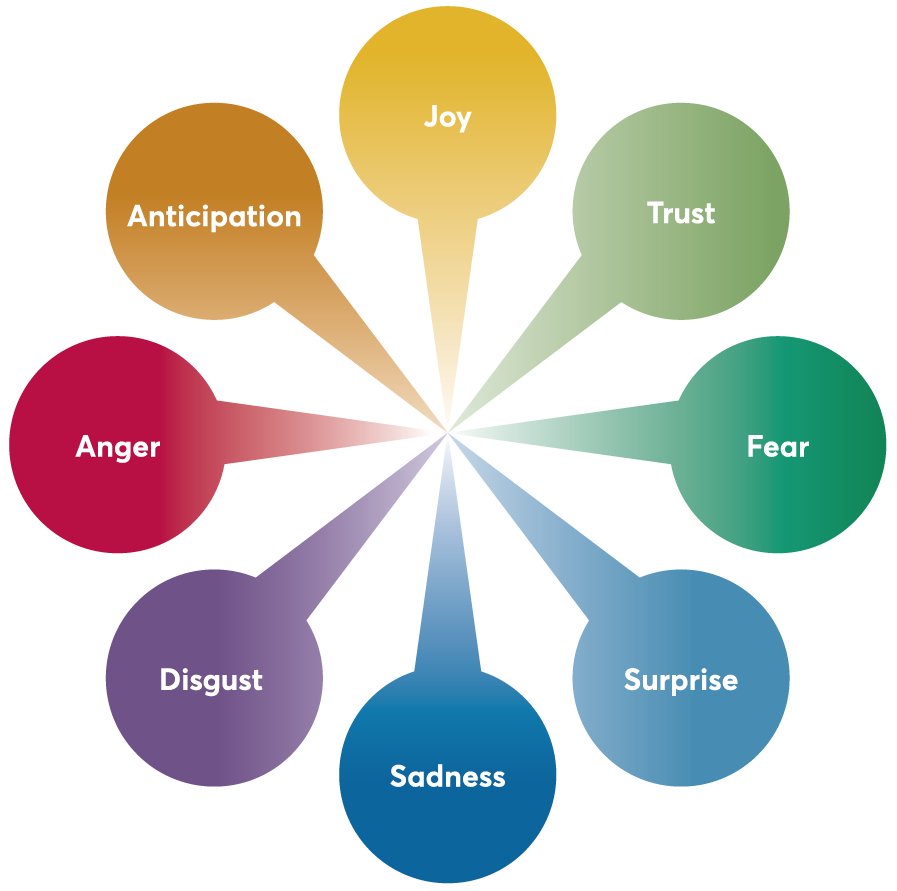
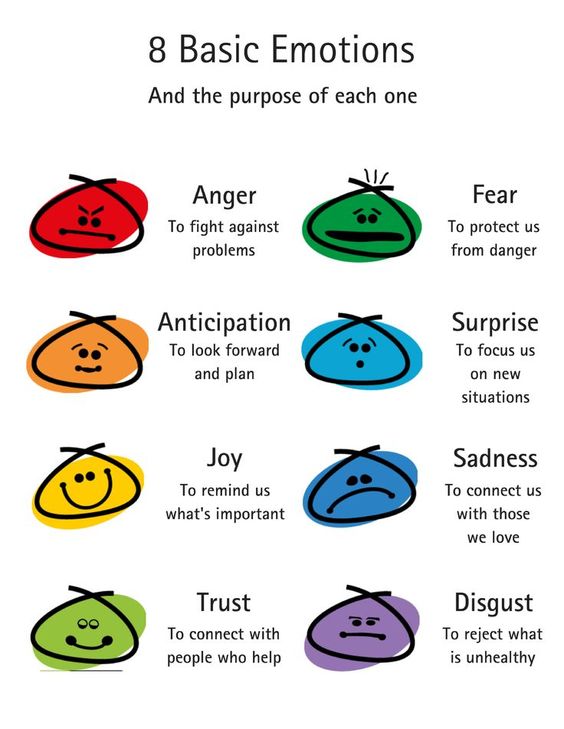
Our brains are not purely logical machines; they are products of evolutionary history, designed for survival. Fear, for instance, is a primal emotion vital for self-preservation, signaling danger and prompting us to flee or fight. In a financial context, this translates into anxieties about losing money, leading to overly conservative investment strategies or panic selling during market volatility. Conversely, greed, the insatiable desire for more, can drive us to take excessive risks, chase speculative assets, or fall prey to get-rich-quick schemes. Other emotions like envy (seeing others’ financial success), pride (sticking to a losing investment out of ego), or even joy (euphoria during a bull market) can all lead to deviations from sound financial principles. These primal drivers often bypass our rational minds, compelling us to act before we’ve had a chance to fully process information or consider long-term consequences.
The Brain’s Dual Systems: Fast vs. Slow Thinking
Nobel laureate Daniel Kahneman’s work illuminates how our brains operate through two distinct systems. System 1, or “fast thinking,” is intuitive, emotional, automatic, and prone to biases. It’s the system that makes quick judgments and snap decisions, often based on heuristics or mental shortcuts. System 2, or “slow thinking,” is deliberate, logical, effortful, and analytical. It’s the system we engage when solving complex problems or evaluating detailed information.
In finance, emotions often hijack System 1, leading to impulsive purchases, reactive investment decisions, or an inability to defer gratification. The immediate pleasure of buying something new (System 1) can easily override the long-term benefit of saving for retirement (System 2). Similarly, the immediate pain of a market dip can trigger a System 1 panic sale, even if System 2 analysis suggests holding strong. Recognizing these dual systems is the first step towards consciously engaging System 2 for critical financial decisions, allowing for more reasoned and less emotionally charged outcomes.
Navigating the Emotional Rollercoaster of Investing
Investing is inherently an emotional journey, replete with highs of gains and lows of losses. Successfully navigating this landscape requires not just market knowledge but a profound understanding of one’s own emotional responses.
Fear and Greed: The Market Movers
These two powerful emotions are the legendary drivers of market cycles. Greed typically dominates during bull markets, leading investors to become overly optimistic, take on more risk, and engage in “herding behavior” – following the crowd into popular stocks, often at inflated prices. This collective euphoria can create bubbles that eventually burst. When they do, fear takes over. During bear markets or corrections, fear prompts panic selling, causing prices to plummet further as investors rush to liquidate assets, often locking in substantial losses. The classic adage “buy low, sell high” is precisely a counter-emotional strategy: buying when fear is high and selling when greed is rampant. Few achieve this because it demands extraordinary emotional discipline to act against the prevailing sentiment.
Common Behavioral Biases in Investing
Emotions manifest as specific behavioral biases that distort our judgment.
-
Confirmation Bias: The tendency to seek out and interpret information that confirms our existing beliefs, ignoring contradictory evidence. If we’re bullish on a stock, we’ll actively seek articles praising it and dismiss any criticisms.
-
Overconfidence Bias: An exaggerated belief in one’s own abilities or judgment. This can lead to excessive trading, taking on too much risk, or failing to adequately diversify.
-
Loss Aversion: The psychological tendency to prefer avoiding losses over acquiring equivalent gains. The pain of losing $100 feels stronger than the pleasure of gaining $100. This often causes investors to hold onto losing investments too long (hoping they’ll recover) and sell winning investments too soon (to lock in gains and avoid potential loss).
-
Anchoring Bias: Over-relying on the first piece of information encountered when making decisions. An investor might anchor to a stock’s historical high price, believing it will inevitably return there, despite changing fundamentals.
-
Recency Bias: Placing too much emphasis on recent events, extrapolating them into the future. A strong year in the market leads to expectations of continued strong performance, while a bad year prompts predictions of ongoing doom.
Strategies to Mitigate Emotional Pitfalls
Combating these biases and emotions requires a proactive approach.
-
Establish a Financial Plan: A well-defined investment plan with clear goals, risk tolerance, and asset allocation acts as an anchor during turbulent times, providing a rational roadmap to follow.
-
Automate Investments: Setting up automated contributions to investment accounts removes the emotional decision-making from regular saving.
-
Diversify: Spreading investments across different asset classes, industries, and geographies reduces the emotional impact of any single investment’s poor performance.
-
Rebalance Regularly: Periodically adjusting your portfolio back to its target asset allocation (e.g., selling some winners and buying more losers) forces you to “buy low and sell high” systematically, independent of market emotions.
-
Educate Yourself: Understanding behavioral finance and common biases helps you recognize when your emotions might be leading you astray.
-
Seek Objective Advice: A financial advisor can provide an unbiased perspective, acting as an emotional buffer and helping you stick to your plan, especially during market volatility.
Emotions in Daily Financial Habits: Spending, Saving, and Debt
Beyond the complexities of investing, emotions play a dominant role in our everyday financial habits, shaping how we spend, how diligently we save, and how we cope with the burden of debt.
The Emotional Triggers of Impulsive Spending
Impulsive spending is often a direct consequence of unmanaged emotions. Retail therapy, for example, is a common response to sadness, stress, or boredom, offering a temporary dopamine hit that distracts from underlying emotional discomfort. The fear of missing out (FOMO) can drive us to make purchases we don’t need simply because our friends or peers have them. Marketing tactics are expertly designed to exploit these emotional vulnerabilities, creating a sense of urgency, desire, or belonging that bypasses rational consideration of value or necessity. The immediate gratification associated with spending often trumps the delayed gratification of saving, making it challenging for many to adhere to budgets or reach financial goals.
Finding Emotional Security in Saving
Conversely, saving is intimately linked to emotions like security, hope, and foresight. A robust emergency fund provides a profound sense of peace, mitigating the anxiety of unexpected expenses like job loss or medical emergencies. Saving for retirement evokes hope for a comfortable future and the freedom to pursue passions without financial constraint. The act of accumulating wealth can be intrinsically rewarding, fostering a sense of accomplishment and control. For many, financial independence is not just about money; it’s about the emotional freedom it grants – the ability to make choices based on desire rather than necessity. Cultivating these positive emotional associations with saving can be a powerful motivator, transforming a chore into a rewarding pursuit.
The Weight of Financial Stress and Debt
Few things trigger a more potent cocktail of negative emotions than financial stress and debt. The burden of owing money can lead to feelings of shame, guilt, anxiety, and helplessness. This stress can spill over into other areas of life, affecting relationships, health, and overall well-being. Chronic financial anxiety can impair cognitive function, making it even harder to make sound financial decisions, thus creating a vicious cycle. Understanding the emotional toll of debt is crucial, not just for practical repayment strategies, but for addressing the underlying emotional factors that may contribute to its accumulation and perpetuate its hold.
Cultivating Emotional Intelligence for Lasting Financial Wellness
Given the pervasive influence of emotions on our financial lives, developing emotional intelligence (EQ) in a financial context is paramount. Financial EQ is the capacity to be aware of, control, and express one’s emotions, and to handle interpersonal relationships judiciously and empathetically – specifically as they relate to money.
Recognizing and Understanding Your Financial Emotions
The first step to emotional mastery is self-awareness. This involves actively monitoring your emotional states before, during, and after financial decisions. Ask yourself:
-
What emotions am I feeling right now regarding this purchase/investment?
-
Am I feeling anxious, excited, fearful, or pressured?
-
What triggered this emotion? Is it rational, or a knee-jerk reaction?
-
How has this emotion influenced my past financial decisions?
Journaling about your financial thoughts and feelings can be an incredibly effective tool for identifying patterns and understanding your unique emotional triggers and responses.
Developing Emotional Regulation Techniques
Once you recognize your emotions, the next step is to manage them. This doesn’t mean suppressing feelings but rather learning to respond to them constructively.
-
Pause and Reflect: Before making significant financial decisions, especially those driven by strong emotions, implement a mandatory waiting period. A “24-hour rule” for purchases or a “sleep on it” approach for investments can provide crucial time for System 2 to engage.
-
Practice Mindfulness: Techniques like meditation can enhance self-awareness and help you observe your emotions without judgment, creating a mental space between feeling and reacting.
-
Seek Support: Discussing financial concerns with a trusted friend, family member, or professional can provide an external perspective and help diffuse intense emotions.
-
Focus on Process, Not Outcome: In investing, focus on sticking to your well-researched plan rather than obsessing over daily market fluctuations. This reduces the emotional swings tied to short-term results.
Building Resilient Financial Habits
Ultimately, emotional intelligence in finance leads to the development of resilient habits that withstand emotional storms. This includes consistent budgeting, disciplined saving, strategic investing, and a commitment to continuous financial education. By building these habits, you create a buffer against emotional impulses, ensuring that your financial actions are aligned with your long-term goals rather than short-term feelings. Financial wellness becomes less about avoiding emotions and more about understanding them, harnessing their positive aspects, and mitigating their destructive potential.
Integrating emotional awareness into your financial strategy is not a luxury but a necessity in today’s complex economic landscape. By understanding “what is an emotion” through the lens of our financial lives, we empower ourselves to make more informed choices, cultivate greater resilience, and ultimately, forge a path to lasting financial security and peace of mind.
aViewFromTheCave is a participant in the Amazon Services LLC Associates Program, an affiliate advertising program designed to provide a means for sites to earn advertising fees by advertising and linking to Amazon.com. Amazon, the Amazon logo, AmazonSupply, and the AmazonSupply logo are trademarks of Amazon.com, Inc. or its affiliates. As an Amazon Associate we earn affiliate commissions from qualifying purchases.