
Electroplating, at its core, is a sophisticated electrochemical process that leverages direct current electricity to deposit a thin layer of one metal onto another. This seemingly simple act of coating is a cornerstone of modern manufacturing, playing a vital role across a multitude of industries, from the intricate workings of electronics to the robust demands of automotive engineering. It’s a technology that enhances functionality, improves aesthetics, and extends the lifespan of countless products we interact with daily. Understanding the “what” of electroplating opens a window into the ingenuity that underpins many technological advancements.
The Fundamental Principles of Electroplating
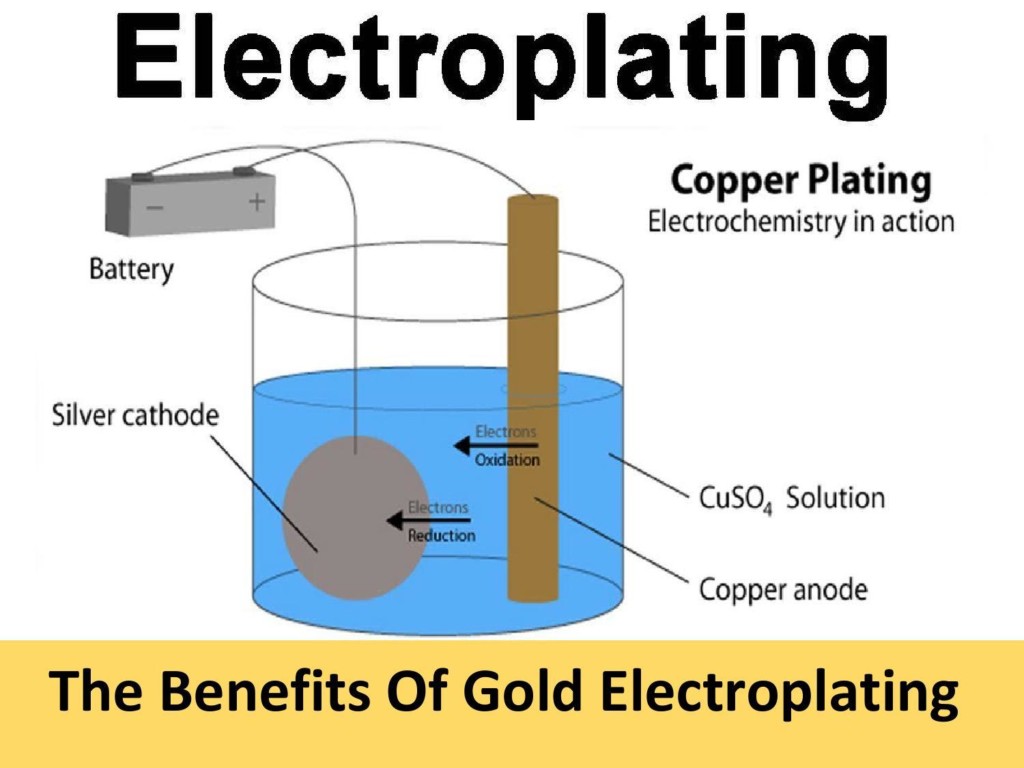
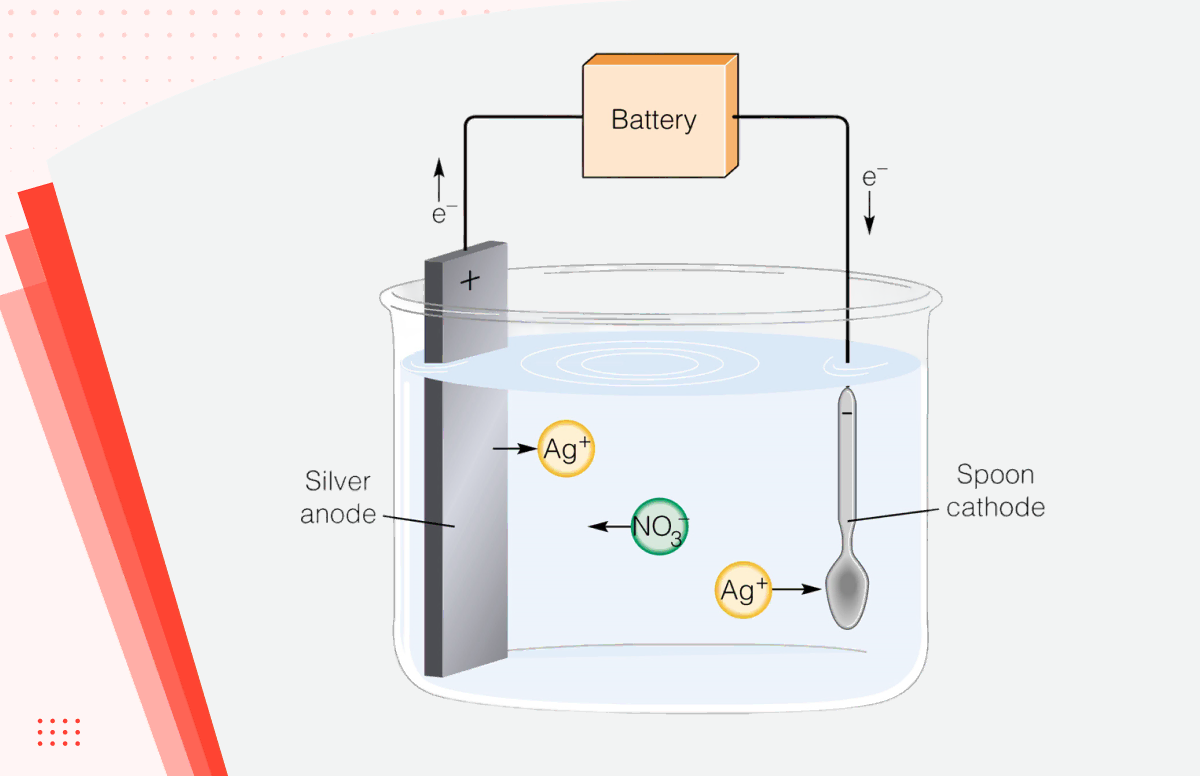
At its heart, electroplating is an application of Faraday’s laws of electrolysis, a set of principles that govern the relationship between electricity and chemical change. The process involves immersing an object – the cathode – into an electrolytic solution containing ions of the plating metal. A direct current is then passed through the solution, with a positively charged anode, typically made of the plating metal itself or an inert material. This electric current drives a chemical reaction, causing the metal ions in the solution to migrate towards and deposit onto the cathode, forming a uniform, adherent coating.
The Electrochemical Setup: Anode, Cathode, and Electrolyte
The success of any electroplating operation hinges on the precise interaction of its three fundamental components: the anode, the cathode, and the electrolyte.
The Cathode: The Object of Plating
The cathode is the object that will receive the metallic coating. In a typical electroplating setup, this is the item being submerged in the electrolyte and connected to the negative terminal of the power supply. The material of the cathode can vary widely, from base metals like steel, copper, or aluminum, to plastics or even ceramics that have been pre-treated to become conductive. The shape and surface preparation of the cathode are critical, as the deposited metal will conform precisely to the contours of the object. Any imperfections on the cathode’s surface, such as dirt, grease, or oxides, can lead to poor adhesion or an uneven plating layer. Therefore, thorough cleaning and surface preparation, often involving degreasing, pickling (acid treatment), and activation steps, are paramount before the plating process begins.
The Anode: The Source of Plating Material
The anode, connected to the positive terminal of the power supply, serves as the source of the metal ions that will be deposited onto the cathode. There are two main types of anodes used in electroplating:
- Soluble Anodes: These are typically made of the same metal as the one being plated. As the plating process occurs, the soluble anode dissolves into the electrolyte, replenishing the metal ions that are being deposited onto the cathode. This ensures a consistent concentration of plating metal in the solution, leading to a more stable and uniform plating thickness. For instance, when plating with copper, a copper anode is used.
- Insoluble Anodes: These anodes are made of materials that do not dissolve during the plating process, such as platinum, graphite, or certain stainless steels. With insoluble anodes, the metal ions in the electrolyte must be replenished periodically by adding plating metal salts to the solution. This method is often used when the anode material is significantly more expensive than the plating metal or when it’s undesirable for the anode to dissolve.
The choice between a soluble and insoluble anode depends on the specific plating metal, the desired plating characteristics, and economic considerations.
The Electrolyte: The Medium for Ion Migration
The electrolyte is a conductive solution that contains dissolved ions of the plating metal. This solution acts as the medium through which the metal ions travel from the anode to the cathode. The composition of the electrolyte is carefully controlled, often including not just the metal salts but also additives that influence the plating process. These additives can include:
- Conductivity Salts: These increase the electrical conductivity of the solution, allowing for better current flow.
- Buffering Agents: These help maintain a stable pH, which is crucial for consistent plating quality.
- Brighteners and Levelers: These organic compounds are added to control the appearance of the plated layer, promoting brightness, smoothness, and uniformity.
- Wetting Agents: These reduce the surface tension of the solution, preventing gas bubbles from adhering to the cathode surface and causing plating defects.
The type of electrolyte used is highly specific to the metal being plated. For example, acid copper plating solutions, cyanide copper baths, and alkaline non-cyanide copper baths all have distinct compositions and are suited for different applications and base materials.
The Role of Electric Current and Voltage
The direct current (DC) supplied to the electroplating cell is the driving force behind the entire process. The magnitude of the current, measured in amperes, directly influences the rate at which metal is deposited. Higher current densities generally lead to faster plating rates, but excessively high current can result in porous or uneven coatings. The voltage, measured in volts, is the electrical potential difference between the anode and the cathode. It’s sufficient to overcome the electrical resistance of the electrolyte and drive the desired electrochemical reactions.
The current density, defined as the current per unit surface area of the cathode, is a critical parameter. It dictates the rate of metal deposition and influences the properties of the plated layer, such as its thickness, hardness, and ductility. Proper control of current density ensures that the plating is uniform across the entire surface of the cathode, even on complex geometries.
Applications of Electroplating in Technology
Electroplating is not merely a method of applying a metallic sheen; it’s a fundamental technology that imbues materials with enhanced properties, making them suitable for demanding applications across various technological sectors. The ability to precisely control the type of metal deposited and its thickness allows for tailored solutions that address specific functional requirements.
Enhancing Electrical Conductivity and Corrosion Resistance in Electronics
In the realm of electronics, electroplating is indispensable. The intricate pathways on printed circuit boards (PCBs) often require gold or tin plating. Gold plating, due to its exceptional conductivity and resistance to oxidation, is used for critical contact points, ensuring reliable signal transmission and longevity in connectors, switches, and integrated circuits. Tin plating, on the other hand, is widely employed for solderability and corrosion protection on copper traces and component leads. The ability to plate thin, uniform layers of these precious metals is crucial for miniaturization and the high performance expected from modern electronic devices.
Beyond conductivity, electroplating is vital for imparting corrosion resistance. Many electronic components are housed in metallic casings or utilize metallic connectors that are susceptible to environmental degradation. Plating these components with corrosion-resistant metals like nickel, chromium, or even zinc can significantly extend their operational life, preventing failures caused by rust or oxidation. This is particularly important for devices used in harsh or humid environments.
Improving Durability and Aesthetics in Automotive and Aerospace
The automotive and aerospace industries rely heavily on electroplating to enhance the durability, performance, and appearance of critical components. Engine parts, fasteners, and brake components are often plated with chromium, nickel, or zinc to provide superior wear resistance, hardness, and protection against corrosion. For instance, hard chromium plating on engine cylinders and pistons reduces friction and wear, leading to improved fuel efficiency and extended engine life.
In aerospace, where safety and reliability are paramount, electroplating plays a crucial role in protecting components from extreme temperatures, corrosive environments, and mechanical stress. Plating critical aircraft parts with materials like cadmium or nickel can provide sacrificial corrosion protection and enhance the fatigue strength of high-stress components. Furthermore, the aesthetic appeal of vehicles is often enhanced through electroplating processes like chrome plating on trim, wheels, and grilles, adding a polished and durable finish.
Functional Coatings for Tools and Machinery
The tools and machinery that power our industries benefit immensely from electroplating. Cutting tools, for example, can be coated with hard metals like tungsten carbide or titanium nitride to increase their hardness and wear resistance, allowing them to cut through tougher materials more efficiently and last longer. This translates directly into reduced downtime and increased productivity in manufacturing settings.
Similarly, machine parts subjected to high friction or wear can be electroplated to improve their performance and lifespan. Bearings, gears, and hydraulic components often receive specialized plating treatments to reduce wear, prevent seizing, and operate smoothly under demanding conditions. The precise control offered by electroplating allows for the application of coatings that are tailored to the specific operational demands of each piece of machinery.
Advanced Techniques and Future Trends in Electroplating
The field of electroplating is continuously evolving, driven by the demand for higher precision, improved environmental sustainability, and the development of novel materials. Researchers and engineers are exploring new methods and materials to push the boundaries of what’s possible.
Electroless Plating: A Non-Electrical Alternative
While traditional electroplating relies on an external electrical current, electroless plating offers an alternative method that achieves deposition through a chemical reduction process. In electroless plating, the plating metal ions are reduced and deposited onto the substrate without the need for an external power source. This is achieved by incorporating a reducing agent into the plating bath, which chemically drives the deposition.
Electroless plating is particularly advantageous for plating complex shapes and internal surfaces where uniform current distribution in electroplating might be challenging. It also allows for the plating of non-conductive materials after they have been suitably activated. Common electroless plating applications include nickel-phosphorus alloys (often referred to as EN plating), which offer excellent corrosion resistance, hardness, and lubricity, finding use in areas like oil and gas exploration equipment, semiconductor manufacturing, and even cookware.
Nanotechnology and Composite Electroplating
The integration of nanotechnology is opening new frontiers in electroplating. Nanoparticles, such as diamond, silicon carbide, or graphene, can be dispersed within the plating bath. As the plating process occurs, these nanoparticles are co-deposited along with the plating metal, creating composite coatings with significantly enhanced properties.
These nano-composite electroplated layers can exhibit superior hardness, wear resistance, and reduced friction compared to their monolithic metal counterparts. For example, a nickel-diamond composite coating could offer exceptional durability for demanding industrial applications. This approach allows for the creation of materials with tailored microstructures and functionalities, paving the way for next-generation coatings with unprecedented performance characteristics.
Environmental Considerations and Sustainable Electroplating
Historically, some electroplating processes have raised environmental concerns due to the use of hazardous chemicals, such as cyanide-based baths. However, significant advancements have been made in developing more environmentally friendly electroplating technologies. The industry is actively moving towards:
- Water-based and biodegradable solutions: Research is ongoing to develop plating baths that utilize less toxic and more biodegradable components.
- Closed-loop systems: Implementing closed-loop systems for wastewater treatment and metal recovery minimizes the discharge of pollutants.
- Alternative plating chemistries: The development of cyanide-free and acid-free plating baths is a major focus, offering safer alternatives without compromising performance.
- Energy efficiency: Optimizing plating parameters and exploring new electrochemical techniques to reduce energy consumption during the process.
These efforts underscore a commitment to sustainable manufacturing practices, ensuring that the benefits of electroplating can be realized with minimal environmental impact. The future of electroplating is undoubtedly intertwined with its ability to adapt and innovate in the pursuit of both technological advancement and environmental responsibility.
aViewFromTheCave is a participant in the Amazon Services LLC Associates Program, an affiliate advertising program designed to provide a means for sites to earn advertising fees by advertising and linking to Amazon.com. Amazon, the Amazon logo, AmazonSupply, and the AmazonSupply logo are trademarks of Amazon.com, Inc. or its affiliates. As an Amazon Associate we earn affiliate commissions from qualifying purchases.