
The electrocardiogram, or ECG (sometimes referred to as EKG, from the German term “Elektrokardiogramm”), is a cornerstone diagnostic tool in modern medicine. Beyond its critical healthcare applications, understanding the ECG offers fascinating insights into technological innovation, the branding of medical devices, and even its surprising intersection with personal finance and business. This article will delve into what an ECG is, explore its technological underpinnings, discuss how it’s branded and marketed, and touch upon its financial implications, all through the lens of the topics central to our platform: Tech, Brand, and Money.
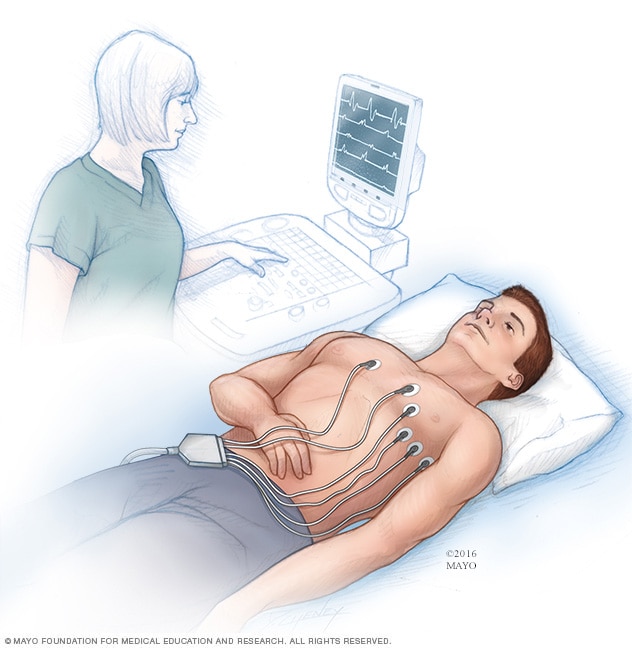
The Heart’s Electrical Symphony: Understanding the ECG
At its core, an electrocardiogram is a non-invasive medical test that records the electrical activity of the heart over a period of time. Our heart is a remarkable muscle that functions through a complex system of electrical impulses. These impulses cause the heart to contract and pump blood throughout the body. An ECG captures these electrical signals as waves and lines on a graph, providing invaluable information about the heart’s rhythm, rate, and overall electrical health.
How Does an ECG Work? The Technological Heartbeat
The technology behind an ECG is elegant in its simplicity yet profound in its impact. Electrodes, which are small, sticky patches, are attached to the skin of the chest, arms, and legs. These electrodes are connected by wires to a machine that amplifies and records the faint electrical signals generated by the heart.
-
The Role of Electrodes: These conductive pads are crucial for picking up the electrical activity. They act as tiny antennas, capturing the minute voltage changes that occur with each heartbeat. The placement of these electrodes is standardized to ensure consistent and comparable readings. Typically, 10 electrodes are used to create 12 different “views” or leads of the heart’s electrical activity. This multi-lead approach provides a comprehensive, three-dimensional understanding of the heart’s electrical pathways.
-
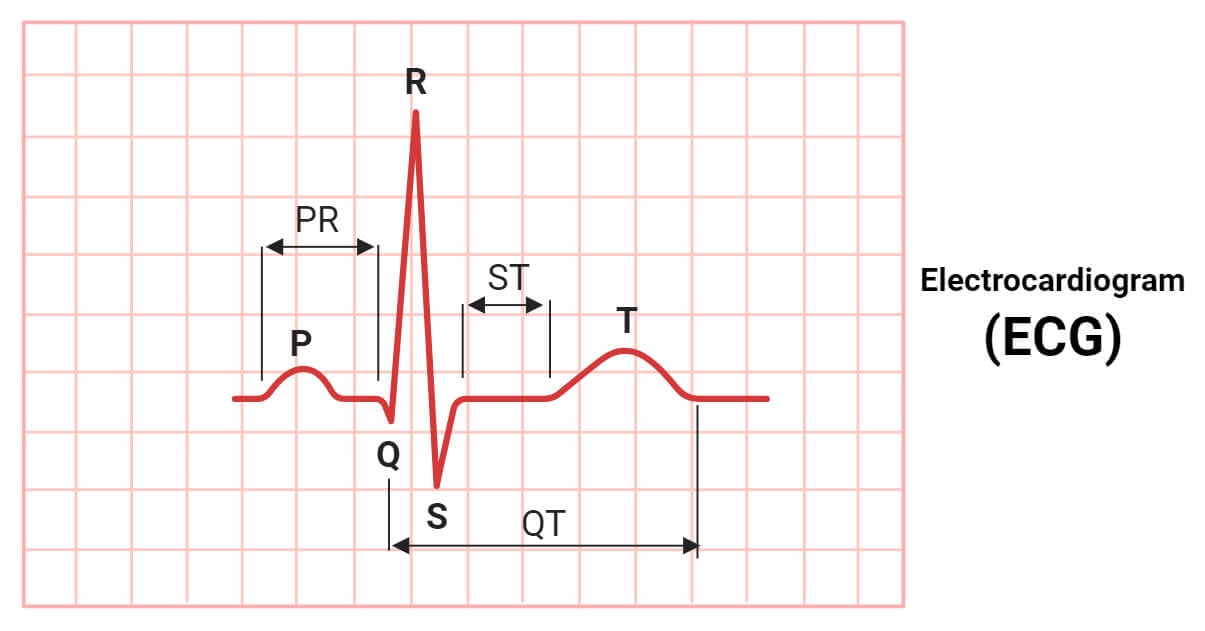
The ECG Machine: From Signals to Data: The ECG machine, often referred to as an electrocardiograph, performs several key functions. It amplifies the weak electrical signals, filters out any extraneous noise (like muscle tremors or external interference), and then translates these signals into a visual representation. This representation is a series of waveforms, each corresponding to a specific electrical event within the heart’s cycle:
- P Wave: Represents atrial depolarization (the contraction of the upper chambers of the heart).
- QRS Complex: Represents ventricular depolarization (the contraction of the lower chambers, which pumps blood to the rest of the body). This is usually the most prominent part of the ECG.
- T Wave: Represents ventricular repolarization (the recovery of the lower chambers before the next beat).
-
Digitalization and AI in ECG Analysis: In today’s tech-driven world, ECG technology has undergone significant advancements. Modern ECG machines are often digital, capable of storing, transmitting, and analyzing data with greater precision. This has paved the way for the integration of Artificial Intelligence (AI) and machine learning algorithms. AI can now be used to:
- Automate Interpretation: AI can assist cardiologists by flagging potential abnormalities and suggesting diagnoses, speeding up the analysis process.
- Detect Subtle Patterns: Machine learning models can identify subtle patterns in ECG data that might be missed by the human eye, leading to earlier detection of conditions like atrial fibrillation or even early signs of heart disease.
- Remote Monitoring: Wearable ECG devices and smartphone apps, powered by advanced software, allow for continuous or on-demand heart monitoring outside of a clinical setting, democratizing access to cardiac health data.
Branding the Heartbeat: Marketing and Perception of ECG Technology
The technology behind the ECG is complex, but its ultimate purpose is to provide clear, actionable health information. This is where the principles of Brand and Marketing become vital. How is this life-saving technology perceived by patients, healthcare providers, and the wider public?
Building Trust and Reliability: The Brand Identity of Medical Devices
For medical devices like ECG machines, the brand identity is intrinsically linked to trust, reliability, and clinical efficacy. Manufacturers invest heavily in building a reputation for accuracy and safety.
- Key Elements of Brand Strategy:
- Clinical Validation: Extensive research, clinical trials, and regulatory approvals (like FDA clearance) are paramount. A brand that can point to robust scientific backing immediately gains credibility.
- User Experience (UX) and User Interface (UI): For both healthcare professionals operating the machines and patients interacting with portable devices, ease of use is crucial. Intuitive interfaces and clear outputs contribute to a positive brand perception.
- Durability and Longevity: In a clinical setting, medical equipment needs to be robust and reliable. Brands that offer durable machines with good service and support build loyalty.
- Innovation and Future-Forward Design: While reliability is key, brands also need to demonstrate an understanding of evolving healthcare needs. Incorporating the latest technological advancements, like AI-powered analysis or seamless integration with electronic health records (EHRs), positions a brand as forward-thinking.
Marketing the ECG: From Hospitals to Home Users
The marketing of ECG technology varies significantly depending on the target audience.
-
Business-to-Business (B2B) Marketing: For hospitals, clinics, and diagnostic centers, marketing efforts focus on:
- Cost-Effectiveness and ROI: Demonstrating how the technology can improve patient outcomes while potentially reducing long-term healthcare costs.
- Integration and Workflow Efficiency: Highlighting how the ECG system can seamlessly integrate with existing hospital IT infrastructure and streamline diagnostic workflows.
- Technical Support and Training: Offering comprehensive training and reliable technical support is a significant selling point.
- Case Studies: Showcasing successful implementations in other healthcare institutions can be very persuasive.
-
Direct-to-Consumer (DTC) Marketing (Wearables and Apps): The rise of wearable technology and health apps has brought ECG monitoring into the hands of consumers.
- Empowerment and Proactive Health: Marketing often focuses on empowering individuals to take control of their heart health, enabling early detection and peace of mind.
- Simplicity and Accessibility: Emphasizing how easy it is to take an ECG reading and interpret the results (often with app-based guidance).
- Lifestyle Integration: Positioning ECG devices as seamless additions to a healthy lifestyle, alongside fitness trackers and smartwatches.
- Personal Branding of Health: Individuals can use the data from these devices to build a personal brand around their commitment to wellness.
The Financial Pulse: Money Matters in ECG Technology
The ECG, from its development and manufacturing to its accessibility and affordability, has significant implications within the realm of Money.
The Business of Heart Health: Manufacturing, Sales, and Investment
The ECG market is a substantial segment of the global medical device industry.
- Research and Development Costs: Developing new and improved ECG technology, especially with integrated AI, requires significant investment in R&D. This includes engineering, software development, and clinical validation.
- Manufacturing and Supply Chain: Producing ECG machines and their components involves complex manufacturing processes and a global supply chain. Efficiency and quality control are critical for profitability.
- Sales and Distribution Channels: Medical device companies employ dedicated sales teams to reach healthcare institutions. For consumer devices, online marketplaces, retail partnerships, and direct-to-consumer sales are crucial.
- Investment and Funding: Companies in this sector attract investment from venture capitalists, private equity firms, and public markets. Strong growth potential, driven by an aging global population and increasing awareness of cardiovascular health, makes it an attractive investment area.
Personal Finance and Healthcare Costs: Affordability and Accessibility
For individuals, the cost of ECGs can range from relatively inexpensive for basic home monitoring devices to substantial for advanced clinical systems.
- Insurance Coverage: In most developed countries, ECGs performed in clinical settings are typically covered by health insurance, significantly reducing out-of-pocket expenses for patients.
- Out-of-Pocket Expenses: For individuals without comprehensive insurance or for those opting for consumer-grade devices, the cost can be a factor. This is where the concept of “financial tools” for managing health expenses becomes relevant.
- Preventative Care and Long-Term Savings: While an ECG has an upfront cost, its ability to detect serious conditions early can lead to significant long-term financial savings by preventing costly emergency treatments and chronic disease management. This highlights the ROI of investing in preventative health.
- Online Income and Side Hustles: While not directly generating online income, understanding the ECG market can inform entrepreneurial ventures. For example, developing user-friendly apps for interpreting ECG data, providing remote ECG monitoring services, or even creating educational content about heart health could represent potential side hustle or business opportunities.

The Financial Implications of a Healthy Heart
Ultimately, a healthy heart is a financial asset. Regular monitoring with tools like ECGs can contribute to a longer, healthier life, allowing individuals to remain productive and enjoy their financial well-being. The technology, branding, and financial accessibility of ECGs all play a role in ensuring that this vital diagnostic tool contributes positively to both individual and public health, impacting our lives in more ways than just the electrical signals of our heart.
aViewFromTheCave is a participant in the Amazon Services LLC Associates Program, an affiliate advertising program designed to provide a means for sites to earn advertising fees by advertising and linking to Amazon.com. Amazon, the Amazon logo, AmazonSupply, and the AmazonSupply logo are trademarks of Amazon.com, Inc. or its affiliates. As an Amazon Associate we earn affiliate commissions from qualifying purchases.