
In the complex landscape of business operations, compliance often sits at the intersection of legal mandate and strategic financial management. Among the myriad reporting requirements faced by employers, the EEO-1 Report stands out as a critical, federally mandated annual survey that collects workforce demographic data. For businesses operating in the U.S., understanding and accurately filing the EEO-1 Report is not merely a bureaucratic chore; it is an essential component of financial risk management, strategic human capital planning, and maintaining a robust corporate reputation. Within the realm of business finance, failing to adhere to EEO-1 reporting requirements can lead to significant monetary penalties, costly litigation, and jeopardize lucrative government contracts, directly impacting a company’s bottom line and long-term financial stability.
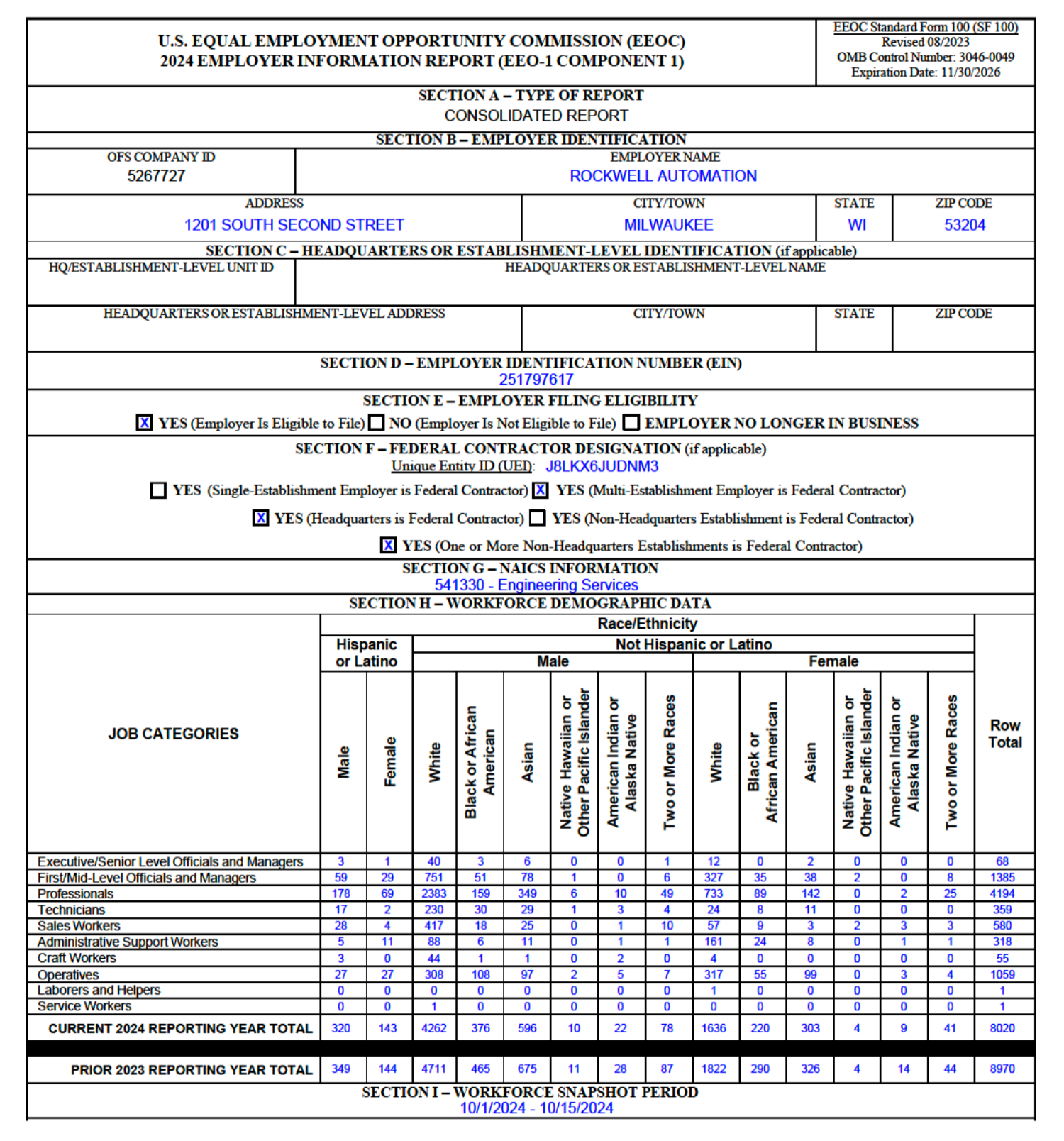
The Core Purpose and Mandate of the EEO-1 Report
At its heart, the EEO-1 Report serves as a vital tool for the U.S. government to monitor equal employment opportunity across various industries. Administered by the Equal Employment Opportunity Commission (EEOC), in conjunction with the Department of Labor’s Office of Federal Contract Compliance Programs (OFCCP), this report provides critical data insights into the composition of the American workforce. Its existence is rooted in the Civil Rights Act of 1964, aiming to identify and address potential discriminatory practices in employment.
A Cornerstone of Equal Employment Opportunity
The primary goal of the EEO-1 Report is to provide a comprehensive statistical snapshot of employers’ workforces by race/ethnicity, sex, and job category. This aggregated data allows the EEOC to identify trends in employment and monitor progress toward equal employment opportunity. For businesses, participating in this process is a demonstration of their commitment to fair hiring and employment practices. From a financial perspective, operating a business that actively promotes equal opportunity can lead to reduced legal risks associated with discrimination claims, fostering a more stable and predictable financial environment. It also contributes to a positive public image, which can indirectly enhance market value and investor confidence.
Who Needs to File? Understanding the Filing Thresholds
Not all employers are required to file an EEO-1 Report. Specific thresholds determine eligibility, primarily based on employee count and federal contractor status:
- Private employers with 100 or more employees nationwide, excluding state and local governments, public elementary and secondary school systems, institutions of higher education, and American Indian or Alaska Native tribes.
- Federal contractors or first-tier subcontractors with 50 or more employees and a federal contract or subcontract amounting to $50,000 or more. This includes financial institutions that serve as depositories of government funds or are issuing and paying agents for U.S. Savings Bonds and Savings Notes.
These criteria mean that a significant portion of mid-sized to large businesses and federal contractors must dedicate resources to EEO-1 compliance. For these entities, factoring in the cost of data collection, analysis, and submission is a necessary part of their annual operational budget and compliance expenditure, making it a direct concern for business finance departments.
What Data is Collected? Demographics and Job Categories
The EEO-1 Report requires employers to categorize their workforce into specific groups. This involves reporting the number of employees by:
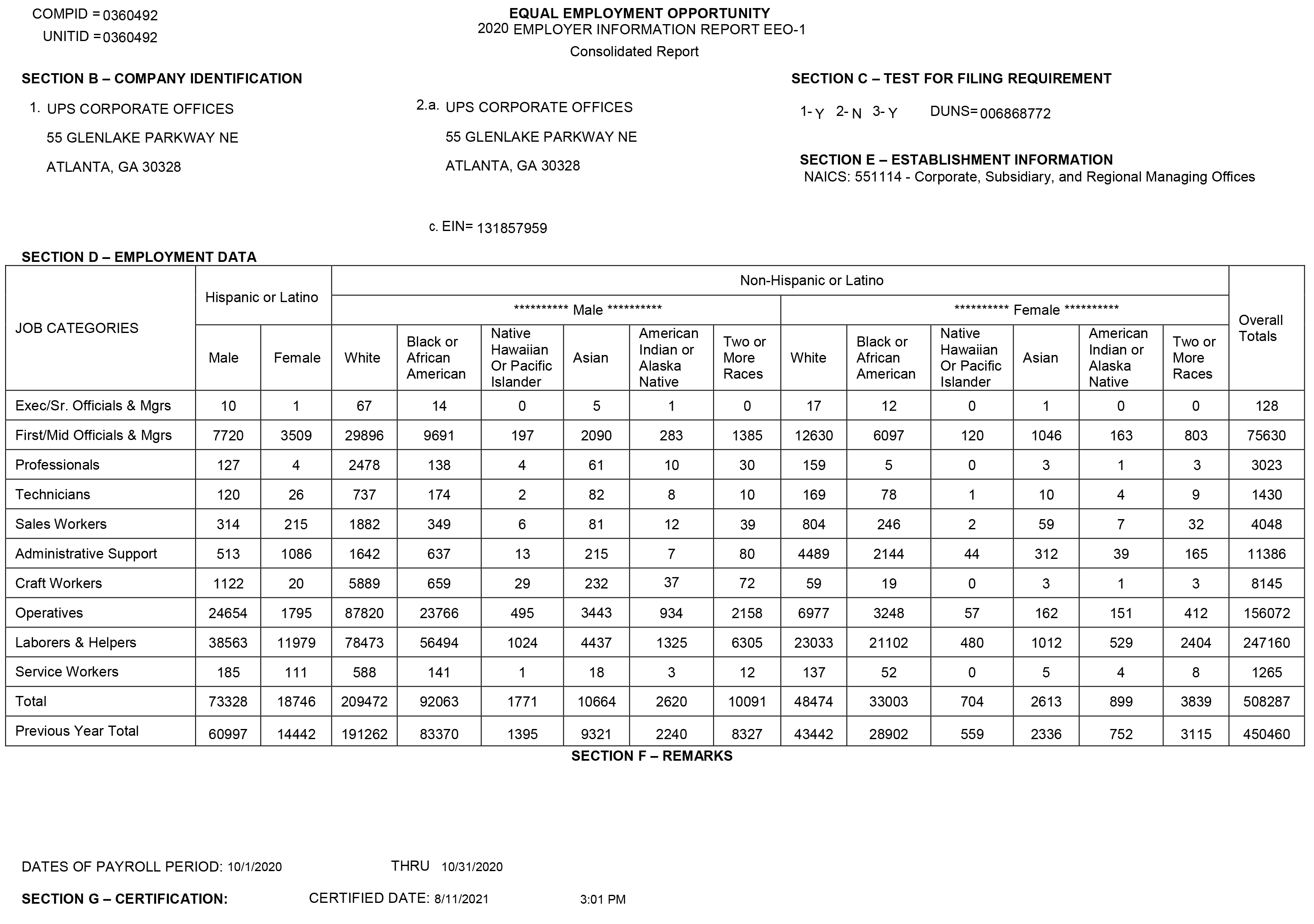
- Job Category: This includes 10 broad categories such as Executive/Senior Level Officials and Managers, First/Mid-Level Officials and Managers, Professionals, Technicians, Sales Workers, Administrative Support Workers, Craft Workers, Operatives, Laborers and Helpers, and Service Workers.
- Race/Ethnicity: Employees are classified into seven groups: Hispanic or Latino, White, Black or African American, Native Hawaiian or Other Pacific Islander, Asian, American Indian or Alaska Native, and Two or More Races.
- Sex: Male and Female.
This granular level of data collection provides a detailed picture of workforce diversity across an organization. From a business finance perspective, understanding these internal demographics can be invaluable. It can help identify areas where diversity initiatives might be lacking, which, if left unaddressed, could lead to costly talent gaps or legal challenges. Furthermore, a diverse workforce has been linked to increased innovation and financial performance, offering a tangible return on investment for companies that strategically manage their human capital.
The Strategic Importance of EEO-1 for Business Finance and Operations
Beyond mere compliance, the EEO-1 Report holds significant strategic importance for a company’s financial health and operational efficacy. It is a tool that, when properly leveraged, can inform critical business decisions, mitigate risks, and even open new avenues for growth.
Mitigating Financial Risks: Penalties and Litigation
Non-compliance with EEO-1 reporting requirements carries substantial financial risks. The EEOC has the authority to issue monetary penalties for failure to file, late filing, or submitting inaccurate data. These penalties can accumulate, particularly for repeat offenders. More significantly, non-compliance can trigger investigations by the EEOC or OFCCP, potentially leading to costly audits and, in severe cases, litigation. Legal fees, settlements, and court-ordered damages can be astronomical, severely impacting a company’s financial standing and profitability. Beyond direct costs, the reputational damage associated with non-compliance or findings of discrimination can erode customer trust, deter investors, and make it difficult to attract top talent – all of which have long-term financial consequences. Proactive EEO-1 compliance is thus a fundamental component of enterprise risk management.
Informing Workforce Planning and Diversity Initiatives
The data collected for EEO-1 reports is a rich resource for internal analysis. Businesses can use this data to:
- Identify gaps in diversity: Pinpoint specific job categories or levels where certain demographic groups are underrepresented.
- Evaluate recruitment strategies: Assess whether hiring practices are effectively attracting a diverse pool of candidates.
- Measure progress of diversity and inclusion initiatives: Track changes in workforce demographics over time, providing empirical evidence of program effectiveness.
- Optimize talent management: Develop targeted programs for professional development, mentorship, and promotion to foster a more inclusive workplace.
For the finance department, understanding the demographic makeup of the workforce through EEO-1 data can inform budget allocations for D&I programs, recruitment drives, and training initiatives. Investing in a diverse and inclusive workforce has been shown to improve employee engagement, reduce turnover (saving recruitment costs), and enhance innovation, all contributing positively to a company’s financial performance.
Impact on Government Contracts and Business Opportunities
For federal contractors, EEO-1 compliance is not merely an option; it is a prerequisite for securing and maintaining government contracts. The OFCCP reviews the employment practices of federal contractors to ensure they meet their affirmative action and non-discrimination obligations. Failure to file EEO-1 reports or demonstrating patterns of discrimination can lead to the termination of existing contracts, debarment from future contracts, or severe financial penalties. Given that government contracts often represent significant revenue streams for many businesses, maintaining impeccable EEO-1 compliance is a critical financial and operational imperative. Losing access to federal contracts can have a devastating impact on a company’s revenue, market share, and long-term viability.
The EEO-1 Reporting Process: A Compliance Overview
Navigating the EEO-1 reporting process requires careful planning, meticulous data collection, and adherence to specific deadlines. An organized approach is key to ensuring accuracy and avoiding compliance pitfalls.
Key Reporting Deadlines and Submission Methods
The EEO-1 Report is typically an annual filing requirement, though the specific submission period can vary slightly year to year. Employers are usually required to submit their data by a deadline in the fall, based on a workforce snapshot from a specific pay period during the preceding July, August, or September.
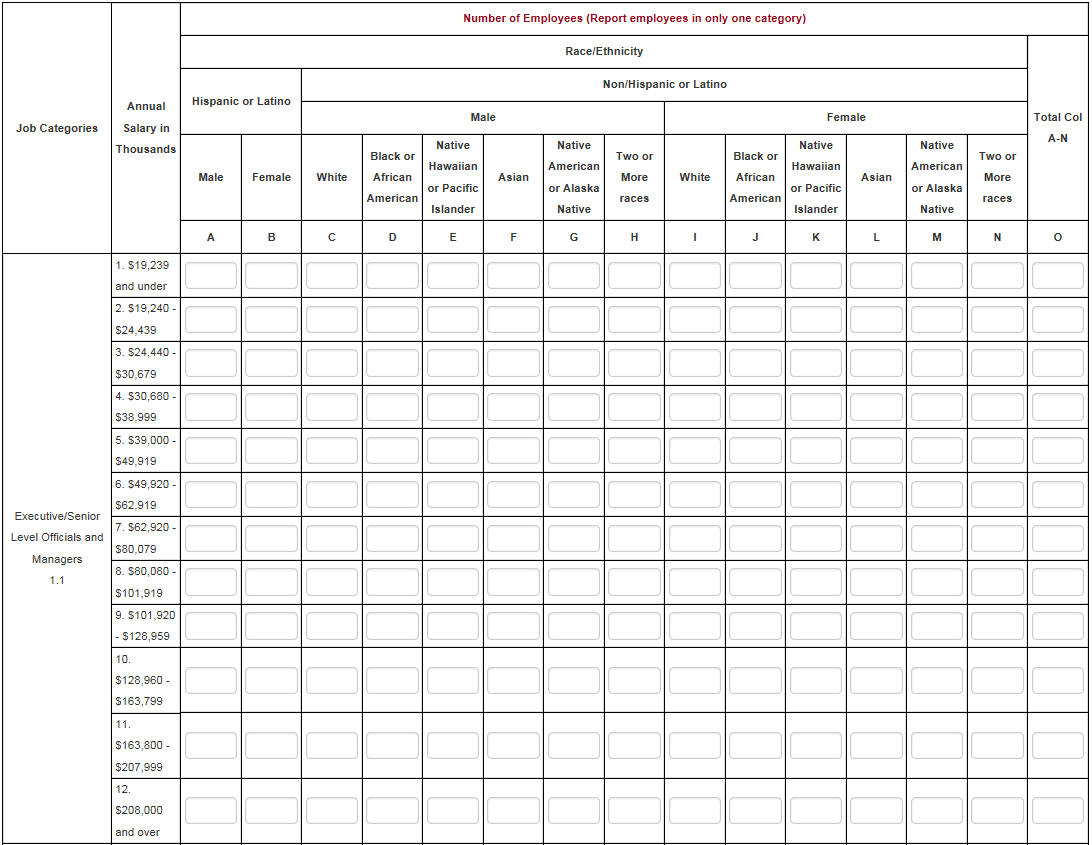
- Online Portal: The EEOC provides an online EEO-1 Component 1 Data Collection System through which employers submit their reports. This system is designed to streamline the submission process.
- Data Format: Employers with fewer than 5,000 employees typically enter data manually into the online form. Larger employers (5,000+ employees) or those with multiple establishments often submit data via a data upload file (e.g., CSV or XML), requiring careful formatting and validation.
Missing deadlines or improper submission can lead to requests for re-filing, potential investigations, and financial penalties. Therefore, finance and HR departments must collaborate closely to ensure timely and accurate submissions, often integrating EEO-1 reporting into their annual compliance calendar.
Data Collection and Aggregation Best Practices
Accurate data is the bedrock of a compliant EEO-1 Report. Businesses should implement robust internal processes for data collection:
- HRIS Integration: Leveraging Human Resources Information Systems (HRIS) or payroll systems to automatically capture and categorize employee data by job title, department, sex, and race/ethnicity.
- Self-Identification: Encouraging employees to voluntarily self-identify their race/ethnicity and sex during onboarding or through periodic updates, while also providing clear instructions on how the data will be used and protected. For employees who decline to self-identify, employers are permitted to use observer identification.
- Job Category Mapping: Carefully mapping internal job titles to the 10 standardized EEO-1 job categories to ensure consistency and accuracy. This often requires careful review by HR professionals familiar with both the company’s organizational structure and EEO-1 guidelines.
Investing in an HRIS that can efficiently extract and format EEO-1 data can significantly reduce manual effort, minimize errors, and improve the cost-effectiveness of compliance.
Ensuring Data Accuracy and Confidentiality
The integrity of EEO-1 data is paramount. Inaccurate reporting can lead to regulatory scrutiny, questions about an employer’s commitment to equal opportunity, and potential investigations. Employers must:
- Verify Data: Implement validation checks to ensure that the data entered is consistent, complete, and free from errors. This includes checking employee counts, category assignments, and demographic breakdowns.
- Maintain Records: Keep accurate records supporting the EEO-1 data for a specified period (typically one year, though longer for federal contractors), in case of an audit or inquiry.
- Protect Confidentiality: Treat EEO-1 data, especially individual employee demographic information, with the highest level of confidentiality. This data is sensitive and subject to privacy regulations. Ensuring data security not only protects employees but also shields the company from potential data breach liabilities, which carry significant financial and reputational costs.
Leveraging EEO-1 Data Beyond Compliance: A Financial and Operational Asset
While primarily a compliance obligation, the EEO-1 Report can be transformed from a mere requirement into a powerful analytical tool. By proactively interpreting and acting upon the data, businesses can drive strategic financial and operational improvements.
Identifying Disparities and Driving Equitable Pay Practices
The demographic breakdown provided by the EEO-1 Report can be a starting point for deeper dives into pay equity. By analyzing pay structures within the reported job categories across different demographics, companies can:
- Detect potential pay disparities: Identify instances where individuals in similar roles, with similar qualifications and experience, are paid differently based on sex or race/ethnicity.
- Conduct pay equity audits: Use EEO-1 data as a basis for comprehensive pay equity analyses, which are crucial for uncovering and rectifying systemic biases.
- Mitigate financial risks of pay discrimination: Proactively addressing pay gaps can prevent costly lawsuits, improve employee morale and retention, and enhance the company’s employer brand. The financial implications of wage discrimination lawsuits are substantial, making pay equity a critical financial risk management issue.
Enhancing Brand Reputation and Attracting Talent
In an era where Corporate Social Responsibility (CSR) and Environmental, Social, and Governance (ESG) factors are increasingly important to investors, customers, and employees, an EEO-1 report that demonstrates a diverse and inclusive workforce can be a significant asset.
- ESG Reporting: Companies can use their EEO-1 data to support their ESG disclosures, demonstrating their commitment to social equity and responsible business practices. This can attract ESG-focused investors and improve access to capital.
- Employer Branding: A strong EEO-1 profile contributes to a positive employer brand, making the company more attractive to a diverse talent pool. This is a direct financial benefit, as diverse workforces are often more innovative, productive, and resilient, leading to better financial outcomes. Reduced recruitment costs and improved retention rates are also tangible financial gains.
Proactive Risk Management and Audit Preparedness
Treating EEO-1 reporting as an ongoing process rather than an annual scramble fosters a culture of proactive risk management.
- Continuous Monitoring: Regularly reviewing internal demographic data throughout the year helps identify potential issues before they become compliance problems.
- Audit Readiness: Maintaining organized, accurate, and easily retrievable records related to EEO-1 data and reporting processes ensures that the company is always prepared for an EEOC or OFCCP audit, minimizing disruption and potential penalties. This preparedness directly translates to financial savings by avoiding extensive legal and administrative costs associated with reactive investigations.
Future Trends and Evolution of EEO-1 Reporting
The landscape of EEO-1 reporting is not static. It evolves in response to societal changes, legal interpretations, and technological advancements. Staying abreast of these changes is crucial for ongoing financial and operational compliance.
Potential Changes and Expanded Data Requirements
Historically, there have been discussions and even temporary implementations of expanded data requirements, such as the “Component 2” data that collected summary pay and hours worked information. While Component 2 was ultimately discontinued, its brief existence highlights the EEOC’s interest in more granular data that could better illuminate pay disparities. Businesses should anticipate potential future expansions or modifications to EEO-1 reporting requirements, which might demand new data collection methodologies and systems. This foresight allows for proactive budgeting and system upgrades, preventing costly last-minute scrambles.
The Role of Technology in Streamlining Compliance
Technology plays an increasingly critical role in simplifying and enhancing EEO-1 compliance.
- HRIS and Payroll System Integration: Advanced HRIS platforms are now designed to automate much of the EEO-1 data aggregation and reporting process, reducing manual errors and saving significant time and labor costs.
- Specialized Compliance Software: Dedicated EEO-1 reporting software can guide businesses through the process, validate data, and ensure accurate submission, particularly for complex organizations with multiple establishments.
- Data Analytics Tools: Beyond mere reporting, sophisticated analytics tools can help businesses leverage their EEO-1 data for strategic insights, such as identifying recruitment biases or tracking diversity initiative ROI, contributing directly to better financial and operational decision-making.
Embracing these technological solutions can transform EEO-1 compliance from a burdensome administrative task into an efficient, value-adding process that supports a company’s financial health and strategic objectives.
In conclusion, the EEO-1 Report is far more than a simple regulatory checklist item. For businesses, especially those operating at scale or engaged with federal contracts, it represents a critical piece of their financial and operational infrastructure. Meticulous attention to EEO-1 compliance mitigates significant financial risks, including penalties and litigation. Moreover, the data derived from these reports serves as an invaluable asset for strategic workforce planning, fostering diversity and inclusion, enhancing brand reputation, and ultimately driving long-term financial success. By integrating EEO-1 reporting into a broader strategy of proactive risk management and human capital development, companies can transform a mandatory obligation into a powerful tool for sustainable growth and profitability.
aViewFromTheCave is a participant in the Amazon Services LLC Associates Program, an affiliate advertising program designed to provide a means for sites to earn advertising fees by advertising and linking to Amazon.com. Amazon, the Amazon logo, AmazonSupply, and the AmazonSupply logo are trademarks of Amazon.com, Inc. or its affiliates. As an Amazon Associate we earn affiliate commissions from qualifying purchases.