
The concept of an “average interest rate on a mortgage” is one that homeowners, prospective buyers, and financial enthusiasts frequently encounter. It’s a figure often reported in financial news, discussed in real estate circles, and used as a benchmark for personal financial planning. However, while seemingly straightforward, the average interest rate is far more nuanced than a single, static number. It’s a dynamic indicator influenced by a complex interplay of global economic forces, national monetary policy, individual borrower profiles, and the specific terms of a loan. Understanding what constitutes this average, how it’s calculated, and, crucially, how to interpret it, is paramount for anyone navigating the mortgage market.
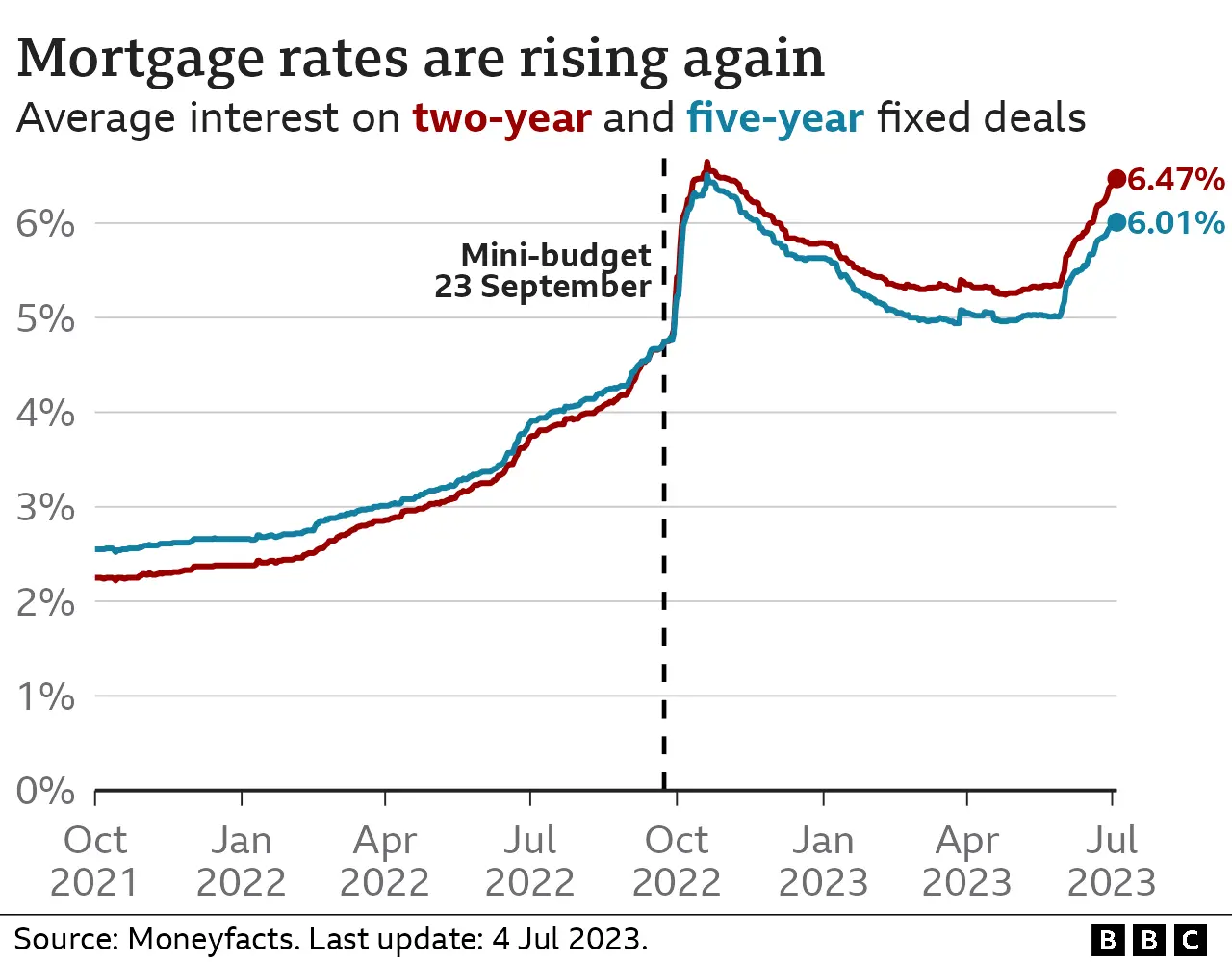
This article delves into the intricacies of mortgage interest rates, dissecting the factors that drive them, explaining how “averages” are derived, and offering insights into how you can position yourself to secure the most favorable rate possible. Whether you’re a first-time homebuyer, looking to refinance, or simply curious about the financial landscape, a comprehensive understanding of mortgage interest rates is an invaluable tool for making informed financial decisions.
Understanding Mortgage Interest Rates
To grasp the concept of an average interest rate, it’s essential first to understand what an interest rate fundamentally represents in the context of a mortgage. It’s not merely a fee; it’s the cost of borrowing money over time, expressed as a percentage of the principal amount.
What is an Interest Rate?
At its core, an interest rate on a mortgage is the compensation a lender receives for providing you with a loan. Think of it as the rent you pay to use someone else’s money. This rate is applied to the outstanding principal balance of your loan, and it largely determines the total cost of your mortgage over its lifetime, alongside the principal amount itself. A higher interest rate means a higher monthly payment and a greater total amount paid over the life of the loan, assuming all other factors remain constant. Conversely, a lower rate translates to reduced costs. Lenders charge interest to cover their own costs of funds (what they pay to borrow money or hold deposits), to compensate for the risk of lending, and to generate a profit.
Why “Average” Can Be Misleading
The term “average” can be deceptively simple. When financial news outlets report the average 30-year fixed-rate mortgage at, say, 7.00%, it doesn’t mean every applicant will qualify for that rate, or even that a majority will. This average is typically derived from surveys of various lenders, taking into account a range of rates offered to borrowers with varying credit profiles and loan-to-value ratios. It’s a benchmark, a point of reference that indicates the general trend and cost of borrowing in the market, rather than a guaranteed offer.
Individual rates can deviate significantly from the reported average due to a multitude of personalized and market-specific factors. A borrower with an excellent credit score, a substantial down payment, and a stable income might secure a rate well below the average, while someone with a less robust financial profile could be offered a rate considerably higher. Therefore, while useful for macroeconomic analysis and tracking market sentiment, relying solely on an average rate for personal planning without considering individual circumstances can lead to unrealistic expectations.
Key Components of an Interest Rate
A mortgage interest rate isn’t pulled out of thin air; it’s a composite of several elements:
- Risk Assessment: Lenders evaluate the risk associated with lending to a particular borrower. Factors like credit score, debt-to-income (DTI) ratio, and loan-to-value (LTV) ratio (the amount of the loan compared to the home’s value) all contribute to this assessment. A higher perceived risk often translates to a higher interest rate to compensate the lender for potential losses.
- Lender’s Profit Margin: Like any business, mortgage lenders operate to make a profit. A portion of the interest rate covers their operational costs, overhead, and desired profit margin. This component can vary between lenders based on their business models, efficiency, and competitive strategies.
- Cost of Funds: This is perhaps the most significant component. Lenders don’t just have an endless supply of money; they acquire funds from various sources, such as customer deposits, selling bonds, or borrowing from other financial institutions. The cost at which lenders obtain these funds directly impacts the interest rate they must charge their borrowers. This cost is heavily influenced by broader economic conditions and the Federal Reserve’s monetary policy.
- Loan Servicing Costs: The ongoing costs associated with managing a mortgage loan, including collecting payments, processing taxes and insurance (if escrowed), and handling customer service, are also factored into the overall rate.
Understanding these components helps demystify how interest rates are formulated and why they fluctuate, offering a clearer picture beyond just the headline “average.”
Factors Influencing Mortgage Interest Rates
Mortgage interest rates are highly sensitive to a broad range of economic signals and individual financial circumstances. They are never static, constantly adjusting in response to domestic and global developments. Recognizing these influencing factors is key to understanding market movements and personal eligibility.
Economic Indicators
The health and direction of the broader economy play a pivotal role in shaping mortgage rates. Lenders continuously monitor these indicators to gauge future risk and opportunity.
- Inflation: The rate at which prices for goods and services are rising impacts the purchasing power of money over time. When inflation is high, the value of fixed-income investments like bonds (which are closely tied to mortgage rates) erodes. To compensate for this loss of purchasing power, lenders demand higher interest rates to ensure a real return on their investment. The Federal Reserve often raises its benchmark interest rate to combat inflation, which in turn pushes up the cost of borrowing across the economy, including for mortgages.
- Federal Reserve Policy: While the Fed doesn’t directly set mortgage rates, its actions profoundly influence them. The Federal Funds Rate, which the Fed targets, affects short-term borrowing costs for banks. More indirectly, the Fed’s quantitative easing or tightening policies, such as buying or selling mortgage-backed securities (MBS) and Treasury bonds, directly impact the supply and demand for these securities, which in turn influences their yields and, consequently, mortgage rates. When the Fed buys MBS, it increases demand, lowering yields and rates; when it sells, it has the opposite effect.
- Bond Market Yields (Especially 10-Year Treasury): Mortgage rates tend to track the yield on the 10-year Treasury bond very closely. This is because mortgage-backed securities (MBS), which are a primary component of a lender’s portfolio, compete with Treasury bonds for investors’ money. If Treasury yields rise, MBS yields must also rise to remain attractive, pushing mortgage rates higher. Conversely, falling Treasury yields can lead to lower mortgage rates. Investors view the 10-year Treasury as a benchmark for long-term interest rates due to its perceived safety and liquidity.
- Economic Growth and Employment: A strong economy, characterized by robust GDP growth and low unemployment, generally indicates higher consumer confidence and demand for housing. However, strong growth can also lead to inflationary pressures, prompting the Fed to tighten monetary policy, which can push rates up. Conversely, an economic slowdown might lead to lower rates as the Fed attempts to stimulate activity.
Lender-Specific Factors
Beyond the broader economy, individual lenders have their own internal dynamics that can influence the rates they offer.
- Lender’s Overhead and Operational Costs: Banks and mortgage companies have varying operational efficiencies and overheads. Lenders with lower costs might be able to offer slightly more competitive rates while maintaining their profit margins.
- Competitive Landscape: The level of competition among lenders in a particular market can drive rates up or down. In a highly competitive environment, lenders might slightly reduce their rates to attract more borrowers. Conversely, in a less competitive market, they might have less incentive to offer the lowest rates.
- Risk Appetite: Different lenders have different appetites for risk. Some might be more willing to lend to borrowers with slightly weaker credit profiles, albeit at a higher interest rate, while others might stick to more stringent criteria, offering lower rates to a more qualified pool.
Borrower-Specific Factors
Perhaps the most tangible factors influencing an individual’s mortgage rate are those directly related to their financial health and the specifics of their loan application.
- Credit Score: This is arguably the most critical borrower-specific factor. A higher credit score (generally FICO scores above 740) signals to lenders that you are a responsible borrower with a history of timely payments, reducing their perceived risk. This typically translates to lower interest rates. Conversely, lower credit scores often result in higher rates to offset the increased risk of default.
- Debt-to-Income (DTI) Ratio: Your DTI ratio is the percentage of your gross monthly income that goes toward paying your monthly debt payments. Lenders use it to assess your ability to manage monthly payments and repay the loan. A lower DTI ratio (typically below 36-43%) indicates less financial strain and a greater capacity to handle mortgage payments, often leading to more favorable rates.
- Down Payment and Loan-to-Value (LTV): The size of your down payment directly impacts your LTV ratio. A larger down payment means you’re borrowing less relative to the home’s value, reducing the lender’s risk. Borrowers who put down 20% or more typically secure better rates and avoid private mortgage insurance (PMI). A lower LTV ratio signifies less risk for the lender, as there’s more equity in the home to cover potential losses in case of default.
- Loan Term and Type: The duration of the loan (e.g., 15-year vs. 30-year fixed) significantly impacts the rate. Shorter-term mortgages generally have lower interest rates because the lender’s money is tied up for a shorter period, reducing interest rate risk over time. The loan type also matters: conventional, FHA, VA, and USDA loans each have different rate structures, eligibility requirements, and associated costs. Fixed-rate mortgages offer stability but might start higher than adjustable-rate mortgages (ARMs), which can fluctuate after an initial fixed period.
Understanding these multifaceted influences empowers borrowers to not only react to market conditions but also proactively improve their financial standing to secure a better deal.
How Average Rates Are Calculated and Reported
When you see a headline proclaiming the “average mortgage rate,” it’s crucial to understand the methodology behind that number. These averages are not arbitrary; they are the result of systematic surveys and data aggregation, primarily aimed at providing a generalized snapshot of the market.
Sources of Rate Data
Several reputable organizations regularly collect and disseminate data on mortgage interest rates, providing benchmarks that are widely cited in financial news and analyses:
- Freddie Mac’s Primary Mortgage Market Survey (PMMS): This is perhaps the most widely recognized and quoted source for national average mortgage rates in the United States. Conducted weekly since 1971, the PMMS surveys lenders across the country to determine the average rates and points for popular mortgage products, primarily 30-year fixed-rate, 15-year fixed-rate, and 5/1 adjustable-rate mortgages. It’s considered a reliable indicator of national trends.
- Mortgage Bankers Association (MBA): The MBA also conducts weekly surveys, primarily through its Weekly Mortgage Applications Survey. While its primary focus is on mortgage application volume, it also reports average contract interest rates for various loan types, including fixed and adjustable rates, and separates data for conventional, FHA, and VA loans.
- Individual Lenders and Financial Institutions: Many large banks and mortgage companies publish their own current rates, often based on specific borrower profiles (e.g., excellent credit, 20% down). While these aren’t “averages” in the same sense as Freddie Mac’s, they contribute to the broader competitive landscape and can be used by consumers to compare offers.
- Private Data Providers and Aggregators: Websites and financial technology companies often aggregate rate data from multiple lenders, sometimes in real-time. While useful for shopping, the methodology for “average” calculation on these platforms can vary, and users should be mindful of the underlying data sources.
The Role of the Primary Mortgage Market Survey (PMMS)
Freddie Mac’s PMMS is particularly influential. Each week, Freddie Mac surveys an extensive panel of lenders, including large banks, small banks, thrifts, and mortgage companies, to gather rate data. The survey focuses on conforming conventional mortgages (those that meet the underwriting standards of Fannie Mae and Freddie Mac) for borrowers with excellent credit (e.g., a FICO score of 740 or higher) and a 20% down payment.
The reported average rates typically include “points” — an upfront fee paid to the lender in exchange for a lower interest rate. One point equals 1% of the loan amount. The PMMS reports the average rate with points, providing a more comprehensive view of the initial cost. Because it focuses on highly qualified borrowers and specific loan types, the PMMS provides a consistent benchmark for tracking long-term trends, but it doesn’t necessarily reflect the rate any given individual will receive.
Interpreting Average Rate Reports
When you encounter an average rate report, keep the following in mind:
- It’s a Benchmark, Not a Guarantee: The reported average is a statistical measure that reflects market conditions for a specific type of borrower and loan. Your actual rate will depend on your unique financial profile, the lender you choose, and the specifics of your loan.
- Snapshot in Time: Mortgage rates are highly volatile. An average rate reported today might be different tomorrow, or even hours later. Economic news, bond market movements, and Federal Reserve announcements can cause rapid shifts.
- Consider “Points”: Always note whether the reported average rate includes points. A lower rate might be available, but it could come with a higher upfront cost in points, which effectively raises the overall cost of the loan if not amortized over a long period.
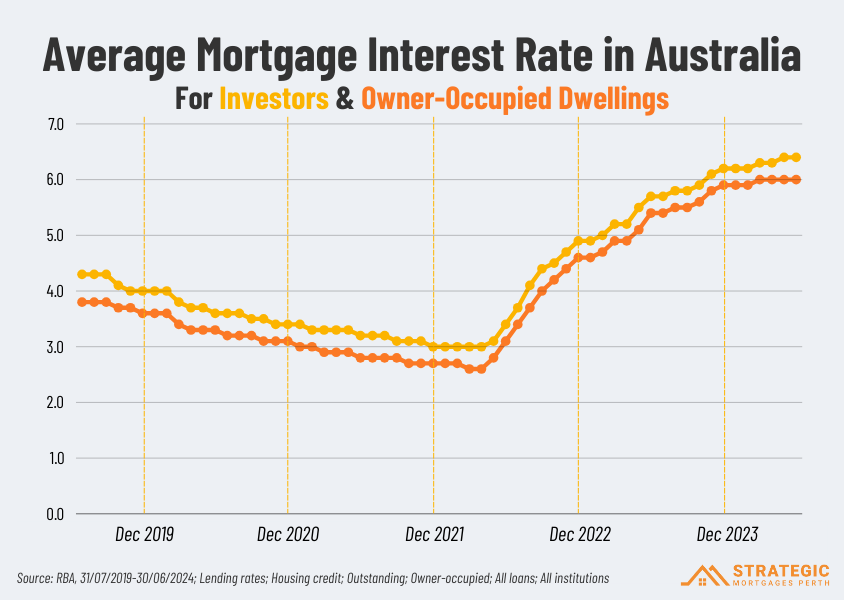
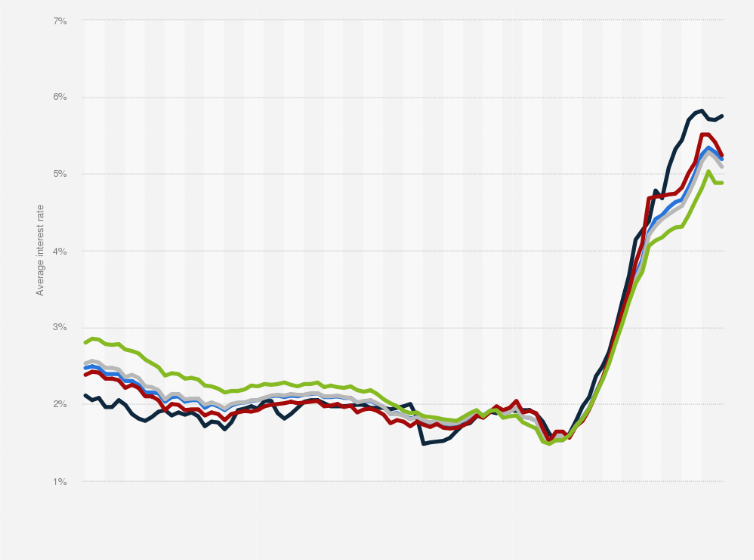
- Focus on Trends: The most valuable aspect of average rate reports is their ability to illustrate trends. Are rates generally rising or falling? This trend information can help you decide if it’s a good time to buy, sell, or refinance.
By understanding the origins and limitations of these average rate reports, consumers can use them as a helpful guide rather than a definitive personal quote, informing their expectations and strategies.
Strategies for Securing a Favorable Mortgage Rate
While broad economic forces are beyond your control, there are numerous proactive steps you can take to improve your chances of securing a mortgage rate significantly better than the national average. A favorable rate can save you tens of thousands of dollars over the life of your loan, making these strategies well worth the effort.
Improving Your Financial Profile
Lenders assess risk, and your financial profile is their primary lens for this assessment. Strengthening it directly translates to lower perceived risk and, consequently, better rates.
- Boost Your Credit Score: This is paramount. A FICO score of 740 or higher generally qualifies you for the best rates. To improve your score:
- Pay Bills on Time: Payment history is the most significant factor.
- Reduce Debt: Especially revolving credit like credit card balances. Lower your credit utilization ratio (amount of credit used vs. available credit).
- Avoid New Credit Applications: Each application can temporarily ding your score.
- Check Your Credit Report Regularly: Dispute any errors promptly.
- Lower Your Debt-to-Income (DTI) Ratio: Lenders typically prefer a DTI ratio below 36-43%. Reduce your DTI by paying down existing debts (car loans, student loans, credit cards) or increasing your income. A lower DTI indicates you have more disposable income to comfortably make mortgage payments.
- Increase Your Savings and Down Payment: A larger down payment reduces your loan-to-value (LTV) ratio, signaling less risk to the lender. Aim for at least 20% down to avoid private mortgage insurance (PMI) and often qualify for better rates. Even a slightly larger down payment can make a difference.
- Build a Stable Employment History: Lenders prefer to see consistent income and employment, ideally with at least two years in the same job or industry. This demonstrates stability and reliability in your ability to repay the loan.
Shopping Around for Lenders
Never take the first offer you receive. Mortgage rates can vary significantly between lenders, even for the same borrower profile on the same day.
- Obtain Multiple Quotes: Contact at least three to five different lenders – including large banks, credit unions, and independent mortgage brokers. Each lender has different overheads, risk appetites, and product offerings.
- Compare Loan Estimates Side-by-Side: Once you apply, lenders are required to provide a standardized Loan Estimate form. This form clearly outlines the interest rate, APR (Annual Percentage Rate, which includes fees), closing costs, and other terms. Compare these forms meticulously. Pay attention to not just the interest rate, but also the origination fees, discount points, and other charges that make up the total cost.
- Consider Mortgage Brokers: Mortgage brokers act as intermediaries, working with multiple lenders. They can often find you competitive rates because they have access to a broader range of products and can negotiate on your behalf. However, ensure you understand how they are compensated.
Understanding Points and Fees
The quoted interest rate isn’t the only cost. “Points” and other fees play a crucial role in the total cost of your mortgage.
- Discount Points: These are optional upfront fees paid to the lender in exchange for a lower interest rate. One point equals 1% of the loan amount. If you plan to stay in your home for a long time, paying points might save you money over the long run, as the lower monthly payments will eventually offset the upfront cost. Calculate the break-even point to see if it makes financial sense for your situation.
- Origination Fees: These are fees charged by the lender for processing your loan application and initiating the loan. They are typically expressed as a percentage of the loan amount or a flat fee. Unlike discount points, origination fees don’t typically lower your interest rate.
- Closing Costs: Beyond points and origination fees, there are various other closing costs, including appraisal fees, title insurance, legal fees, and recording fees. While these don’t directly impact the interest rate, they are part of the total cost of obtaining the mortgage.
Considering Different Loan Products
The type and term of your mortgage can significantly impact the rate you qualify for.
- Fixed-Rate vs. Adjustable-Rate Mortgages (ARMs): Fixed-rate mortgages offer a stable interest rate for the life of the loan, providing predictability. ARMs typically start with a lower interest rate for an initial period (e.g., 5, 7, or 10 years) before adjusting periodically based on a market index. While ARMs can offer lower initial payments, they carry the risk of future rate increases. Consider your risk tolerance and how long you plan to stay in the home.
- Shorter Loan Terms (e.g., 15-year vs. 30-year): Shorter loan terms generally come with lower interest rates because the lender’s money is tied up for less time, reducing their exposure to interest rate risk. While monthly payments will be higher, you’ll pay significantly less interest over the life of the loan.
Locking In Your Rate
Once you’ve found a favorable rate and a suitable lender, consider locking in your rate.
- What is a Rate Lock? A rate lock is a guarantee from the lender that your interest rate will not change between the time you apply and the closing of your loan, typically for a period of 30 to 60 days. This protects you from market rate increases.
- When to Lock: It’s generally advisable to lock your rate when you’re confident you have the best offer and market rates appear stable or are trending upwards. Be mindful of the lock period and ensure it covers your anticipated closing date. Some lenders offer “float-down” options, which allow you to benefit if rates drop significantly during your lock period, usually for an additional fee.
By strategically navigating these areas, borrowers can empower themselves to secure a mortgage rate that aligns with their financial goals and minimizes the long-term cost of homeownership.
The Future Outlook for Mortgage Rates
Predicting the future of mortgage rates is akin to predicting the weather – while forecasts are possible, they come with inherent uncertainties. However, understanding the key drivers and expert perspectives can help frame expectations.
Impact of Economic Forecasts
Mortgage rates are inextricably linked to the broader economic outlook. Key areas to watch include:
- Inflation Trends: If inflation remains stubbornly high, the Federal Reserve is likely to maintain a tighter monetary policy, keeping upward pressure on rates. Conversely, a sustained decline in inflation could prompt the Fed to ease policy, potentially leading to lower rates.
- Federal Reserve Stance: The Fed’s rhetoric and actions, particularly regarding its benchmark Federal Funds Rate and its balance sheet policies, are crucial. Any indication of future rate hikes or cuts, or changes in its bond-buying programs, will send ripple effects through the mortgage market.
- Economic Growth: A robust economy, while generally positive, can sometimes lead to higher rates if it fuels inflation. A slowdown or recession might lead to lower rates as the Fed attempts to stimulate economic activity.
- Global Events: Geopolitical events, international economic crises, or shifts in global capital flows can also influence U.S. bond yields and, by extension, mortgage rates.
Expert Predictions and Caveats
Many financial institutions, economists, and real estate associations regularly publish their mortgage rate forecasts. While these can offer valuable insights, they come with important caveats:
- Range, Not Precision: Forecasts are usually presented as a range (e.g., 30-year fixed rate to be between 6.5% and 7.5% by year-end) rather than a precise number. This reflects the inherent unpredictability.
- Assumptions: All forecasts are built upon a set of assumptions about future economic conditions (e.g., no major geopolitical shocks, inflation moderates as expected, unemployment remains stable). If these assumptions change, the forecast will likely be revised.
- Short-Term vs. Long-Term: Short-term forecasts (next 3-6 months) tend to be more accurate than long-term forecasts (1-2 years out) due to fewer variables and uncertainties.
- Consensus vs. Divergence: Sometimes, there’s a strong consensus among experts, which can lend more weight to a prediction. At other times, forecasts may diverge significantly, indicating greater uncertainty in the market.
For consumers, the most prudent approach is to monitor these forecasts to understand the general direction rates are headed, rather than relying on a specific prediction. This awareness allows for more strategic timing of mortgage applications or refinancing decisions. The dynamic nature of mortgage rates underscores the importance of staying informed and being prepared to act when conditions are favorable for your personal financial situation.
Conclusion
Understanding what constitutes an “average interest rate on a mortgage” is a cornerstone of sound personal financial planning, especially for anyone involved in the housing market. It’s not a singular, guaranteed figure but rather a dynamic benchmark influenced by a complex interplay of macroeconomic forces, individual borrower characteristics, and the specific terms of a loan. From the Federal Reserve’s monetary policy and global inflation trends to an individual’s credit score and down payment, numerous factors converge to determine the cost of borrowing for a home.
While you cannot control the broader economic climate, you possess significant agency over your personal financial profile. By diligently working to improve your credit, manage your debt, increase your savings, and thoroughly shop for lenders, you can position yourself to secure a mortgage rate that is not just “average,” but truly favorable for your circumstances. Staying informed about market trends and understanding the nuances of different loan products further empowers you to make wise decisions. Ultimately, an average rate is a guide; your optimal rate is a result of proactive financial management and savvy navigation of the mortgage landscape.
aViewFromTheCave is a participant in the Amazon Services LLC Associates Program, an affiliate advertising program designed to provide a means for sites to earn advertising fees by advertising and linking to Amazon.com. Amazon, the Amazon logo, AmazonSupply, and the AmazonSupply logo are trademarks of Amazon.com, Inc. or its affiliates. As an Amazon Associate we earn affiliate commissions from qualifying purchases.