
Understanding the landscape of mortgage interest rates is fundamental to any personal finance strategy involving real estate. For the average homebuyer or investor, the interest rate is arguably the most significant number in the transaction, dictating not just the monthly payment, but the total cost of the home over several decades. However, the “average” interest rate is a moving target, influenced by a complex interplay of global economic shifts, central bank policies, and individual borrower profiles.
To navigate the housing market effectively, one must look beyond the daily headlines and understand the mechanics of how these rates are determined, why they fluctuate, and what a borrower can do to secure a rate that outperforms the national average.
The Macroeconomic Drivers of Mortgage Rates
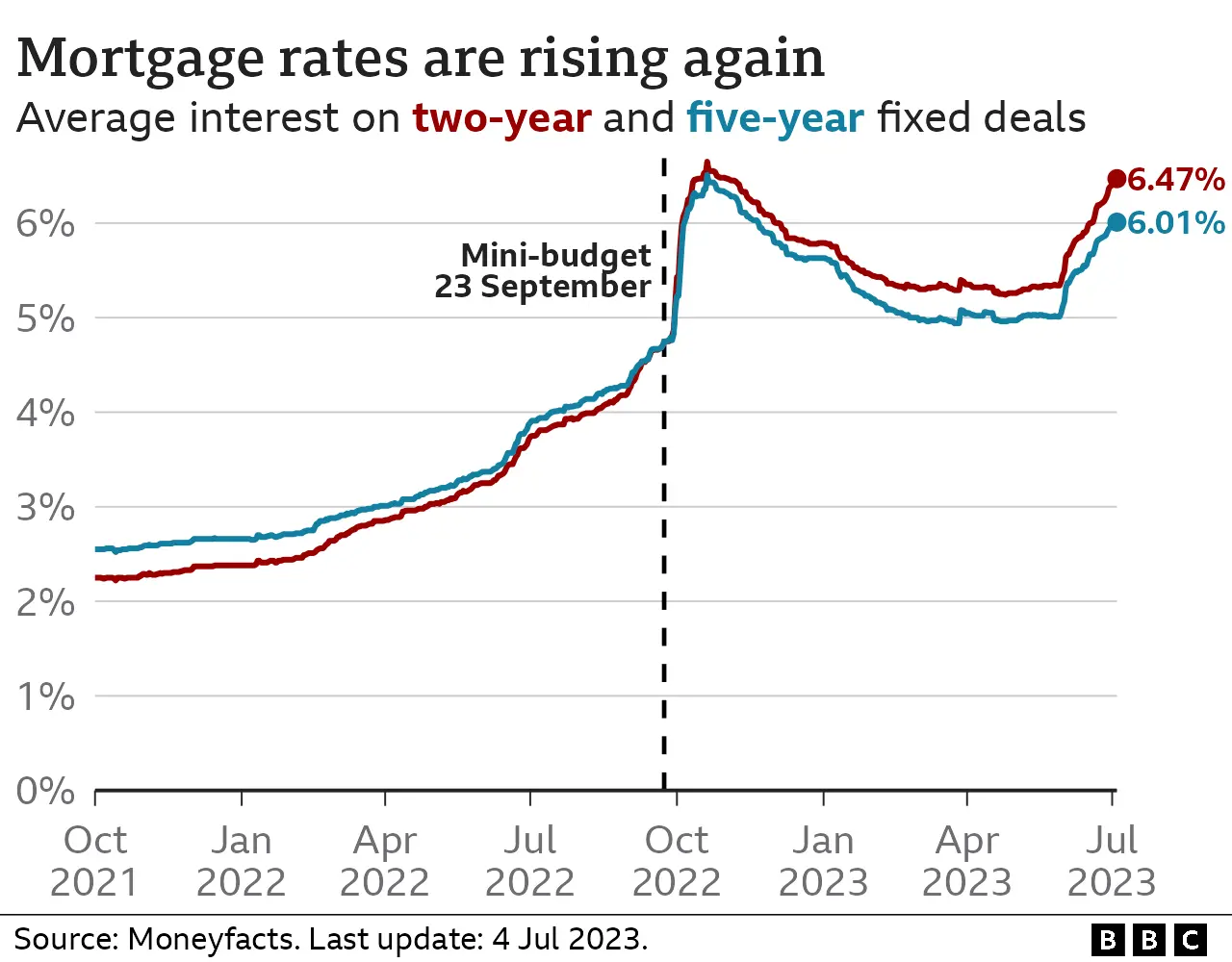
Mortgage rates do not exist in a vacuum. They are tied to the broader financial ecosystem, reacting to changes in inflation, economic growth, and the actions of the Federal Reserve. While many people believe the Federal Reserve sets mortgage rates directly, the reality is slightly more nuanced.
The Role of the Federal Reserve
The Federal Reserve influences mortgage rates through its management of the federal funds rate—the interest rate at which commercial banks borrow and lend to each other overnight. When the Fed raises this rate to combat inflation, the cost of borrowing increases across the board. Banks pass these higher costs on to consumers in the form of higher rates for credit cards, personal loans, and mortgages. Conversely, when the Fed lowers rates to stimulate economic growth, mortgage rates typically trend downward.
The 10-Year Treasury Yield Connection
Perhaps the most reliable indicator for mortgage rate movement is the yield on the 10-year U.S. Treasury note. Mortgage lenders often package individual loans into Mortgage-Backed Securities (MBS) and sell them to investors. Because investors view the 10-year Treasury as a “risk-free” asset, MBS must offer a higher yield to attract buyers. Historically, there is a spread of about 1.5 to 3 percentage points between the 10-year Treasury yield and the average 30-year fixed mortgage rate. When the yield on the Treasury note rises, mortgage rates almost always follow.
Inflationary Pressures
Inflation is the silent enemy of fixed-income investors. Because a mortgage is a long-term contract where the lender receives a fixed payment, inflation erodes the purchasing power of those future dollars. To compensate for this loss of value, lenders demand higher interest rates during periods of high inflation. This is why mortgage rates spiked significantly in the post-pandemic era as global supply chains and stimulus-fueled demand drove prices higher.
How Individual Profiles Influence Your Personal “Average”
While national averages are reported weekly by institutions like Freddie Mac, very few borrowers receive exactly that rate. Your personal mortgage rate is a reflection of the risk the lender perceives in your application. By optimizing certain financial markers, a borrower can often secure a rate significantly lower than the national benchmark.
Credit Score Impact
Your FICO score is the primary tool lenders use to assess risk. Borrowers with scores above 760 are generally offered the lowest “prime” rates. As credit scores drop, the interest rate increases in tiers. For example, a borrower with a 640 credit score might pay 1% to 1.5% more in interest than someone with an 800 score. Over the life of a $400,000 loan, that difference can amount to over $100,000 in additional interest payments.
The Loan-to-Value (LTV) Ratio
The LTV ratio measures the loan amount against the value of the property. A lower LTV—achieved by making a larger down payment—reduces the lender’s risk. If a borrower puts down 20% or more, they are less likely to walk away from the property during a market downturn, and the lender has a larger cushion if they must foreclose. Consequently, those with a 20% down payment typically receive better interest rate offers than those using low-down-payment programs.
Debt-to-Income (DTI) Ratios
Lenders analyze your DTI to ensure you have enough cash flow to cover the new mortgage payment along with your existing obligations (student loans, car payments, credit cards). A high DTI ratio suggests financial strain, which might lead a lender to increase the interest rate to offset the risk of default. Keeping your total monthly debt obligations below 36% to 43% of your gross monthly income is the standard for qualifying for competitive rates.
Comparing Mortgage Products and Their Rate Structures
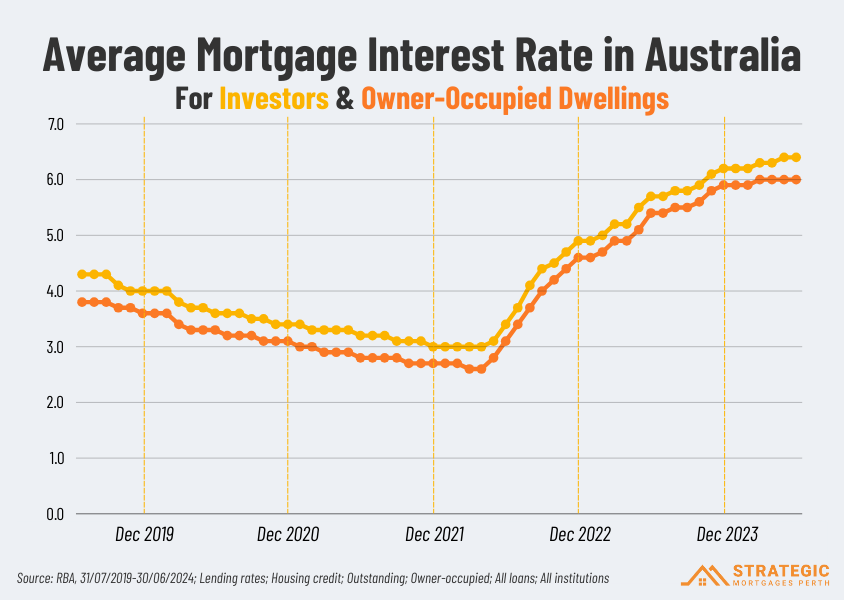
The “average” rate also depends heavily on the type of loan product you choose. Not all mortgages are created equal, and the structure of the loan can drastically change your interest expenses.
30-Year vs. 15-Year Fixed-Rate Mortgages
The 30-year fixed-rate mortgage is the gold standard for American homebuyers because it offers stability and lower monthly payments. However, the interest rate on a 30-year loan is consistently higher than that of a 15-year loan. Lenders charge a premium for the 30-year term because they are taking on the risk that inflation or market rates will rise over a much longer period. A 15-year mortgage typically offers a rate that is 0.5% to 1% lower, allowing the borrower to build equity much faster while paying significantly less total interest.
Adjustable-Rate Mortgages (ARMs)
ARMs offer an interest rate that is fixed for an initial period (usually 5, 7, or 10 years) and then adjusts annually based on market conditions. During the initial “teaser” period, the rate is often significantly lower than that of a 30-year fixed mortgage. This can be an attractive option for borrowers who plan to sell or refinance before the adjustment period begins. However, ARMs carry the risk of “payment shock” if market rates are much higher when the adjustment phase kicks in.
Government-Backed Loans (FHA, VA, and USDA)
Loans backed by the Federal Housing Administration (FHA), the Department of Veterans Affairs (VA), or the USDA often have lower interest rates than conventional loans. This is because the government guarantees a portion of the loan, reducing the lender’s risk. VA loans, in particular, often feature some of the lowest rates on the market with no down payment requirement, making them a powerful financial tool for eligible service members and veterans.
Historical Perspective: Putting Current Rates into Context
To understand whether a current rate is “good,” it is helpful to look at the history of the U.S. mortgage market. Interest rates are cyclical, and what feels high today may be historically moderate.
The Extremes of the 1980s
Younger homebuyers often feel discouraged by rates in the 6% to 8% range, but a look back at the early 1980s provides a sobering perspective. In 1981, the average 30-year fixed mortgage rate peaked at over 18%. At that time, the Federal Reserve was aggressively raising rates to break the back of runaway inflation. In that environment, real estate investing was a completely different game, and “seller financing” became a common necessity.
The Post-2008 Era of Artificial Lows
Following the Great Recession, the Federal Reserve engaged in quantitative easing, keeping rates at historic lows for over a decade. This culminated in 2020 and 2021, when average mortgage rates dipped below 3%. While these rates were excellent for borrowers, they were an anomaly in the context of financial history. Experts suggest that a “neutral” or “normal” mortgage rate in a healthy economy typically falls between 5% and 7%. Understanding this historical context helps investors make more rational decisions rather than waiting for a return to 3% rates that may not happen for decades.
Strategies for Securing a Below-Average Rate
Knowing the average is only the first step; the goal of any savvy borrower is to beat the average. Several tactical moves can help lower your effective interest rate and save thousands of dollars.
Buying Down the Rate with Points
Mortgage points, or discount points, allow you to pay more upfront in exchange for a lower interest rate. One point typically costs 1% of the total loan amount and reduces your interest rate by approximately 0.25%. This is essentially “prepaid interest.” To determine if this is a smart move, you must calculate the “break-even point”—how many months of lower payments it takes to recoup the initial cost of the points. If you plan to stay in the home for a long time, buying points is often a high-ROI decision.
Rate Locks and Timing the Market
Mortgage rates fluctuate daily, sometimes even hourly. Once you find a rate you are comfortable with, you can request a “rate lock” from your lender. This guarantees the interest rate for a specific period (usually 30 to 60 days) while your loan is being processed. In a rising-rate environment, a well-timed rate lock can prevent your monthly payment from increasing before you reach the closing table.
Comparison Shopping
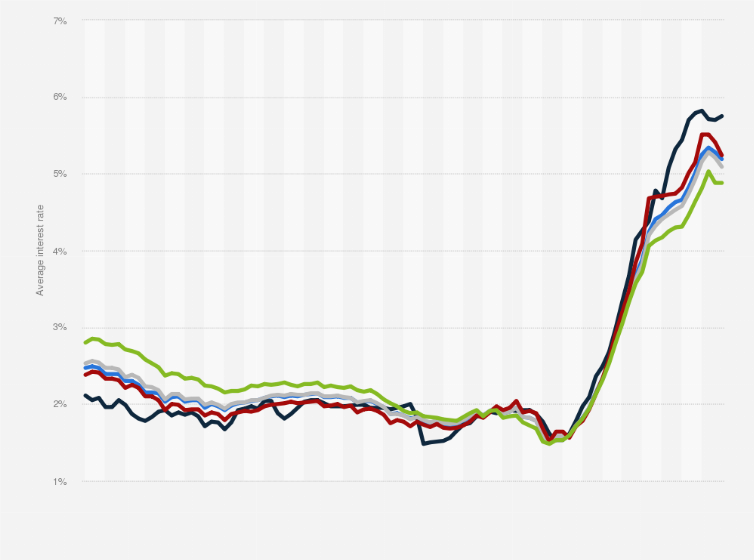
Perhaps the simplest yet most overlooked strategy is shopping around. Research by the Consumer Financial Protection Bureau (CFPB) shows that borrowers who get at least three different quotes can save an average of $1,500 to $3,000 over the life of the loan. Different lenders—whether they are big banks, credit unions, or online mortgage brokers—have different overhead costs and risk appetites. By forcing lenders to compete for your business, you increase your chances of securing a rate that is well below the national average.
In conclusion, while the average mortgage interest rate is a vital benchmark, it is not a fixed destiny. By understanding the macroeconomic forces at play and optimizing your personal financial health, you can navigate the complexities of the mortgage market and secure a deal that aligns with your long-term wealth-building goals.
aViewFromTheCave is a participant in the Amazon Services LLC Associates Program, an affiliate advertising program designed to provide a means for sites to earn advertising fees by advertising and linking to Amazon.com. Amazon, the Amazon logo, AmazonSupply, and the AmazonSupply logo are trademarks of Amazon.com, Inc. or its affiliates. As an Amazon Associate we earn affiliate commissions from qualifying purchases.