
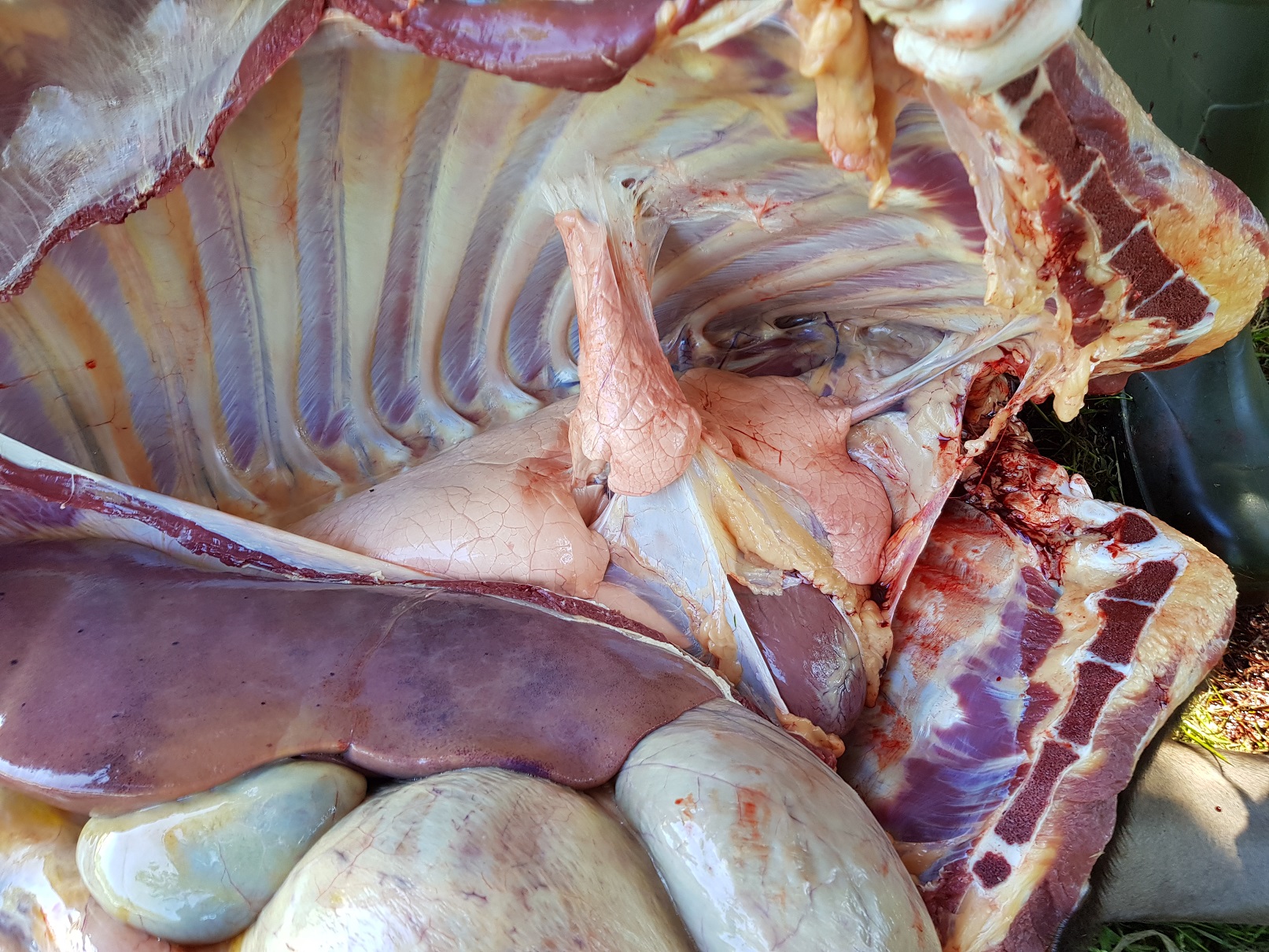
An autopsy performed on an animal is most accurately and commonly referred to as a necropsy. While “autopsy” implies a self-examination (from Greek autos meaning “self”), “necropsy” (from Greek nekros meaning “dead body”) specifically denotes an examination of a dead body, which is suitable for both humans and animals. However, in common veterinary parlance, particularly when discussing the financial implications of such a procedure, the term necropsy is preferred. Understanding the nature and purpose of a necropsy is crucial for appreciating its significant financial ramifications across various sectors, from individual pet owners to large-scale agricultural businesses and veterinary practices. This diagnostic service, while often perceived as a cost, is fundamentally an investment in health management, risk mitigation, and economic stability.
The Financial Imperative Behind Veterinary Diagnostics
The decision to perform a necropsy, or to invest in advanced veterinary diagnostics, is rarely made lightly. For individuals and businesses alike, it represents a direct financial outlay. However, the true value of a necropsy lies in the information it uncovers, which can prevent much larger financial losses down the line. It serves as a critical tool for understanding disease patterns, verifying causes of death, and informing future preventive strategies that safeguard economic assets, whether they are beloved pets or valuable livestock.
Defining the Procedure: Necropsy and Its Costs
A necropsy is a systematic post-mortem examination performed by a trained veterinary pathologist to determine the cause of death, the extent of disease, or the efficacy of treatments. This involves a thorough external and internal examination, collection of tissue samples, and often ancillary tests such as histopathology, microbiology, toxicology, or virology. The cost of a necropsy can vary widely based on the animal’s size, the complexity of the case, the scope of ancillary tests required, and the geographic location of the veterinary pathology lab.
For pet owners, a basic necropsy can range from a few hundred to over a thousand dollars, with additional specialized tests significantly increasing the final bill. For livestock, particularly in cases involving multiple animals or suspicion of contagious diseases, the costs can escalate rapidly. These expenses cover the pathologist’s time, laboratory resources, specialized equipment, and the materials used for sample collection and analysis. From a financial perspective, these costs are a direct expense, but they are often undertaken with the expectation of a return on investment in the form of crucial diagnostic information.
Investment in Disease Prevention and Herd Health
For agricultural operations, investing in necropsies is a strategic financial decision. When an animal in a herd or flock dies, especially unexpectedly, a necropsy is often the quickest and most reliable way to identify infectious diseases, nutritional deficiencies, or environmental toxins that could affect other animals. An undiagnosed contagious disease can decimate a herd, leading to staggering financial losses from animal deaths, decreased productivity (milk, meat, eggs), reduced breeding success, and expensive treatment protocols for the remaining animals.
By swiftly identifying a pathogen through necropsy, farmers can implement targeted biosecurity measures, vaccination programs, or feed adjustments. This proactive approach minimizes the spread of disease, protects the health and productivity of the remaining livestock, and ultimately safeguards the entire operation’s financial viability. In this context, the cost of a necropsy is a small, but vital, insurance premium against potentially catastrophic business losses.
Business Finance: The Veterinary Pathology Lab as a Profit Center
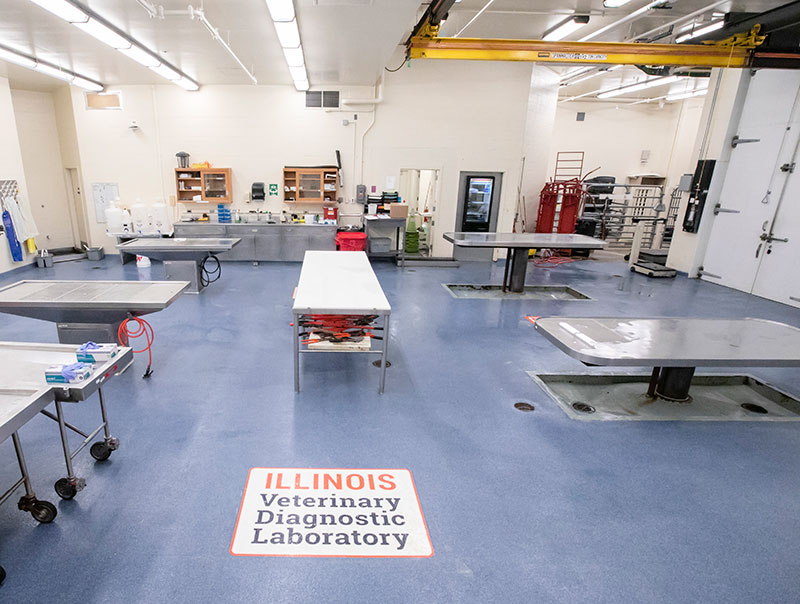
Veterinary pathology laboratories, whether independent entities or departments within larger veterinary institutions, operate as distinct businesses or profit centers. They provide essential diagnostic services that are vital to the broader animal health industry. Their financial models are built around service provision, cost management, and strategic pricing.
Revenue Generation and Cost Structures
The primary revenue stream for a veterinary pathology lab comes from fees charged for necropsies and associated diagnostic tests. These fees must cover a significant array of operational costs. Highly specialized equipment, such as microscopes, tissue processors, and immunoassay machines, represents substantial capital expenditure. Consumables like reagents, slides, and protective gear are ongoing expenses. Furthermore, the core of a pathology lab’s value lies in its human capital: board-certified veterinary pathologists, histotechnicians, and laboratory support staff, whose salaries and benefits constitute a major portion of operating costs.
Labs also face indirect costs such as facility rent or mortgage, utilities, regulatory compliance, quality control programs, and professional development. Efficient management of these cost structures, coupled with a steady volume of cases, is critical for the lab’s financial health and profitability.
Strategic Pricing and Service Bundling
Pathology labs often employ strategic pricing models. They may offer tiered pricing based on the depth of examination (e.g., gross exam only vs. full gross and microscopic exam), the urgency of results, or the inclusion of specialized tests. For high-volume clients, such as large veterinary clinics, universities, or agricultural corporations, negotiated rates or service contracts might be established.
Bundling services is another common financial strategy. For instance, a “herd health investigation” package might include necropsies on several animals, a range of specific laboratory tests, and a comprehensive report with recommendations, all offered at a more attractive price than individual services. This not only encourages clients to utilize a broader scope of services but also provides a more complete diagnostic picture, enhancing the value proposition for the client and the revenue for the lab. Effective communication of this value, highlighting how diagnostic insights lead to cost savings or improved animal welfare, is key to sustained business success.
Personal Finance: Pet Owner’s Dilemma and Livestock Farmer’s Risk Mitigation
For individual pet owners and livestock farmers, the financial implications of a necropsy touch both personal and business finance, often intertwined with emotional considerations.
Unexpected Costs and Pet Insurance
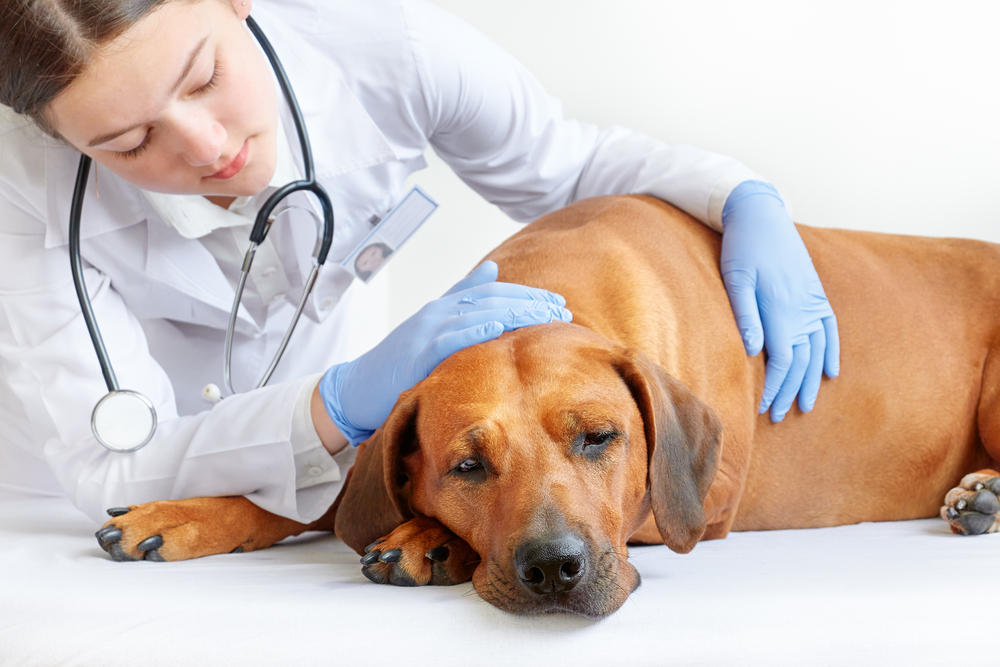
For pet owners, the death of an animal is often a deeply emotional event. The decision to pursue a necropsy can arise from a desire for closure, to understand a sudden or unexplained death, or to gain information relevant to the health of other pets in the household. These decisions, however, carry an unexpected financial burden. Without foresight, such costs can significantly impact a household budget.
This is where pet insurance can play a critical role in personal financial planning. While many pet insurance policies primarily cover veterinary treatments for illness or injury, some comprehensive plans may include coverage for diagnostic services like necropsies, especially if deemed medically necessary to rule out contagious diseases or genetic conditions that could affect future pets. Understanding the terms of one’s pet insurance policy well in advance is a prudent financial move for any pet owner, transforming a potentially large, unforeseen expense into a manageable claim.
Protecting Agricultural Assets and Future Earnings
For a livestock farmer, each animal represents a significant financial asset and a potential source of future income. The loss of an animal is a direct blow to their business’s bottom line. A necropsy, therefore, isn’t just about understanding what happened; it’s about protecting the remaining inventory and safeguarding future earnings.
Consider a dairy farmer who loses a high-producing cow. The immediate loss is the value of the animal itself, but also the projected milk production, future calves, and genetic contribution. A necropsy might reveal a preventable condition, allowing the farmer to adjust herd management practices, nutrition, or vaccination protocols, thereby preventing similar losses. Furthermore, for insured livestock, a necropsy report can be essential for processing insurance claims, ensuring the farmer recovers a portion of the financial loss. This makes the necropsy an integral part of risk management and financial recovery strategies in agricultural business.
The Economic Value of Diagnostic Insight
Beyond immediate costs and revenues, the information gleaned from a necropsy holds substantial economic value, influencing investment decisions and operational strategies across the animal health spectrum.
Preventing Widespread Financial Loss
The most significant economic benefit of a necropsy often comes from its ability to prevent widespread financial loss. In a veterinary clinic, identifying a contagious disease through necropsy can inform quarantine measures, prevent patient-to-patient transmission, and protect the clinic’s reputation, thereby safeguarding its financial standing. For public health, the identification of zoonotic diseases (those transmissible to humans) through animal necropsies is invaluable. It triggers public health interventions that can prevent human illness and the associated societal economic burdens of healthcare costs, lost productivity, and potential outbreaks.
Informing Future Investment and Operational Decisions
The insights from necropsies can directly influence future financial and operational decisions. A poultry producer, consistently identifying a specific disease through necropsies, might decide to invest in a new ventilation system, change their feed supplier, or switch to a different vaccine protocol. These investments, guided by diagnostic data, aim to improve animal health, reduce mortality rates, increase productivity, and ultimately enhance profitability.
Similarly, pharmaceutical companies and researchers use necropsy findings to evaluate the efficacy of new drugs or vaccines. This data is critical for securing regulatory approvals, justifying large-scale research and development investments, and bringing effective products to market, driving financial returns within the animal health industry. For breed associations, identifying genetic predispositions to disease through necropsies can inform breeding programs, promoting healthier animals and protecting the genetic investment of breeders.
Financial Tools and Resources for Managing Animal Health Costs
Given the critical financial implications of animal health and diagnostics, a range of financial tools and resources are available to help manage these costs effectively. For pet owners, pet insurance remains a key financial planning tool. Emergency funds specifically allocated for unexpected veterinary expenses can also provide a buffer. Various non-profit organizations offer financial assistance for veterinary care, including diagnostics, for those in need.
For agricultural businesses, comprehensive farm insurance policies often include livestock coverage. Establishing relationships with veterinary practices that offer herd health programs and flexible payment plans can also be beneficial. Detailed financial record-keeping, tracking animal health expenditures against productivity gains, allows for a clear understanding of the return on investment in diagnostic services like necropsies. Ultimately, viewing a necropsy not merely as an expense but as a crucial diagnostic investment empowers individuals and businesses to make informed financial decisions that protect their animal assets and ensure long-term economic stability.
aViewFromTheCave is a participant in the Amazon Services LLC Associates Program, an affiliate advertising program designed to provide a means for sites to earn advertising fees by advertising and linking to Amazon.com. Amazon, the Amazon logo, AmazonSupply, and the AmazonSupply logo are trademarks of Amazon.com, Inc. or its affiliates. As an Amazon Associate we earn affiliate commissions from qualifying purchases.