
In the intricate, fast-paced world of modern logistics and supply chain management, information is as crucial as the physical goods themselves. Among the many digital artifacts that orchestrate the seamless flow of products from manufacturer to consumer, the Advance Shipping Notice (ASN) stands out as a foundational technological component. Far from being a mere courtesy email, an ASN is a powerful electronic document that serves as the digital herald of an incoming shipment, revolutionizing how goods are received, processed, and managed within a sophisticated supply chain. Its impact ripples across warehouse operations, inventory control, and overall supply chain visibility, making it an indispensable tool in today’s technology-driven shipping landscape.

At its core, an ASN is a notification sent by a supplier (shipper) to a customer (receiver) to inform them of a shipment’s imminent arrival. However, its true value lies in its structured, standardized, and machine-readable format, typically exchanged via Electronic Data Interchange (EDI). This digital format allows for automated processing and integration into various enterprise systems, transforming what was once a manual, error-prone communication into a robust, data-rich operational advantage. Understanding the “what” and “why” of an ASN is to understand a significant piece of the technological backbone supporting global commerce, driving efficiencies that were unimaginable just a few decades ago.
The Digital Backbone of Modern Logistics: Understanding the Advance Shipping Notice
The essence of modern logistics lies in the efficient movement and tracking of goods. Without precise, timely information, this intricate dance can quickly devolve into chaos. The Advance Shipping Notice (ASN) provides that crucial informational anchor, acting as a sophisticated digital manifest that pre-empts the physical arrival of goods. Its role has evolved from a simple heads-up to a complex data conduit, enabling unprecedented levels of automation and control within the supply chain.
Defining the ASN: More than Just a Notification
An ASN, often referred to as an EDI 856 document in North America, is an electronic message that provides detailed information about a pending delivery. It is generated by the shipper (supplier or vendor) and transmitted to the receiver (customer, warehouse, or distribution center) typically at the moment a shipment leaves the origin point. Unlike a simple bill of lading or a basic shipment tracking email, an ASN is characterized by its comprehensive data set and its structured, machine-readable format.
The rich tapestry of information contained within an ASN is designed to give the receiver a complete picture of what to expect. Key data points typically include:
- Shipper and Receiver Information: Names, addresses, and contact details for both parties.
- Shipment Identification: Unique shipment number, purchase order number(s) associated with the goods, and sometimes a bill of lading number.
- Carrier Information: Name of the transportation company, tracking numbers, and sometimes specific container or trailer numbers.
- Item Details: A complete list of products being shipped, including item numbers (SKUs), product descriptions, quantities, and sometimes batch or lot numbers.
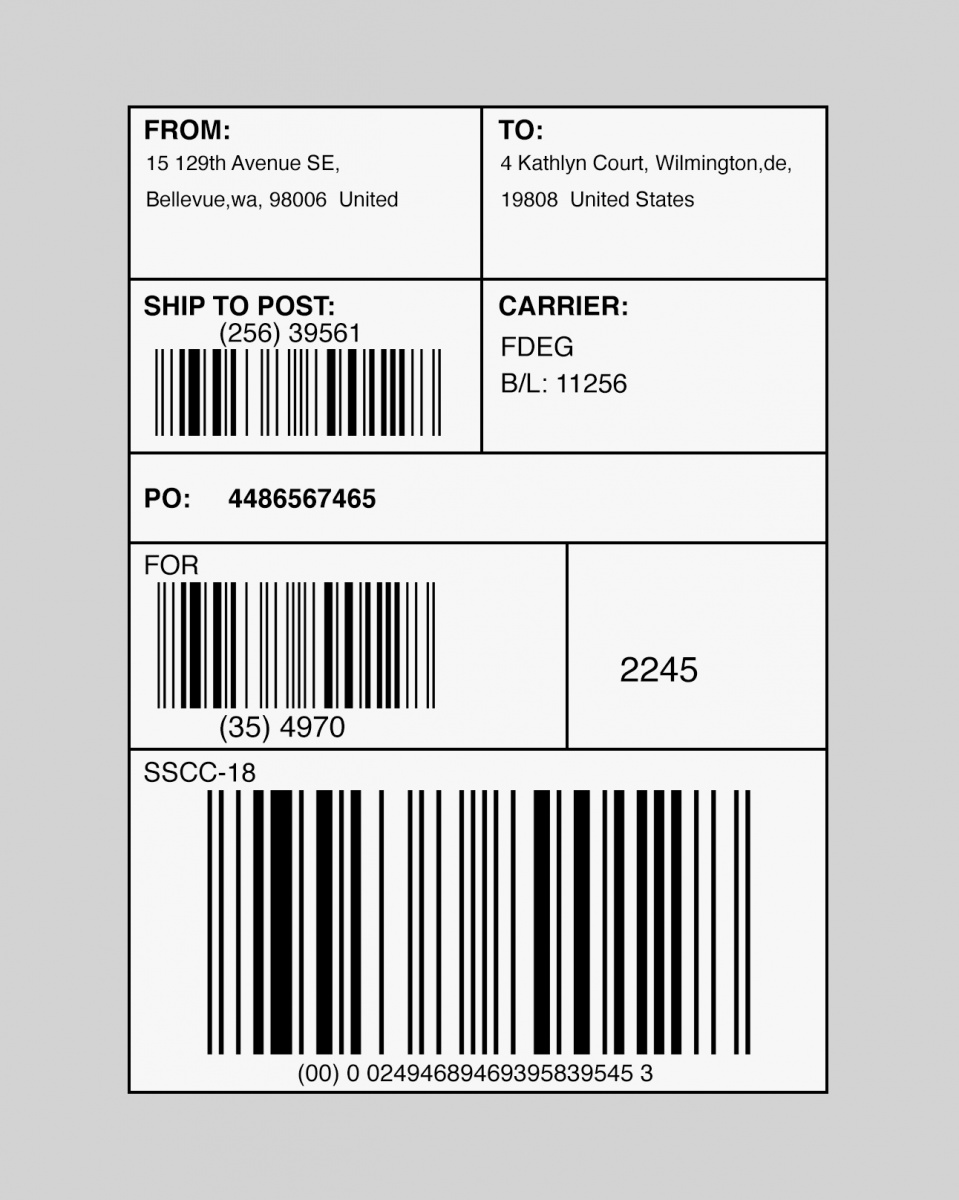
- Packaging Information: Details about how items are packed (e.g., number of cartons, pallets, type of packaging), often including serial shipping container codes (SSCCs) for automated identification.
- Estimated Arrival Information: Date and time of expected delivery.
- Hazardous Material Information: Any relevant data for dangerous goods.
This wealth of data empowers the receiving party with the ability to plan, prepare, and process incoming shipments with remarkable precision, reducing manual effort and potential errors.
The Technology Powering ASNs: EDI and Beyond
The standardized exchange of ASNs is predominantly facilitated by Electronic Data Interchange (EDI). EDI is a method of exchanging business documents between computer systems in a standard electronic format. For ASNs, the EDI 856 document type is the international standard, ensuring that information can be seamlessly transmitted and understood between disparate systems, regardless of the companies involved or their geographical location.
The process typically involves:
- Generation: The shipper’s Enterprise Resource Planning (ERP) system or Warehouse Management System (WMS) generates the ASN data once a shipment is ready to depart.
- Formatting: The data is then translated into the standardized EDI 856 format.
- Transmission: The EDI document is transmitted securely to the receiver’s system, often through a Value Added Network (VAN) or direct EDI connection.
- Integration: The receiver’s ERP or WMS automatically ingests and processes the ASN data, updating inventory, scheduling dock appointments, and preparing for the physical arrival of goods.
While EDI remains the dominant technology for large enterprises due to its robustness and established standards, the landscape is evolving. Smaller businesses or those operating within more agile supply chains increasingly leverage alternative technologies:
- APIs (Application Programming Interfaces): Modern cloud-based logistics platforms and e-commerce solutions often use APIs to enable real-time, programmatic exchange of shipping data, including ASN-like information.
- Web Portals: Some companies provide web-based portals where suppliers can manually enter or upload ASN data, which then gets integrated into the buyer’s system.
- XML/JSON: These data formats offer more flexible and readable alternatives to EDI for data exchange, particularly in newer, internet-driven applications.
Regardless of the specific technological conduit, the underlying principle remains the same: to digitally communicate comprehensive shipment details in advance, thereby preparing the recipient for efficient processing.
The Indispensable Role of ASNs in Supply Chain Efficiency
The strategic adoption and effective utilization of ASNs are pivotal for enhancing efficiency across the entire supply chain. By providing a digital heads-up with detailed shipment information, ASNs unlock a cascade of operational benefits, transforming potential bottlenecks into streamlined processes. These benefits extend from the receiving dock to inventory accuracy and overall supply chain visibility.
Streamlining Receiving Operations
One of the most immediate and tangible impacts of ASNs is the profound transformation they bring to receiving operations. Traditionally, warehouse receiving involved manually checking goods against a physical manifest or purchase order after they arrived. This was time-consuming, prone to error, and often led to congestion at loading docks. ASNs fundamentally alter this paradigm:
- Pre-emptive Planning: With an ASN, warehouse managers know precisely what’s arriving, when, and in what quantity. This allows them to allocate staff, equipment (like forklifts), and staging areas in advance, minimizing idle time and maximizing throughput.
- Reduced Unloading and Check-in Times: Armed with detailed item and packaging information, receiving teams can rapidly identify and sort incoming goods. If SSCCs (Serial Shipping Container Codes) are used, scanning a single barcode on a carton or pallet can reconcile its contents against the ASN data, significantly accelerating the check-in process.
- Improved Dock Scheduling: ASNs enable sophisticated dock scheduling software to optimize the flow of trucks and deliveries, preventing bottlenecks and ensuring that resources are available precisely when needed. This reduces truck dwell times, benefiting carriers and contributing to overall logistics efficiency.
- Enhanced Cross-docking Opportunities: For businesses that utilize cross-docking (moving goods directly from inbound to outbound shipments with minimal storage), ASNs are critical. They provide the necessary information to reroute incoming items directly to outbound docks, drastically reducing handling and storage costs.
Enhancing Inventory Management and Accuracy
Accurate inventory is the lifeblood of any retail or manufacturing operation. ASNs play a crucial role in maintaining high levels of inventory accuracy and optimizing inventory levels:

- Real-time Visibility of Incoming Stock: By processing an ASN, the receiver’s inventory system can update “in-transit” or “expected” stock levels even before the physical goods arrive. This real-time visibility prevents stockouts by allowing procurement or sales teams to account for items already on their way.
- Minimizing Stockouts and Overstocking: With better foresight into incoming inventory, businesses can make more informed decisions about replenishment orders. This helps avoid costly emergency orders due to unexpected shortages and prevents overstocking by having a clear picture of what’s already inbound.
- Accurate Inventory Reconciliation: When goods finally arrive, the ASN serves as the definitive reference for comparison. Any discrepancies between the physical count and the ASN data can be immediately identified and investigated, leading to faster resolution of issues with suppliers and ensuring the accuracy of inventory records.
- Improved Put-away Efficiency: Knowing the exact contents and quantities of incoming items allows for pre-planning of storage locations. This speeds up the put-away process, ensures items are stored in optimal locations, and contributes to overall warehouse organization.
Improving Supply Chain Visibility and Communication
In complex global supply chains, clear communication and end-to-end visibility are paramount. ASNs act as a digital bridge, fostering better communication and transparency between trading partners:
- Proactive Problem-Solving: If an ASN indicates a delay or a discrepancy (e.g., fewer items shipped than ordered), the receiver can proactively address the issue before the shipment even arrives. This might involve contacting the supplier, adjusting production schedules, or informing customers of potential delays.
- Better Collaboration Between Partners: The standardized nature of ASNs facilitates smoother data exchange and reduces ambiguity, fostering stronger, more collaborative relationships between suppliers and buyers. It demonstrates a commitment to operational excellence from the shipper’s side.
- Enhanced Customer Satisfaction: For retailers or manufacturers, accurate information about incoming shipments translates to more reliable promises to customers regarding product availability and delivery times. This transparency and reliability significantly contribute to customer satisfaction and loyalty.
- Data for Performance Metrics: The data within ASNs can be analyzed to track supplier performance, identifying those who consistently deliver on time and as expected versus those who frequently have discrepancies or delays. This data is invaluable for continuous improvement initiatives.
Technological Benefits and Challenges of ASN Implementation
While the benefits of ASNs are clear, their successful implementation and ongoing management are heavily reliant on robust technological infrastructure and careful planning. Understanding both the inherent advantages and the common hurdles is crucial for any organization looking to leverage this powerful tool.
Key Technological Advantages
The power of an ASN fundamentally stems from its digital nature and the automation it enables within the supply chain.
- Automation of Data Exchange: The primary advantage is the elimination of manual data entry and associated human errors. Instead of receiving paper documents or emails, systems directly exchange structured data, leading to higher accuracy and efficiency. This automation spans from order fulfillment to inventory updates.
- Reduction of Manual Errors and Data Entry: Manual processes are inherently susceptible to typos, misinterpretations, and delays. By automating the transfer of shipment details, ASNs drastically reduce these errors, leading to more accurate inventory, fewer discrepancies, and less time spent on error correction.
- Faster Information Flow: EDI-based ASNs transmit almost instantaneously. This real-time or near real-time information flow means that receivers have accurate data much sooner than with traditional methods, allowing for quicker decision-making and operational adjustments.
- Enhanced Data Integrity and Consistency: Standardized EDI formats ensure that data is presented consistently, reducing ambiguity and facilitating easier processing by receiving systems. This consistency is vital for maintaining data integrity across diverse trading partner networks.
- Data Analytics Potential: The digital nature of ASNs generates a wealth of structured data. This data can be analyzed to gain insights into shipping patterns, supplier performance, lead times, and inventory trends. Such analytics are invaluable for optimizing logistics strategies, negotiating with suppliers, and predicting future demand.
Overcoming Implementation Hurdles
Despite the clear benefits, implementing and integrating ASNs can present several technological and organizational challenges.
- Integration Complexities with Existing Systems: A significant hurdle is integrating the ASN system (often EDI-centric) with a company’s existing ERP, WMS, and other legacy systems. This often requires custom development, middleware solutions, and thorough testing to ensure seamless data flow and compatibility.
- Standardization Issues Across Different Partners: While EDI 856 is a standard, different trading partners might have slight variations or unique requirements within their ASN implementation. Mapping these differences and ensuring compliance for each partner can be a complex and time-consuming process.
- Cost of Initial Setup and Maintenance: Establishing an EDI infrastructure, whether in-house or through a third-party VAN, involves initial setup costs (software, hardware, integration services) and ongoing maintenance fees. For smaller businesses, this can be a barrier to entry, though cloud-based EDI and API solutions are making it more accessible.
- Data Quality and Validation: An ASN is only as good as the data it contains. If the shipper provides incomplete, incorrect, or poorly structured data, the benefits of automation diminish, leading to downstream errors. Robust data validation rules at both the sender and receiver ends are crucial.
- Training and Adoption: Employees need to be trained on the new processes and systems involved in generating, sending, receiving, and interpreting ASNs. Resistance to change or lack of understanding can impede successful adoption.
- Security Concerns: Exchanging sensitive shipment information electronically requires robust security measures to protect data from unauthorized access or breaches. Ensuring secure connections and data encryption is paramount.
Addressing these challenges often requires a strategic approach, including selecting the right technology partners, investing in robust integration platforms, enforcing data quality standards, and providing adequate training for personnel.
The Future of ASNs: Smart Logistics and Automation
As technology continues to advance at an unprecedented pace, the Advance Shipping Notice, already a cornerstone of modern logistics, is poised for further evolution. The integration of emerging technologies like the Internet of Things (IoT), Artificial Intelligence (AI), and blockchain promises to elevate ASNs from static digital documents to dynamic, intelligent components of fully automated, transparent, and resilient supply chains.
Integration with IoT and AI
The confluence of IoT sensors and AI-powered analytics will significantly enhance the capabilities and impact of ASNs:
- Real-time Tracking with IoT Sensors: Imagine an ASN that isn’t just a static prediction but a living document updated by real-time data from IoT sensors attached to shipments. Sensors monitoring location, temperature, humidity, shock, and tilt can feed data directly into the ASN and associated logistics platforms. This provides hyper-accurate, dynamic estimated times of arrival (ETAs) and instant alerts for deviations, allowing for proactive intervention.
- Predictive Analytics for Delivery Windows: AI algorithms can leverage historical data from past ASNs, real-time IoT sensor data, weather patterns, traffic conditions, and carrier performance metrics to provide highly accurate, predictive delivery windows. This moves beyond simple estimates to intelligent forecasts, optimizing resource allocation and customer communication.
- Automated Discrepancy Resolution: AI can be trained to automatically detect discrepancies between ASN data, IoT sensor readings, and actual received goods. For instance, if an ASN indicates 100 units, but an IoT-enabled smart pallet reports 98 units upon arrival, AI could flag this instantly, initiate an investigation, or even trigger a partial payment adjustment or reorder, reducing human intervention.
- Optimized Routing and Load Planning: AI can analyze ASN data alongside other logistics variables to suggest optimal shipping routes, consolidate loads more efficiently, and minimize fuel consumption and transit times, contributing to both cost savings and sustainability goals.
Blockchain for Enhanced Trust and Transparency
Blockchain technology, with its inherent immutability and distributed ledger capabilities, holds immense potential to transform how ASNs are managed and trusted within a multi-party supply chain:
- Immutable Records: Each ASN transaction recorded on a blockchain becomes an immutable entry. This creates an undeniable, tamper-proof audit trail of every shipment, from dispatch to delivery, enhancing trust and accountability among all participants.
- Secure Data Sharing: Blockchain’s distributed nature allows for secure, permissioned sharing of ASN data among all authorized parties in the supply chain (shipper, carrier, receiver, customs, financial institutions). This eliminates data silos and ensures that everyone is working with the same, verified information.
- Smart Contracts for Automated Processes: Smart contracts, self-executing contracts with the terms of the agreement directly written into code, can be integrated with ASNs on a blockchain. For example, a smart contract could automatically trigger a payment to the supplier upon successful verification of goods against an ASN at the receiving dock, or initiate a claim if a significant discrepancy is detected.
- Enhanced Traceability and Authenticity: For industries like pharmaceuticals or luxury goods, blockchain-enabled ASNs can provide irrefutable proof of origin and handling conditions, ensuring product authenticity and compliance with regulatory requirements.
- Reduced Fraud and Disputes: The transparency and immutability of blockchain significantly reduce opportunities for fraud and make dispute resolution simpler and faster, as all parties have access to a single, verifiable source of truth regarding shipment details.
The future of ASNs is one where they are not just informational documents but active, intelligent agents in a self-optimizing supply chain. By embracing these technological advancements, businesses can build more resilient, efficient, and transparent logistics operations, ensuring that the movement of goods is as smart as the technology that powers it.
In conclusion, the Advance Shipping Notice, born from the need to digitize and streamline communication in logistics, has evolved into a pivotal technological tool. From its foundational role in enabling EDI-based data exchange to its future integration with IoT, AI, and blockchain, the ASN remains central to achieving operational excellence in shipping. It epitomizes how technology, when applied strategically, can transform complex, manual processes into highly efficient, automated, and insightful operations, driving accuracy, reducing costs, and ultimately delivering a superior supply chain experience in the digital age.
aViewFromTheCave is a participant in the Amazon Services LLC Associates Program, an affiliate advertising program designed to provide a means for sites to earn advertising fees by advertising and linking to Amazon.com. Amazon, the Amazon logo, AmazonSupply, and the AmazonSupply logo are trademarks of Amazon.com, Inc. or its affiliates. As an Amazon Associate we earn affiliate commissions from qualifying purchases.