
In the vibrant and often subjective world of art, understanding the artist’s intent can be a crucial bridge between the creator and the observer. While a painting, sculpture, or digital creation speaks through its visual language, an artist’s statement serves as a powerful linguistic complement, offering context, insight, and a deeper connection to the work. This accompanying text, often found alongside artwork in galleries, exhibitions, or online portfolios, is far more than a mere description; it’s a carefully crafted narrative designed to illuminate the artist’s process, motivations, and the very essence of their artistic exploration. In essence, an artist’s statement is a declaration of purpose, a transparent window into the artist’s mind.

The concept of an artist’s statement has evolved alongside the art world, becoming an increasingly indispensable tool for both emerging and established artists. It caters to a diverse audience, from seasoned collectors and art critics to casual viewers and potential patrons. For the former, it provides a sophisticated layer of analysis, enriching their understanding and appreciation. For the latter, it demystifies the artwork, making it more accessible and relatable. Ultimately, a well-crafted artist’s statement can elevate the perception of an artwork, transforming a passive viewing experience into an active and meaningful dialogue.
The Core Function: Bridging Vision and Perception
At its heart, an artist’s statement functions as a vital communication tool. It bridges the inherent gap between the artist’s internal vision and the external perception of the viewer. Without this explanatory bridge, a viewer might interpret a piece in a way that diverges significantly from the artist’s intended meaning, or worse, fail to grasp its significance altogether. The statement provides the necessary keys to unlock deeper layers of understanding, guiding the viewer towards a more informed and resonant experience.
Articulating the “Why” Behind the “What”
While the artwork itself embodies the “what” – the visual elements, the materials, the form – the artist’s statement addresses the “why.” It delves into the underlying motivations that propelled the creation of the piece. This can encompass a wide spectrum of reasons, from exploring specific societal issues, personal experiences, or philosophical concepts, to investigating formal artistic principles, material properties, or innovative techniques. The statement answers questions like: Why this subject? Why these colors? Why this particular medium?
Providing Context and Intent
Art does not exist in a vacuum. It is a product of its time, its creator’s background, and a multitude of influences. An artist’s statement serves to situate the artwork within this broader context. It can shed light on:
- Inspirations: What artists, movements, events, or personal experiences have influenced the work?
- Themes and Concepts: What are the overarching ideas or messages the artist is exploring?
- Conceptual Framework: What theoretical underpinnings or philosophical ideas inform the artwork?
- Process and Materials: How was the artwork created? What significance do the chosen materials hold?
By providing this contextual information, the artist invites the viewer to engage with the work on a more intellectual and emotional level, fostering a richer and more nuanced appreciation.
Crafting a Compelling Narrative: Key Components of an Effective Statement
Writing an effective artist’s statement is an art in itself. It requires careful consideration of language, structure, and the overall message to be conveyed. A successful statement is clear, concise, engaging, and authentic, offering a genuine glimpse into the artist’s world.
Revealing the Creative Process
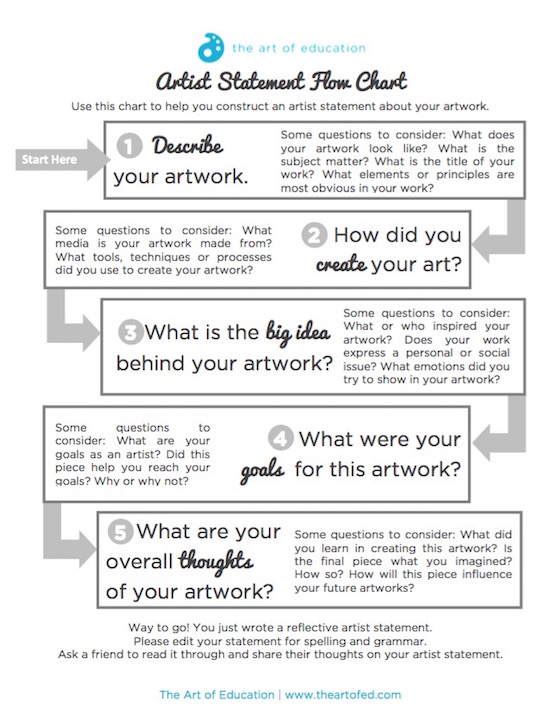
The journey of creating art is often as fascinating as the final product. An artist’s statement can offer insights into this process, demystifying the technical aspects and highlighting the decisions made along the way. This might include:

- Techniques and Methods: Describing specific artistic techniques, such as impasto in painting, casting in sculpture, or algorithmic generation in digital art.
- Material Exploration: Discussing the choice of materials and their role in the artwork’s meaning or aesthetic. For instance, why use recycled materials, or why explore the texture of a particular pigment?
- Development and Evolution: Briefly touching upon the stages of creation, from initial sketches or conceptualization to the final realization.
By sharing aspects of their process, artists can build a connection with their audience, allowing them to appreciate the skill, labor, and thoughtful consideration that went into each piece.
Defining the Artist’s Unique Voice and Vision
A strong artist’s statement should reflect the artist’s unique perspective and individual voice. It’s an opportunity to articulate what makes their work distinct and why it matters. This involves:
- Personal Philosophy: What are the artist’s core beliefs about art, creativity, or the world?
- Recurring Motifs and Symbolism: Are there recurring elements in their work that carry specific meaning?
- Artistic Goals: What is the artist hoping to achieve with their art? What kind of impact do they aim to have?
By clearly articulating their vision, artists can establish a consistent and recognizable artistic identity, which is crucial for building a reputation and connecting with an audience that resonates with their particular artistic language.
The Strategic Importance of the Artist’s Statement in the Digital Age
In today’s interconnected world, the artist’s statement has transcended the physical gallery walls, becoming an indispensable tool for online presence and professional development. Its strategic application in the digital realm significantly amplifies an artist’s reach and impact.
Enhancing Online Portfolios and Websites
For artists showcasing their work online, an artist’s statement is paramount. It serves as the introductory text that accompanies images, providing crucial context and inviting deeper engagement. A well-written statement on a personal website or online portfolio can:
- Improve Search Engine Optimization (SEO): Incorporating relevant keywords within the statement can help potential viewers find the artist’s work through search engines.
- Increase Engagement: A compelling narrative can keep visitors on the artist’s website longer, encouraging them to explore more of their work.
- Facilitate Online Sales: For artists selling their work online, the statement can help potential buyers understand the value and significance of a piece, influencing their purchasing decisions.
Building a Professional Brand and Connection
Beyond simply describing artwork, the artist’s statement plays a crucial role in building a personal brand. It allows artists to articulate their unique identity and connect with their audience on a more profound level. In this context, the statement contributes to:
- Establishing Authority and Credibility: A well-articulated statement demonstrates thoughtfulness and professionalism, enhancing the artist’s credibility.
- Cultivating a Following: By sharing their passions, processes, and perspectives, artists can attract and retain an audience that feels connected to their artistic journey.
- Networking and Opportunities: A clear and concise statement is invaluable for grant applications, residency proposals, and networking with curators, gallerists, and collectors. It provides a succinct yet impactful introduction to their artistic practice.
The artist’s statement, therefore, is not merely an appendage to the artwork but a strategic asset in navigating the contemporary art landscape, fostering understanding, building connections, and ultimately, amplifying the artist’s voice and vision.
aViewFromTheCave is a participant in the Amazon Services LLC Associates Program, an affiliate advertising program designed to provide a means for sites to earn advertising fees by advertising and linking to Amazon.com. Amazon, the Amazon logo, AmazonSupply, and the AmazonSupply logo are trademarks of Amazon.com, Inc. or its affiliates. As an Amazon Associate we earn affiliate commissions from qualifying purchases.