
In the modern digital landscape, the intersection of creativity and community has given birth to unique social structures that redefine how creators interact, grow their audiences, and establish their personal brands. One of the most significant and recurring events in this space is Art Fight. While it may sound like a competitive conflict, Art Fight is actually a massive, month-long web-based event that serves as a masterclass in collaborative marketing, community engagement, and visual brand development for digital artists worldwide.
At its core, Art Fight is a game of creative exchange hosted annually on its own dedicated platform. Thousands of artists are divided into teams and “attack” members of the opposing team by drawing their original characters (OCs). These “attacks” earn points for the team based on the complexity and quality of the work. However, looking past the gamified surface reveals a sophisticated engine for personal branding and networking that provides participants with unprecedented visibility within the creator economy.

The Anatomy of Art Fight: A Case Study in Digital Community Engagement
Art Fight functions as a massive, decentralized marketing campaign where the participants are both the creators and the consumers. To understand its impact on a brand strategy level, one must look at how the event structures interaction. Unlike traditional social media platforms where engagement is often passive—likes, shares, or brief comments—Art Fight mandates active, high-value engagement.
The Gamification of Collaborative Design
The event leverages gamification to drive brand loyalty toward specific “teams.” Every year, two themes are chosen (e.g., Team Bloom vs. Team Wither, Team Cyberpunk vs. Team Steampunk). By assigning artists to these groups, the event creates an immediate sense of corporate identity and collective purpose. From a brand strategy perspective, this tribalism fosters a deeper level of commitment to the platform. Artists aren’t just uploading work for themselves; they are contributing to a larger narrative, which increases the frequency and quality of their output.
This gamified structure also encourages “revenge” and “friendly fire,” terms used within the community to describe reciprocal drawing. In marketing terms, this is a sophisticated form of incentivized networking. When Artist A draws for Artist B, they are essentially providing a high-quality service for free, which almost always triggers a reciprocal action. This creates a feedback loop of brand exposure that is far more effective than paid advertisements or algorithmic discovery.
Team Identity and Collective Brand Loyalty
The visual identity of the teams themselves plays a crucial role in the event’s success. Each year, the Art Fight design team rolls out specific logos, color palettes, and aesthetics for the competing factions. Participants often integrate these elements into their own personal branding for the month of July, changing social media avatars and banners to reflect their team allegiance. This temporary rebranding creates a cohesive visual movement across platforms like X (formerly Twitter), Instagram, and BlueSky, serving as an organic, viral marketing campaign that draws new users into the ecosystem.
Personal Branding Through High-Velocity Creative Exchange
For an individual artist, Art Fight is more than a game; it is a strategic window to accelerate their personal brand. In an era where the “starving artist” trope is being replaced by the “creator-entrepreneur,” events like this provide the necessary infrastructure to build a recognizable visual style and a loyal following.
Visibility and Reach: The Art Fight Marketing Funnel
The primary challenge for any digital creator is discovery. Art Fight solves this by creating a centralized directory of thousands of “brand assets”—the original characters. When an artist uploads their characters to the site, they are essentially putting out a “creative brief” for others to follow.
Every time another artist “attacks” them, that artist’s entire audience is introduced to the original creator’s character design. This cross-pollination of audiences is the digital equivalent of a brand collaboration or a guest post. For a small creator, being “attacked” by a larger creator can result in a massive influx of followers, portfolio views, and potential future commissions. It is a high-velocity marketing funnel that rewards participation and aesthetic consistency.
Portfolio Building and Style Refinement
Consistency is a pillar of strong branding. Art Fight forces artists to work outside their comfort zones by drawing characters designed by others, which often leads to significant leaps in technical skill and style refinement. This “active practice” allows artists to diversify their portfolios while maintaining a high output.
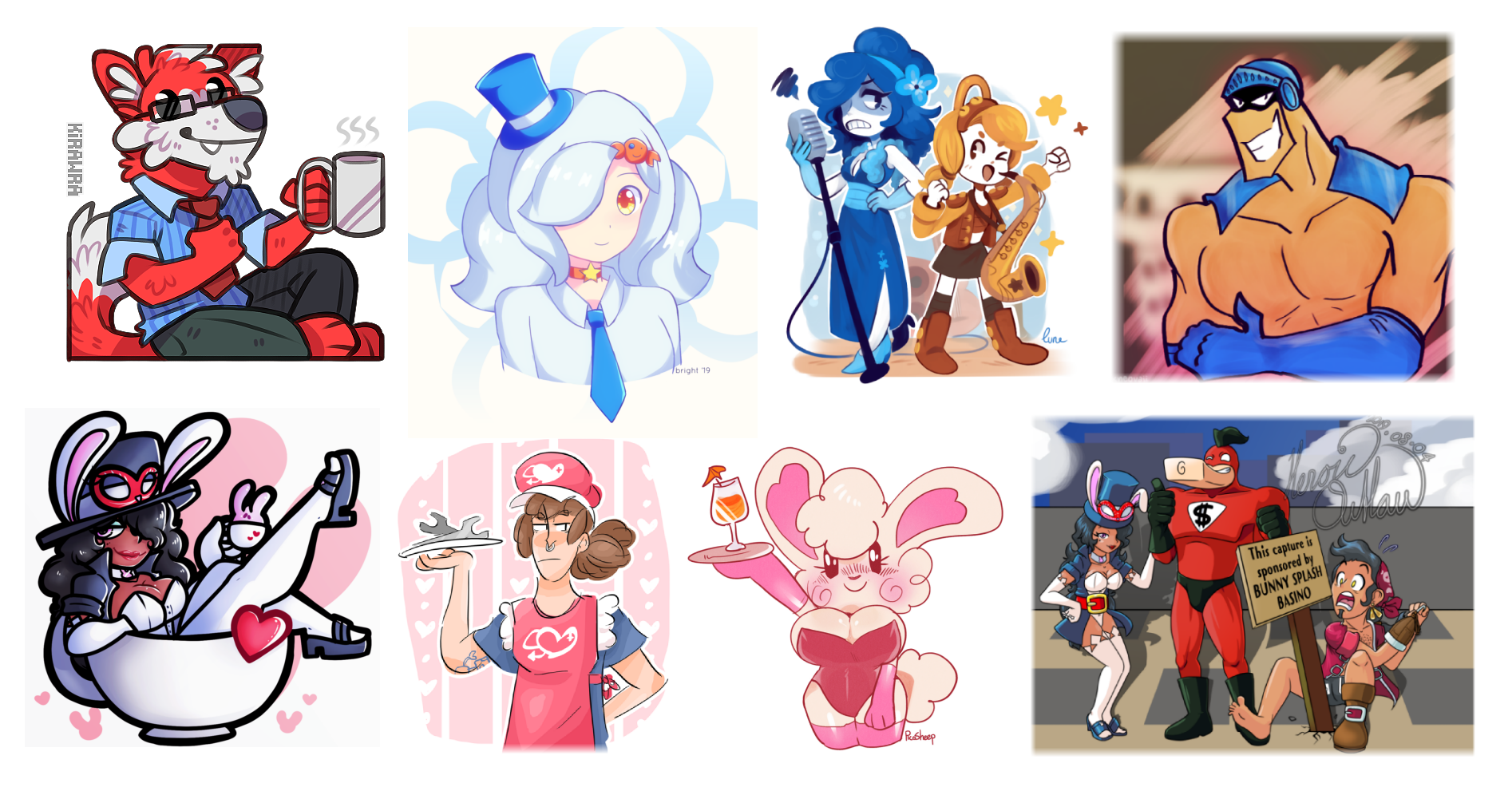
From a professional standpoint, a well-curated Art Fight profile serves as a living portfolio. It demonstrates an artist’s ability to interpret a client’s (or another creator’s) vision, their speed of execution, and their versatility. These are all critical brand attributes that appeal to potential clients and commercial collaborators. By the end of the event, an artist often has a dozen or more new pieces of high-quality work that showcase their brand’s range.
The Design Systems of Art Fight: Assets and User Experience
The platform itself is a sophisticated example of how design systems can manage massive amounts of data and user-generated content. For a brand to succeed, it needs a reliable home base, and the Art Fight website serves as the hub for this complex ecosystem of creative exchange.
Navigating the Character-Driven Economy
The “Original Character” (OC) is the fundamental unit of currency in Art Fight. In branding terms, an OC is a proprietary intellectual property asset. The platform allows artists to upload detailed “character sheets” which include reference images, personality traits, and usage guidelines.
This level of documentation is identical to a brand style guide. It teaches creators how to define their IP clearly so that others can replicate it accurately. Successfully managing these assets on the platform requires an understanding of information architecture and visual communication. The better an artist “brands” their character through clear references and compelling lore, the more likely they are to receive high-quality engagement from others.
Maintaining Brand Consistency Across Collaborative Works
One of the most fascinating aspects of Art Fight is seeing a single “brand asset” (a character) interpreted through hundreds of different artistic styles. For the original creator, this provides invaluable data on which elements of their design are the most iconic and recognizable.
If ten different artists all emphasize a specific color or silhouette in their attacks, the creator knows those elements are the “brand identifiers” of their character. This feedback allows creators to lean into their most successful design elements, effectively A/B testing their visual brand in real-time with a global audience.
Long-Term Brand Strategy and the Creator Economy
While the “fight” only lasts for one month, the strategic implications for participants extend throughout the rest of the year. Art Fight is not an isolated event; it is a catalyst for long-term growth and professionalization within the digital art market.
Transitioning from Participation to Professional Authority
Many artists use the momentum generated during Art Fight to launch new products, open commission slots, or start subscription services like Patreon. The high engagement period of July creates a “warm audience” that is primed for conversion in August.
By consistently participating and providing high-value art to others, an artist builds “social capital.” In the world of personal branding, social capital is the precursor to financial capital. The trust and rapport built during the event make it significantly easier for an artist to transition from a hobbyist to a professional, as they have already demonstrated their reliability and creative value to a large peer group.
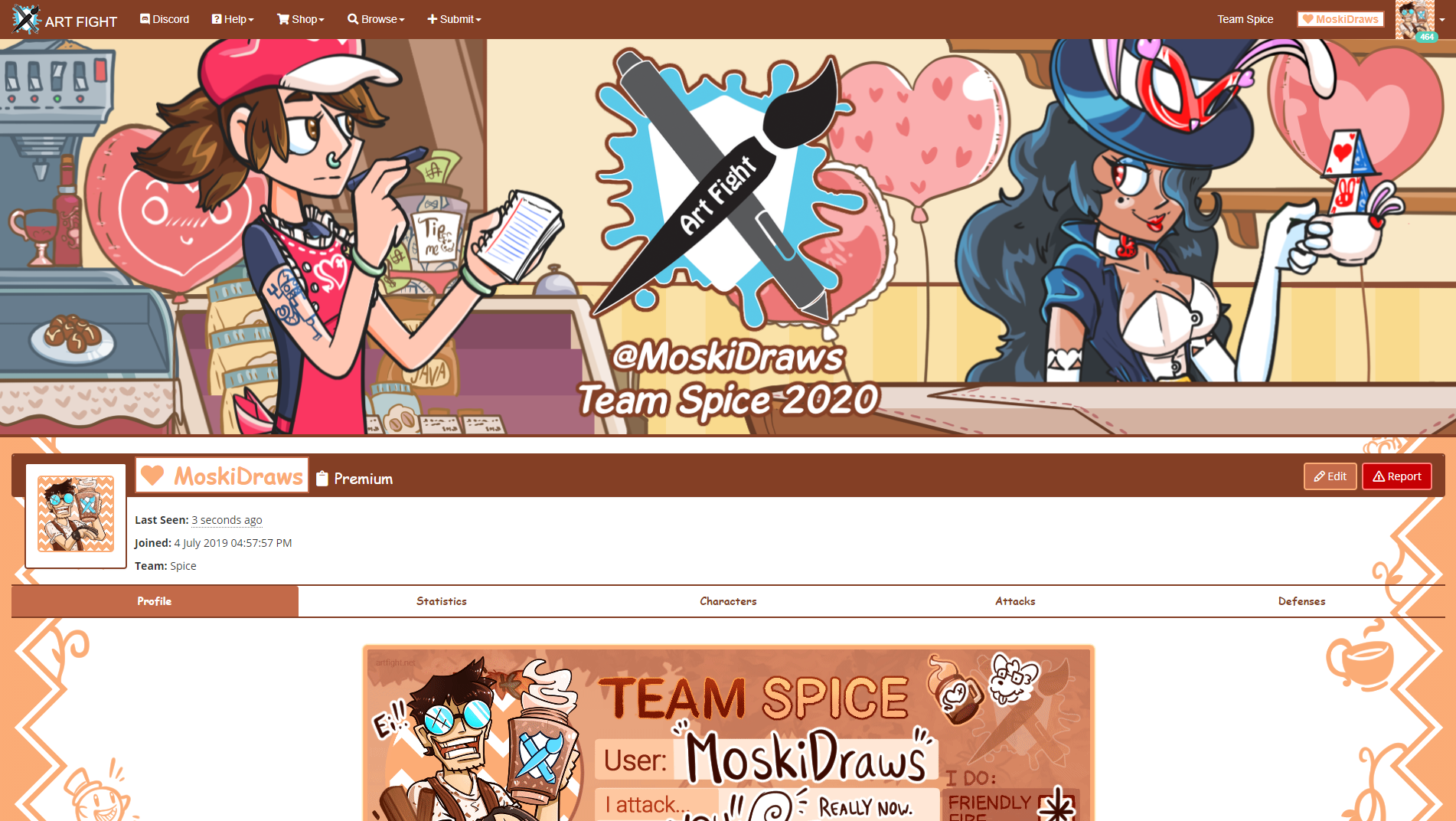
The Networking Ripple Effect
The connections made during Art Fight often lead to professional collaborations, zine invitations, and community leadership roles. In the professional art world, who you know is often as important as what you can draw. Art Fight democratizes networking by removing the barriers of formal introductions. An “attack” is a creative icebreaker that bypasses the awkwardness of traditional professional outreach.
This ripple effect reinforces the artist’s brand presence across multiple niches. Whether an artist specializes in character design for indie games, freelance illustration for publishing, or concept art for animation, the exposure gained during this event cements their reputation as a committed and active member of the global creative industry.
In conclusion, Art Fight is far more than a digital game; it is a sophisticated ecosystem that exemplifies the power of community-driven branding. By leveraging gamification, reciprocal marketing, and intellectual property management, it provides a blueprint for how creators can build a sustainable and recognizable personal brand in a crowded digital marketplace. For the modern artist, participating in Art Fight is a strategic investment in their creative future, offering a unique blend of skill development, audience growth, and community integration that is unmatched by traditional social media engagement.
aViewFromTheCave is a participant in the Amazon Services LLC Associates Program, an affiliate advertising program designed to provide a means for sites to earn advertising fees by advertising and linking to Amazon.com. Amazon, the Amazon logo, AmazonSupply, and the AmazonSupply logo are trademarks of Amazon.com, Inc. or its affiliates. As an Amazon Associate we earn affiliate commissions from qualifying purchases.