
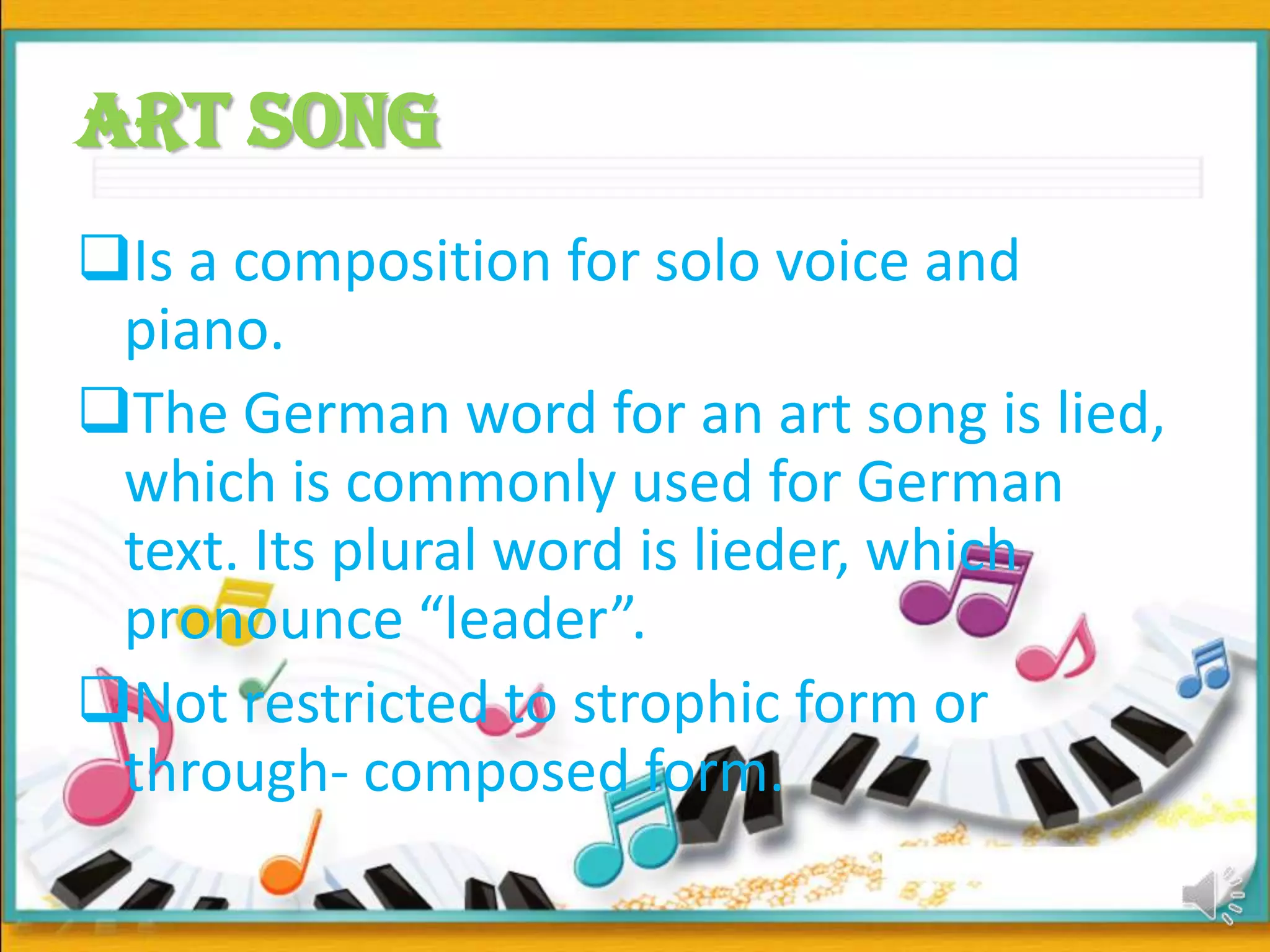
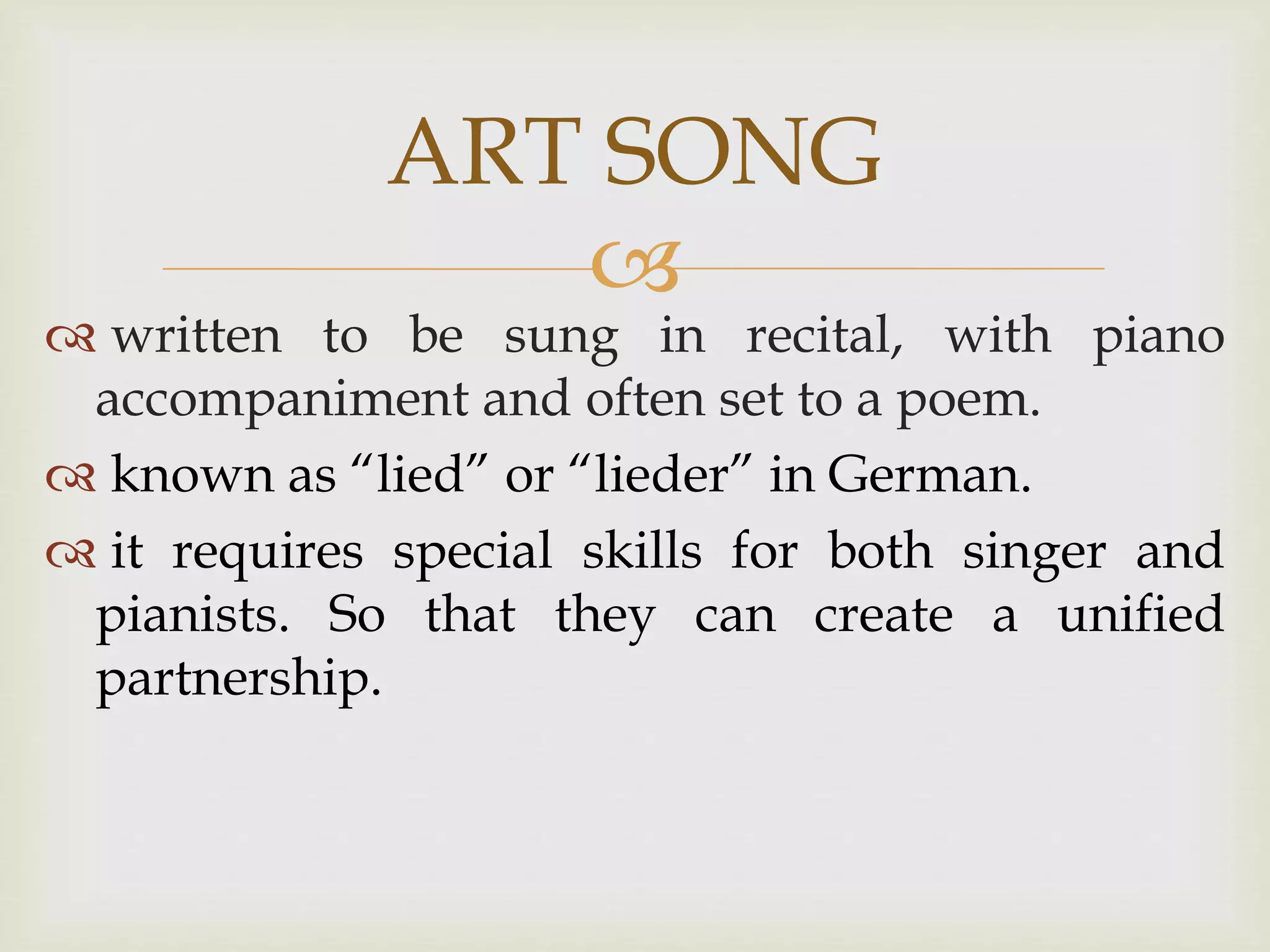
The art song, or lied as it is known in its foundational German tradition, represents a unique and profoundly intimate brand within the vast landscape of classical music. Far from a mere composition, it is a carefully crafted product of artistic intention, designed to forge a deep connection between poetry, music, and performer. Understanding “what an art song is” fundamentally involves dissecting its core brand identity, its design principles, and the distinct marketing and personal branding strategies that have sustained its appeal for centuries. It’s a testament to focused artistic branding that this specific musical form continues to resonate, embodying a timeless commitment to emotional authenticity and intellectual depth.
The Unique Brand Identity of the Art Song
At its heart, the art song’s brand identity is defined by a singular purpose: to elevate and interpret poetry through music. This commitment dictates its foundational design elements and shapes its communicative strategy.
Core Design Principles: Voice, Piano, and Poetic Text
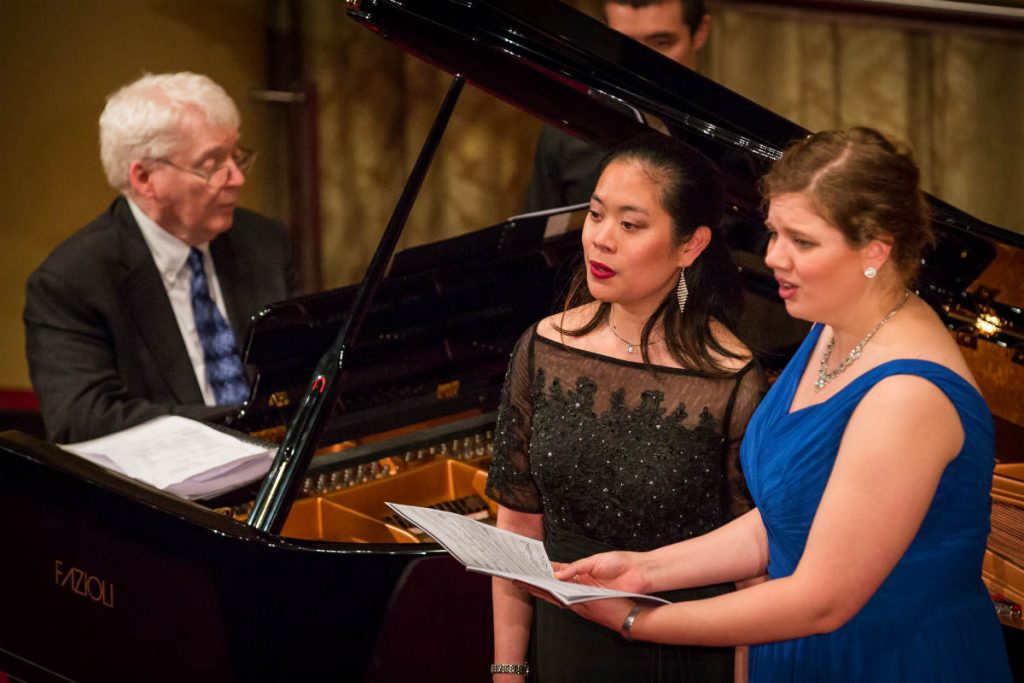
The primary design feature of an art song is its specific instrumentation: a solo voice accompanied by a piano. This minimalist pairing is a deliberate branding choice, emphasizing intimacy and direct communication. Unlike opera, which relies on grand theatricality, or choral works, which diffuse emotion across many voices, the art song focuses the listener’s attention intently on a single, expressive vocal line and the piano’s nuanced commentary.
The voice, often a trained classical singer, acts as the lead storyteller, conveying the text with precision, color, and dramatic inflection. However, a critical aspect of the art song’s design is that the piano is not merely an accompaniment; it is an equal partner in the narrative. The piano part often paints the scene, expresses unspoken emotions, or provides counterpoint to the vocal line, creating a rich, symbiotic texture. This collaborative design is a hallmark of the art song brand, distinguishing it from simpler folk songs or arias.
Integral to this design is the poetic text itself. Art songs are almost exclusively settings of pre-existing poetry, often by renowned literary figures. The composer’s role is to enhance, illuminate, and sometimes reinterpret the poem’s meaning through musical means. This close alliance with literature forms a significant part of the art song’s intellectual brand, appealing to an audience that values both musical and poetic sophistication. The choice of poetry, from the pastoral Romanticism of Goethe to the stark modernism of Rilke, dictates the specific emotional palette and thematic range of individual lieder, creating distinct product lines within the broader art song brand.
Emotional and Intellectual Branding: Intimacy and Depth
The emotional branding of the art song is its commitment to profound intimacy. It is a chamber music experience by nature, designed for smaller venues where the subtleties of expression can be fully appreciated. This creates a powerful connection between performer and audience, akin to a bespoke, personalized service rather than a mass-market offering. The thematic scope often explores universal human experiences – love, loss, nature, spirituality, and mortality – but filtered through a deeply personal and often introspective lens. This deep dive into human psychology resonates with audiences seeking authentic emotional engagement.
Intellectually, the art song brand signifies depth. Listeners are invited to engage with complex musical structures, sophisticated harmonic language, and the intricate interplay between text and tune. It’s a challenge and a reward for those who appreciate nuanced artistry. The genre often demands repeated listening to fully unravel its layers, fostering a loyal consumer base that values artistic mastery and profound thought. This positions the art song as a premium cultural product, valued for its intellectual rigor as much as its emotional impact.
Historical Context as Brand Heritage
The art song’s brand heritage is exceptionally rich, dating back to the late 18th and 19th centuries, primarily in Germany and Austria. Composers like Franz Schubert, Robert Schumann, Johannes Brahms, and Hugo Wolf established the foundational elements of the lied, creating a powerful legacy. Their compositions form the classical core of the art song repertoire, analogous to flagship products that define a luxury brand’s identity.
This historical lineage provides a powerful sense of authenticity and enduring value. The names of these masters are synonymous with the genre, lending credibility and prestige. Modern composers who write art songs often engage with this heritage, either by adhering to its principles or by innovatively reinterpreting them, thus evolving the brand while respecting its origins. This continuous dialogue with history reinforces the art song’s standing as a living, breathing artistic tradition.
Personal Branding and the Lieder Performer
For artists specializing in art song, personal branding is paramount. Unlike instrumentalists who can achieve renown through virtuosic displays, the lieder singer must craft a compelling persona that embodies the song’s narrative and emotional content.
Crafting a Unique Artistic Persona
A lieder singer’s personal brand is built on their voice, their interpretative intelligence, and their stage presence. It’s not just about vocal beauty, but about the ability to convey the intricate nuances of the poetry and music. Singers develop distinctive interpretive styles, becoming known for their particular insights into Schubert’s melancholia, Schumann’s romantic fervor, or Wolf’s psychological drama. This specialization creates a unique market position, distinguishing one artist from another. Their choice of repertoire, their collaborators (especially pianists, who are crucial to the art song brand), and their approach to performance all contribute to their unique artistic persona. They become the face of the art song brand to their audience.
Reputation Management in Classical Music
Reputation management is critical in the niche world of classical music, especially for lieder singers. Reviews from critics, word-of-mouth among connoisseurs, and recordings all contribute to an artist’s brand perception. A strong reputation is built on consistent, high-quality performances, thoughtful programming, and a genuine commitment to the art form. Missteps in interpretation, poor vocal technique, or a lack of engagement with the text can quickly damage a brand in this discerning market. Artists must carefully curate their public image, using press kits, professional photography, and judicious social media presence to reinforce their brand message. This meticulous attention to detail ensures that their artistic offerings are perceived as authentic and of the highest caliber.
Building Audience Engagement through Personal Connection
Lieder recitals, by their intimate nature, foster a direct connection with the audience. Singers often engage with their listeners through spoken introductions to songs, sharing insights into the poetry or the composer’s intentions. This personal touch enhances the brand experience, making the performance feel more accessible and engaging. Artists leverage their personal charisma and vulnerability to draw the audience into the emotional world of the art song. In an era of increasing digital interaction, this face-to-face engagement remains a powerful element of the lieder artist’s brand strategy, transforming passive listening into an active, shared experience.
Marketing and Dissemination Strategies for Lieder
The marketing of art song, given its niche appeal, requires specific strategies tailored to its unique brand proposition and target audience.
Niche Marketing to Connoisseurs and Educators
Art song performances and recordings are typically marketed to a discerning audience of classical music aficionados, academics, and students. This involves targeted advertising in classical music publications, university music departments, and cultural institutions. Educational outreach programs, masterclasses, and lectures are vital marketing tools, cultivating future generations of enthusiasts and performers. The focus is not on mass appeal, but on cultivating a loyal, informed community that understands and appreciates the art song’s unique value proposition. This niche marketing builds a strong, dedicated customer base that is crucial for the long-term sustainability of the brand.
Digital Platforms and Brand Expansion
In the digital age, art song has expanded its reach through various online platforms. Streaming services, digital archives, and YouTube channels allow wider access to recordings and performances, introducing the brand to new audiences globally. Social media is used by artists and institutions to share insights, promote upcoming events, and engage directly with fans, creating a more interactive brand experience. Websites and blogs serve as central hubs for information, artist bios, program notes, and recordings, acting as a digital storefront for the art song brand. This digital presence helps to demystify the genre and make it more approachable, without diluting its core artistic integrity.
Live Performance as a Brand Experience
Live recitals remain the primary marketing channel and brand experience for art song. The atmosphere of a recital hall, the focused attention of the audience, and the direct energy exchange between performers and listeners create an unparalleled brand immersion. Programming choices are crucial: thematic coherence, juxtaposition of different composers, or inclusion of contemporary works all contribute to a distinct brand experience for each recital. Presenters of art song recitals act as curators, shaping the audience’s perception of the genre and specific artists, thereby reinforcing or evolving the art song’s overall brand. From prestigious concert halls to intimate venues, each performance is an opportunity to reaffirm the art song’s commitment to profound musical storytelling.
The Evolution of the Art Song Brand
Like any enduring brand, the art song has continuously evolved, adapting to new contexts while safeguarding its core identity.
Adapting to Modern Audiences without Diluting Core Identity
Contemporary composers continue to write art songs, engaging with modern poetry and musical aesthetics. This ensures the brand remains relevant and vibrant, not merely a relic of the past. However, successful modern art songs adhere to the fundamental design principles of the genre – the intimate dialogue between voice, piano, and text – demonstrating a strategic commitment to core brand values. Innovators push boundaries in harmony and rhythm but maintain the integrity of the vocal-piano partnership, ensuring that the essence of the art song brand remains intact while reaching out to contemporary sensibilities.
Case Studies in Lieder’s Enduring Influence
The sheer volume and popularity of works by composers like Schubert (e.g., Winterreise and Die schöne Müllerin song cycles) and Schumann (e.g., Dichterliebe) stand as powerful case studies in successful long-term brand management. These cycles, with their narrative arcs and emotional depth, have become canonical, continually performed and recorded across generations. Their enduring appeal lies in their timeless themes and their masterful integration of poetry and music, demonstrating the power of a well-defined and consistently delivered artistic product. These works serve as benchmarks for quality and artistic achievement within the art song brand.
Securing the Future of a Venerable Brand
The future of the art song brand relies on continued investment in education, performance, and new commissions. Funding for festivals, competitions, and young artist programs ensures a pipeline of talent and an engaged audience base. By continually highlighting the art song’s unique capacity for emotional depth, intellectual engagement, and intimate communication, its stakeholders ensure that this venerable brand continues to thrive in an ever-changing cultural landscape. The art song remains a powerful testament to the enduring human need for beauty, poetry, and shared emotional experience, a brand whose value transcends time and trends.
aViewFromTheCave is a participant in the Amazon Services LLC Associates Program, an affiliate advertising program designed to provide a means for sites to earn advertising fees by advertising and linking to Amazon.com. Amazon, the Amazon logo, AmazonSupply, and the AmazonSupply logo are trademarks of Amazon.com, Inc. or its affiliates. As an Amazon Associate we earn affiliate commissions from qualifying purchases.