
In the evolving landscape of modern healthcare, the role of the Advanced Practice Registered Nurse (APRN) has emerged not only as a clinical necessity but as a significant economic powerhouse. For nursing professionals considering the leap from a traditional Registered Nurse (RN) role to an advanced practice designation, the decision is rarely just about patient care; it is a calculated financial move. Understanding what an APRN is requires a deep dive into the professional investment, the return on education, and the unique position these providers hold within the business of healthcare.
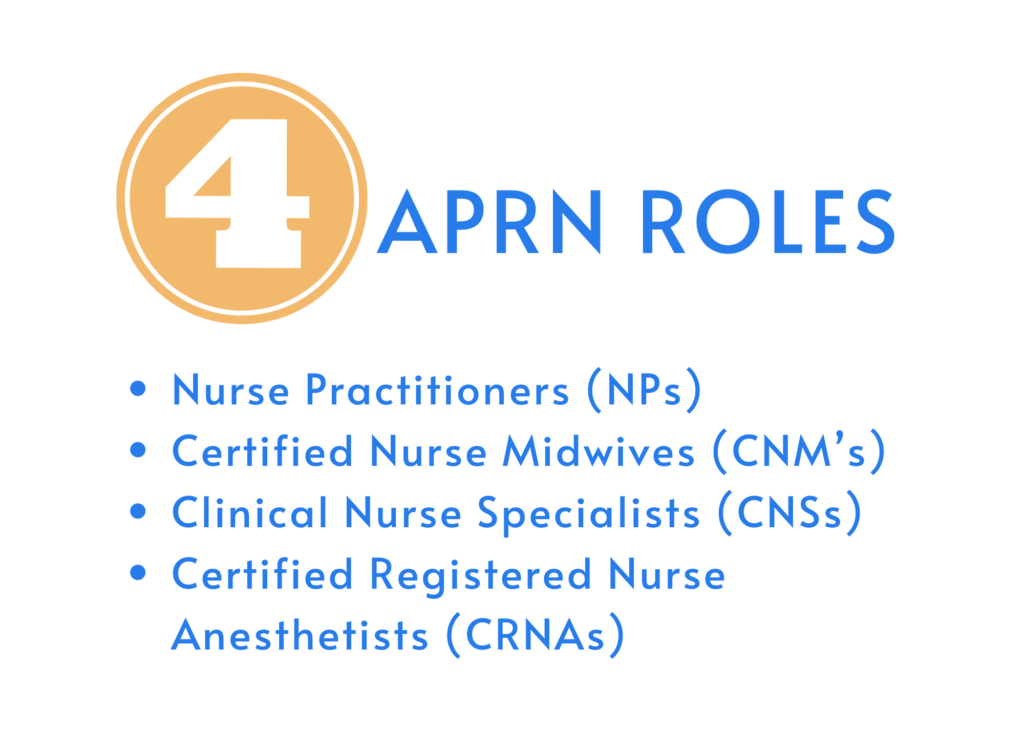
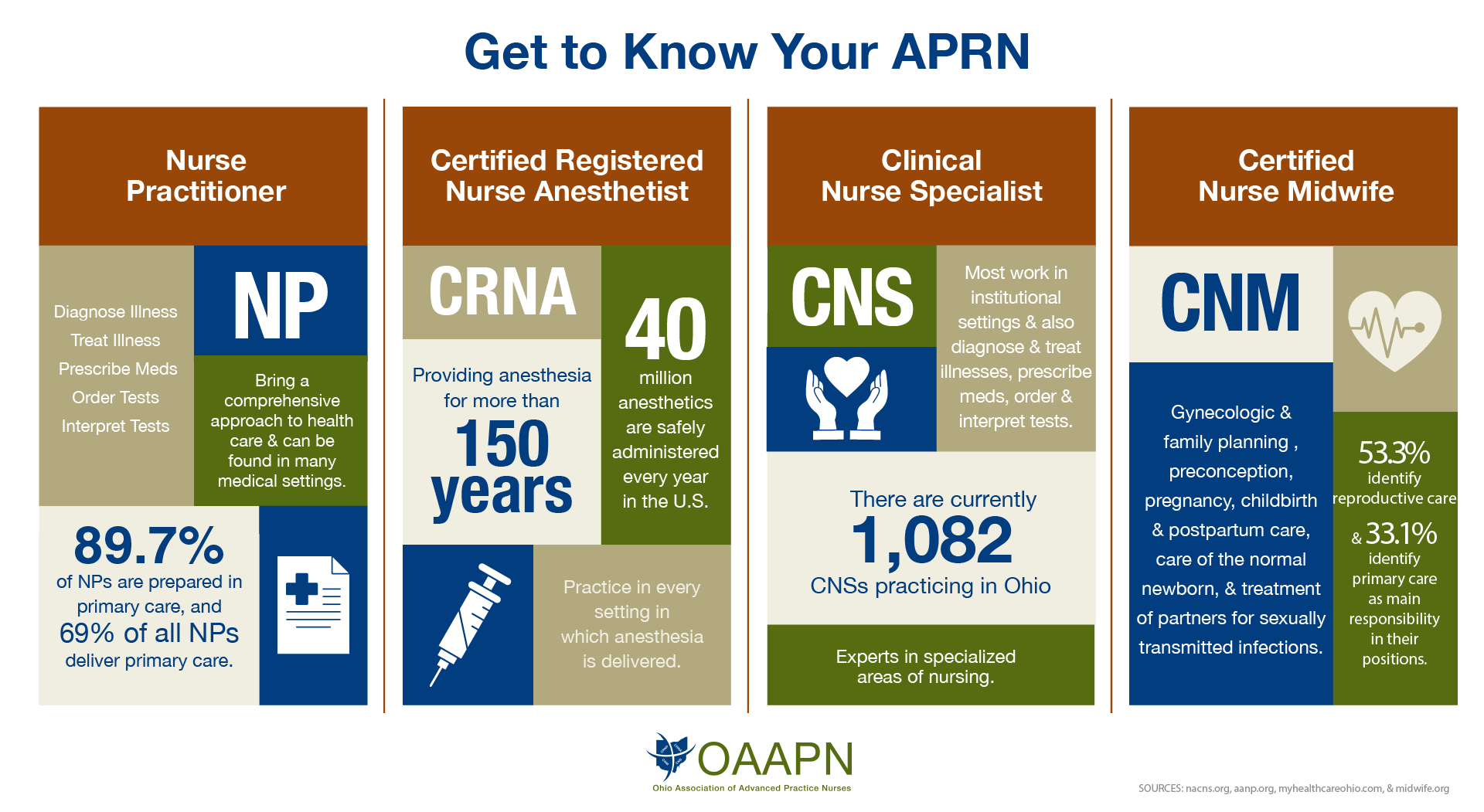
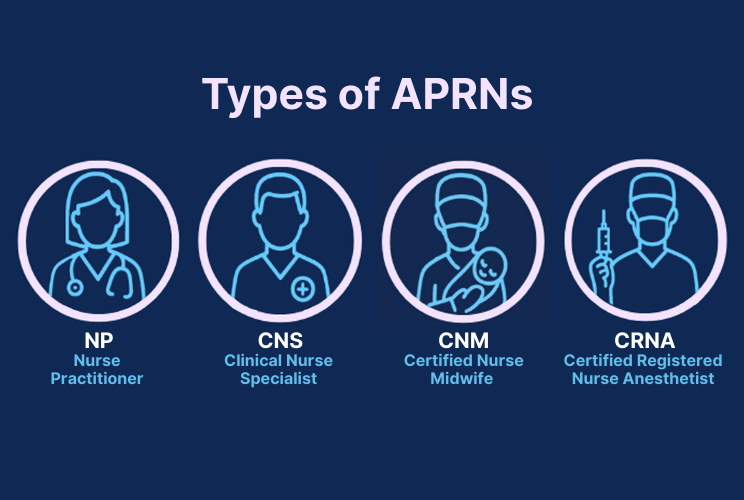
An APRN is a nurse who has obtained at least a Master’s of Science in Nursing (MSN) or a Doctor of Nursing Practice (DNP), alongside specialized clinical training. This category includes Nurse Practitioners (NPs), Certified Registered Nurse Anesthetists (CRNAs), Clinical Nurse Specialists (CNSs), and Certified Nurse-Midwives (CNMs). From a financial perspective, becoming an APRN represents a transition from an hourly clinical worker to a high-earning healthcare provider with the potential for business ownership and significant wealth accumulation.
The Financial Landscape of Advanced Practice Nursing: The Initial Investment
The journey to becoming an APRN is, first and foremost, a capital-intensive venture. Aspiring APRNs must weigh the high cost of graduate-level education against the projected increase in lifetime earnings. This “buy-in” phase is critical for any professional looking to maximize their fiscal health.
Education Costs vs. Earning Potential
The price tag for an MSN or DNP can range anywhere from $40,000 to over $150,000, depending on the prestige of the institution and the length of the program. However, the ROI (Return on Investment) is often more favorable than many other graduate degrees. While a bedside RN may plateau at a certain salary ceiling, APRNs enter a bracket that often starts in the low six figures.
When analyzing the “break-even” point, most APRNs find that the salary differential—often $40,000 to $70,000 more per year than an RN—allows them to recoup their tuition investment within three to five years of graduation. This makes the APRN path one of the most reliable “upskilling” investments in the current labor market.
The Cost of Certification and Licensure
Beyond tuition, the “Money” niche of the APRN world involves the ongoing costs of maintaining professional standing. National certification exams (such as those through the AANP or ANCC) and state-specific licensure fees are recurring business expenses. Furthermore, APRNs must invest in Continuing Education (CE) credits to maintain their status.
For the savvy APRN, these are not merely costs but tax-deductible professional expenses. In many employment contracts, savvy negotiators ensure that these fees are covered by the employer as part of a total compensation package, effectively shielding the nurse’s take-home pay from these administrative burdens.
Maximizing Your Earning Power as an APRN
Once the credentials are secured, the focus shifts from investment to revenue generation. The “Money” side of being an APRN is highly variable, influenced heavily by the chosen specialty and the geographical market.
Specialization as a Wealth-Building Strategy
Not all APRN roles are compensated equally. If wealth accumulation is a primary goal, specialization is the most effective lever. For instance, Certified Registered Nurse Anesthetists (CRNAs) are consistently among the highest earners in the nursing profession, with median salaries often exceeding $200,000.
Psychiatric Mental Health Nurse Practitioners (PMHNPs) also command high premiums due to a nationwide shortage of mental health providers. By aligning one’s clinical interests with high-demand, low-supply specialties, an APRN can significantly increase their market value. This is a classic supply-and-demand economic scenario where the specialized practitioner can dictate higher contract rates and better bonus structures.
Geographic Arbitrage: Top Paying States for APRNs
In the world of personal finance, where you live is as important as what you do. “Geographic arbitrage” refers to the practice of earning a high salary in an area where the cost of living is manageable, or simply moving to a state that compensates providers at a higher rate.
States like California, New York, and Washington often offer the highest nominal salaries for APRNs, sometimes exceeding $150,000 for standard NP roles. However, a financially literate APRN might also look at states with no income tax or those with “Full Practice Authority” (FPA). In FPA states, APRNs can operate their own clinics without the overhead of a supervising physician’s fee, which can range from $500 to $5,000 per month. Eliminating this “middleman” fee directly increases the practitioner’s net profit margin.
The Business of Healthcare: APRNs as Revenue Generators
To understand what an APRN is in a corporate context, one must view them as a primary revenue-generating asset for a healthcare organization. Unlike RNs, who are often categorized as “labor costs” in hospital budgeting, APRNs are “billable providers.”
Billing, Coding, and Reimbursement Models
APRNs have their own National Provider Identifier (NPI) numbers, allowing them to bill Medicare, Medicaid, and private insurers directly. Typically, APRNs are reimbursed at 85% of the Physician Fee Schedule under Medicare. While this is a slight discount compared to MDs, the lower cost of employing an APRN makes them highly profitable for clinics and hospitals.
For the APRN, understanding the mechanics of “Relative Value Units” (RVUs) is essential. Many modern employment contracts include a base salary plus an RVU-based bonus. This means the more efficient the APRN is at seeing patients and the more accurately they code their services, the more money they earn. This performance-based pay structure aligns the nurse’s financial success with the facility’s productivity.
The APRN as an Independent Practice Owner
One of the most significant financial shifts in the nursing profession is the rise of the APRN entrepreneur. In many states, APRNs can open their own private practices, wellness centers, or aesthetics clinics.
As a business owner, the APRN moves from being a salaried employee to an equity holder. This allows for diverse income streams, including the ability to hire other providers (RNs, LPNs, or other APRNs) and profit from the collective billings of the practice. The business model of an APRN-led clinic often has lower overhead than a traditional physician-led practice, allowing for a leaner, more profitable operation that can capitalize on niche markets like direct primary care or specialized hormone replacement therapy.
Financial Tools and Benefits for the Advanced Practice Nurse
The financial profile of an APRN is not just defined by what they earn, but by how they protect and grow that wealth. Transitioning into this role opens doors to sophisticated financial tools and tax strategies that are often unavailable to entry-level healthcare workers.
Tax Advantages and Professional Deductions
For the APRN working as a 1099 contractor (locum tenens), the tax benefits are substantial. By operating as an S-Corp or an LLC, an APRN can deduct home office expenses, travel, medical equipment, and professional development. Even for W-2 employees, many APRNs negotiate “Professional Development Funds” that act as tax-free shells for their ongoing education and equipment needs (like high-end stethoscopes or mobile diagnostic tools).
Furthermore, malpractice insurance—a necessity for any advanced provider—is a significant but necessary business expense. Savvy APRNs look for “occurrence-based” policies versus “claims-made” policies to ensure long-term financial protection against potential litigation, which is a vital part of a comprehensive risk management strategy.
Retirement Planning and Employer Contributions
Because of their high income, APRNs often hit the contribution limits of standard 401(k) or 403(b) accounts quickly. This necessitates a more complex investment strategy, such as utilizing “Backdoor Roth IRAs” or Health Savings Accounts (HSAs) as secondary investment vehicles.
In the competitive market for APRN talent, many healthcare systems offer aggressive retirement matching or even student loan repayment programs. A “Sign-on Bonus” for an APRN can range from $5,000 to $30,000. When viewed through a financial lens, these bonuses should be treated as investment capital—used to wipe out high-interest debt or to fund a brokerage account—rather than lifestyle inflation.
Conclusion: The APRN as a High-Value Career Asset
Ultimately, an APRN is more than just a nurse with an advanced degree; they are a high-value asset in the healthcare economy. The transition to advanced practice is one of the most effective ways to increase one’s “human capital.” By navigating the education costs, choosing high-earning specialties, and understanding the nuances of medical billing and business ownership, the APRN can achieve a level of financial independence that is rare in the service-oriented world of healthcare.
For those asking “what is an APRN nurse,” the answer lies in the intersection of clinical excellence and economic opportunity. It is a role that offers a seat at the table of healthcare leadership and a clear path toward significant personal and professional wealth. Whether through independent practice, specialized hospital roles, or lucrative contract work, the APRN remains one of the most financially sound career choices in the 21st-century economy.
aViewFromTheCave is a participant in the Amazon Services LLC Associates Program, an affiliate advertising program designed to provide a means for sites to earn advertising fees by advertising and linking to Amazon.com. Amazon, the Amazon logo, AmazonSupply, and the AmazonSupply logo are trademarks of Amazon.com, Inc. or its affiliates. As an Amazon Associate we earn affiliate commissions from qualifying purchases.