
In the intricate world of personal finance and lending, acronyms abound, often obscuring rather than clarifying the true cost of borrowing. Among the most critical of these is APR, or Annual Percentage Rate. Far more than just an interest rate, the APR is a comprehensive measure designed to give consumers a clearer understanding of the total yearly cost of a loan or credit product. Understanding what an APR is, how it’s calculated, and its various forms is not just financial literacy; it’s a foundational skill for anyone looking to borrow money, secure a mortgage, or simply manage a credit card responsibly.
This article will meticulously deconstruct the APR, moving beyond its simple definition to explore its components, variations, and profound impact on your financial decisions. We’ll delve into why comparing APRs is paramount, what factors influence the rate you’re offered, and how a solid grasp of this concept can empower you to make more informed and cost-effective choices. Whether you’re a first-time borrower or a seasoned investor, a thorough understanding of the APR is indispensable for navigating the complexities of credit and debt with confidence and insight.
Deconstructing the Annual Percentage Rate (APR)
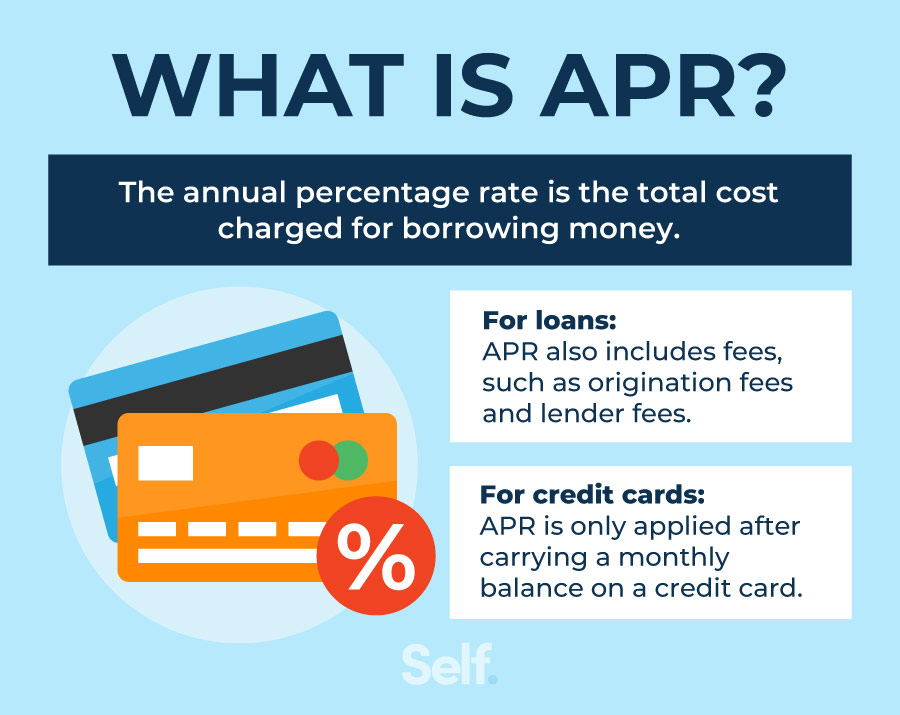
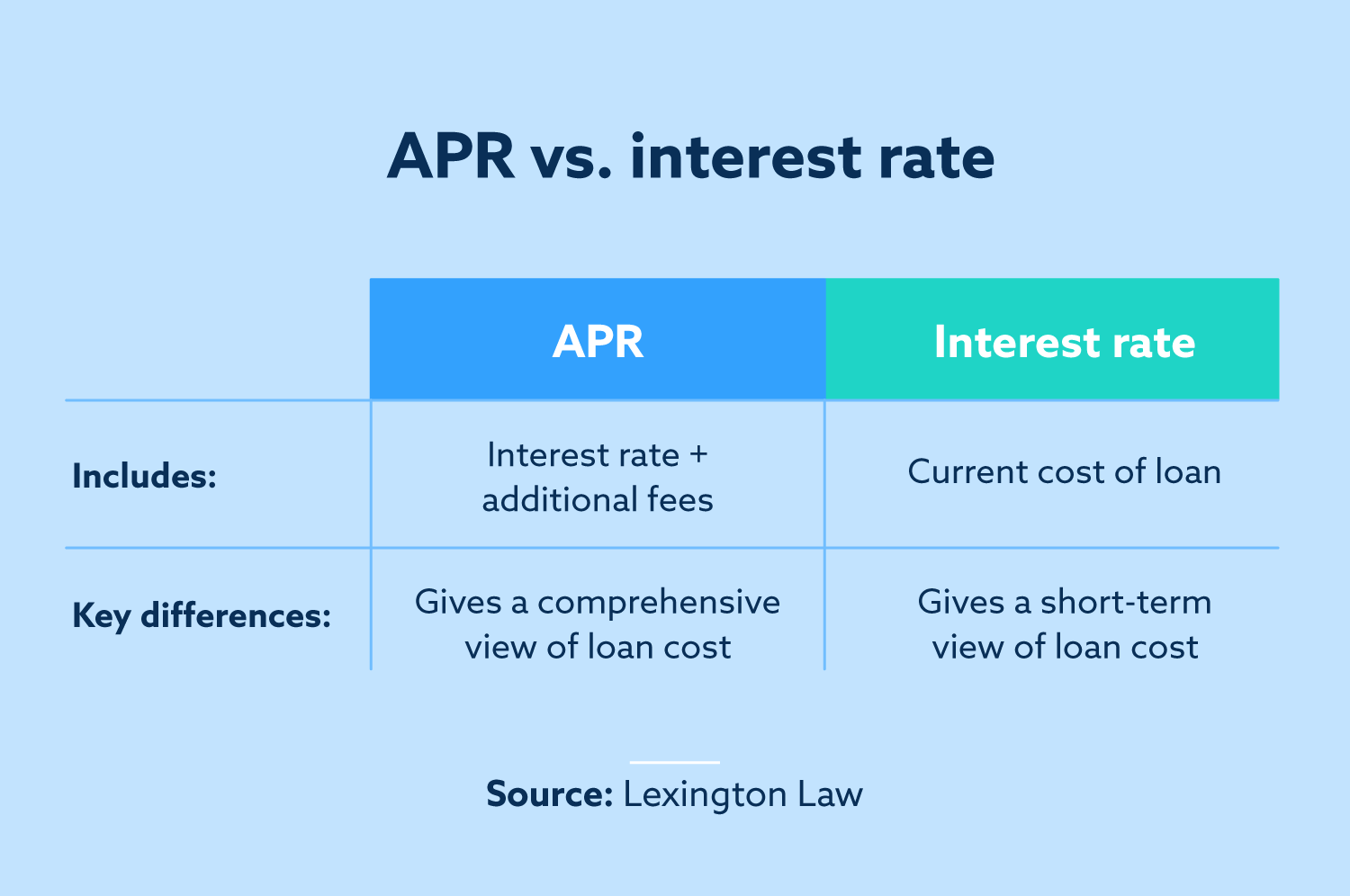
At its core, the Annual Percentage Rate (APR) represents the true yearly cost of borrowing money. While often confused with the interest rate, the APR is a broader figure that encompasses not only the interest charged on the principal loan amount but also many of the additional fees associated with obtaining the credit. This holistic view is crucial for consumers because it provides a more accurate picture of what they will truly pay over the course of a year, allowing for more meaningful comparisons between different loan products.
The Core Definition: Beyond the Interest Rate
To fully grasp APR, it’s essential to differentiate it from a simple interest rate. The interest rate is typically expressed as a percentage of the principal and is the primary charge for the use of borrowed money. For instance, if you borrow $10,000 at a 5% interest rate, you’d pay $500 in interest for that year (assuming simple interest and no other fees). However, lenders often charge additional fees to cover their administrative costs, underwriting expenses, or other services related to originating the loan. These can include origination fees, processing fees, closing costs (for mortgages), discount points, and sometimes even credit report fees.
The genius of the APR lies in its ability to consolidate these additional mandatory costs into a single, annualized percentage figure. By law, lenders are required to disclose the APR for most consumer loans. This allows consumers to see a standardized measure of the total cost, making it easier to compare offers from different lenders, even if those lenders have varying fee structures. A loan with a lower interest rate but higher fees might, in fact, have a higher APR than a loan with a slightly higher interest rate but fewer or no fees.
How APR is Calculated: A Transparent Look
Calculating the APR can be a complex actuarial process for lenders, but the underlying principle for consumers is straightforward: it takes all the mandatory costs of borrowing and spreads them out over the loan’s term, then expresses that total yearly cost as a percentage of the amount borrowed. While the exact formula used by lenders involves intricate financial mathematics, the general idea is to convert all charges—interest and fees—into an effective annual interest rate.
For a simple illustration, imagine a one-year loan where you borrow $10,000 at a 5% interest rate, and there’s a mandatory $100 origination fee.
- Total interest: $10,000 * 5% = $500
- Total fees: $100
- Total cost of borrowing: $500 (interest) + $100 (fee) = $600
- The effective annual cost expressed as a percentage of the borrowed amount: ($600 / $10,000) * 100% = 6% APR.
This simplified example demonstrates how the APR provides a more complete cost picture than the interest rate alone. For more complex loans, especially mortgages, the calculation includes various specific closing costs and discount points, all amortized over the loan’s life. It’s important to note that optional fees, like late payment fees or charges for additional services you choose (e.g., expedited processing), are generally not included in the APR calculation. The APR is focused on the inherent costs of obtaining the credit, not penalties or elective services. This transparency empowers borrowers to look beyond the headline interest rate and understand the full financial commitment.
Types of APRs: Understanding the Nuances
Not all APRs are created equal. The type of loan, the lender’s policies, and even the borrower’s creditworthiness can lead to significant variations in how APRs are structured and applied. Recognizing these distinctions is crucial for effective financial planning and decision-making, particularly when comparing different credit products.
Fixed vs. Variable APR
One of the most fundamental distinctions in APRs is whether they are fixed or variable.
- Fixed APR: As the name suggests, a fixed APR remains constant throughout the life of the loan. This provides stability and predictability in your monthly payments, making budgeting easier. Fixed-rate mortgages, for example, ensure that your principal and interest payment stays the same for 15 or 30 years, regardless of market fluctuations. Personal loans and installment loans often come with fixed APRs. While reassuring, a fixed APR means you won’t benefit if market interest rates fall significantly after you’ve taken out the loan.
- Variable APR: A variable APR, conversely, can change over time. It’s typically tied to a specific financial index, such as the prime rate (which is influenced by the federal funds rate). If the index rate rises, your APR will likely increase, leading to higher monthly payments and a greater total cost of borrowing. If the index falls, your APR and payments might decrease. Credit cards almost exclusively use variable APRs, as do adjustable-rate mortgages (ARMs) and home equity lines of credit (HELOCs). While variable APRs can offer lower initial rates, they introduce an element of risk due to potential payment increases, which can be challenging for those on a tight budget.
Purchase, Cash Advance, and Balance Transfer APRs
Credit cards are unique in that they often feature multiple APRs, each applicable to a different type of transaction.
- Purchase APR: This is the most common APR and applies to new purchases made with the credit card. If you don’t pay your statement balance in full by the due date, interest will be calculated using this rate on the outstanding purchase amount.
- Cash Advance APR: Taking a cash advance from your credit card is typically much more expensive. Cash advance APRs are almost always significantly higher than purchase APRs, and interest often begins accruing immediately, without the grace period usually offered for purchases. There’s also usually a separate cash advance fee. This makes cash advances a very costly form of borrowing and generally should be avoided.
- Balance Transfer APR: If you transfer a balance from one credit card to another, this specific APR will apply to the transferred amount. Lenders often offer promotional, low (or even 0%) balance transfer APRs for an introductory period to attract new customers. While tempting, it’s crucial to understand what the APR will revert to after the introductory period, as it can be quite high. There’s also usually a balance transfer fee, typically 3-5% of the transferred amount.
Introductory vs. Penalty APRs
Two other critical types of APRs, especially prevalent with credit cards, are designed to either entice or penalize consumers.
- Introductory APR: This is a temporarily low or 0% APR offered by lenders to new customers for a specific period (e.g., 6, 12, or 18 months). It’s a marketing tool to encourage sign-ups and balance transfers. While beneficial for managing debt or making a large purchase without immediate interest, it’s vital to know the “go-to” or standard APR that will apply once the introductory period expires, as this rate can be much higher. Missing a payment during this period can also often revoke the introductory rate early.
- Penalty APR: This is a significantly higher APR that a credit card issuer can impose if a cardholder violates the terms of their agreement. Common triggers include making a late payment, exceeding your credit limit, or having a payment returned due to insufficient funds. A penalty APR can be substantially higher than your standard purchase APR, sometimes exceeding 29.99%, and it can apply to all outstanding balances, not just new purchases. It usually remains in effect for a specified period (e.g., six months) or until you demonstrate a consistent history of on-time payments. Understanding and avoiding actions that trigger a penalty APR is crucial for maintaining manageable credit card debt.
Why APR Matters: Impact on Your Financial Health

Understanding the APR is not merely an academic exercise; it has a tangible and profound impact on your financial health. The APR is arguably the single most important figure to consider when borrowing money, as it directly influences the total cost of your debt, your monthly payments, and your overall financial flexibility.
Comparing Loan Offers: More Than Just the Monthly Payment
When shopping for a loan—be it a mortgage, a car loan, or a personal loan—lenders will often highlight attractive monthly payment figures. While managing monthly cash flow is important, focusing solely on the monthly payment can be misleading and lead you to choose a more expensive loan in the long run. This is where the APR becomes your most powerful comparison tool.
Different lenders might structure their loans with varying interest rates, points, and fees. A loan with a lower stated interest rate might come with hefty upfront fees that drive up its effective annual cost. Conversely, a loan with a slightly higher interest rate but minimal fees could end up being cheaper overall. The APR standardizes this comparison by rolling all mandatory costs into a single percentage. By comparing the APRs of different offers, you can accurately assess which loan truly costs less, regardless of how individual components are presented. Always ask for the APR and use it as your primary metric when evaluating loan options to ensure you’re getting the best value.
The Long-Term Cost of Borrowing
The difference of even a seemingly small percentage point in APR can translate into thousands, or even tens of thousands, of dollars over the lifetime of a long-term loan like a mortgage. For example, on a $300,000, 30-year fixed-rate mortgage, the difference between a 6.0% APR and a 6.5% APR could mean paying an extra $35,000 to $40,000 in interest over the life of the loan.
Similarly, with credit cards, a high APR on a revolving balance can create a perpetual debt cycle. If you consistently carry a balance and only make minimum payments, a significant portion of your payment goes towards interest rather than reducing the principal. This means it takes much longer to pay off the debt, and the total cost of borrowing can skyrocket. Understanding the compounding effect of APR over time empowers you to see the real financial implications of your borrowing decisions and motivates you to seek the lowest possible rates and pay down high-interest debt aggressively.
Credit Card Management and APR
For credit cards, the APR is central to effective debt management.
- Avoiding Interest: The best way to manage credit card APRs is to avoid paying interest altogether. By paying your statement balance in full every month by the due date, you typically benefit from a grace period where no interest is charged on new purchases. This effectively means your APR on purchases is 0% as long as you pay in full.
- Impact of High APR on Revolving Debt: If you carry a balance, a high credit card APR can quickly escalate your debt. Consider a $5,000 balance at a 20% APR versus a 25% APR. The difference in annual interest alone is $250 (assuming no payments). Over time, this difference compounds, making it harder to escape debt. Understanding your credit card’s APRs (purchase, cash advance, balance transfer, and potential penalty APRs) is crucial for making informed choices about how you use your card and for prioritizing which debts to pay off first. Debts with the highest APR should generally be targeted first to minimize the total cost.
Factors Influencing Your APR
The APR you are offered by a lender is not arbitrary; it’s the result of a complex assessment of various factors designed to determine the risk associated with lending you money. Understanding these influences can help you take steps to secure the most favorable rates.
Your Credit Score: The Primary Determinant
By far, the most significant factor influencing the APR you’ll receive is your credit score. Lenders use credit scores (like FICO or VantageScore) as a quick and objective measure of your creditworthiness and your likelihood of repaying debt.
- High Credit Score (e.g., 740+): Individuals with excellent credit scores are considered low-risk borrowers. They demonstrate a history of responsible financial behavior, including paying bills on time, managing debt prudently, and having a diverse credit mix. As a result, lenders compete for their business by offering the lowest available APRs, translating into significant savings over the life of a loan.
- Average Credit Score (e.g., 670-739): Borrowers with good or average credit scores will generally qualify for loans, but their APRs will be higher than those with excellent credit. Lenders perceive a slightly elevated risk and price that into the rate.
- Low Credit Score (e.g., below 670): Individuals with lower credit scores are considered higher-risk. Lenders may still offer them credit, but it will come with significantly higher APRs to compensate for the increased likelihood of default. In some cases, loans might not even be available.
Improving your credit score through consistent on-time payments, reducing credit utilization, and correcting any errors on your credit report is one of the most effective strategies for lowering the APRs you’ll be offered in the future.
Loan Type and Lender Policies
The type of loan you seek also plays a critical role in the APR. Different loan products inherently carry different levels of risk for lenders.
- Secured Loans vs. Unsecured Loans:
- Secured Loans (e.g., mortgages, auto loans) are backed by collateral (your home, your car). If you default, the lender can seize the collateral to recover their losses. This significantly reduces the lender’s risk, allowing them to offer lower APRs.
- Unsecured Loans (e.g., personal loans, credit cards) have no collateral. If you default, the lender has no specific asset to seize. This higher risk translates into generally higher APRs compared to secured loans for borrowers with similar credit profiles.
- Lender Policies and Business Models: Different financial institutions have varying lending strategies, risk appetites, and operational costs. A large national bank might have different APRs than a local credit union or an online lender, even for the same loan product and credit score. Some lenders specialize in certain types of loans or borrowers, which can influence their pricing. It’s always advisable to shop around and compare offers from multiple lenders, as their internal policies will affect the APR they are willing to offer you.
Market Conditions and Economic Climate
Broader economic factors also influence APRs, often beyond the control of individual borrowers or even specific lenders.
- Federal Interest Rates: The Federal Reserve’s target for the federal funds rate is a cornerstone of the U.S. financial system. When the Fed raises this rate, it typically makes it more expensive for banks to borrow money, which in turn leads to higher interest rates and APRs for consumers across the board, especially for variable-rate products like credit cards and ARMs. Conversely, when the Fed lowers rates, consumer APRs tend to decrease.
- Inflation: High inflation can also push APRs upward. Lenders need to ensure that the return on their loans keeps pace with the eroding purchasing power of money. To maintain their profit margins and account for inflation risk, they may charge higher interest rates and APRs.
- Economic Outlook: The overall health and stability of the economy can affect lenders’ willingness to lend and the rates they offer. During times of economic uncertainty or recession, lenders may become more cautious, leading to stricter lending standards and potentially higher APRs, even for creditworthy borrowers, as they seek to mitigate perceived risks.
Understanding these factors allows you to not only prepare for the rates you might receive but also strategize on when might be the most opportune time to seek new credit or refinance existing debt.
In conclusion, the Annual Percentage Rate (APR) is a cornerstone concept in personal finance, offering a transparent and comprehensive measure of the true cost of borrowing. It goes beyond the simple interest rate, encompassing various fees and charges to provide a standardized figure that is invaluable for comparing credit products. From differentiating between fixed and variable rates to understanding the distinct APRs for purchases, cash advances, and balance transfers on credit cards, a nuanced appreciation of APR is essential for making astute financial decisions.
The impact of APR on your financial health cannot be overstated; even small differences in the rate can translate into significant costs over the long term, making careful comparison a paramount step before committing to any loan. Furthermore, your credit score, the type of loan you seek, the lender’s policies, and broader economic conditions all play a crucial role in determining the APR you are offered. By actively working to improve your creditworthiness and by diligently shopping around for the best rates, you empower yourself to navigate the world of credit with confidence and secure the most favorable terms for your financial future. Understanding APR isn’t just about avoiding hidden costs; it’s about taking control of your financial destiny.
aViewFromTheCave is a participant in the Amazon Services LLC Associates Program, an affiliate advertising program designed to provide a means for sites to earn advertising fees by advertising and linking to Amazon.com. Amazon, the Amazon logo, AmazonSupply, and the AmazonSupply logo are trademarks of Amazon.com, Inc. or its affiliates. As an Amazon Associate we earn affiliate commissions from qualifying purchases.