
The term “antidepressant” often conjures images of prescription pills and clinical settings. While these are undeniably a crucial part of the picture, understanding what an antidepressant truly is, and how it fits into the broader landscape of mental wellness, is more multifaceted than a simple definition. In an era increasingly defined by technological advancement, strategic branding, and the pervasive influence of money, our approach to mental health, and the tools we use to manage it, are undergoing a significant evolution. This exploration delves into the essence of antidepressants, contextualizing them within the technological, branding, and financial spheres that shape our modern lives.
The Science and Nuance of Antidepressants: Beyond the Pill
At its core, an antidepressant is a class of psychiatric medication primarily used to treat depressive disorders. However, the efficacy and mechanisms of these drugs are complex and continue to be a subject of extensive research. While often associated with treating major depressive disorder, their applications extend to a range of other mental health conditions, including anxiety disorders, obsessive-compulsive disorder (OCD), post-traumatic stress disorder (PTSD), and even certain chronic pain conditions.
How Do Antidepressants Work? A Look at Neurotransmitters
The prevailing scientific understanding is that antidepressants work by altering the balance of certain chemicals in the brain, known as neurotransmitters. These neurotransmitters, such as serotonin, norepinephrine, and dopamine, play a vital role in regulating mood, emotions, sleep, appetite, and other essential functions.
- Serotonin: Often dubbed the “feel-good” neurotransmitter, serotonin is linked to feelings of well-being and happiness. Many antidepressants, particularly Selective Serotonin Reuptake Inhibitors (SSRIs), work by increasing the availability of serotonin in the synaptic cleft, the space between neurons where communication occurs. They achieve this by blocking the reabsorption (reuptake) of serotonin by the neuron that released it, effectively leaving more of it available to bind to receptors on the receiving neuron.
- Norepinephrine: This neurotransmitter is associated with alertness, arousal, and attention. Some antidepressants, like Serotonin-Norepinephrine Reuptake Inhibitors (SNRIs), target both serotonin and norepinephrine, offering a broader impact on mood regulation.
- Dopamine: While often discussed in relation to reward and motivation, dopamine also plays a role in mood and can be influenced by certain antidepressant classes.
It’s crucial to note that the notion of a simple “chemical imbalance” being the sole cause of depression is an oversimplification. While neurotransmitter activity is undeniably involved, depression is a complex disorder influenced by a confluence of genetic predisposition, environmental factors, life experiences, and neurobiological changes. Antidepressants, therefore, are not a “cure” but rather a tool that can help manage symptoms and restore a degree of chemical balance to facilitate therapeutic progress.
Types of Antidepressants: A Diverse Pharmacological Landscape
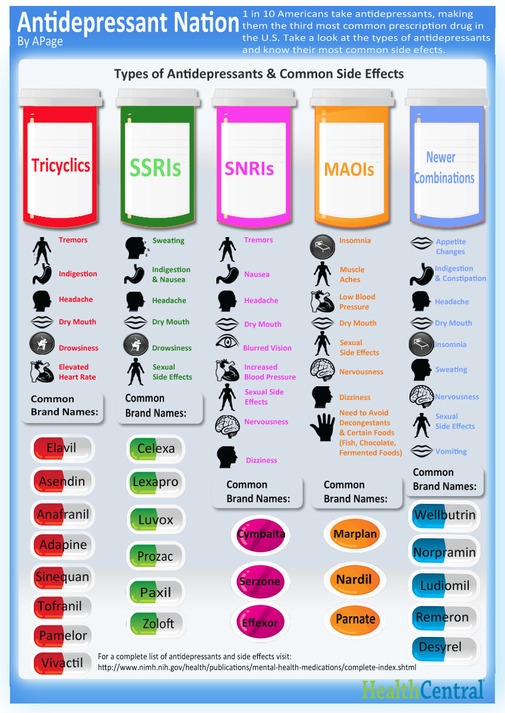
The field of psychopharmacology has yielded several classes of antidepressants, each with its unique mechanism of action and side effect profile. Understanding these differences is essential for both patients and healthcare professionals in finding the most suitable treatment.
- Selective Serotonin Reuptake Inhibitors (SSRIs): These are the most commonly prescribed antidepressants due to their generally favorable side effect profile and effectiveness. Examples include fluoxetine (Prozac), sertraline (Zoloft), escitalopram (Lexapro), and citalopram (Celexa).
- Serotonin-Norepinephrine Reuptake Inhibitors (SNRIs): These medications, such as venlafaxine (Effexor) and duloxetine (Cymbalta), affect both serotonin and norepinephrine. They are often prescribed for depression that also involves significant anxiety or pain symptoms.
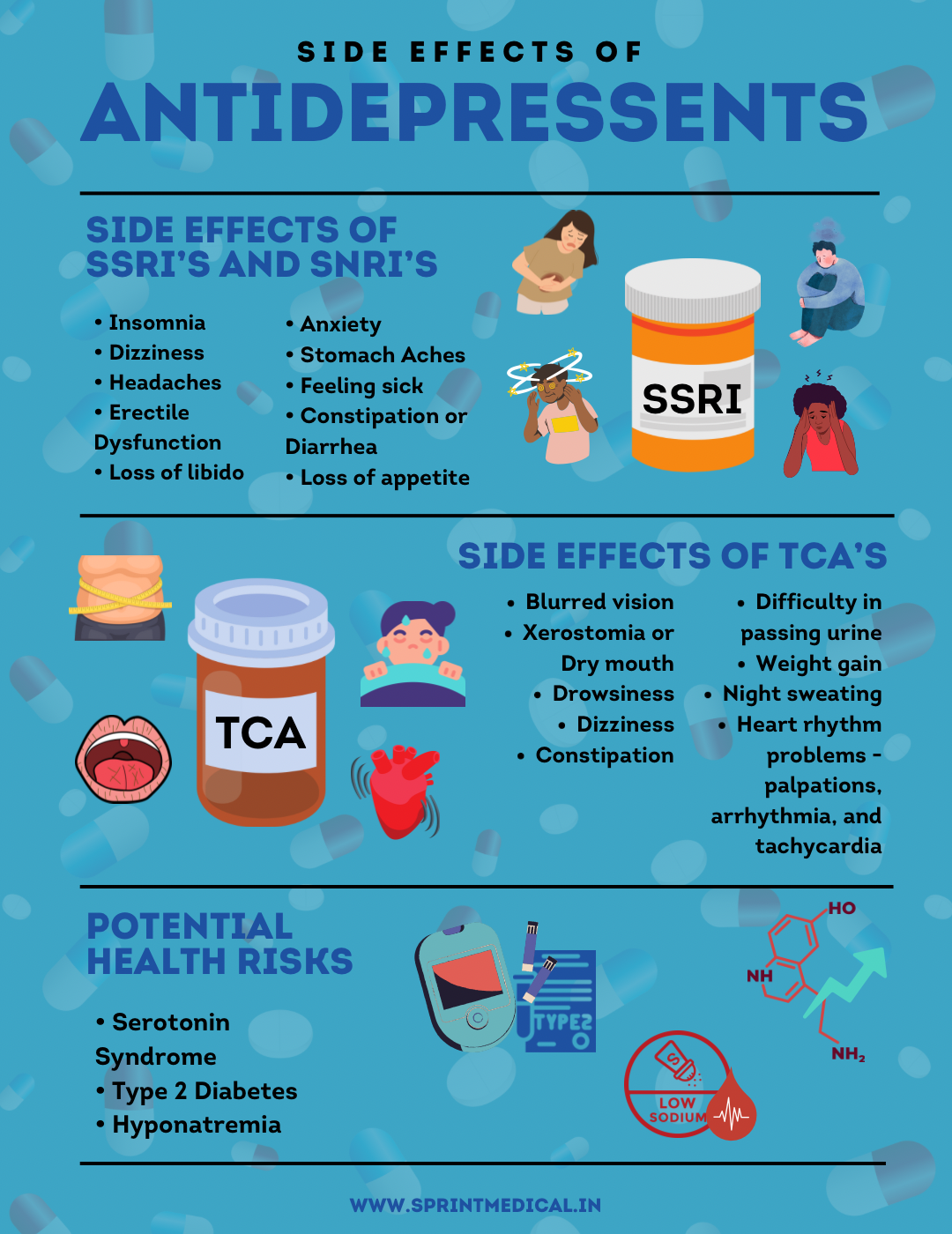
- Tricyclic Antidepressants (TCAs): Older than SSRIs and SNRIs, TCAs like amitriptyline and nortriptyline are effective but tend to have more significant side effects and potential for overdose. They are often used when newer medications are not effective or when specific symptoms warrant their use.
- Monoamine Oxidase Inhibitors (MAOIs): These are among the oldest antidepressants. They work by inhibiting monoamine oxidase, an enzyme that breaks down neurotransmitters like serotonin, norepinephrine, and dopamine. MAOIs require strict dietary restrictions to avoid dangerous interactions with certain foods containing tyramine, making them less commonly prescribed as a first-line treatment.
- Atypical Antidepressants: This is a broad category encompassing drugs that don’t fit neatly into the other classes. Examples include bupropion (Wellbutrin), mirtazapine (Remeron), and trazodone. They often have unique mechanisms and side effect profiles, making them useful for specific patient needs.
The selection of an antidepressant is a highly individualized process, often involving trial and error, with dosages adjusted based on patient response and tolerance. It’s a collaborative effort between the patient and their healthcare provider, emphasizing open communication about benefits and side effects.
The Digital Ecosystem of Mental Wellness: Technology’s Role
In the 21st century, technology has profoundly reshaped how we access information, connect with others, and manage our health. The realm of mental wellness, including the understanding and management of conditions treated by antidepressants, is no exception.
AI and Digital Tools for Mental Health Support
Artificial intelligence (AI) is rapidly emerging as a powerful ally in mental health. From diagnostic tools to therapeutic applications, AI is offering new avenues for support:
- AI-Powered Chatbots and Virtual Assistants: These tools can provide immediate, accessible support for individuals experiencing mild to moderate symptoms of depression or anxiety. They can offer cognitive behavioral therapy (CBT)-based exercises, mindfulness techniques, mood tracking, and even provide crisis intervention resources. While not a replacement for professional therapy, they can serve as valuable supplementary tools, particularly for those facing barriers to traditional care.
- Predictive Analytics and Early Intervention: AI algorithms can analyze vast datasets, including social media activity (with appropriate consent and ethical considerations), wearable device data, and electronic health records, to identify patterns indicative of potential mental health decline. This could pave the way for earlier interventions, potentially preventing the escalation of symptoms.
- Personalized Treatment Recommendations: AI can assist clinicians by analyzing patient data to suggest the most appropriate antidepressant or therapeutic approach, taking into account individual characteristics, potential drug interactions, and treatment history.
Wearable Technology and Mood Tracking Apps
The proliferation of wearable devices like smartwatches and fitness trackers, along with dedicated mood tracking apps, has empowered individuals to take a more active role in monitoring their mental state.
- Physiological Data and Mood Correlation: Wearables can track physiological metrics such as heart rate variability, sleep patterns, and activity levels, which can be correlated with mood fluctuations. For instance, consistent poor sleep or reduced physical activity might signal an impending depressive episode.
- Objective Data for Clinicians: These apps provide objective data that can be shared with healthcare providers, offering a more comprehensive picture of a patient’s daily experience beyond self-reported symptoms. This can lead to more informed treatment adjustments.
- Gamification and Engagement: Many mood tracking apps incorporate gamification elements to encourage consistent engagement, making the process of self-monitoring more appealing and less of a chore.
Digital Security and Privacy in Mental Health Apps
As we increasingly rely on digital tools for our mental well-being, the importance of digital security and privacy cannot be overstated.
- Data Encryption and Anonymization: Sensitive mental health data must be protected through robust encryption and anonymization techniques to prevent unauthorized access or breaches.
- Ethical Data Usage: Clear policies on how user data is collected, stored, and used are paramount. Transparency and user control over their data are essential for building trust.
- Vetting of Apps and Platforms: Users should be encouraged to use reputable apps and platforms that adhere to strict privacy and security standards. The allure of “free” apps can sometimes come at the cost of compromised personal information.

Branding Mental Wellness: Shaping Perceptions and Access
In today’s competitive landscape, even the concept of mental wellness, and by extension, the perception of antidepressants, is subject to strategic branding. This isn’t about marketing specific medications without proper scientific backing, but rather about how the broader conversation around mental health is framed and how accessible and destigmatized treatment becomes.
Destigmatizing Mental Health Through Positive Branding
The historical stigma surrounding mental illness has been a significant barrier to seeking help. Effective branding of mental health initiatives aims to shift this narrative:
- Empathy and Relatability: Campaigns that use empathetic language and relatable stories can resonate with a wider audience, normalizing the experience of mental health challenges.
- Focus on Strength and Resilience: Branding that highlights the journey of recovery, resilience, and the strength it takes to seek help can empower individuals.
- Expert Endorsements and Trusted Voices: Collaborations with mental health professionals, researchers, and individuals with lived experience can lend credibility and trust to mental health messaging.
Corporate Identity and Employer Mental Health Initiatives
Forward-thinking companies are increasingly recognizing the importance of employee well-being, integrating mental health support into their corporate identity.
- Inclusive Workplace Cultures: Brands that prioritize mental health often foster inclusive environments where employees feel safe to discuss their struggles and access resources.
- Employee Assistance Programs (EAPs): Robust EAPs that offer confidential counseling and support services are a tangible demonstration of a company’s commitment to employee mental health.
- Mental Health First Aid Training: Training employees to recognize the signs of mental distress and offer initial support can create a more supportive and proactive workplace.
The Marketing of Pharmaceutical Treatments: Ethical Considerations
The pharmaceutical industry plays a significant role in making antidepressants available. However, the marketing of these treatments is a complex area with significant ethical considerations.
- Direct-to-Consumer Advertising (DTCA): In some regions, DTCA for prescription drugs is permitted. This can inform patients about available treatments, but it also raises concerns about over-medicalization, patient-doctor communication, and the potential for promoting unrealistic expectations.
- Evidence-Based Information: Ethical marketing should prioritize providing accurate, evidence-based information about the efficacy, risks, and benefits of antidepressants, encouraging informed decision-making in consultation with healthcare professionals.
- Focus on Holistic Care: The most responsible branding approaches emphasize that antidepressants are part of a broader treatment plan that may include therapy, lifestyle changes, and social support.
The Financial Landscape of Mental Healthcare: Affordability and Access
The financial implications of mental healthcare, including the cost of antidepressants and associated therapies, are a critical factor in their accessibility.
The Cost of Antidepressants and Insurance Coverage
The price of antidepressants can vary significantly depending on the specific medication, dosage, and whether it is a brand-name or generic drug.
- Generic vs. Brand-Name: Generic versions of antidepressants are typically much more affordable than their brand-name counterparts once patents expire.
- Insurance Coverage: The extent to which insurance plans cover antidepressants and mental health services is a major determinant of affordability. In many countries, mental health parity laws aim to ensure that mental health conditions are covered at the same level as physical health conditions, but coverage gaps and limitations still exist.
- Out-of-Pocket Expenses: Co-pays, deductibles, and uncovered services can lead to significant out-of-pocket expenses for individuals seeking treatment.
Income and Access to Mental Healthcare
Income level is a significant determinant of access to mental healthcare. Individuals with lower incomes may face greater financial barriers to obtaining necessary treatment.
- Sliding Scale Fees and Community Clinics: Many mental health clinics and therapists offer sliding scale fees based on income, or operate as community health centers providing services at reduced costs.
- Public Health Programs: Government-funded programs and initiatives aim to expand access to mental healthcare for underserved populations.
- The “Hidden” Costs of Untreated Mental Illness: It’s important to consider the broader economic impact of untreated mental illness, including lost productivity, disability claims, and increased healthcare utilization for associated physical health problems. Investing in mental healthcare can be economically beneficial in the long run.
Financial Tools and Resources for Mental Wellness
Beyond direct treatment costs, various financial tools and resources can support individuals in managing their mental well-being.
- Budgeting for Healthcare: Incorporating healthcare expenses, including potential mental health needs, into personal and household budgets is a proactive step.
- Health Savings Accounts (HSAs) and Flexible Spending Accounts (FSAs): These tax-advantaged accounts can be used to pay for eligible medical expenses, including prescription medications and therapy, offering a way to manage healthcare costs.
- Non-Profit Organizations and Support Groups: Many non-profit organizations offer financial assistance programs, educational resources, and support networks that can alleviate some of the financial burden associated with mental health challenges.
In conclusion, understanding “what is an antidepressant” extends far beyond a simple medical definition. It’s about appreciating the intricate science behind these medications, recognizing the transformative role of technology in supporting mental wellness, acknowledging how branding shapes our perceptions and access to care, and navigating the crucial financial landscape that can either facilitate or hinder the journey towards recovery. As we move forward, a holistic, integrated approach that leverages advancements across these domains is essential for fostering a society where mental health is prioritized and accessible to all.
aViewFromTheCave is a participant in the Amazon Services LLC Associates Program, an affiliate advertising program designed to provide a means for sites to earn advertising fees by advertising and linking to Amazon.com. Amazon, the Amazon logo, AmazonSupply, and the AmazonSupply logo are trademarks of Amazon.com, Inc. or its affiliates. As an Amazon Associate we earn affiliate commissions from qualifying purchases.