
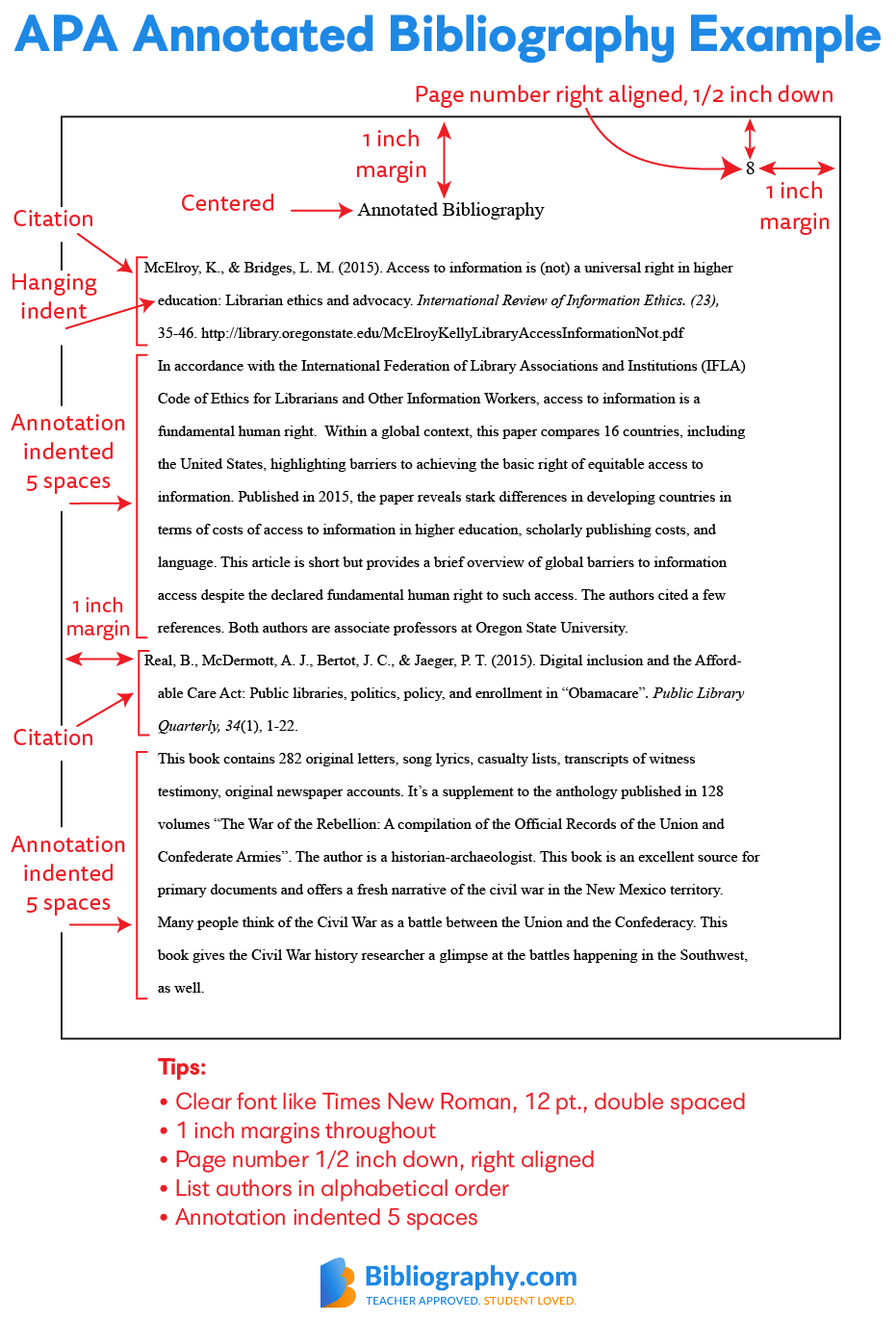
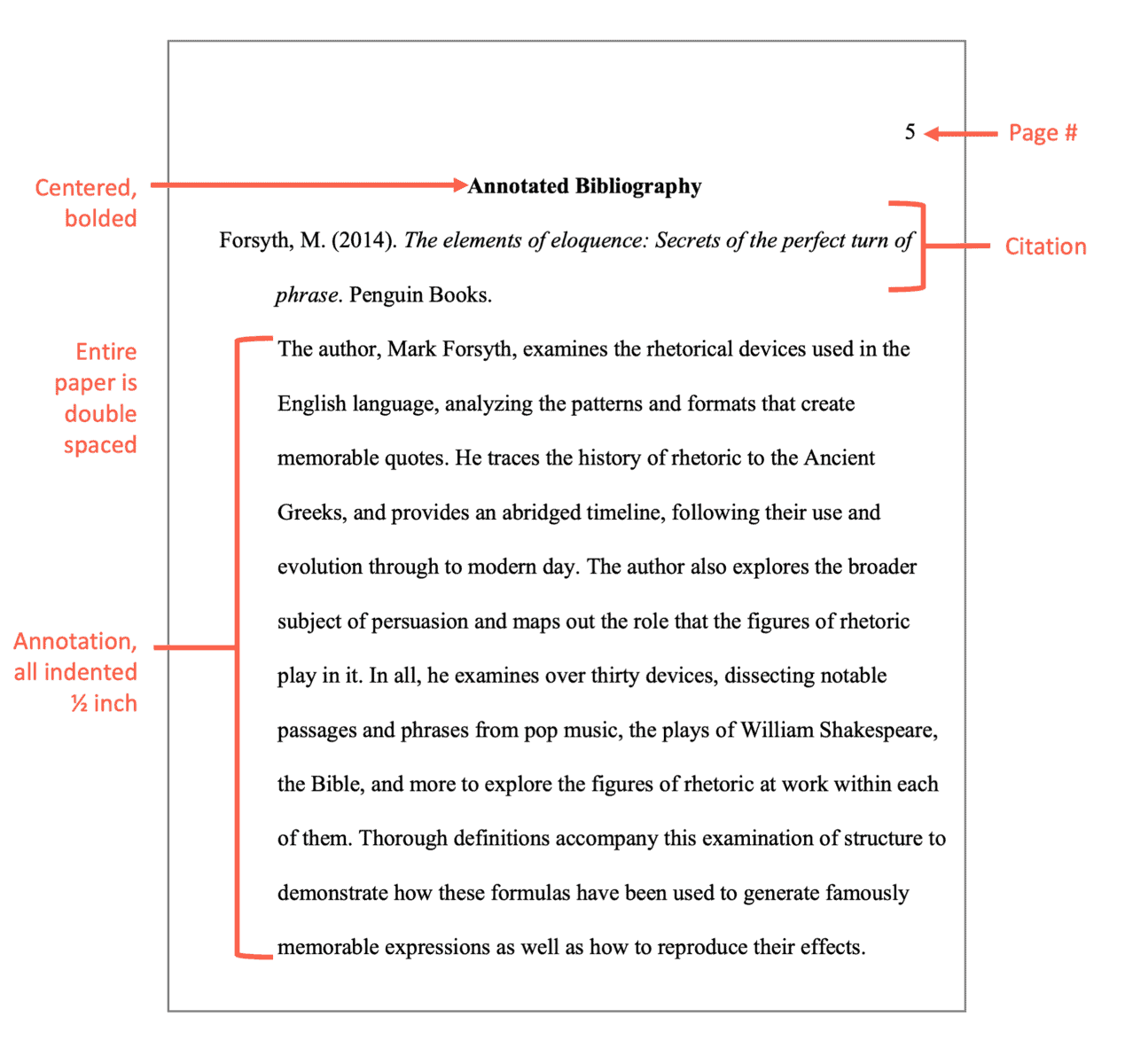
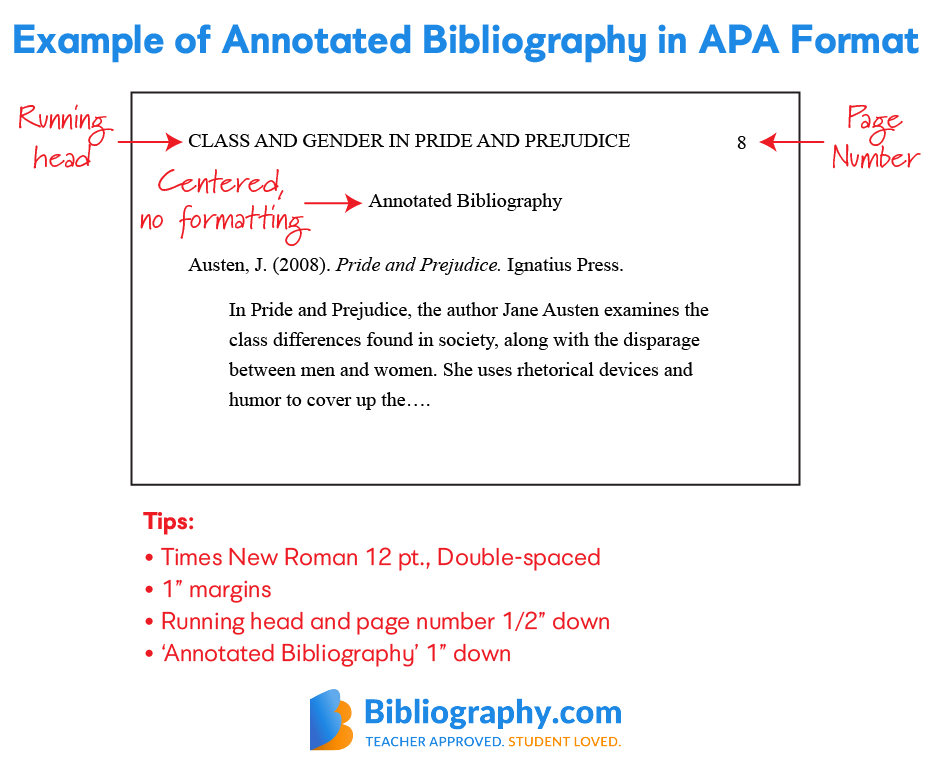
In the dynamic landscape of digital scholarship and information management, the annotated bibliography remains a cornerstone of rigorous academic and professional research. While traditionally viewed as a purely academic exercise, its creation in the modern era is deeply intertwined with technology, digital tools, and efficient data handling. Specifically, an APA-style annotated bibliography serves as an organized list of sources (books, articles, websites, etc.) with a brief descriptive and evaluative paragraph, or annotation, for each. Beyond merely listing references, it critically analyzes the content, relevance, and quality of each source, providing a comprehensive overview of the research landscape. This process, far from being a manual chore, now heavily leverages advanced tech solutions to streamline research, citation, and annotation workflows, making it an indispensable skill for anyone navigating complex information in the digital age. Understanding its components and purpose, particularly through a technological lens, empowers researchers to synthesize vast digital data more effectively, enhance their analytical capabilities, and contribute meaningfully to their respective fields.
Navigating Digital Research for APA Standards
The initial phase of constructing an APA-style annotated bibliography is rooted in comprehensive digital research. This involves a strategic approach to locating, evaluating, and managing information from an ever-expanding digital universe. The efficiency and quality of your annotated bibliography are directly proportional to your proficiency in navigating these digital landscapes. Modern research demands more than just keyword searches; it requires an understanding of database architectures, digital resource types, and the nuances of intellectual property in a networked environment. Mastering these digital navigation skills ensures that the foundation of your bibliography is robust, relevant, and adheres to the stringent quality requirements often implied by APA standards.
Leveraging Academic Databases and Search Engines
The cornerstone of effective digital research lies in the intelligent use of academic databases and specialized search engines. General web search engines, while useful for initial exploration, often lack the filtering capabilities and peer-reviewed rigor of dedicated academic platforms. Databases such as PubMed for medical and life sciences, IEEE Xplore for engineering and computer science, JSTOR for humanities and social sciences, or PsycINFO for psychology (highly relevant for APA style) provide structured access to millions of scholarly articles, journals, and reports. These platforms offer advanced search functionalities, including boolean operators, field-specific searches (author, title, abstract, keyword), and publication date filters, allowing researchers to pinpoint highly specific and authoritative sources. Furthermore, institutional access to these databases often includes features like citation export tools, which are crucial for populating reference management software, a topic we will delve into further. Understanding the unique search algorithms and content curation of each database optimizes the discovery process, ensuring that the sources selected for annotation are credible, current, and directly pertinent to the research topic.
Understanding Digital Object Identifiers (DOIs)
A critical component of modern digital citations, particularly within the APA framework, is the Digital Object Identifier (DOI). The DOI is a unique alphanumeric string assigned to a digital object, such as a journal article, research report, or book chapter. Its primary function is to provide a permanent link to the content, even if the URL changes. In an era where web links can decay or move, the DOI acts as an immutable digital address, ensuring the retrievability of sources cited in your bibliography. APA style guidelines emphasize the inclusion of DOIs when available, highlighting their importance for academic integrity and the reproducibility of research. Researchers must be adept at identifying and correctly incorporating DOIs into their citations, often found on the first page of an article, in its database record, or through DOI lookup services. This practice not only streamlines the verification process for readers but also reflects a commitment to precision in digital scholarship.
Software Solutions for Source Management
The sheer volume of digital information available today makes manual tracking of sources an arduous and error-prone task. This is where specialized software solutions become indispensable tools for researchers crafting an APA-style annotated bibliography. These platforms are designed to automate the laborious aspects of citation, organization, and formatting, freeing up researchers to focus on the critical analysis and annotation components. Embracing these technological aids is no longer an option but a necessity for maintaining efficiency, accuracy, and compliance with complex citation styles like APA.
Reference Managers: Zotero, Mendeley, EndNote
Reference management software constitutes the backbone of modern scholarly research. Tools like Zotero, Mendeley, and EndNote offer robust functionalities for collecting, organizing, and citing sources. They allow users to import citation data directly from academic databases or web pages with a single click, often automatically extracting metadata such as authors, titles, publication dates, and DOIs. Once imported, sources can be tagged, grouped into collections, and searched, enabling quick retrieval of relevant literature. These platforms also integrate seamlessly with word processors, allowing researchers to insert in-text citations and generate full reference lists in various styles, including APA, with minimal effort. This automation significantly reduces the potential for transcription errors and ensures consistency across the bibliography. For an annotated bibliography, these tools further enhance the workflow by providing dedicated fields for notes or annotations alongside each reference, making the process of drafting and refining annotations more organized and accessible.
Automating Citation and Annotation Workflow
Beyond simply storing references, modern reference managers facilitate a more automated and integrated workflow for creating an annotated bibliography. Many tools offer browser extensions that can capture not just citation data but also PDFs of articles directly from academic publisher websites. This means a researcher can build a library of full-text articles alongside their citation details, making it easy to jump back to the source material when writing annotations. Some advanced features include PDF annotation capabilities within the software itself, allowing researchers to highlight, make notes, and extract key quotes directly within the reference manager. These internal notes can then be easily compiled and refined into the concise summaries and evaluations required for an annotated bibliography. By centralizing the entire research and annotation process, these software solutions transform what was once a disjointed series of steps into a cohesive, technology-driven workflow that prioritizes accuracy and efficiency in producing APA-compliant bibliographies.
The Role of AI in Research (and its Limitations)
The advent of Artificial Intelligence (AI) has introduced new dimensions to the research process, offering tools that can potentially assist in various stages of creating an annotated bibliography. From intelligent search algorithms to natural language processing (NLP) for text summarization, AI is beginning to reshape how researchers interact with information. However, it’s crucial to approach AI tools with a clear understanding of their capabilities and, more importantly, their ethical and academic limitations, particularly when striving for the critical depth required in an APA-style annotated bibliography.
AI-Powered Summarization Tools and Ethical Considerations
AI-powered summarization tools, leveraging sophisticated NLP models, can quickly distill key information from lengthy articles or documents. Tools like QuillBot, GPT-based models, or specialized academic summarizers can generate condensed versions of research papers, potentially saving researchers time in grasping the main arguments of a source. While these tools can be useful for quickly surveying a large volume of literature to identify potentially relevant articles, their output should never be directly used as an annotation. An effective annotation requires critical evaluation, synthesis, and the researcher’s unique analytical perspective—qualities that current AI models cannot genuinely replicate. Relying solely on AI summaries risks superficiality and a lack of original thought, which undermines the core purpose of an annotated bibliography. Ethically, using AI to generate content without proper attribution or critical human oversight can constitute academic dishonesty. Therefore, AI should be viewed as an assistive technology for initial information gathering, not a replacement for human intellect and critical engagement.
Data Analysis and Annotation Assistance
Beyond summarization, AI is also making inroads into data analysis and pattern recognition within large datasets, which can indirectly inform the annotation process. For researchers working with quantitative data, AI tools can help identify trends, correlations, or outliers in vast arrays of information, which might then be referenced in the evaluative part of an annotation. For instance, if an article employs a novel data analysis technique, AI tools might help researchers quickly understand its implications, thus enhancing the depth of their critique. Some AI-driven research platforms also offer features that identify interconnected articles or suggest relevant literature based on the researcher’s existing collection, thereby broadening the scope of inquiry. However, the interpretation and contextualization of these AI-generated insights still fall squarely on the human researcher. The annotation itself must reflect a nuanced understanding of how data was collected, analyzed, and presented, and how it contributes to the broader scholarly conversation—a task requiring human judgment and expertise.
Digital Security and Academic Integrity
In an increasingly interconnected research environment, the digital security of data and the unwavering commitment to academic integrity are paramount. Crafting an APA-style annotated bibliography not only demands careful citation practices but also a secure approach to managing sensitive research materials and ensuring the originality of all work. Technology, while offering powerful tools, also introduces vulnerabilities that researchers must be prepared to address.
Protecting Research Data and Sources
Researchers frequently handle valuable and sometimes sensitive information, including personal notes, drafts, and collected digital articles. Safeguarding this data against loss, corruption, or unauthorized access is crucial. This involves employing robust cybersecurity practices: using strong, unique passwords for academic databases and reference manager accounts; utilizing two-factor authentication where available; and regularly backing up research files to secure cloud storage or external drives. Furthermore, when collaborating on annotated bibliographies or research projects, secure file-sharing platforms with granular access controls are essential to prevent data breaches. Understanding licensing agreements for academic databases and respecting digital rights management (DRM) for downloaded articles also falls under data protection, ensuring legal and ethical acquisition and use of sources. A proactive approach to digital security protects not only the researcher’s work but also the integrity of the scholarly endeavor.
Plagiarism Detection Software and Originality
The digital age has brought forth powerful plagiarism detection software, such as Turnitin or Grammarly’s plagiarism checker, which are widely used by academic institutions. While primarily a tool for educators to ensure academic honesty, understanding how these tools operate is vital for researchers. When writing annotations, particularly those involving summarizing or paraphrasing source material, it is critical to ensure that the language used is entirely original and distinct from the source, even when accurately conveying its ideas. An annotated bibliography serves as a demonstration of a researcher’s ability to critically engage with existing literature and articulate its relevance in their own words. Any direct copying or insufficient paraphrasing, even in an annotation, can be flagged by plagiarism software. Therefore, researchers should use these tools not just for a final check but as a means to refine their writing skills, practice effective paraphrasing, and guarantee the originality of their scholarly contributions. This commitment to originality underpins the entire structure of academic integrity.
Future of Digital Scholarship and Annotation
The evolution of digital tools and methodologies continues to transform the landscape of scholarly communication. As technology advances, so too will the methods and expectations surrounding research outputs like the APA-style annotated bibliography. The future promises more integrated, intelligent, and collaborative platforms that will further streamline the process while enhancing the depth and reach of scholarly work. Anticipating these shifts allows researchers to remain at the forefront of digital scholarship.
Collaborative Platforms and Version Control
The future of academic research, especially in large-scale projects, is increasingly collaborative. Emerging platforms are moving beyond simple file sharing to offer integrated environments where multiple researchers can simultaneously contribute to and refine an annotated bibliography. Tools that incorporate advanced version control systems, similar to those used in software development (e.g., Git), will become commonplace. These systems allow teams to track every change, revert to previous versions, and manage conflicts efficiently, ensuring that the development of the bibliography is transparent, accountable, and highly organized. Such platforms will facilitate real-time co-authoring of annotations, shared access to central reference libraries, and integrated communication features, thereby significantly enhancing productivity and accuracy in collaborative research endeavors. This collaborative paradigm, powered by robust digital infrastructure, is set to redefine how annotated bibliographies are not just created but also how they evolve as dynamic research instruments.
aViewFromTheCave is a participant in the Amazon Services LLC Associates Program, an affiliate advertising program designed to provide a means for sites to earn advertising fees by advertising and linking to Amazon.com. Amazon, the Amazon logo, AmazonSupply, and the AmazonSupply logo are trademarks of Amazon.com, Inc. or its affiliates. As an Amazon Associate we earn affiliate commissions from qualifying purchases.